 ×
×
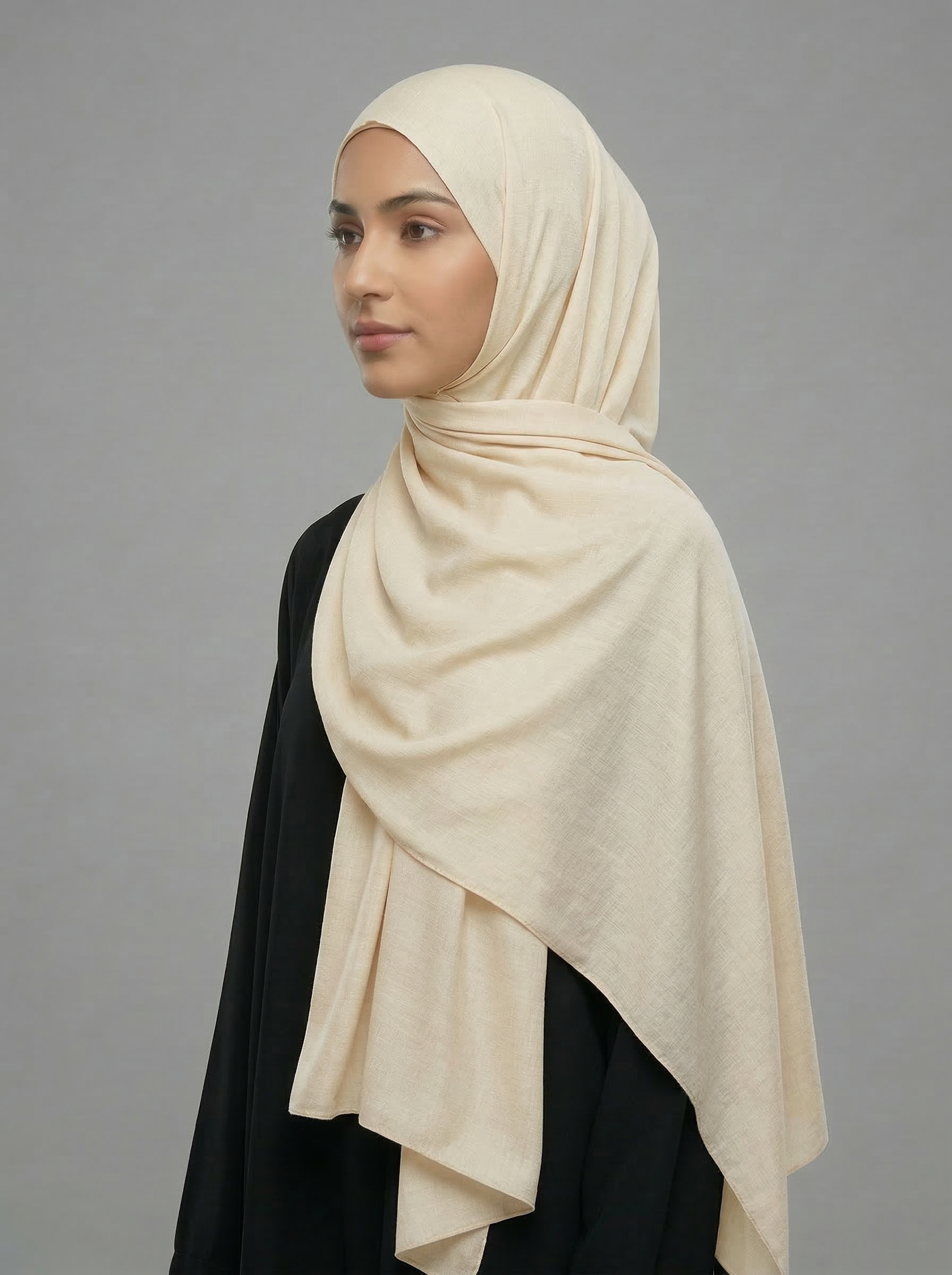
Understanding how hijabs adapt to diverse climate conditions through fabric composition is essential for women seeking both modesty and comfort throughout the year. The selection of appropriate hijab materials directly impacts wearability, breathabil...
VIEW MORE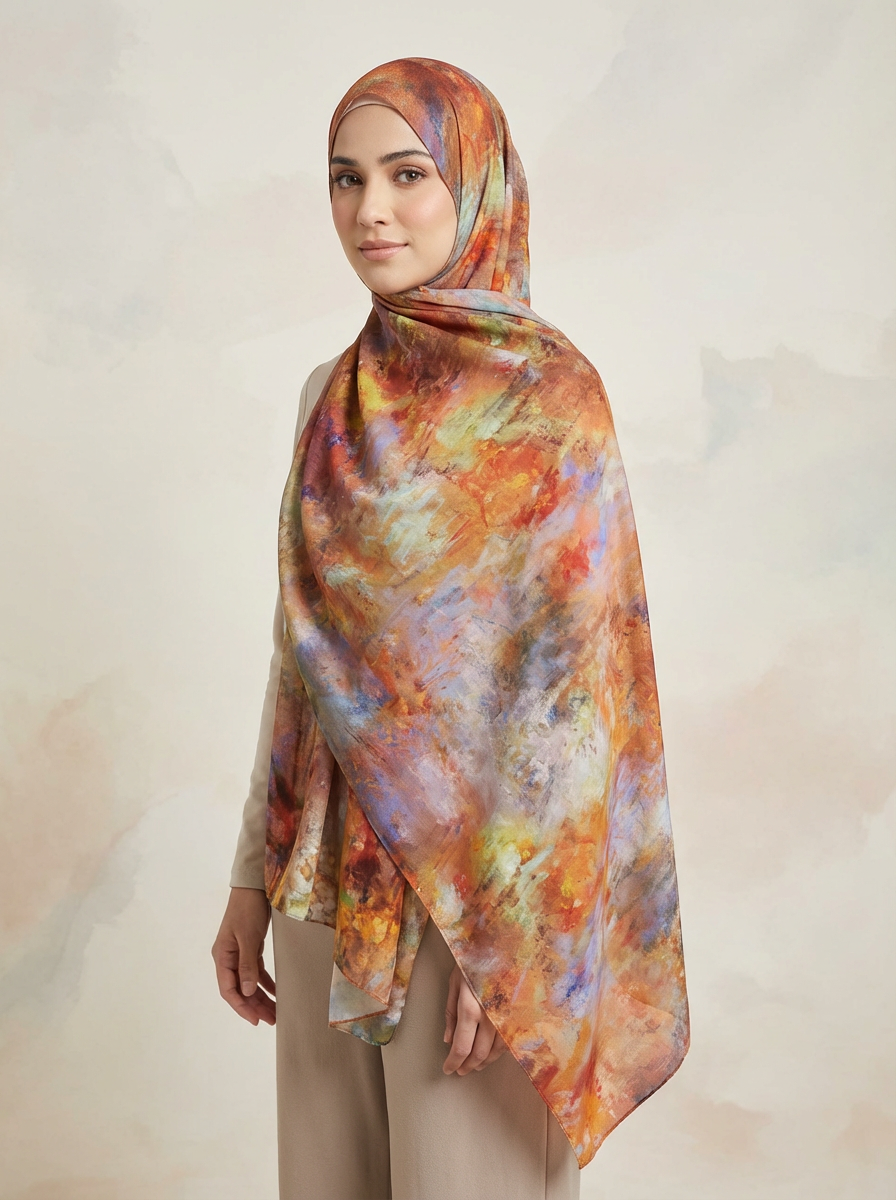
The quality of hijabs in real-world use depends heavily on the finishing techniques applied during manufacturing. While fabric selection forms the foundation, finishing processes determine how hijabs respond to daily wear, frequent washing, and envir...
VIEW MORE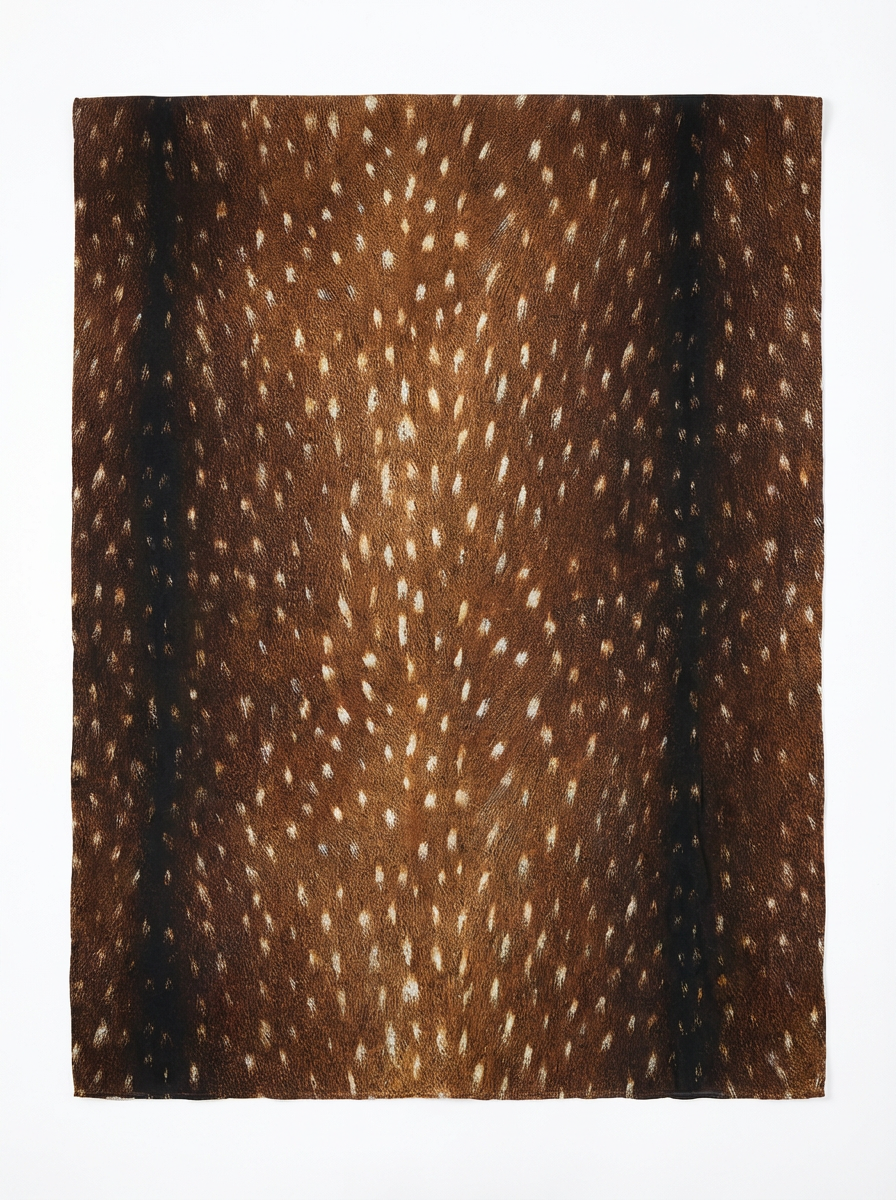
Quality consistency across production batches remains a fundamental challenge in hijab manufacturing, directly impacting brand reputation and customer loyalty. When manufacturers struggle to maintain uniform standards, customers receive products with...
VIEW MORE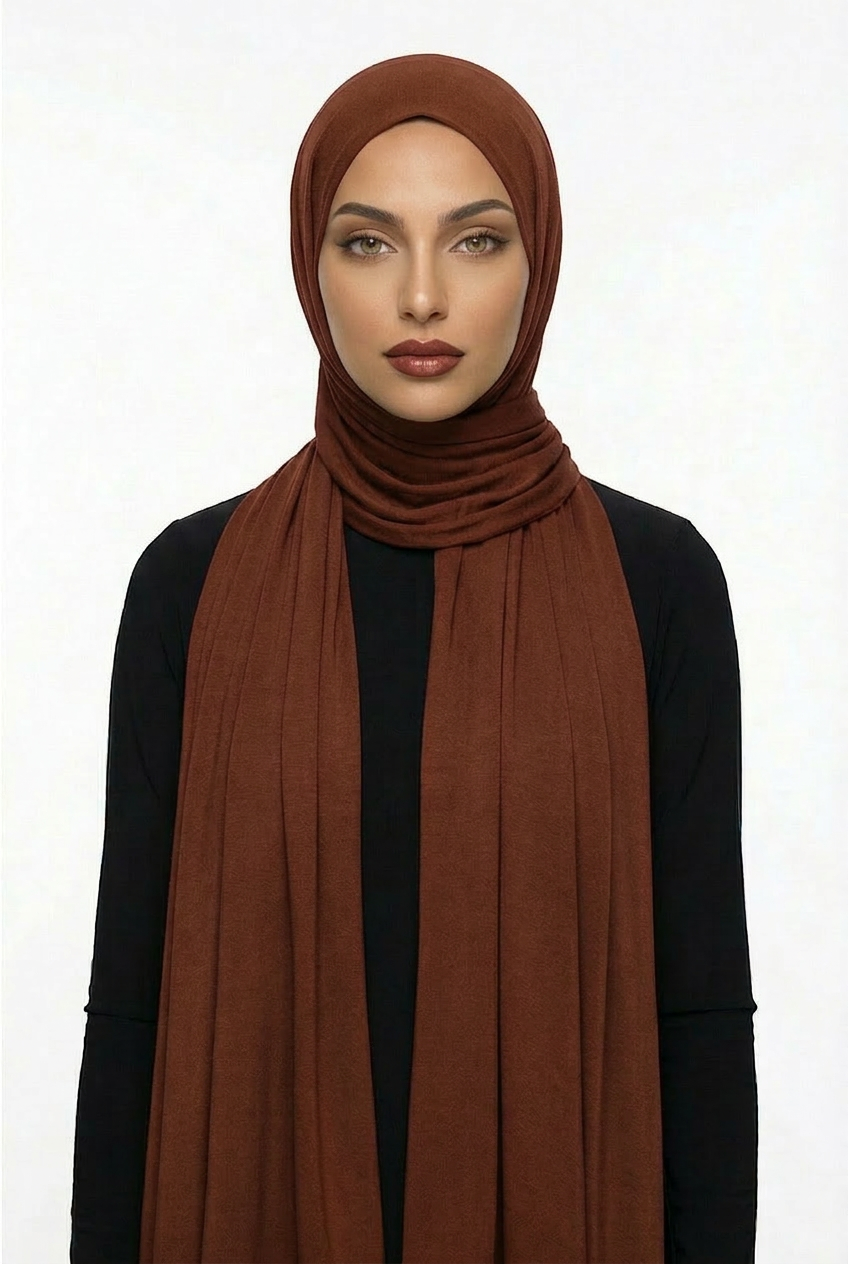
The global modest fashion market has experienced remarkable growth over the past decade, with hijab women representing one of its most dynamic consumer segments. As textile manufacturers and fashion brands respond to evolving preferences, fabric inno...
VIEW MORE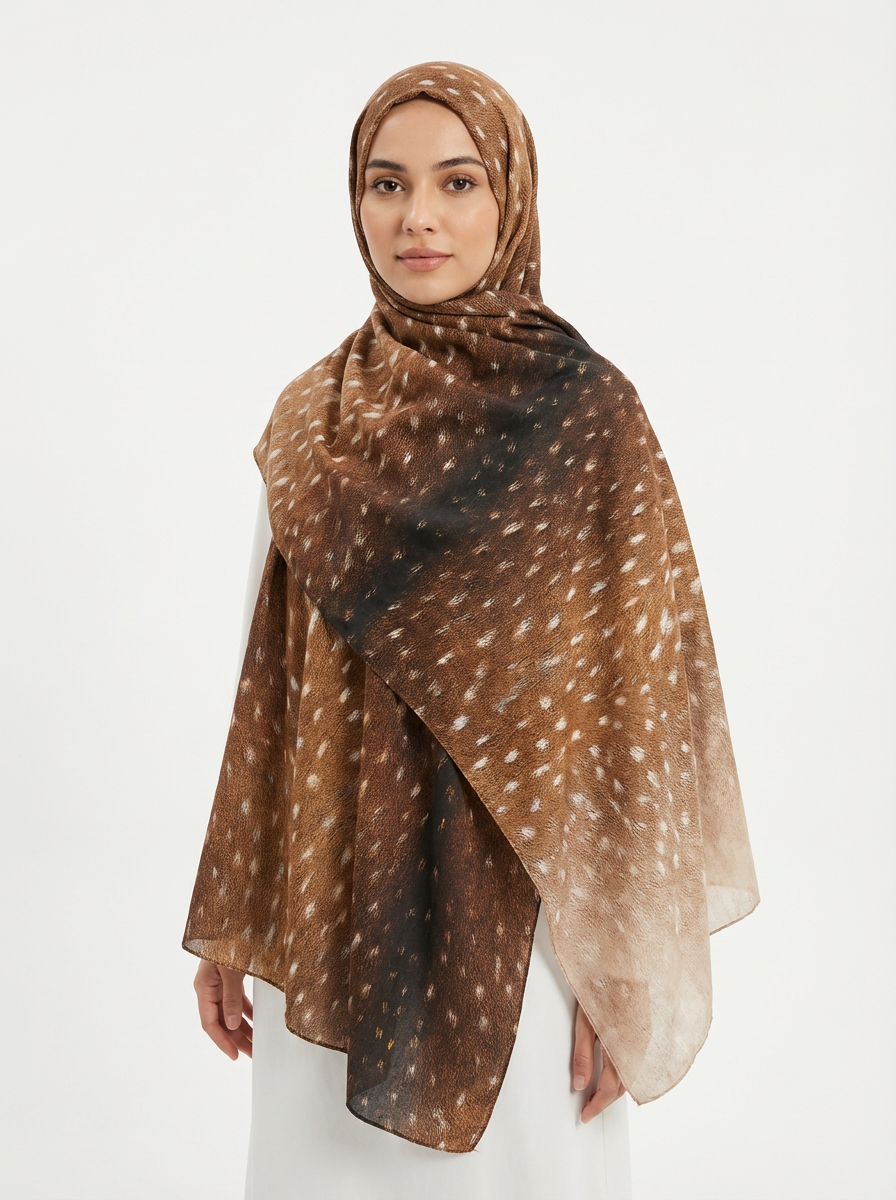
Comfort and wearability are essential considerations for hijab women who integrate modest head coverings into their daily routines across diverse lifestyle contexts. From professional environments to athletic activities, social gatherings to home set...
VIEW MORE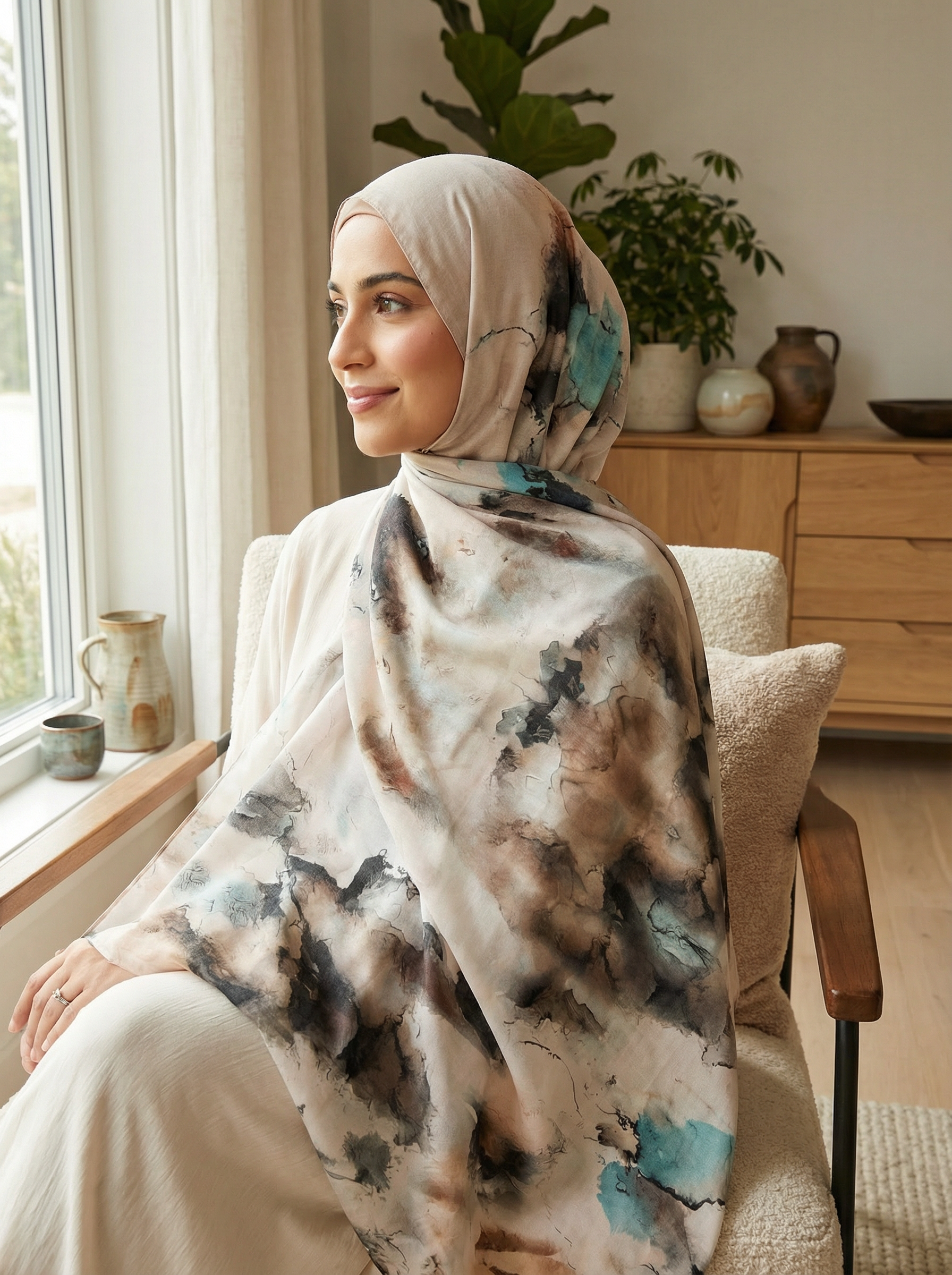
The adaptation of hijab women to varying seasonal conditions and climate variations represents a sophisticated intersection of religious observance, practical necessity, and textile innovation. Across diverse geographical regions, from the humid trop...
VIEW MORE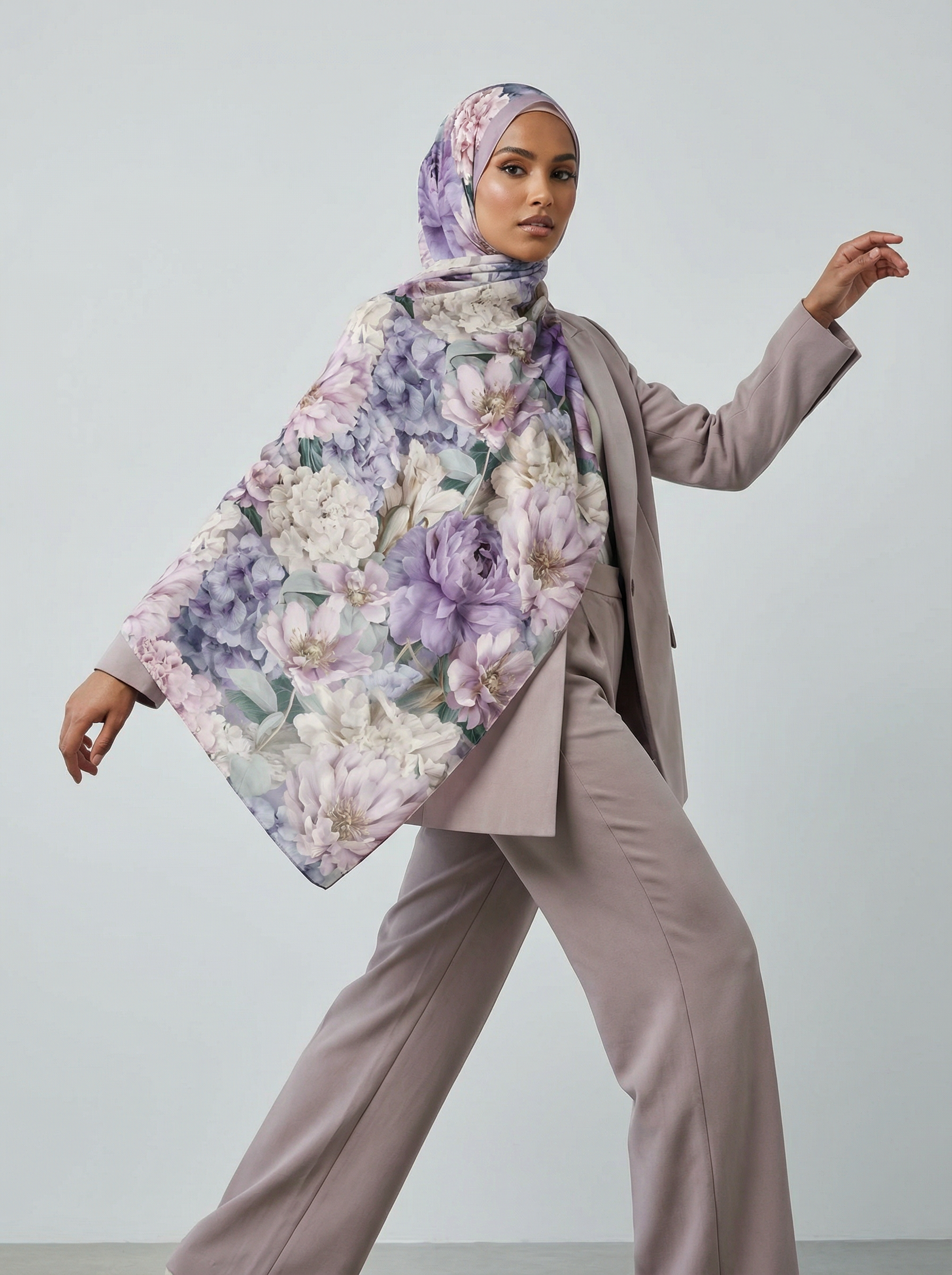
The evolution of hijab women design represents a significant cultural and commercial shift in global fashion, driven by the dual pressures of preserving religious modesty while embracing contemporary aesthetics that appeal to younger, fashion-conscio...
VIEW MORE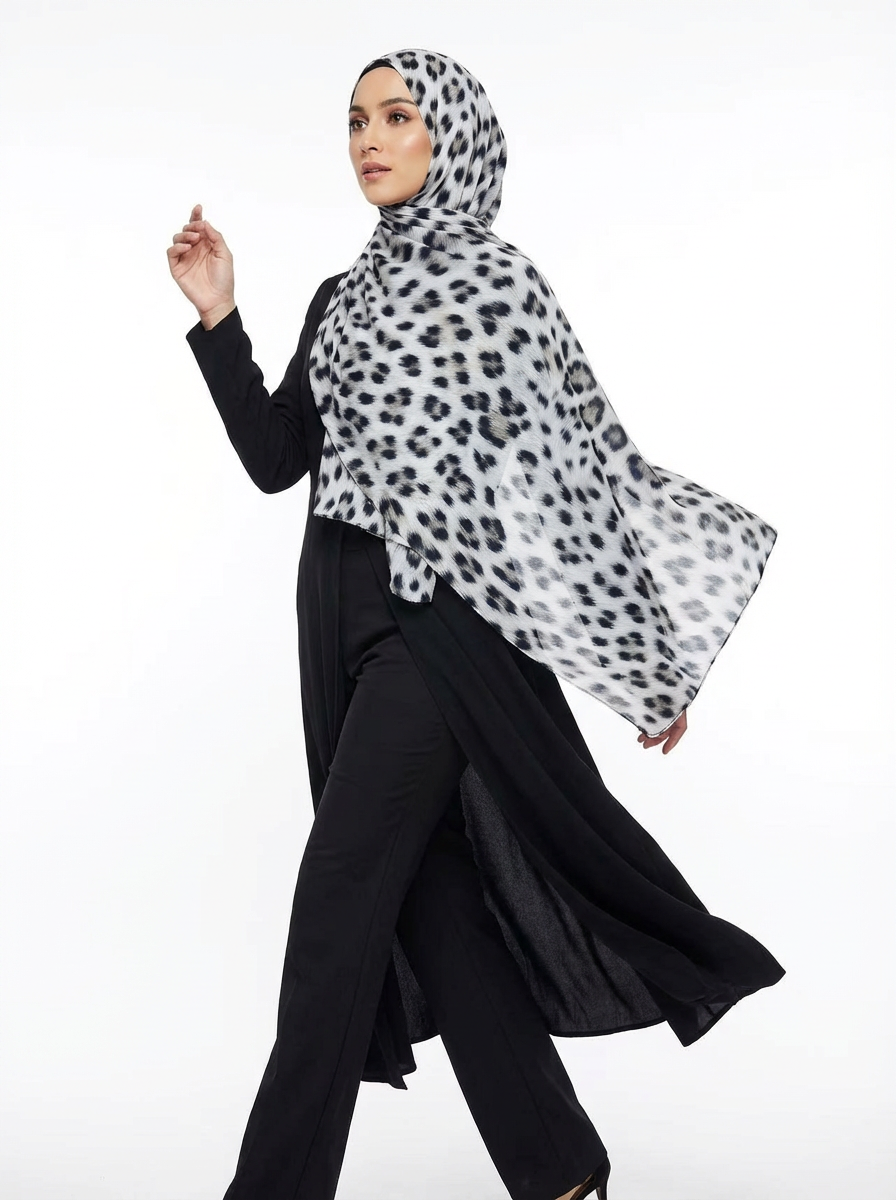
The evolution of hijab women styling in contemporary society represents far more than a simple clothing choice—it embodies a profound intersection of personal identity, cultural heritage, and modern fashion sensibility. As hijab women navigate the co...
VIEW MORE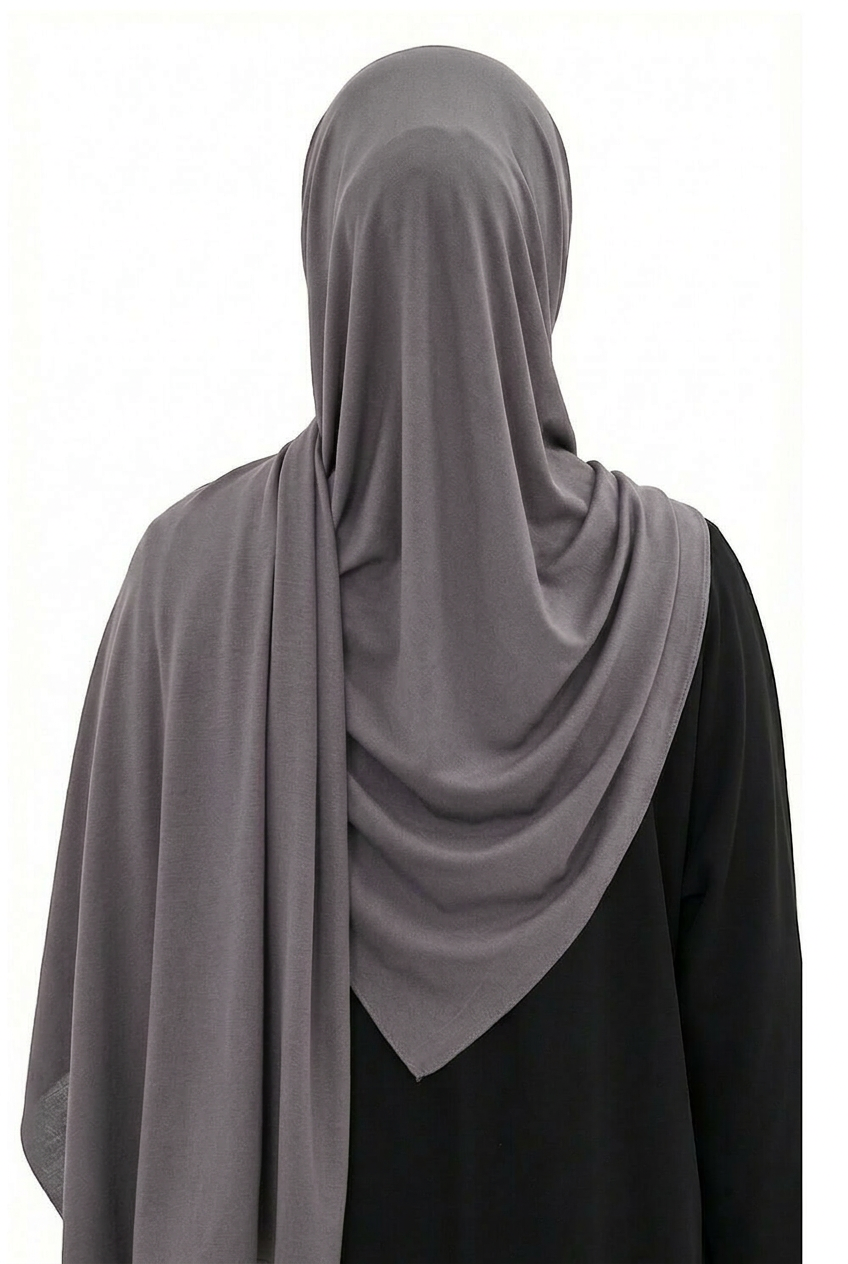
For contemporary modest fashion enthusiasts seeking comfort without compromising elegance, hijab modal has emerged as a transformative textile choice that addresses the dual challenges of breathability and aesthetic versatility. The selection of fabr...
VIEW MORE
Understanding how fabric responds to environmental conditions is essential for women who wear hijab daily across diverse global climates. The choice of material directly impacts comfort, appearance, and wearability throughout seasonal changes and geo...
VIEW MORE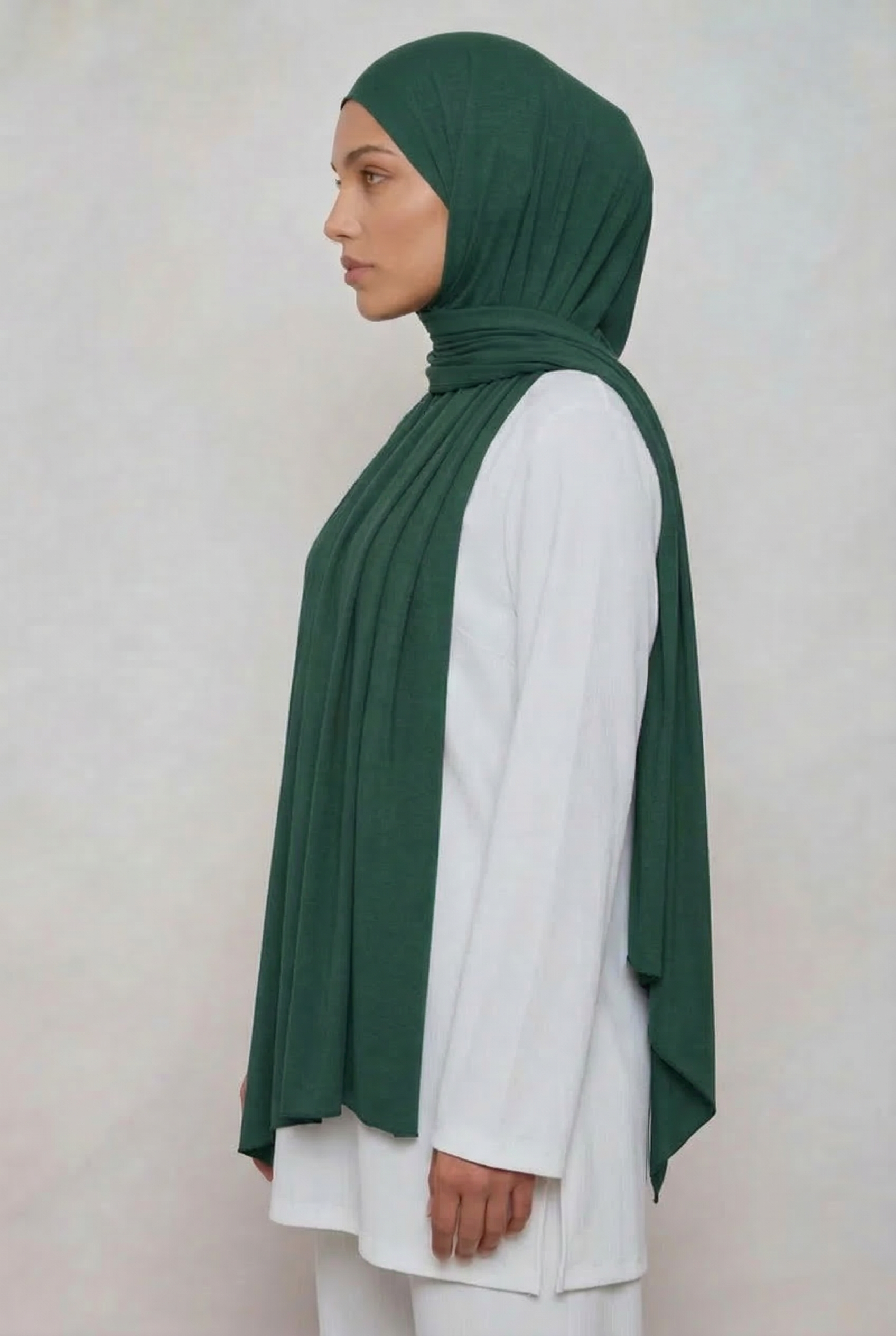
The contemporary fashion landscape presents a unique challenge for hijab designers worldwide: how to honor centuries-old religious and cultural traditions while embracing modern aesthetics and consumer expectations. This delicate balance has given ri...
VIEW MORE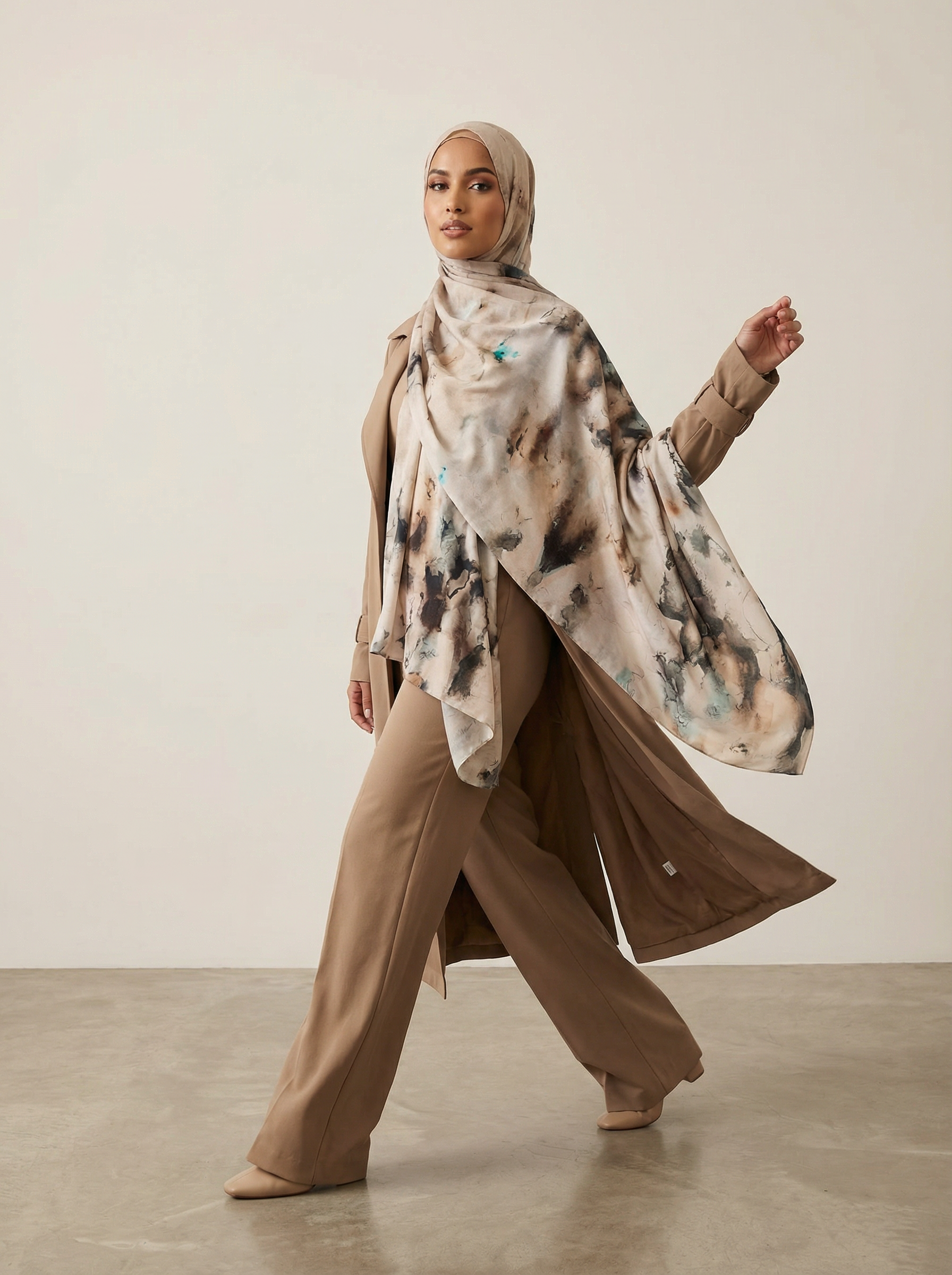
Modern headwear design increasingly prioritizes the delicate balance between fabric performance and wearer comfort, particularly in the modest fashion industry where hijab modal has emerged as a transformative textile innovation. Modal fiber, derived...
VIEW MORE
 EN
EN

