
 EN
EN



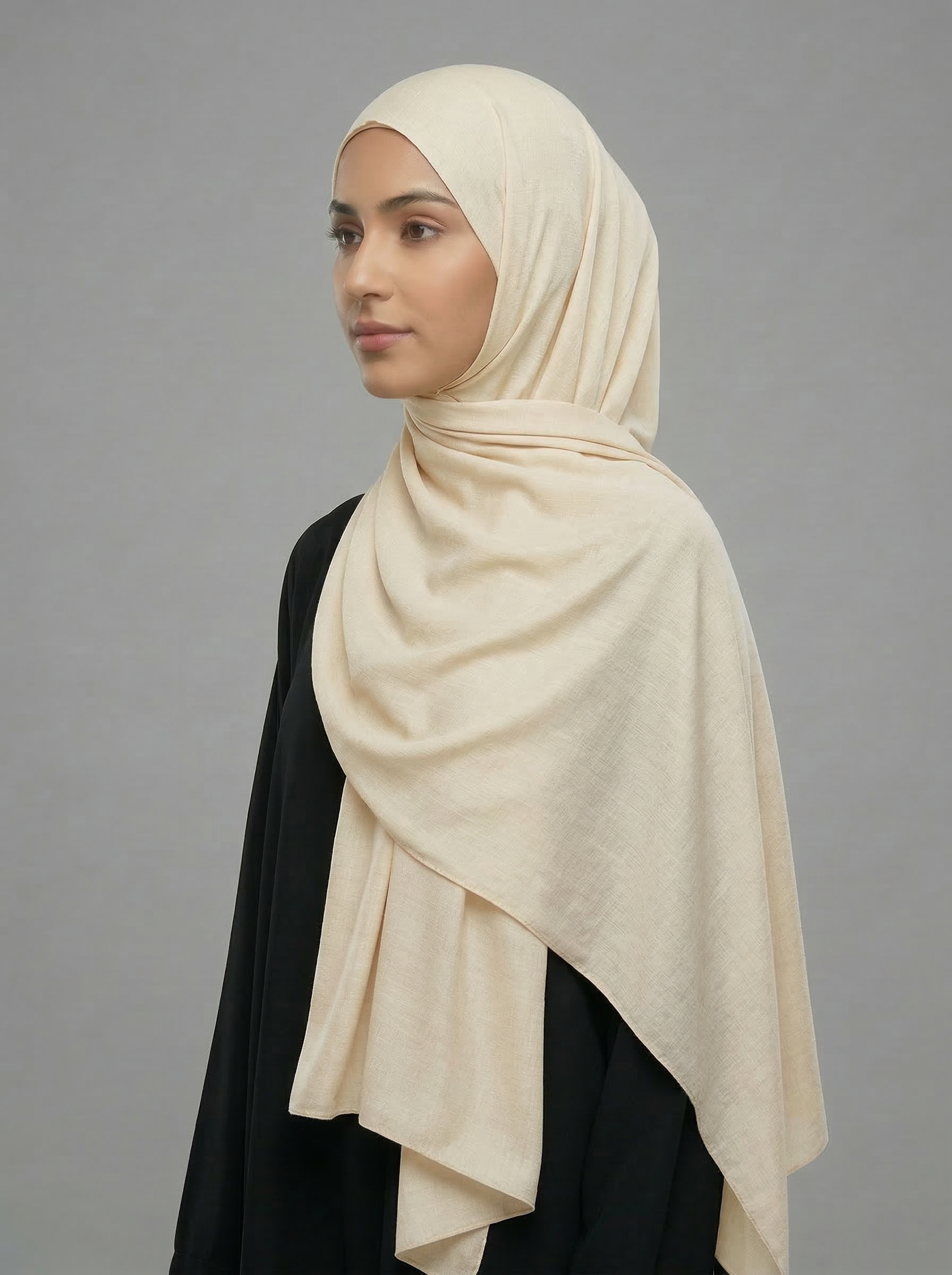
Understanding how hijabs adapt to diverse climate conditions through fabric composition is essential for women seeking both modesty and comfort throughout the year. The selection of appropriate hijab materials directly impacts wearability, breathability, and overall satisfaction across varying seasonal requirements. Modern hijabs incorporate sophisticated textile engineering that balances religious observance with practical considerations like temperature regulation, moisture management, and durability, making fabric choice a critical decision for daily wear.
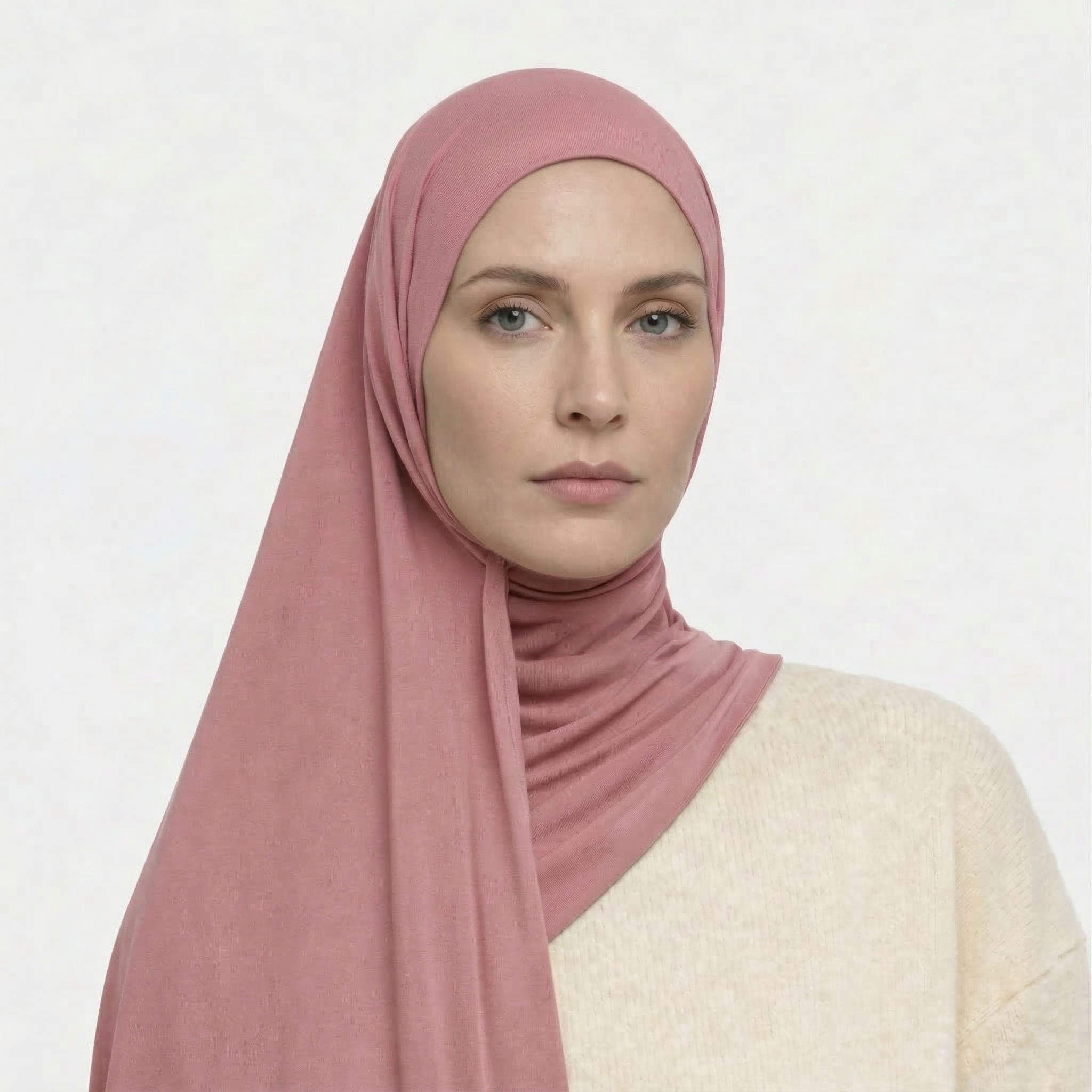
Fabric composition fundamentally determines how hijabs perform under specific environmental conditions, with each fiber type offering distinct thermal properties, moisture-wicking capabilities, and seasonal suitability. From lightweight cotton blends designed for tropical humidity to insulating wool combinations crafted for harsh winters, the textile industry has developed specialized fabric architectures that respond to geographic and seasonal demands. This article explores the technical relationship between hijab fabric composition and climate adaptability, examining how different fiber types, weave structures, and blended materials create optimal wearing experiences across diverse weather patterns and seasonal transitions.
Fundamental Fabric Properties That Determine Climate Suitability
Fiber Structure and Thermal Regulation Mechanisms
The microscopic structure of textile fibers directly influences how hijabs regulate temperature and respond to environmental heat. Natural fibers like cotton contain hollow spaces and natural crimp patterns that trap air, creating insulation layers that can either retain warmth or allow ventilation depending on weave density. Synthetic fibers such as polyester feature smooth, continuous filaments that affect moisture transport and heat retention differently than natural alternatives. Understanding these structural differences helps explain why certain hijabs feel cooler or warmer despite similar thickness or weight.
Thermal conductivity varies significantly across fiber types, with natural materials generally exhibiting lower conductivity that promotes gradual temperature adjustment. Cotton hijabs absorb and release heat slowly, making them suitable for moderate temperature fluctuations, while silk fibers possess unique protein structures that provide natural temperature regulation across broader climate ranges. Synthetic microfibers engineered with specific denier measurements can mimic or surpass natural fiber performance, offering designers precise control over thermal properties tailored to specific seasonal requirements.
The crimp and texture of fibers also affect how hijabs drape and create air circulation space between fabric and skin. Highly crimped fibers like wool naturally create loft that enhances insulation for cold climates, while smooth, straight fibers in materials like viscose promote closer skin contact and better heat dissipation. This architectural consideration becomes particularly important when selecting hijabs for extreme climate conditions where thermal regulation directly impacts comfort and health.
Moisture Management and Breathability Characteristics
Breathability in hijabs depends primarily on fabric composition's ability to manage moisture vapor transmission while maintaining structural integrity. Natural cellulosic fibers excel at absorbing moisture from perspiration, with cotton capable of holding up to twenty-seven percent of its weight in water before feeling damp. This absorption capacity makes cotton-based hijabs particularly suitable for humid climates where evaporative cooling provides relief, though excessive moisture retention can become uncomfortable during prolonged wear in very hot conditions.
Synthetic performance fibers incorporate engineered wicking properties that transport moisture away from skin through capillary action along fiber surfaces. Polyester hijabs with hydrophobic treatments push moisture to outer fabric surfaces where evaporation occurs more rapidly, keeping the wearer's skin drier in high-activity or hot environments. Modal and bamboo-derived viscose combine natural origins with processed structures that offer superior moisture absorption compared to standard cotton while maintaining quick-dry properties beneficial for variable humidity conditions.
The interaction between fiber absorbency and climate humidity creates different comfort outcomes across seasons. In dry winter air, moisture-retaining natural fiber hijabs help prevent static buildup and maintain skin hydration, while in summer humidity, quick-drying synthetic blends prevent that heavy, saturated feeling that reduces comfort. Selecting appropriate moisture management properties based on regional climate patterns ensures hijabs remain comfortable throughout extended daily wear regardless of perspiration levels or environmental humidity.
Seasonal Fabric Composition Strategies for Optimal Comfort
Summer-Weight Materials and Hot Climate Solutions
Hot weather hijabs prioritize lightweight composition with maximum breathability, typically utilizing fine-gauge yarns in open weave structures that promote air circulation. Cotton voile and lawn fabrics feature extremely fine thread counts with loose plain weaves that create breathable barriers while maintaining opacity requirements. These summer-appropriate hijabs often incorporate long-staple cotton varieties that produce stronger, thinner yarns capable of creating delicate yet durable fabrics ideal for temperatures exceeding thirty degrees Celsius.
Viscose and rayon derivatives have become increasingly popular for tropical climate hijabs due to their silk-like drape combined with superior moisture absorption. These regenerated cellulose fibers offer cooling sensations against skin while their smooth surfaces reduce friction and heat buildup. Modal hijabs specifically deliver enhanced wet strength compared to standard viscose, maintaining structural integrity even when saturated with perspiration during hot, humid conditions common in equatorial and subtropical regions.
Linen composition provides another natural solution for extreme heat, with flax fibers offering exceptional breathability and rapid moisture evaporation. The natural stiffness of linen creates fabric structures that stand slightly away from skin, enhancing air circulation while its high thermal conductivity facilitates quick heat dissipation. However, linen hijabs require specific finishing treatments to minimize wrinkling, and many manufacturers blend linen with cotton or synthetic fibers to balance its crisp texture with improved drape and wrinkle resistance suitable for all-day wear.
Winter Insulation and Cold Weather Fabric Engineering
Cold climate hijabs employ denser fabric constructions using fibers with natural insulating properties that trap warm air close to the head and neck. Wool and cashmere compositions excel in winter applications, with their crimped fiber structures creating loft that provides superior warmth-to-weight ratios. Fine merino wool hijabs offer temperature regulation without excessive bulk, while cashmere blends add luxurious softness for sensitive skin during harsh winter conditions when indoor heating and outdoor cold create challenging environmental transitions.
Jersey knit constructions in cotton-polyester blends provide stretch and thermal retention ideal for layering during cold seasons. The interlock or single-jersey structures common in these hijabs create fabric thickness without excessive weight while offering flexibility for different wrapping styles. Polyester content in these blends enhances durability and reduces moisture retention that could lead to chilling, while cotton components maintain breathability necessary for indoor comfort when transitioning from cold outdoor environments.
Fleece-backed and brushed fabrics represent specialized cold-weather solutions where inner surfaces feature raised fiber ends that increase insulation and provide soft texture against skin. These constructions typically combine polyester or acrylic synthetic fibers that resist moisture absorption while trapping substantial air volumes for insulation. Winter hijabs utilizing these technologies maintain warmth even in sub-zero temperatures while remaining lighter than traditional wool alternatives, making them practical for extended outdoor exposure in severe winter climates.
Transitional Season Versatility and Adaptive Blends
Spring and autumn seasons demand hijab fabrics that accommodate significant daily temperature fluctuations, requiring composition strategies that balance warmth retention with adequate breathability. Medium-weight cotton blends incorporating small percentages of synthetic fibers provide this versatility, with polyester or elastane additions improving shape retention and reducing wrinkling while maintaining cotton's natural temperature regulation. These transitional hijabs typically feature thread counts and fabric weights positioned between summer and winter extremes, offering comfort across temperature ranges from ten to twenty-five degrees Celsius.
Crepe and georgette weaves in polyester or silk compositions deliver excellent transitional season performance through their textured surfaces that create microclimate air pockets. The pebbled texture characteristic of crepe fabrics increases surface area for improved moisture evaporation while their medium opacity works well with seasonal layering approaches. These fabrics drape beautifully for various hijab styling methods while their wrinkle-resistant properties reduce maintenance demands during unpredictable weather patterns common in transitional months.
Double-layer and reversible hijab constructions offer another approach to seasonal transitions, combining different fabric compositions on each side to provide wearing options matching daily weather variations. One side might feature breathable cotton voile for warmer afternoons while the reverse presents brushed jersey for cooler mornings, allowing wearers to adjust their hijabs without changing garments entirely. This practical design innovation addresses the challenge of unpredictable spring and fall weather where morning and afternoon temperatures may differ substantially.
Geographic Climate Considerations in Fabric Selection
Tropical and Subtropical Environment Requirements
Tropical climate hijabs must address both extreme heat and high humidity simultaneously, requiring fabric compositions that prevent moisture saturation while maximizing evaporative cooling. Bamboo viscose has emerged as an optimal solution for these conditions, combining moisture absorption exceeding cotton with antimicrobial properties that reduce odor development in persistently humid environments. The smooth fiber surface of bamboo-derived textiles creates a cooling sensation while their biodegradable nature appeals to environmentally conscious consumers in regions experiencing tropical weather year-round.
Lightweight synthetic performance fabrics originally developed for athletic wear have been adapted for tropical hijab applications, featuring moisture-wicking treatments and antimicrobial finishes. These technical textiles transport perspiration away from skin through engineered channel structures within the fabric, then facilitate rapid evaporation to maintain dryness. The quick-dry properties prove essential in tropical regions where daily rainfall and humidity prevent conventional fabrics from drying thoroughly between wearings, potentially leading to bacterial growth and unpleasant odors.
Open-weave cotton gauze and cheesecloth constructions provide maximum breathability for extreme tropical heat, though their loose structure requires careful opacity management through dyeing, printing, or layering techniques. These ultra-lightweight hijabs allow exceptional air circulation while their natural fiber composition remains comfortable against skin during prolonged wear in temperatures consistently above thirty-five degrees Celsius. Many tropical region wearers prefer these gauze-weight options specifically during peak heat hours, switching to slightly denser fabrics for air-conditioned indoor environments.
Arid Desert Climate Fabric Strategies
Desert environments present unique challenges combining intense solar radiation, extreme temperature differentials between day and night, and very low humidity levels. Hijabs for arid climates require fabric compositions that provide sun protection while managing dramatic temperature swings and minimizing static electricity caused by dry air. Tightly woven cotton in medium weights offers excellent ultraviolet protection while maintaining breathability necessary for daytime heat, and its natural moisture retention helps prevent dehydration of facial skin exposed to extremely dry air.
Silk and silk-blend hijabs perform exceptionally well in desert conditions due to their natural protein structure that provides both insulation and cooling properties. The sericin coating on silk fibers offers inherent ultraviolet protection while the fabric's low thermal conductivity creates an insulating barrier against both heat and cold. Desert-dwelling women have traditionally favored silk hijabs because they remain comfortable during scorching days while providing adequate warmth during cold desert nights when temperatures may drop below freezing.
Polyester-cotton blends with specialized finishes address practical concerns in sandy, dusty environments where frequent washing becomes necessary. The synthetic component enhances durability and color retention through repeated laundering while cotton maintains breathability and comfort. These blended hijabs often incorporate soil-release treatments that facilitate easier cleaning, particularly important in arid regions where airborne dust particles constantly settle on fabric surfaces and washing water may contain high mineral content that affects textile longevity.
Temperate Zone Seasonal Rotation Approaches
Temperate climate regions with distinct four-season patterns require comprehensive hijab wardrobes featuring different fabric compositions optimized for specific seasonal conditions. Women in these areas typically maintain separate collections of summer-weight cotton and viscose hijabs, winter wool and fleece options, and transitional-season medium-weight blends. This rotation approach ensures optimal comfort throughout the year while extending individual garment lifespan by reducing wear frequency and allowing appropriate care between seasonal storage periods.
The seasonal rotation strategy also accommodates indoor-outdoor temperature differentials common in temperate zones where heated winter buildings and air-conditioned summer spaces create microclimate challenges. Layerable hijab systems using lightweight under-scarves combined with seasonal outer layers provide flexibility for environments requiring frequent transitions between contrasting temperatures. Cotton jersey under-scarves offer year-round utility while outer hijabs in seasonal-appropriate fabrics can be easily added or removed as conditions change throughout the day.
Climate change impacts on temperate regions have increased demand for adaptive fabric technologies that perform across broader temperature ranges. Hybrid compositions incorporating phase-change materials or thermoregulating treatments respond dynamically to body heat and environmental conditions, maintaining comfort during unseasonably warm winter days or cool summer evenings. These advanced textiles represent the evolution of hijab fabric engineering toward climate-adaptive solutions that reduce the need for extensive seasonal wardrobes while improving overall wearing comfort.
Textile Innovation and Performance Enhancement Technologies
Moisture-Wicking and Quick-Dry Engineering
Modern hijab manufacturers increasingly incorporate moisture management technologies originally developed for athletic and outdoor performance wear. These treatments modify fiber surfaces at the molecular level to control water interaction, creating hydrophilic inner surfaces that attract moisture away from skin and hydrophobic outer surfaces that spread moisture for rapid evaporation. The result transforms how hijabs handle perspiration during physical activity or in hot climates, maintaining dryness and preventing the heavy, uncomfortable feeling associated with moisture-saturated traditional fabrics.
Microfiber polyester constructions with engineered capillary channels represent another innovation improving hijab performance in demanding conditions. These ultra-fine fibers create extensive surface area that accelerates moisture transport through the fabric structure, while their synthetic nature ensures the material itself absorbs minimal water. Hijabs utilizing this technology dry significantly faster after washing and maintain their shape and drape even when exposed to humidity or light rain, practical advantages for women living in unpredictable climates or maintaining active lifestyles.
Chemical finishing treatments applied to natural fiber hijabs can enhance their inherent moisture management properties without completely altering fabric characteristics. Cross-linking agents improve the dimensional stability of cotton and viscose when wet, preventing the stretching and distortion that occurs with untreated natural fabrics. Polymer coatings applied in micro-thin layers enhance water repellency on fabric surfaces while maintaining breathability, creating hijabs that resist light moisture while remaining comfortable for extended wear across various climate conditions.
Thermal Regulation and Cooling Technologies
Phase-change materials embedded in hijab fabrics absorb excess body heat during warm conditions and release stored thermal energy when temperatures drop, creating self-regulating comfort across temperature fluctuations. These microscopic capsules containing specially formulated waxes or oils undergo solid-to-liquid transitions at temperatures near human skin levels, effectively buffering against both overheating and chilling. While initially expensive, this technology has become more accessible in premium hijab lines targeting women in extreme climates or those requiring all-day comfort across diverse environments.
Mineral-infused fibers incorporating jade, ceramic, or other compounds reflect infrared radiation away from the body, creating measurable cooling effects in hot conditions. These cooling hijabs utilize ground mineral particles integrated into synthetic fibers during the extrusion process, permanently incorporating the thermal management properties throughout the fabric structure. Laboratory testing demonstrates temperature reductions of two to five degrees Celsius compared to standard fabrics, meaningful improvements for women wearing hijabs in consistently hot climates where even small temperature differences impact comfort and health.
Mesh and perforated fabric structures engineered at the microscopic level enhance air circulation without compromising modesty requirements. Laser-cutting technologies create precisely controlled perforation patterns that maximize breathability while maintaining adequate coverage, and strategic placement of these ventilated zones in areas away from the face optimizes cooling where heat buildup occurs most severely. These architecturally designed hijabs represent sophisticated approaches to climate adaptation that balance religious observance with practical thermal comfort needs.
Antimicrobial and Odor-Control Treatments
Hot, humid climates accelerate bacterial growth on textile surfaces, particularly when hijabs become saturated with perspiration during extended wear. Antimicrobial treatments using silver ions, zinc compounds, or organic biocides inhibit bacterial proliferation that causes odor development and potential skin irritation. These treatments can be applied as surface finishes or incorporated directly into synthetic fibers during manufacturing, with the latter approach providing more durable antimicrobial properties that survive repeated washing cycles essential for maintaining hygiene in challenging climates.
Natural antimicrobial fibers like bamboo viscose offer inherent resistance to bacterial growth without requiring chemical treatments, appealing to consumers seeking environmentally friendly and skin-sensitive options. The naturally occurring antimicrobial agents in bamboo remain present in the processed viscose fiber, providing ongoing protection against odor-causing bacteria even after hundreds of washing cycles. This natural approach to odor control proves particularly valuable for hijabs worn in tropical or subtropical regions where daily washing may not always be practical and garments must remain fresh between cleanings.
Activated carbon and zeolite mineral treatments absorb odor molecules directly rather than targeting bacterial sources, providing complementary odor-control mechanisms especially effective for hijabs worn during physical activity. These adsorptive materials trap volatile organic compounds responsible for unpleasant smells, continuously refreshing as the hijab moves and flexes during wear. Combined with moisture-wicking technologies, odor-absorbing treatments create comprehensive solutions for maintaining hijab freshness in demanding climate conditions or active lifestyle situations where traditional fabrics might develop persistent odors.
Practical Selection Guidelines for Climate-Appropriate Hijabs
Assessing Personal Climate Exposure and Activity Patterns
Selecting optimal hijab fabrics begins with honest assessment of actual climate exposure throughout typical daily routines rather than simply considering regional averages. Women who spend most time in climate-controlled indoor environments may prioritize lighter, breathable fabrics even in cold climates since they experience primarily indoor temperatures. Conversely, those with significant outdoor exposure during commutes or work activities require hijabs with robust thermal protection or cooling properties matching outdoor seasonal extremes regardless of indoor comfort levels.
Activity levels significantly influence appropriate fabric selection, with physically active lifestyles demanding performance-oriented compositions even in moderate climates. Women who walk extensively, engage in childcare activities, or work in physically demanding roles generate more body heat and perspiration than sedentary lifestyles, making moisture-wicking and quick-dry properties essential regardless of ambient temperature. Understanding personal activity patterns helps identify whether traditional natural fiber hijabs suffice or whether technical performance fabrics provide necessary comfort improvements for individual circumstances.
Microclimate variations within daily routines also affect fabric selection strategies, particularly for women transitioning between dramatically different environments. Those moving between air-conditioned offices and hot outdoor conditions benefit from adaptable medium-weight fabrics or layering systems rather than extreme seasonal weights. Similarly, women using heated or non-heated transportation modes experience different thermal demands requiring fabric selections that accommodate these specific transition patterns rather than just general climate conditions.
Balancing Religious Observance with Climate Practicality
Modesty requirements fundamentally shape hijab fabric selection, as sufficient opacity must be maintained regardless of climate demands or performance enhancements. Lighter-weight summer fabrics require careful evaluation to ensure they provide adequate coverage without transparency, particularly when wet with perspiration or rain. Double-layer constructions, strategic prints, or darker colors help maintain modesty standards in lightweight breathable fabrics necessary for hot climates, allowing women to meet both religious obligations and practical comfort needs simultaneously.
Drape and coverage characteristics vary significantly across fabric types, with some materials naturally maintaining secure positioning while others require frequent adjustment. Climate-appropriate fabric selection must consider not only thermal properties but also how well materials maintain intended coverage during daily activities. Fabrics with slight texture or grip prevent slipping better than extremely smooth materials, while appropriate stiffness helps hijabs hold shape around the face and shoulders. These practical coverage considerations become particularly important in active situations or windy climates where fabric movement could compromise modesty.
Cultural and community norms within specific regions may influence acceptable fabric types and styling approaches, requiring women to balance personal comfort preferences with social expectations. Some communities favor traditional natural fiber hijabs regardless of climate challenges, while others embrace technical performance fabrics as practical solutions to extreme conditions. Understanding these social dimensions helps women make fabric selections that satisfy both personal comfort needs and community belonging, recognizing that hijab choices often carry cultural significance beyond purely functional considerations.
Care Requirements and Climate-Specific Durability
Climate conditions affect how frequently hijabs require washing and the durability demands placed on fabrics through use and care cycles. Hot, humid environments necessitate daily washing for hygiene and freshness, requiring fabrics that withstand frequent laundering without excessive wear, color fading, or dimensional changes. Synthetic blends and performance fabrics generally excel in these high-maintenance scenarios, maintaining appearance and functionality through hundreds of wash cycles compared to delicate natural fabrics that may deteriorate more rapidly under intensive care regimens.
Water quality variations across geographic regions impact fabric longevity, with hard water containing high mineral content potentially damaging certain fiber types more severely than others. Cotton and other cellulosic fibers may become stiff and rough when repeatedly washed in hard water, while synthetic materials generally resist mineral buildup better. Women in areas with challenging water quality should consider fabric compositions known for resilience to their specific conditions, or invest in water softening solutions to protect more delicate hijab materials.
Storage conditions between wearings also vary with climate, affecting fabric selection priorities. Humid climates require quick-drying fabrics that resist mildew development during storage, while extremely dry environments make natural fibers prone to brittleness and static electricity. Understanding these storage-related climate impacts helps women choose hijab fabrics that maintain quality throughout their lifecycle, not just during active wear. Proper fabric selection matched to complete environmental exposure—wearing, washing, and storage—maximizes both garment longevity and sustained comfort performance across seasons.
FAQ
What is the best fabric for hijabs in extremely hot and humid climates?
Bamboo viscose and lightweight cotton voile represent optimal choices for hot, humid conditions due to their superior moisture absorption and breathability. Bamboo-derived fabrics absorb moisture more effectively than standard cotton while offering natural antimicrobial properties that reduce odor in persistently humid environments. Cotton voile provides maximum air circulation through its open weave structure while maintaining adequate opacity for modesty. Performance polyester blends with moisture-wicking treatments offer another excellent option, particularly for active lifestyles, as they transport perspiration away from skin and dry rapidly. The ideal choice depends on personal preferences regarding natural versus synthetic fibers, with both categories offering effective solutions when properly engineered for tropical conditions.
Can the same hijabs be worn comfortably across all four seasons?
While versatile medium-weight fabrics can function across moderate seasonal variations, most women find dedicated seasonal hijab collections provide superior comfort throughout the year. Cotton-polyester jersey blends offer the broadest seasonal utility, working reasonably well from spring through fall in temperate climates, but typically prove insufficient for winter cold or summer heat extremes. Layering systems using lightweight under-scarves combined with seasonal outer hijabs provide more adaptable solutions than single all-season options. Recent innovations in thermoregulating fabrics incorporating phase-change materials do improve cross-seasonal performance, but even these advanced textiles have limitations in extreme conditions. For optimal year-round comfort, maintaining at least separate summer and winter hijab collections with different fabric compositions matched to seasonal temperature ranges proves most practical.
How do synthetic and natural fiber hijabs compare for climate adaptability?
Natural fibers like cotton, silk, and wool offer inherent breathability and temperature regulation through their cellular structures and moisture absorption properties, making them traditionally preferred for climate comfort. However, modern synthetic fibers engineered with performance features can match or exceed natural fiber capabilities in specific applications. Moisture-wicking polyester outperforms cotton for active wear in hot climates by keeping skin drier, while synthetic insulating fibers provide better warmth-to-weight ratios than wool for cold conditions. The optimal approach often involves blended fabrics combining natural fiber comfort and breathability with synthetic durability and performance enhancements. Natural fibers generally feel more comfortable against skin and regulate temperature across broader ranges, while synthetics excel in moisture management, quick drying, and maintaining performance through repeated washing cycles essential in demanding climates.
Do darker colored hijabs require different fabric compositions than lighter colors for hot climates?
Darker hijab colors absorb significantly more solar radiation than light colors, increasing fabric surface temperatures and heat transfer to the wearer in sunny conditions. This physical reality makes fabric composition even more critical for dark-colored hijabs in hot climates, requiring materials with superior breathability and moisture management to offset the additional heat burden. Lightweight, open-weave constructions become essential for dark hijabs worn in intense sun, as dense fabrics combined with dark colors create uncomfortable heat buildup. Some manufacturers develop dark-colored hijabs using reflective treatments or specialized cooling fibers specifically to counteract heat absorption issues. Light-colored hijabs allow greater flexibility in fabric weight and density since they naturally reflect solar radiation, potentially remaining comfortable even in slightly heavier materials. Women preferring dark colors in hot climates should prioritize the lightest-weight, most breathable fabric compositions available to maintain reasonable comfort levels.
Table of Contents
- Fundamental Fabric Properties That Determine Climate Suitability
- Seasonal Fabric Composition Strategies for Optimal Comfort
- Geographic Climate Considerations in Fabric Selection
- Textile Innovation and Performance Enhancement Technologies
- Practical Selection Guidelines for Climate-Appropriate Hijabs
-
FAQ
- What is the best fabric for hijabs in extremely hot and humid climates?
- Can the same hijabs be worn comfortably across all four seasons?
- How do synthetic and natural fiber hijabs compare for climate adaptability?
- Do darker colored hijabs require different fabric compositions than lighter colors for hot climates?