
 EN
EN



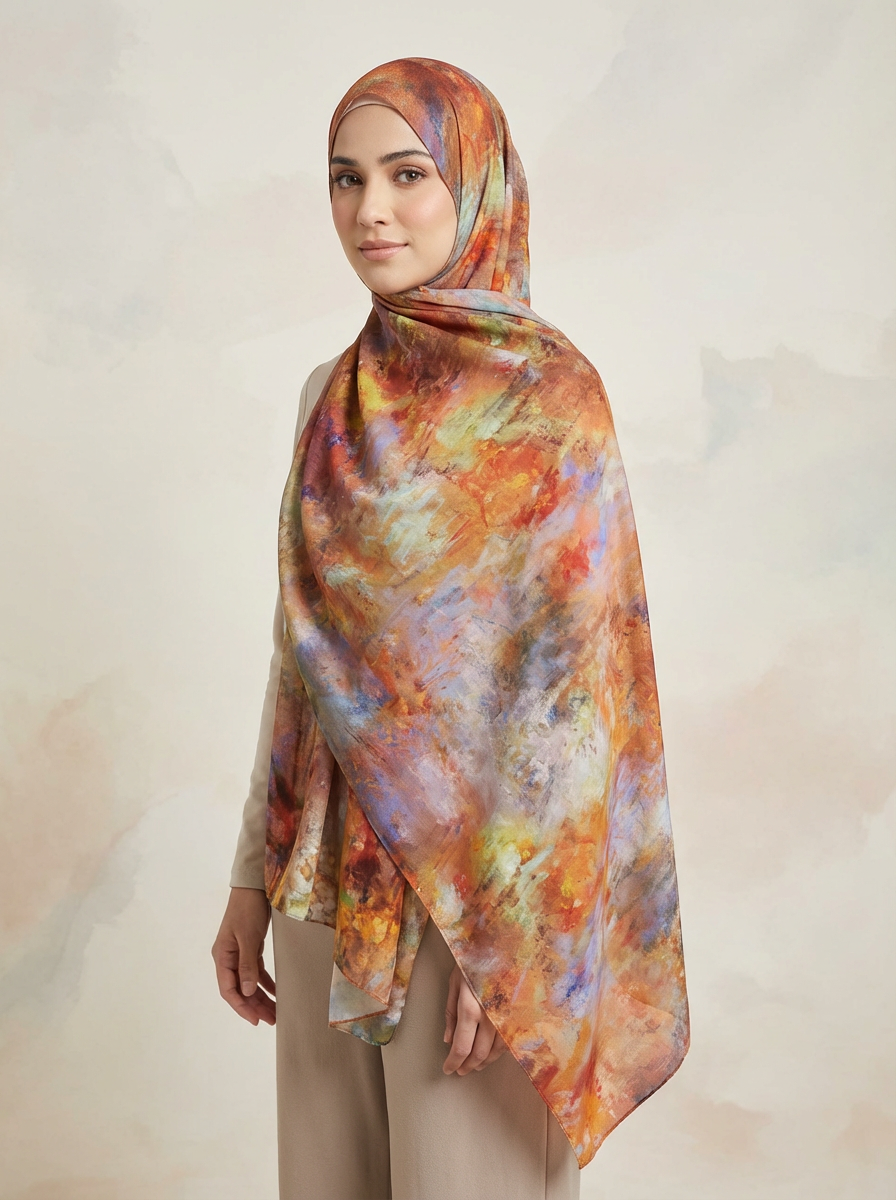
The quality of hijabs in real-world use depends heavily on the finishing techniques applied during manufacturing. While fabric selection forms the foundation, finishing processes determine how hijabs respond to daily wear, frequent washing, and environmental exposure. Professional finishing transforms raw fabric into textiles that maintain their softness against skin while resisting wear patterns that develop through folding, pinning, and movement. Understanding which finishing techniques directly enhance both tactile comfort and structural longevity helps buyers identify hijabs engineered for sustained performance rather than those that deteriorate after limited use cycles.
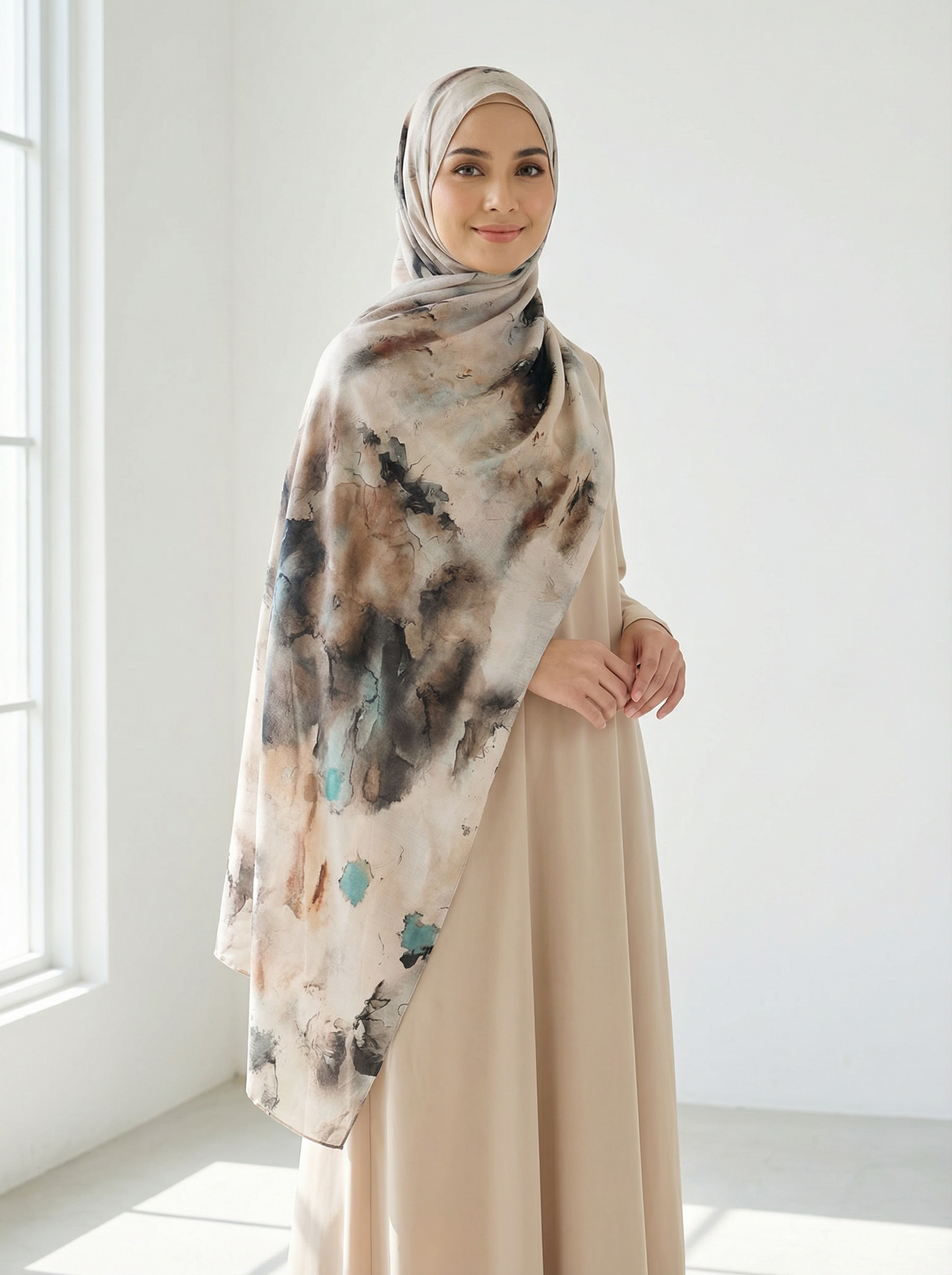
The finishing stage represents the final opportunity to engineer fabric characteristics that align with how hijabs actually function in daily routines. Techniques applied at this phase modify surface properties, stabilize fiber structures, and introduce protective treatments that extend usable life without compromising the drape and breathability essential to hijab functionality. Effective finishing balances competing requirements where softness enhancements must not reduce abrasion resistance, and durability treatments must not create stiffness or texture changes. This article examines specific finishing methods proven to improve both softness perception and wear resistance in hijabs subjected to realistic usage conditions including repeated laundering, friction from securing pins, and exposure to body oils and environmental contaminants.
Mechanical Finishing Methods That Enhance Surface Softness
Brushing and Sueding Processes for Textile Softness
Mechanical brushing employs cylindrical rollers covered with fine wire bristles or abrasive materials that gently lift surface fibers on hijabs, creating a raised nap that increases perceived softness. This technique works particularly well on modal, rayon, and cotton-blend hijabs where the process disrupts the compact surface structure without damaging underlying yarns. The brushed surface creates microscopic fiber projections that reduce direct skin contact with the fabric base, producing a cushioned feel that enhances comfort during extended wear. Quality brushing maintains consistent fiber orientation to prevent pilling formation while achieving the desired soft hand feel.
Sueding takes mechanical surface modification further by using fine abrasive rollers that create an ultra-soft peach-skin texture on hijabs. This finishing technique removes protruding fiber ends and smooths yarn surfaces to eliminate any roughness that might cause irritation or catch on jewelry and clothing. The sueding process generates a velvety surface particularly valued in hijabs worn directly against facial skin where texture sensitivity remains highest. Properly calibrated sueding depth maintains fabric strength while achieving softness improvements, with industrial parameters adjusted based on fiber type and fabric weight to prevent excessive thinning that would compromise durability.
Calendering Techniques for Controlled Fabric Smoothness
Calendering passes hijabs through heated roller systems under controlled pressure to modify surface characteristics and enhance smoothness. This mechanical finishing compresses yarns and flattens surface irregularities without chemical intervention, producing hijabs with improved luster and reduced surface friction. The temperature and pressure parameters determine whether calendering creates temporary smoothness requiring renewal after washing or more permanent modifications that survive multiple laundry cycles. For hijabs requiring both softness and easy care maintenance, moderate calendering paired with other finishing techniques delivers balanced performance without creating excessive slipperiness that complicates secure draping.
Specialized calendering variations including schreiner calendering create fine-line embossing patterns that scatter light and generate visual appeal while maintaining the soft hand essential to quality hijabs. These micro-patterns also reduce fabric-to-fabric friction, allowing hijabs to layer smoothly without bunching or creating pressure points. The calendering process must account for fiber composition since natural fibers respond differently than synthetics to heat and pressure combinations. Well-executed calendering on hijabs enhances drape characteristics alongside softness improvements, producing fabrics that flow naturally and resist the stiff appearance associated with poorly finished textiles.
Chemical Finishing Treatments for Softness Enhancement
Silicone-Based Softening Agents
Silicone softeners represent the most widely adopted chemical finishing for improving hijabs softness due to their effectiveness across diverse fiber types and excellent wash durability. These compounds create microscopic polymer films around individual fibers, reducing inter-fiber friction and producing smooth surface characteristics that persist through numerous washing cycles. Silicone finishing on hijabs delivers immediate softness perception while maintaining breathability since the treatment layers remain thin enough not to block airflow through the fabric structure. Advanced amino-functional silicones bond chemically with textile fibers rather than merely coating surfaces, resulting in permanent softness enhancement resistant to degradation from laundering and wear.
The application method for silicone softeners significantly affects performance outcomes in finished hijabs. Pad-batch techniques thoroughly saturate fabrics with softening formulations before controlled curing, ensuring uniform distribution and optimal bonding. Exhaust application in jet dyeing machines allows simultaneous coloration and softening, reducing processing steps while achieving integrated performance characteristics. Silicone concentration must be carefully controlled since excessive application creates undesirable slipperiness that interferes with hijab securing methods, while insufficient treatment fails to deliver noticeable softness improvements. Modern micro-emulsion silicone formulations provide enhanced penetration into fiber bundles, softening hijabs throughout their cross-section rather than only at surfaces.
Enzymatic Bio-Finishing for Natural Softness
Enzymatic finishing employs cellulase enzymes that selectively degrade protruding cellulosic fiber ends on cotton and rayon hijabs, removing surface irregularities responsible for roughness and pilling tendency. This biological approach to softening works by controlled hydrolysis of amorphous cellulose regions while preserving crystalline fiber core structures that provide strength. Enzyme-treated hijabs exhibit clean surfaces free from microfibrils that contribute to abrasive feel and tendency to pill with wear. The bio-finishing process creates permanent softness improvements that cannot wash out since it physically modifies fiber surfaces rather than applying removable coatings.
Neutral cellulase enzymes operate effectively at moderate temperatures and pH levels compatible with delicate hijab fabrics, allowing softness enhancement without color damage or strength loss concerns associated with harsher chemical treatments. The enzymatic action continues during the treatment phase until deactivated by temperature elevation or pH adjustment, requiring precise process control to achieve target softness levels without excessive fiber degradation. For modal and viscose hijabs, enzyme finishing reduces the tendency toward surface fibrillation that occurs with washing, maintaining smooth hand feel throughout the garment life cycle. This finishing technique aligns particularly well with sustainable manufacturing priorities since enzymes represent biodegradable processing aids with minimal environmental impact compared to synthetic chemical alternatives.
Durability-Focused Finishing Technologies
Resin Finishing for Dimensional Stability
Cross-linking resin treatments applied to hijabs create inter-fiber bonds that stabilize fabric dimensions and reduce shrinkage during washing and wear. These finishing agents polymerize within the textile structure, forming three-dimensional networks that anchor yarns in position while allowing sufficient flexibility for normal draping. Properly formulated resin finishes maintain hijabs appearance through repeated use cycles by preventing the distortion and puckering that develop when untreated fabrics relax from manufacturing tensions. The dimensional stability provided by resin finishing proves particularly valuable for printed and dyed hijabs where pattern alignment and color uniformity depend on consistent fabric geometry.
Low-formaldehyde and formaldehyde-free resin systems address health and environmental concerns while delivering effective durability enhancement to hijabs. These modern cross-linking agents cure at moderate temperatures to form stable bonds resistant to hydrolysis during laundering. The resin application level must be optimized since excessive treatment creates stiffness and reduces the soft hand essential to quality hijabs, while insufficient cross-linking fails to provide adequate dimensional control. Combining low-level resin finishing with mechanical softening techniques allows manufacturers to achieve both durability and softness objectives without compromising either performance attribute.
Abrasion Resistance Enhancement Treatments
Specialized finishing treatments improve hijabs resistance to abrasion damage from friction against pins, brooches, and repeated folding at consistent creases. Polymer-based abrasion resistance agents penetrate yarn structures to reinforce fiber surfaces and increase resistance to mechanical degradation. These treatments prove essential for hijabs subjected to daily pinning where concentrated stress repeatedly affects specific fabric areas. Enhanced abrasion resistance extends usable life by preventing the fiber breakdown and thinning that eventually leads to hole formation at high-wear locations.
The effectiveness of abrasion resistance finishing depends on selecting agents compatible with the base fiber chemistry and ensuring uniform application throughout the fabric. Acrylic-based treatments provide excellent durability enhancement for natural fiber hijabs while maintaining acceptable softness levels when applied at appropriate concentrations. For synthetic fiber hijabs, specialized polyurethane formulations offer superior abrasion protection without creating the coating buildup that reduces breathability and drape quality. Testing abrasion resistance using standardized methods such as Martindale testing allows manufacturers to verify that finished hijabs meet performance thresholds appropriate for their intended use intensity and expected lifespan.
Integrated Finishing Sequences for Balanced Performance
Sequential Treatment Protocols
Achieving optimal softness and durability in hijabs typically requires carefully sequenced finishing protocols rather than single-step treatments. Sequential finishing begins with mechanical processes such as brushing or sueding to establish base softness characteristics, followed by chemical treatments that enhance and stabilize these properties. The process sequence matters significantly since certain treatments can interfere with subsequent steps if applied in incorrect order. For example, heavy silicone softening applied before enzymatic treatment may block enzyme access to cellulosic fibers, reducing bio-finishing effectiveness.
Effective sequential finishing protocols for hijabs often combine initial dimensional stabilization through resin treatment, followed by enzymatic surface cleaning, then final silicone softening to optimize hand feel. This sequence ensures that durability enhancements lock fabric geometry before softness treatments that might otherwise affect dimensional stability. Between finishing stages, thorough rinsing removes residual chemicals and reaction byproducts that could interfere with subsequent treatments or cause discoloration during storage. The complexity of multi-step finishing requires sophisticated process control and quality monitoring to maintain consistency across production batches and ensure all hijabs meet specified performance criteria.
Synergistic Treatment Combinations
Certain finishing combinations produce synergistic effects where combined treatments deliver performance exceeding the sum of individual contributions. Pairing low-concentration resin finishing with optimized silicone application allows hijabs to achieve excellent dimensional stability alongside superior softness without the stiffness that higher resin levels would create. The resin network provides structural reinforcement while silicone lubrication reduces inter-fiber friction, creating fabrics that maintain shape while feeling exceptionally soft. These synergistic combinations require careful formulation work since component interactions can either enhance or diminish individual treatment effectiveness.
Another effective synergy combines enzymatic bio-polishing with micro-silicone emulsion finishing on cellulosic hijabs. The enzyme treatment removes fiber projections and creates clean surfaces, while subsequent micro-silicone application coats the smoothed fibers with lubricating polymer layers. This combination produces hijabs with exceptional softness and reduced pilling tendency compared to either treatment alone. Understanding which finishing combinations work synergistically for specific fiber types allows manufacturers to optimize performance while potentially reducing overall chemical usage compared to single-agent approaches requiring higher concentrations to achieve similar results. Testing various treatment sequences and combinations during product development identifies optimal protocols for each hijab construction and fiber composition.
Practical Durability Considerations in Real Use
Laundering Durability and Finish Retention
The practical durability of finishing treatments on hijabs depends critically on their resistance to degradation during home laundering. Softness enhancements must survive repeated washing in varied water conditions and detergent types to deliver sustained performance benefits. Silicone-based finishes generally offer excellent wash durability with gradual rather than sudden performance loss over dozens of laundry cycles. Enzymatic modifications create permanent structural changes that cannot wash out, though the surface smoothness achieved may gradually diminish as new microfibrils develop with continued wear and washing.
Testing laundering durability requires subjecting finished hijabs to multiple standardized wash and dry cycles followed by evaluation of softness retention using instrumental measurements and subjective assessment panels. Quality finishing maintains at least seventy percent of initial softness enhancement after twenty home laundering cycles under normal conditions. Manufacturers should provide care instructions optimized for finish preservation, typically recommending gentle wash settings, moderate temperatures, and liquid detergents that minimize mechanical action and chemical stress on treated fibers. Understanding realistic laundering durability helps set appropriate expectations and guides consumers toward care practices that maximize the effective lifespan of finished hijabs.
Physical Wear Pattern Resistance
Beyond laundering stress, hijabs experience physical wear from repeated folding, pinning, and fabric-to-fabric friction during normal use. Finishing treatments must maintain effectiveness in areas subjected to concentrated mechanical stress such as pin insertion points and edges exposed to repeated handling. Abrasion-resistant finishes prove most valuable at these high-stress locations, while generalized softness treatments enhance comfort across the entire fabric surface. Evaluating wear pattern resistance requires testing protocols that simulate actual use conditions including repeated pin insertion, edge folding, and surface friction representative of daily hijab wearing and securing.
Well-finished hijabs maintain structural integrity and appearance even as they accumulate significant use hours across months of regular wearing. The fabric should resist thinning at pin sites, avoid developing permanent creases at repeated fold lines, and maintain color uniformity without the fading or abraded appearance that indicates finishing inadequacy. Quality control testing should include accelerated wear simulation to identify potential durability issues before products reach consumers. Manufacturers achieving superior wear resistance often employ layered finishing approaches where base durability treatments protect fabric structure while surface softening maintains comfort characteristics. This engineering approach recognizes that different fabric zones experience varying stress types and intensities during real use.
FAQ
How do finishing techniques affect the breathability of hijabs?
Modern finishing techniques applied at appropriate levels maintain or minimally impact hijabs breathability since treatments focus on surface modification rather than pore blocking. Silicone softeners form thin molecular layers that do not significantly obstruct air passage through fabric interstices. Enzymatic and mechanical finishes actually improve breathability by removing surface fiber debris that could restrict airflow. Heavy resin applications or excessive polymer coating can reduce breathability, which is why quality manufacturers carefully control treatment concentrations and select finishing agents specifically formulated to preserve fabric airflow characteristics essential to hijab comfort during extended wear.
Can finishing treatments cause skin sensitivity or allergic reactions?
Properly executed finishing using modern low-impact agents presents minimal skin sensitivity risk for most users. Formaldehyde-free resin systems and thoroughly rinsed silicone treatments leave negligible residues that could trigger reactions. However, individuals with specific chemical sensitivities should verify that hijabs undergo complete post-finishing washing to remove unreacted chemicals and processing aids. Reputable manufacturers conduct dermatological testing and provide certification documentation for finishing agents used on hijabs intended for direct skin contact. Enzyme-based bio-finishing represents an inherently low-risk approach since protein enzymes are thoroughly deactivated and rinsed away after treatment, leaving only the physical fiber modifications without persistent chemical residues.
Do premium finishing techniques justify higher hijab prices?
Advanced finishing techniques requiring multi-step processing, specialized equipment, and premium chemical formulations do increase manufacturing costs, which typically translates to higher retail prices for finished hijabs. However, the performance benefits including enhanced softness, superior durability, and extended usable life often provide strong value justification. A moderately priced hijab with excellent finishing may deliver better long-term value than cheaper alternatives requiring frequent replacement due to rapid deterioration. Buyers should evaluate finishing quality through tactile assessment and manufacturer transparency regarding treatment methods used rather than assuming price directly correlates with performance, since some premium pricing reflects brand positioning rather than superior technical finishing.
How can consumers identify well-finished hijabs before purchase?
Evaluating finishing quality before purchase involves several practical assessment techniques. Examine fabric surfaces under good lighting for uniformity and absence of irregularities or fiber projections indicating incomplete finishing. Gently rub fabric between fingers to assess softness and note whether the texture feels consistent across the entire piece. Quality finishing produces uniform hand feel without areas of unexpected stiffness or roughness. Check edges and hems for clean finishing without fraying, which indicates adequate stabilization treatments. If possible, review manufacturer specifications describing finishing methods used and any performance testing conducted. Customer reviews mentioning how hijabs perform after multiple washes provide valuable real-world durability information that supplements initial tactile assessment.