
 EN
EN



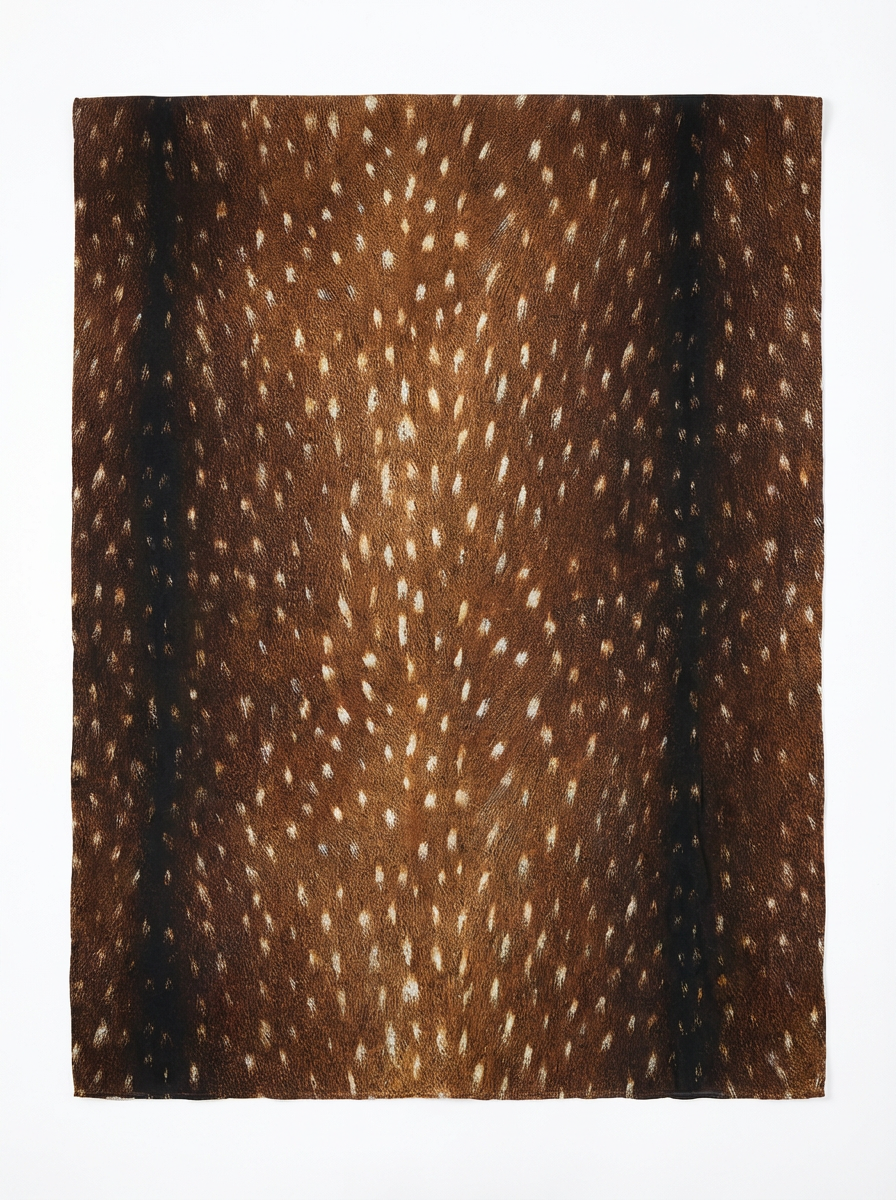
Quality consistency across production batches remains a fundamental challenge in hijab manufacturing, directly impacting brand reputation and customer loyalty. When manufacturers struggle to maintain uniform standards, customers receive products with noticeable variations in fabric weight, color accuracy, stitching precision, and finishing quality. Understanding the specific factors that drive these inconsistencies enables manufacturers to implement targeted quality control measures and helps buyers establish more effective supplier evaluation criteria. The complexity of hijab production involves numerous interdependent variables, from raw material sourcing to final packaging, each capable of introducing variation if not properly controlled.

The pathway from raw fiber to finished hijab involves multiple transformation stages where quality consistency can diverge. Fabric suppliers may source cotton or polyester from different regional harvests with inherent property variations. Dyeing facilities operate under fluctuating environmental conditions that affect color uptake and fastness. Cutting rooms experience operator fatigue patterns that influence precision. Sewing departments rotate workers across different skill levels. These cumulative influences create a quality consistency challenge that requires systematic analysis and control rather than reactive inspection alone. Manufacturers who achieve reliable batch-to-batch consistency typically implement comprehensive monitoring systems that address material variables, process parameters, human factors, and environmental conditions simultaneously.
Raw Material Sourcing and Fiber Characteristics
Supplier Variability in Fiber Quality
The foundation of consistent hijab quality begins with raw material selection and supplier management practices. Fiber suppliers often source cotton, viscose, polyester, or silk blends from multiple growing regions or production facilities, each delivering materials with slightly different characteristics. Cotton fibers vary in staple length, strength, and micronaire based on growing conditions, harvest timing, and ginning processes. Polyester filaments differ in denier, tenacity, and cross-sectional shape depending on polymerization conditions and extrusion parameters. When fabric mills switch between fiber lots without proper testing and adjustment, these variations transfer directly into the base fabric used for hijabs, creating inconsistencies before manufacturing even begins.
Professional hijab manufacturers establish approved supplier lists with documented fiber specifications and conduct incoming material testing on every shipment. This testing should include fiber length distribution analysis, tensile strength measurement, moisture content verification, and visual inspection for contamination. Manufacturers who skip this verification step discover quality problems only after fabric has been cut and sewn, when correction becomes expensive and time-consuming. The cost of incoming material testing represents a small fraction of the expense associated with rejected finished goods or customer complaints about fabric performance variation.
Yarn Construction and Spinning Consistency
The transformation from fiber to yarn introduces additional variables that influence final hijab quality consistency. Spinning mills control parameters including twist per inch, yarn count uniformity, and the presence of thick or thin places that create fabric irregularities. Ring spinning, open-end spinning, and air-jet spinning technologies each produce yarn with different surface characteristics and strength profiles. Inconsistent yarn quality manifests in finished hijabs as irregular surface texture, variable drape characteristics, and uneven dye absorption. Mills operating older equipment without modern monitoring systems produce yarn with greater variation compared to facilities using automated quality control technology.
Fabric suppliers serving the hijab industry should provide yarn quality certificates documenting evenness coefficient, imperfection index, and tenacity measurements. These technical specifications allow manufacturers to identify problematic yarn lots before weaving or knitting occurs. When suppliers change yarn sources without notification, hijab manufacturers may discover consistency problems only after completing production runs. Establishing contractual requirements for advance notification of any input material changes provides protection against unexpected quality shifts between production batches of hijabs.
Fabric Production and Treatment Processes
Weaving and Knitting Process Control
The conversion of yarn into fabric through weaving or knitting represents another critical control point for hijab quality consistency. Loom settings including warp tension, filling insertion rate, reed density, and take-up speed must remain stable across production runs to maintain consistent fabric weight and dimensional stability. Circular knitting machines require precise control of stitch length, fabric width, and tension to avoid variations in stretch properties and weight per square meter. Operators who adjust machine settings to compensate for minor yarn irregularities may inadvertently create larger consistency problems if changes are not properly documented and standardized.
Temperature and humidity conditions in weaving and knitting facilities significantly affect fabric characteristics, particularly for natural fiber hijabs. Cotton and viscose fabrics absorb or release moisture based on ambient conditions, causing dimensional changes during production. Facilities without climate control experience seasonal variations in fabric width, weight, and hand feel. Professional manufacturers maintain controlled environments with 65% relative humidity and temperatures between 20-24 degrees Celsius to minimize process-related quality fluctuations. Investment in environmental control systems pays dividends through improved consistency and reduced fabric defects.
Dyeing and Finishing Uniformity
Color consistency represents one of the most visible quality attributes affecting customer perception of hijabs. Dyeing processes depend on precise control of dye concentration, liquor ratio, temperature ramp rates, pH levels, and processing time. Batch-to-batch variations in any of these parameters produce noticeable color differences that customers immediately recognize. Water quality fluctuations, particularly variations in hardness, pH, and dissolved metal content, alter dye chemistry and produce unexpected color shifts. Dyehouses serving multiple clients often switch between color recipes rapidly, increasing the risk of contamination or incomplete recipe changeover.
Instrumental color measurement using spectrophotometers provides objective assessment of batch consistency, removing subjective visual evaluation that varies with lighting conditions and observer experience. Professional hijab manufacturers specify acceptable color tolerance using CIELAB color space parameters, typically requiring delta E values below 1.0 for批次-to-batch consistency. Finishing treatments including softening, anti-static application, and wrinkle resistance also require process control to maintain consistent fabric hand and performance characteristics. Finishing chemical suppliers should provide application guidelines specifying concentration ranges, temperature requirements, and cure conditions to minimize variation.
Manufacturing Process Variables and Human Factors
Cutting Precision and Pattern Consistency
The accuracy of pattern cutting directly influences the final dimensions and appearance uniformity of hijabs across production batches. Manual cutting operations introduce variation based on operator skill, fatigue levels, and blade sharpness. Patterns that shift during multi-layer cutting create pieces with different dimensions, leading to hijabs with inconsistent coverage area or edge alignment. Fabric spreading techniques affect whether material lies flat without wrinkles or tension, which influences cutting accuracy. Facilities using manual spreading and cutting typically experience greater dimensional variation compared to operations using automated spreading systems and computer-controlled cutting equipment.
Pattern piece labeling and organization systems prevent mixing of components from different fabric lots or color batches during assembly. When cutting rooms process multiple fabric deliveries simultaneously without proper lot identification, sewers may unknowingly combine pieces from batches with slightly different shade or texture. This creates finished hijabs with visible inconsistencies that require costly rework or rejection. Implementing barcode tracking or RFID systems for cut components provides traceability and prevents inadvertent mixing of materials from different production lots.
Sewing Quality and Operator Skill Variation
Stitch quality consistency depends on machine maintenance, thread selection, and operator expertise. Poorly maintained sewing machines produce irregular stitches, skipped stitches, or excessive thread tension that weakens seams and creates visible quality defects in hijabs. Thread that does not match the fabric fiber content may shrink at different rates during laundering, causing seam puckering. Operators with different skill levels produce seams with varying straightness, consistent seam allowances, and edge finishing quality. High operator turnover rates correlate with increased quality variation as new workers learn proper techniques.
Standardized work instructions with visual guides help reduce operator-related variation by clearly defining acceptable quality standards and proper sewing techniques. Regular training refreshers and skill assessment programs identify operators who need additional coaching before quality problems accumulate. Sewing machine preventive maintenance schedules should include cleaning, lubrication, timing adjustment, and needle replacement at specified intervals rather than waiting for visible problems to emerge. Thread suppliers should provide recommendations for needle size, thread tension settings, and stitch density appropriate for specific hijab fabric types.
Environmental Conditions and Equipment Maintenance
Climate Control and Seasonal Variation
Manufacturing environment conditions exert subtle but cumulative effects on hijab quality consistency throughout production. Fabric properties change with temperature and humidity fluctuations, affecting how material feeds through sewing machines, how seams form, and how finished products drape. During humid summer months, natural fiber hijabs absorb moisture, becoming heavier and stretching more easily during handling. In dry winter conditions, synthetic fabrics generate static electricity that causes feeding problems and attracts dust particles. These seasonal variations create quality differences between production batches manufactured at different times of year unless environmental conditions remain controlled.
Professional facilities invest in HVAC systems that maintain consistent temperature and humidity year-round, particularly in cutting, sewing, and quality inspection areas. Humidification systems prevent static buildup on synthetic hijabs while dehumidification prevents moisture-related dimensional changes in natural fiber products. Lighting quality and consistency also affects inspection accuracy, with facilities using daylight-balanced LED systems achieving better defect detection compared to operations relying on inconsistent natural light or low-quality fluorescent fixtures.
Equipment Calibration and Maintenance Programs
Production equipment gradually drifts from optimal settings through normal wear, creating progressive quality degradation if not corrected through systematic maintenance. Sewing machine timing, tension assemblies, and feed dog mechanisms require periodic adjustment to maintain consistent stitch formation. Cutting blades dull progressively, requiring more frequent replacement as production volume increases. Pressing equipment temperature calibration drifts, potentially damaging heat-sensitive hijab fabrics if not monitored. Facilities lacking preventive maintenance programs experience equipment-related quality variation that appears as inconsistency between production batches.
Implementing total productive maintenance principles ensures equipment remains in optimal condition throughout production runs. Maintenance schedules should specify daily operator checks, weekly technical inspections, and monthly calibration verification procedures. Documenting maintenance activities creates records that support root cause analysis when quality problems emerge. Equipment suppliers often provide recommended maintenance intervals and procedures specific to their machinery, which should be incorporated into facility maintenance programs rather than relying solely on reactive repairs after breakdowns occur.
Quality Control Systems and Process Documentation
Statistical Process Control Implementation
Systematic quality monitoring using statistical process control techniques identifies process trends before they produce defective hijabs. Measuring critical quality attributes at defined intervals throughout production generates data that reveals whether processes remain stable or drift toward out-of-control conditions. Control charts for attributes like stitch density, seam strength, dimensional accuracy, and color consistency provide early warning of problems requiring corrective action. Facilities that inspect only finished products discover quality issues too late to prevent batch inconsistency, whereas in-process monitoring enables real-time correction.
Establishing appropriate sampling plans balances inspection cost against the risk of accepting defective batches. For critical quality characteristics that strongly influence customer satisfaction, more frequent sampling provides better process control. Less critical attributes may require only periodic verification. Statistical software tools calculate control limits based on process capability data, removing subjective judgment about whether observed variation falls within acceptable ranges. Training quality personnel in statistical methods ensures they understand control chart interpretation and know when to stop production for investigation versus when observed variation represents normal process behavior.
Traceability Systems and Batch Documentation
Comprehensive traceability systems link finished hijabs back through manufacturing operations to specific raw material lots, enabling precise root cause analysis when quality problems emerge. Recording fabric lot numbers, dye batch identifiers, cutting dates, operator assignments, and machine numbers for each production batch creates an audit trail that supports investigation efforts. When customers report quality issues, manufacturers with complete traceability quickly identify whether problems affect single batches or represent systemic issues requiring broader corrective action.
Digital manufacturing execution systems automate much of the documentation burden while improving data accuracy compared to paper-based record keeping. Barcode scanning or RFID tracking at each production stage captures real-time process data without requiring manual record entry. This information feeds into quality management databases that support statistical analysis and trend identification. Cloud-based systems enable remote monitoring by quality managers and provide customers with transparency into manufacturing quality control practices, building confidence in batch consistency capabilities.
FAQ
How can small hijab manufacturers improve batch consistency without expensive equipment?
Small manufacturers can achieve significant consistency improvements through standardized work procedures, operator training programs, and basic incoming material inspection. Creating detailed work instructions with photos showing acceptable quality standards helps operators understand expectations. Implementing simple checklists for equipment setup verification before each production run reduces setup-related variation. Purchasing fabric from single dye lots in larger quantities minimizes color variation. Using the same equipment operators for specific product styles builds skill consistency. These low-cost approaches often deliver greater consistency improvements than equipment investments alone.
What are the most common causes of color variation between hijab batches?
Color variation typically results from inconsistent dyeing process parameters, water quality changes, mixing of fabric from different dye lots, or insufficient color fastness allowing fading during storage. Dyehouses that fail to control temperature ramp rates, pH levels, or processing times produce batches with noticeable shade differences. Hard water containing calcium and magnesium ions interferes with dye chemistry. Fabric stored in direct sunlight or high humidity may fade before manufacturing begins. Requesting dye lot certificates from fabric suppliers and conducting incoming color verification prevents many batch consistency problems.
How does operator training impact hijab quality consistency?
Well-trained operators produce more consistent work because they understand quality standards, recognize potential problems early, and apply standardized techniques. Training programs should cover proper machine setup, quality specifications for each product style, troubleshooting common problems, and when to request supervisor assistance. Regular refresher training maintains skills and introduces improved techniques. Facilities with comprehensive training programs experience lower defect rates, less rework, and better batch-to-batch consistency compared to operations relying on informal on-the-job learning.
What role does fabric testing play in maintaining hijab quality consistency?
Fabric testing identifies material variations before manufacturing begins, preventing quality problems from propagating through production. Testing should verify fabric weight, width, color accuracy, shrinkage tendency, and strength properties against specifications. Materials failing acceptance criteria can be rejected or segregated for alternative uses rather than mixed into standard production. Testing results provide objective evidence for supplier quality discussions and support continuous improvement initiatives. Manufacturers conducting thorough incoming inspection achieve better batch consistency than those relying solely on supplier certifications without verification.
Table of Contents
- Raw Material Sourcing and Fiber Characteristics
- Fabric Production and Treatment Processes
- Manufacturing Process Variables and Human Factors
- Environmental Conditions and Equipment Maintenance
- Quality Control Systems and Process Documentation
-
FAQ
- How can small hijab manufacturers improve batch consistency without expensive equipment?
- What are the most common causes of color variation between hijab batches?
- How does operator training impact hijab quality consistency?
- What role does fabric testing play in maintaining hijab quality consistency?