
 EN
EN


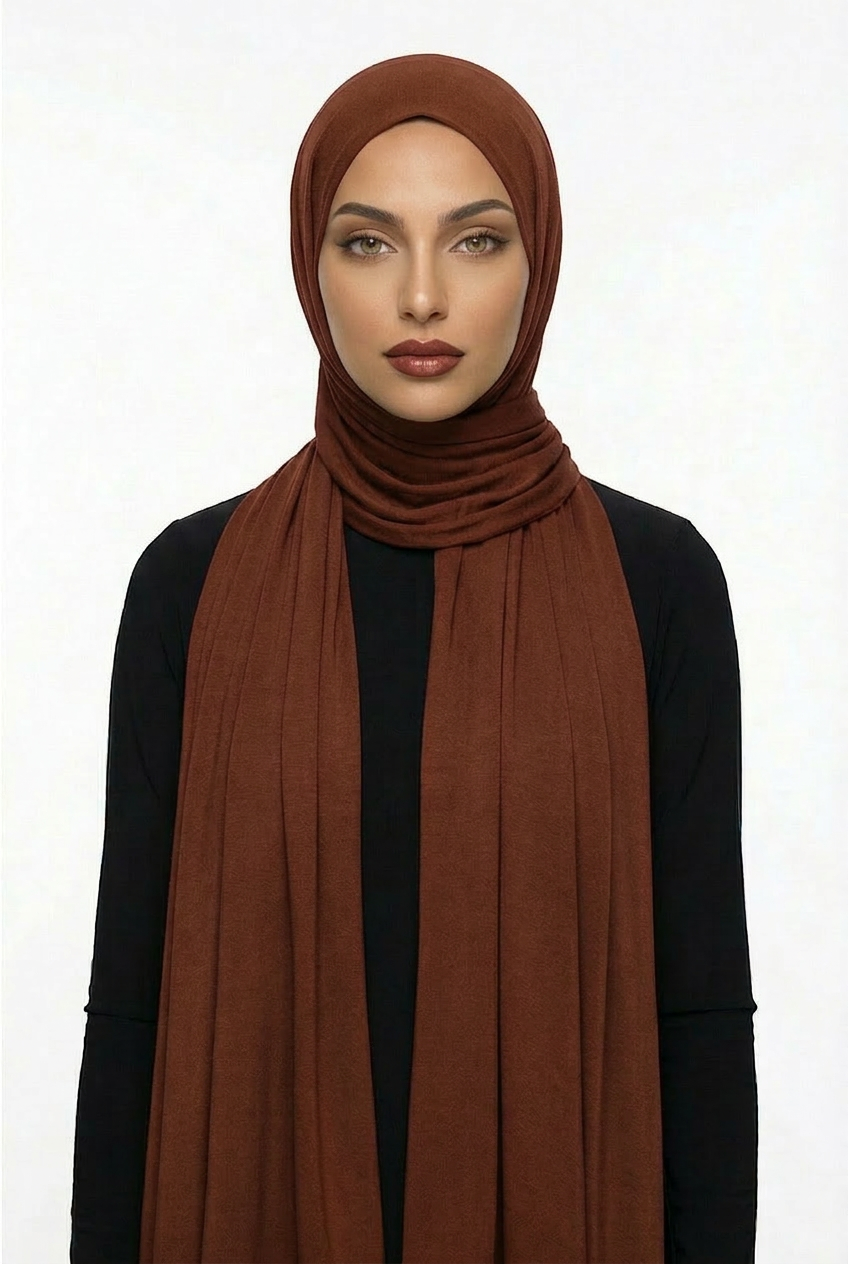
The global modest fashion market has experienced remarkable growth over the past decade, with hijab women representing one of its most dynamic consumer segments. As textile manufacturers and fashion brands respond to evolving preferences, fabric innovation has emerged as the central driver transforming how hijab women products are conceived, manufactured, and marketed. This transformation extends beyond aesthetic considerations to encompass performance characteristics, sustainability credentials, cultural sensitivity, and technological integration that collectively redefine what modern hijab women expect from their garments.
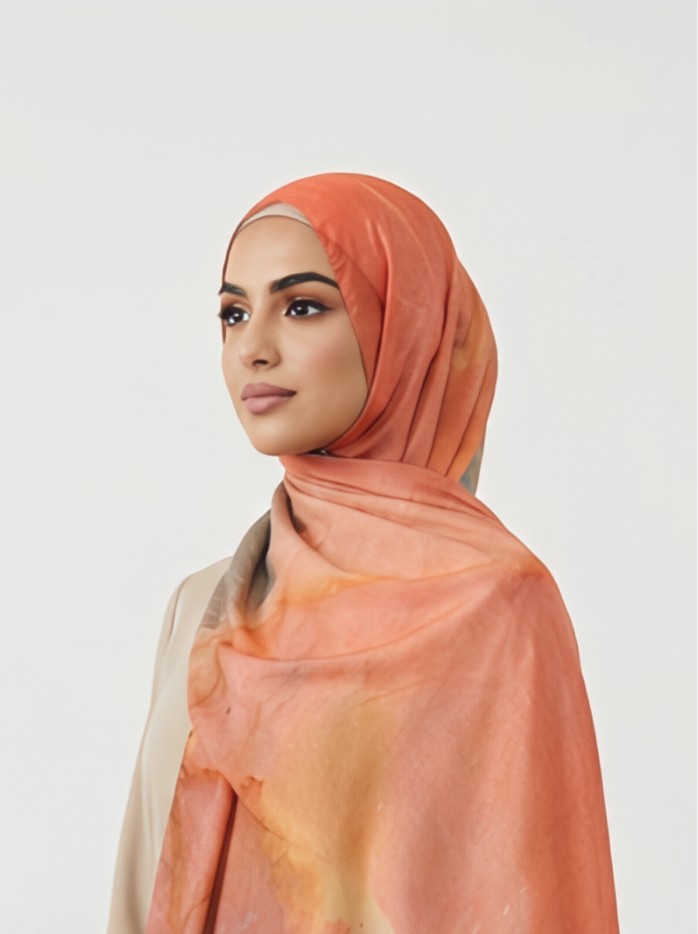
Understanding these fabric innovations requires examining the intersection of material science, manufacturing technology, consumer demand patterns, and cultural requirements that shape product development. The textile industry has moved beyond traditional cotton and polyester offerings to engineer specialized fabrics that address specific functional needs while maintaining the aesthetic and cultural values central to hijab women worldwide. These innovations span molecular fiber engineering, sustainable production methodologies, smart textile integration, and finishing treatments that deliver unprecedented combinations of comfort, durability, and style.
Advanced Fiber Engineering Transforming Hijab Women Textile Performance
Microfiber Technology Enhancing Drape and Comfort
Microfiber technology has fundamentally altered how manufacturers approach fabric development for hijab women products. These ultra-fine synthetic fibers, typically measuring less than one denier in thickness, create textiles with exceptional softness, lightweight characteristics, and superior draping qualities that traditional fabrics cannot match. The molecular structure of microfibers allows for densely woven fabrics that remain breathable while providing excellent opacity, addressing a primary concern for hijab women seeking modesty without sacrificing comfort in warm climates.
The engineering process behind microfiber production involves extruding polymers through microscopic spinnerets, creating filaments that can be woven into fabrics with surface areas dramatically larger than conventional fibers. This increased surface area translates to improved moisture management, as the fabric can absorb and evaporate perspiration more efficiently. For hijab women in tropical and subtropical regions, this moisture-wicking capability represents a significant quality-of-life improvement, particularly for full-coverage garments worn throughout extended periods in challenging environmental conditions.
Contemporary microfiber fabrics designed specifically for hijab women often incorporate bi-component fiber structures that combine different polymers within individual filaments. This innovation enables manufacturers to engineer fabrics with gradient properties, where the interior surface optimizes moisture transport while the exterior maintains color vibrancy and resistance to environmental degradation. Such technical sophistication demonstrates how fabric innovation directly responds to the complex performance requirements that hijab women articulate through market feedback and cultural consultation.
Modal and Bamboo-Based Cellulosic Innovations
Natural cellulosic fibers have experienced a renaissance through advanced processing techniques that preserve environmental benefits while enhancing performance characteristics. Modal fiber, derived from sustainably harvested beech trees through a closed-loop production process, has gained significant traction in hijab women product lines due to its exceptional softness, color retention, and dimensional stability. Unlike conventional rayon, modal production recovers and reuses processing chemicals, reducing environmental impact while producing fibers with superior strength in both dry and wet states.
The molecular structure of modal fibers features a higher degree of crystallinity compared to standard viscose, resulting in fabrics that resist pilling, maintain shape integrity through repeated laundering, and exhibit minimal shrinkage. These properties address practical concerns for hijab women who require garments that maintain professional appearance standards throughout extended wear cycles. The fiber's natural moisture absorption capacity, approximately fifty percent higher than cotton, provides inherent comfort without chemical treatments that might compromise skin compatibility or environmental sustainability.
Bamboo-derived cellulosic fibers represent another significant innovation, though their environmental credentials depend heavily on processing methodology. Mechanically processed bamboo linen retains the plant's natural antimicrobial properties and biodegradability, while chemically processed bamboo rayon offers superior softness and drapability. Forward-thinking manufacturers serving hijab women markets are increasingly adopting closed-loop lyocell processes that combine bamboo's rapid renewability with responsible chemical management, creating fabrics that satisfy both performance expectations and sustainability values increasingly important to contemporary Muslim consumers.
Engineered Stretch and Recovery Systems
Elastane integration has evolved beyond simple stretch provision to encompass sophisticated recovery systems that maintain garment shape and fit throughout extended wear periods. Modern hijab women products incorporate precisely calibrated elastane percentages, typically ranging from two to eight percent depending on garment type and intended use, engineered to provide directional stretch that accommodates movement without compromising coverage or creating unwanted cling. This technical precision requires careful consideration of knit structure or weave architecture to ensure elastane filaments are positioned and tensioned to deliver consistent recovery characteristics.
The latest generation of stretch technologies employs covered elastane yarns where the elastic core is wrapped with natural or synthetic fibers, protecting the elastane from degradation caused by body oils, cosmetics, and environmental exposure while improving fabric hand and appearance. For hijab women who wear garments in direct contact with skin and hair for extended periods, this protection significantly extends garment lifespan and maintains performance characteristics through hundreds of wear and launder cycles. Additionally, covered yarn construction enables more effective dye uptake in surrounding fibers, ensuring color consistency across the fabric surface.
Emerging alternatives to traditional elastane include polytrimethylene terephthalate fibers that provide permanent stretch and recovery through molecular structure rather than elastic properties. These innovations offer potential advantages for hijab women products including superior chlorine resistance for active wear applications, reduced environmental impact through bio-based feedstock options, and softer hand characteristics that enhance comfort during extended wear. As these technologies mature and achieve cost competitiveness with conventional elastane systems, they are likely to reshape fabric specifications across multiple product categories within the modest fashion sector.
Functional Finishing Technologies Addressing Hijab Women Lifestyle Needs
Moisture Management and Thermal Regulation Systems
Advanced finishing technologies have transformed basic textile substrates into performance fabrics that actively manage microclimate conditions between garment and skin. Phase change material treatments represent one frontier in this domain, incorporating microscopic capsules that absorb, store, and release thermal energy in response to body temperature fluctuations. For hijab women wearing multiple layered garments, particularly in variable climate conditions, these thermoregulation systems provide comfort across broader temperature ranges without requiring garment changes or adjustments that might compromise modesty requirements.
Hydrophilic finishing treatments enhance natural fiber moisture management or impart wicking properties to synthetic substrates that would otherwise trap perspiration against skin. These chemical treatments modify fiber surface energy, causing moisture to spread rapidly across the fabric plane where it can evaporate efficiently rather than saturating localized areas. The result is dramatically improved comfort for hijab women during physical activity or in humid environments, with fabrics maintaining lighter weight and avoiding the clammy sensation associated with moisture accumulation in traditional textiles.
Contemporary moisture management systems increasingly employ dual-action approaches that combine hydrophobic exterior surfaces with hydrophilic interior treatments, creating a moisture gradient that drives perspiration away from skin and toward the fabric exterior. This push-pull mechanism proves particularly effective in layered garment systems common among hijab women, as the moisture transport occurs across air gaps between layers, accelerating evaporation while maintaining thermal insulation properties. Such sophisticated engineering demonstrates how fabric innovation directly addresses the complex performance requirements inherent in modest fashion applications.
Stain Resistance and Easy-Care Treatment Technologies
Fluorocarbon-free stain resistance technologies have emerged as critical innovations as environmental consciousness rises among hijab women consumers and manufacturers alike. Traditional perfluorinated compound treatments, while highly effective at repelling water and oil-based stains, face increasing regulatory restrictions and consumer rejection due to environmental persistence and bioaccumulation concerns. Contemporary alternatives employ dendritic polymer technologies that create similar lotus-effect surfaces through purely physical mechanisms, causing liquids to bead and roll off fabric surfaces before absorption can occur.
These newer stain resistance systems prove particularly valuable for hijab women products in lighter colors that traditionally show soil and staining more readily. By preventing initial absorption, these treatments dramatically extend the time interval between required launderings, reducing garment wear from cleaning cycles while decreasing water and energy consumption associated with garment care. The treatments also simplify spot cleaning, as most common food and beverage spills can be removed with simple blotting rather than requiring immediate laundering or professional cleaning services.
Wrinkle resistance finishing has similarly evolved beyond formaldehyde-based crosslinking treatments that raised health and environmental concerns. Modern approaches employ polycarboxylic acids and other alternative crosslinking chemistries that deliver comparable wrinkle recovery without formaldehyde release issues. For hijab women who travel frequently or require professional appearance standards throughout long workdays, these easy-care properties reduce time and equipment requirements for garment maintenance while ensuring consistent presentation. The combination of stain resistance and wrinkle recovery in single finishing systems represents a significant value proposition that influences purchase decisions across demographic segments within the hijab women market.
Antimicrobial and Odor Control Innovations
Antimicrobial finishing technologies address hygiene concerns particularly relevant for garments worn in close contact with skin and hair for extended periods. Silver-based treatments have dominated this space due to their broad-spectrum antimicrobial activity and durability through launder cycles, though newer alternatives employing copper, zinc, or chitosan derivatives are gaining market share due to cost advantages and environmental considerations. These treatments inhibit bacterial growth that causes odor development, extending the comfortable wear period and reducing laundering frequency required to maintain freshness.
For hijab women in active lifestyles or hot climates, odor control represents a significant quality factor that influences brand loyalty and repurchase behavior. Fabrics that maintain freshness throughout extended wear periods provide practical benefits while supporting confidence in social and professional settings. The antimicrobial treatments also contribute to garment longevity by preventing bacterial degradation of fiber structures, particularly important for natural fibers susceptible to microorganism damage in warm, moist conditions.
Emerging odor control technologies move beyond antimicrobial approaches to incorporate activated carbon or zeolite particles within fiber structures or fabric coatings. These materials physically absorb odor molecules rather than preventing their formation, offering an alternative mechanism that avoids concerns about antimicrobial resistance development. Some manufacturers are exploring combinations of antimicrobial and absorption technologies to provide comprehensive odor management that addresses both bacterial metabolic odors and environmental odor absorption, creating garments that maintain freshness across diverse wear conditions relevant to hijab women globally.
Sustainable Production Methodologies Reshaping Hijab Women Textile Supply Chains
Closed-Loop Manufacturing and Chemical Recovery Systems
The textile industry's environmental impact has prompted significant innovation in production methodologies, with closed-loop systems emerging as gold standard for sustainable fiber production. Lyocell fiber manufacturing exemplifies this approach, employing a non-toxic organic solvent that is recovered and reused at rates exceeding ninety-nine percent, dramatically reducing chemical discharge and water consumption compared to conventional viscose production. For hijab women increasingly concerned about environmental stewardship as an expression of religious values, these production credentials provide meaningful differentiation that influences purchase decisions beyond basic product functionality.
Closed-loop dyeing technologies represent another frontier, employing supercritical carbon dioxide or other waterless dyeing methods that eliminate liquid effluent streams entirely. These systems prove particularly valuable for synthetic fabrics common in hijab women products, achieving color depth and fastness comparable to conventional aqueous dyeing while avoiding the massive water consumption and contaminated discharge associated with traditional textile coloration. The technology also enables more precise color matching and reduces energy consumption through lower processing temperatures, delivering both environmental and operational benefits.
Chemical recovery extends beyond fiber and dyeing processes to finishing treatments, where manufacturers are developing regeneration systems for stain resistance chemistries, softeners, and other performance additives. These innovations reduce raw material costs while minimizing environmental discharge, creating economic incentives that align with sustainability objectives. For hijab women consumers evaluating supply chain ethics alongside product performance, these production methodologies provide tangible evidence of manufacturer commitment to environmental responsibility that enhances brand perception and customer loyalty.
Recycled and Upcycled Fiber Integration
Post-consumer recycled polyester has achieved mainstream acceptance in modest fashion applications as quality and availability have improved through advancing recycling technologies. Modern mechanical recycling processes can convert used plastic bottles into polyester fibers virtually indistinguishable from virgin material in performance characteristics, while chemical recycling technologies can depolymerize polyester back to molecular building blocks, enabling true circular material flows. For hijab women seeking to reduce environmental footprint without compromising garment quality, recycled polyester fabrics offer compelling value propositions.
Cotton recycling presents greater technical challenges due to fiber length degradation during mechanical processing, but innovations in blending strategies and fiber reinforcement are expanding recycled cotton applications. Pre-consumer textile waste from cutting room floors provides relatively long, clean fibers suitable for spinning into yarns comparable to virgin cotton, while post-consumer recycled cotton typically requires blending with virgin fibers or alternative materials to achieve necessary strength and consistency. Manufacturers serving hijab women markets are increasingly transparent about recycled content percentages and performance trade-offs, enabling informed consumer choices that balance sustainability priorities with functional requirements.
Upcycling approaches that transform textile waste into premium products represent a growing innovation stream, particularly relevant for modest fashion where fabric quantity requirements create opportunities for creative waste utilization. Manufacturers are developing processes to convert production remnants into printed or embellished panels, color-blocked designs, and mixed-media constructions that celebrate material diversity while eliminating waste. For hijab women consumers attracted to unique, artisanal aesthetics, these upcycled products provide differentiation from mass-market offerings while embodying sustainability values increasingly central to Muslim consumer identity.
Bio-Based and Biodegradable Material Development
The pursuit of fully biodegradable textile solutions has accelerated as awareness of microplastic pollution grows, with particular focus on materials that can safely return to biological cycles at end of life. Polylactic acid fibers derived from fermented plant sugars offer one pathway, providing thermoplastic properties similar to polyester while biodegrading in industrial composting conditions. While current PLA fibers face limitations in thermal stability and moisture management compared to conventional synthetics, ongoing development addresses these constraints through copolymer formulations and fiber modification techniques that expand application potential for hijab women products.
Protein-based fibers engineered from agricultural byproducts represent another innovation frontier, with researchers developing processes to convert milk protein, soy protein, and other renewable feedstocks into textile fibers. These materials offer natural amino acid structures that provide inherent skin compatibility and moisture management while biodegrading rapidly in natural environments. Though production volumes remain limited and costs exceed conventional alternatives, the technology trajectory suggests potential for mainstream application as manufacturing scales and process efficiencies improve.
Mycelium-based materials, grown from fungal root structures, have captured attention as potential leather alternatives for accessories and structured garment components. While technically not fibers, these bio-fabricated materials integrate into hijab women product development as manufacturers explore sustainable alternatives for bags, shoes, and garment details traditionally constructed from animal leather or synthetic substitutes. The materials' ability to be grown in controlled conditions to precise specifications, combined with complete biodegradability, positions them as potential disruptors across multiple modest fashion categories as production technologies mature and economic viability improves.
Digital Integration and Smart Textile Technologies for Hijab Women Applications
Conductive Fiber Integration and Wearable Electronics
Smart textile development has progressed from laboratory curiosity to commercial reality, with conductive fibers enabling electronic functionality integration directly into garment structures. Silver-plated nylon, stainless steel filaments, and carbon-based conductive threads can be woven or knitted into fabrics alongside conventional yarns, creating electrical pathways that support sensor integration, data transmission, and interactive functionality. For hijab women, potential applications span health monitoring, environmental sensing, and connectivity solutions that enhance safety and convenience without compromising modest aesthetic requirements.
Temperature and heart rate monitoring represents one practical application particularly relevant for hijab women in active lifestyles or managing health conditions. Garments incorporating distributed sensor arrays can track physiological metrics throughout daily activities, providing health insights while maintaining the full-coverage aesthetics central to modest fashion. The challenge lies in creating washable, durable electronics that survive repeated launder cycles while remaining comfortable and unobtrusive, driving ongoing innovation in flexible circuit design, encapsulation technologies, and low-power electronics optimized for textile integration.
Location tracking and emergency alert functionality addresses safety concerns particularly acute for hijab women in some geographic and social contexts. Garments incorporating GPS modules and cellular connectivity can provide real-time location data to trusted contacts or emergency services, with activation mechanisms integrated discretely into garment design. While privacy considerations and battery life constraints currently limit widespread adoption, the trajectory of miniaturization and energy efficiency improvements suggests such safety-focused smart textiles will become increasingly viable options for hijab women seeking enhanced personal security.
Chromic and Responsive Material Systems
Photochromic, thermochromic, and electrochromic materials that change color in response to environmental stimuli offer aesthetic and functional possibilities for hijab women products. Photochromic dyes that darken in sunlight could provide automated UV protection while creating dynamic visual effects, though current formulations face limitations in color range, fade resistance, and launderability that restrict commercial application. Ongoing development focuses on encapsulation technologies that protect reactive compounds from degradation while maintaining color change responsiveness across hundreds of stimulus cycles.
Thermochromic materials responding to temperature changes could serve both aesthetic and functional roles, indicating thermal comfort zones or creating interactive design elements that shift with body heat patterns. For hijab women in extreme climates, such visual temperature indication might provide useful feedback about thermal management garment performance. The technical challenge involves engineering color transitions that occur at useful temperature thresholds while surviving the chemical and mechanical stresses of textile processing and garment use.
Electrochromic textiles capable of controlled color change through applied electrical current represent the most sophisticated responsive material category, enabling wearer-controlled aesthetic customization. A single garment could shift between multiple colors or patterns on demand, dramatically expanding wardrobe versatility while reducing garment quantity requirements. For hijab women, such technology could allow adaptation to different social contexts or dress codes without changing garments. Current limitations in power requirements, switching speed, and manufacturing complexity keep electrochromic textiles largely in research phases, but continued development may enable commercial applications within the next decade as manufacturing processes mature and component costs decline.
Digital Printing and On-Demand Customization Technologies
Direct-to-garment digital printing has transformed design possibilities for hijab women products, enabling complex patterns, photographic imagery, and color gradations impossible with conventional screen printing or dyeing methods. The technology eliminates minimum order quantities inherent in analog printing, enabling economic production of highly customized or limited-edition designs that appeal to hijab women seeking distinctive aesthetics unavailable in mass-market offerings. Print quality has improved dramatically as printer resolution, ink formulation, and pre-treatment processes have advanced, with current systems achieving color vibrancy and wash durability comparable to traditional printing methods.
On-demand manufacturing models enabled by digital printing reduce inventory risk and material waste while accelerating design iteration cycles. Manufacturers can test new patterns and colorways with minimal financial commitment, responding rapidly to trend signals and customer feedback. For hijab women consumers, this translates to broader design selection and more frequent new product introductions, with potential for personalized customization that incorporates individual color preferences, monograms, or culturally significant motifs.
Dye sublimation printing specifically for synthetic fabrics offers additional advantages including complete color penetration, exceptional wash fastness, and zero hand modification of the base fabric. The process converts solid dyes to gas phase that bonds molecularly with polyester fibers, creating prints that never crack, peel, or fade like surface-applied inks. For hijab women products subjected to frequent laundering and sun exposure, sublimation printing delivers superior longevity compared to alternative decoration methods. As printer costs decline and throughput increases, sublimation is expanding from specialized athletic and activewear applications into broader modest fashion categories where its performance advantages justify adoption.
Cultural Sensitivity and Regional Adaptation in Fabric Innovation
Climate-Specific Performance Engineering
The global distribution of hijab women across diverse climate zones necessitates regionally adapted fabric specifications that address local environmental conditions. Manufacturers serving tropical markets prioritize lightweight, highly breathable fabrics with maximum moisture transport efficiency, often employing open weave structures, moisture-wicking finishes, and cooling treatments that provide thermal comfort in hot, humid conditions. Conversely, products for temperate and cold climates incorporate insulating air pockets, wind-resistant constructions, and thermal retention treatments that maintain warmth without excessive bulk that might compromise aesthetic proportions or movement freedom.
Desert environments present unique challenges combining intense solar radiation, high temperatures, and low humidity that demand specialized fabric responses. Light-colored fabrics with high solar reflectance reduce radiant heat absorption, while loose weave structures permit air circulation that facilitates evaporative cooling. UV-blocking treatments or inherently UV-resistant fibers protect skin from intense solar exposure common in Middle Eastern and North African markets where hijab women spend significant time outdoors. These climate-specific optimizations demonstrate how fabric innovation must account for geographic diversity within the global hijab women market rather than pursuing one-size-fits-all solutions.
Seasonal variation within individual markets adds another complexity layer, as hijab women require fabric performance characteristics that transition across temperature ranges throughout the year. Manufacturers address this through seasonal collections employing distinct fabric platforms, or through multi-layer systems where base layers, mid-layers, and outer layers can be combined in different configurations to accommodate changing conditions. The fabric innovation challenge involves engineering each layer to perform effectively both independently and in combination, maintaining comfort and aesthetic coherence across diverse wearing scenarios.
Cultural Aesthetic Requirements and Symbolic Meanings
Fabric selection carries cultural and religious significance that extends beyond functional performance into symbolic and aesthetic dimensions that vary across Islamic traditions and regional customs. Certain fiber types, fabric weights, or surface characteristics may be preferred or avoided based on interpretations of modesty requirements, with some communities favoring heavier, more opaque fabrics while others accept lightweight materials provided they maintain adequate coverage. Manufacturers serving diverse hijab women markets must navigate these preferences through careful market research and community consultation that informs fabric development and product positioning strategies.
Color symbolism and pattern acceptability similarly vary across cultural contexts, with some regions embracing vibrant prints and embellishments while others prefer solid colors and minimal ornamentation. Fabric innovation must accommodate this aesthetic diversity through versatile base platforms that can be customized through printing, dyeing, or finishing treatments to align with regional preferences. Digital printing technologies prove particularly valuable in this context, enabling economic production of regionally adapted designs without requiring separate fabric production runs for each market segment.
Drape characteristics influence perception of modesty and appropriateness, with cultural expectations about garment movement and body conformance varying significantly across communities. Some interpretations of modest dress favor fabrics with minimal drape that maintain separation from body contours, while others accept more fluid fabrics provided overall coverage remains adequate. This diversity requires fabric engineers to understand not just technical performance parameters but also the cultural frameworks within which those parameters acquire meaning for hijab women consumers in specific markets.
Inclusive Sizing and Body Diversity Considerations
Fabric performance characteristics interact with garment sizing and construction to determine fit quality across diverse body types represented within the hijab women demographic. Stretch fabrics enable broader size ranges from single pattern blocks, improving manufacturing efficiency while accommodating body diversity, but require careful engineering to ensure recovery properties maintain coverage and modesty across the size spectrum. Non-stretch woven fabrics may require more granular size grading and pattern adjustments to achieve comparable fit quality across diverse body proportions.
Plus-size considerations extend beyond simple scaling to encompass fabric weight, structure, and draping characteristics that flatter diverse figures while maintaining comfort and durability. Heavier consumers may experience different wear patterns and stress concentrations than smaller individuals, requiring reinforcement strategies and fabric selections that ensure comparable garment longevity across size ranges. Inclusive product development processes that incorporate diverse body types in fit testing and wear trials help identify fabric performance issues that might not surface in limited-range sampling.
Adaptive design considerations for hijab women with disabilities represent an emerging innovation focus, with fabric selection playing crucial roles in enabling independent dressing, comfort during extended sitting or positioning, and accommodation of medical devices or mobility aids. Fabrics combining stretch for ease of donning with sufficient recovery to maintain position, moisture management for individuals with limited mobility, and sensory-friendly surface characteristics for those with tactile sensitivities demonstrate how inclusive design thinking expands fabric innovation priorities beyond conventional performance parameters.
FAQ
How do fabric innovations specifically benefit hijab women compared to general apparel consumers?
Fabric innovations deliver concentrated benefits for hijab women because modest fashion requirements create unique performance challenges that general apparel does not address. Full-coverage garments worn for extended periods in diverse climates demand superior moisture management, breathability, and thermal regulation compared to conventional clothing. Innovations in microfiber technology, phase-change materials, and moisture-wicking treatments directly respond to comfort needs specific to hijab women who cannot easily adjust coverage in response to environmental conditions. Additionally, opacity requirements, drape characteristics, and durability expectations differ from mainstream fashion, driving specialized fabric development that serves hijab women markets particularly effectively while potentially benefiting broader consumer segments secondarily.
Are sustainable fabric innovations more expensive for hijab women consumers?
Sustainable fabric innovations typically carry price premiums reflecting higher raw material costs, more complex processing requirements, or lower production volumes compared to conventional alternatives. However, the premium varies significantly by technology type, with some innovations like recycled polyester approaching price parity with virgin material as recycling infrastructure scales. For hijab women consumers, the value proposition extends beyond initial purchase price to encompass garment longevity, reduced environmental impact aligning with religious values, and potential health benefits from reduced chemical exposure. Many consumers willingly accept moderate premiums for sustainability attributes when quality and performance meet expectations. Additionally, as sustainable technologies mature and achieve economies of scale, price gaps narrow, making eco-friendly options increasingly accessible across diverse economic segments within hijab women markets.
Can smart textile technologies be incorporated into traditional hijab styles without compromising aesthetic requirements?
Smart textile integration into traditional hijab styles presents engineering challenges but remains achievable through thoughtful design approaches that prioritize aesthetic integrity alongside functionality. Conductive yarns can be incorporated into fabric structures in ways that remain visually indistinguishable from conventional textiles, with electronic components miniaturized and positioned discretely in seams, hems, or decorative elements. The key involves designing electronic integration from the outset rather than retrofitting components into existing designs, enabling organic incorporation that respects cultural aesthetic requirements. Battery and connectivity modules present the greatest design challenges due to size and rigidity, but ongoing miniaturization and flexible electronics development continue expanding integration possibilities. Successful smart hijab products will likely emerge through collaborative design processes involving both textile technologists and community representatives who can ensure cultural appropriateness alongside technical functionality.
Which fabric innovations have achieved the widest commercial adoption in hijab women products?
Microfiber polyester and modal fabrics have achieved the broadest commercial penetration in hijab women products due to their compelling combination of performance characteristics, manufacturing scalability, and cost competitiveness. These materials deliver lightweight comfort, excellent drape, reliable opacity, and easy-care properties that address core consumer requirements across diverse price points and market segments. Moisture-wicking finishes and wrinkle-resistance treatments similarly enjoy wide adoption due to clear functional benefits and established application processes compatible with existing manufacturing infrastructure. More advanced innovations like phase-change materials, electrochromic textiles, and bio-fabricated alternatives remain in earlier adoption stages, typically appearing in premium product lines or specialized applications where performance benefits justify higher costs. As manufacturing processes mature and volumes increase, these advanced technologies will likely follow the adoption trajectory of currently mainstream innovations, progressing from niche applications to broader market penetration as economics improve and consumer awareness grows.
Table of Contents
- Advanced Fiber Engineering Transforming Hijab Women Textile Performance
- Functional Finishing Technologies Addressing Hijab Women Lifestyle Needs
- Sustainable Production Methodologies Reshaping Hijab Women Textile Supply Chains
- Digital Integration and Smart Textile Technologies for Hijab Women Applications
- Cultural Sensitivity and Regional Adaptation in Fabric Innovation
-
FAQ
- How do fabric innovations specifically benefit hijab women compared to general apparel consumers?
- Are sustainable fabric innovations more expensive for hijab women consumers?
- Can smart textile technologies be incorporated into traditional hijab styles without compromising aesthetic requirements?
- Which fabric innovations have achieved the widest commercial adoption in hijab women products?