
 EN
EN



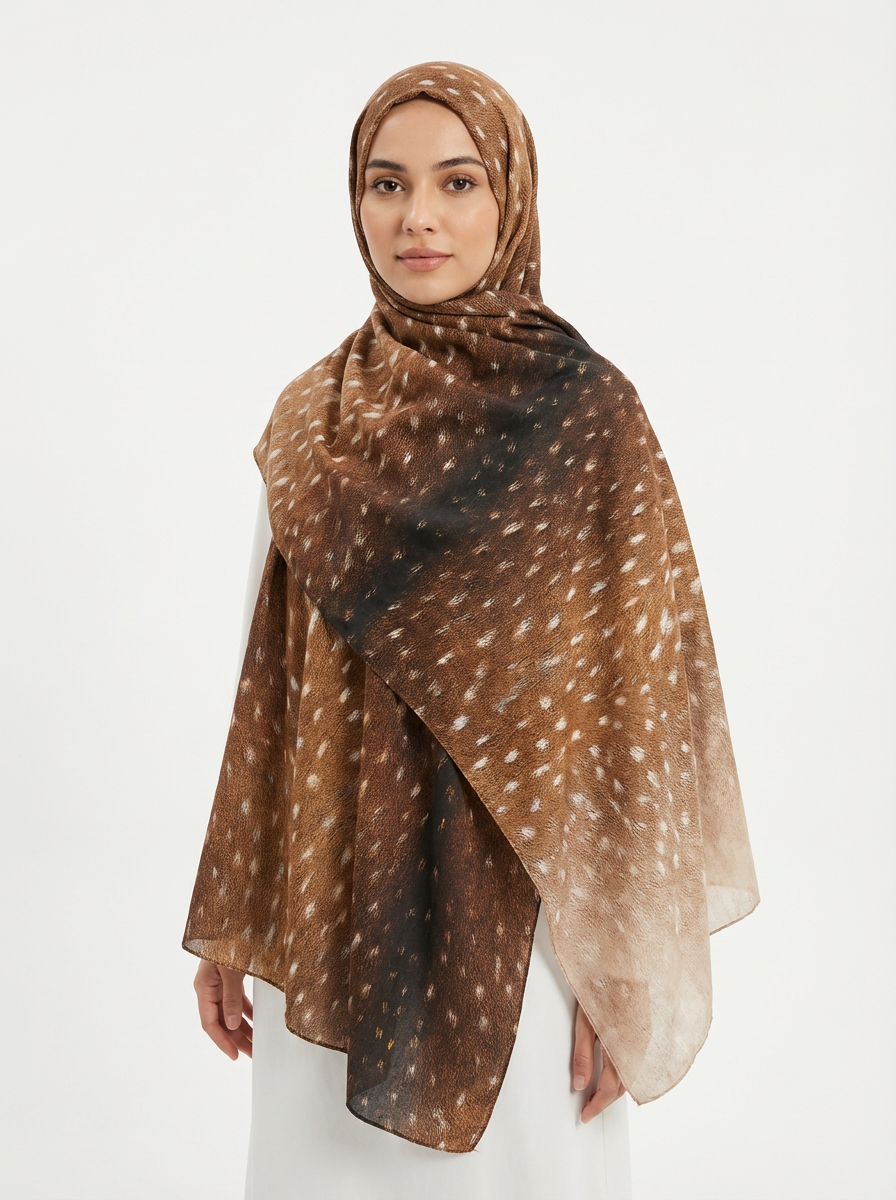
Comfort and wearability are essential considerations for hijab women who integrate modest head coverings into their daily routines across diverse lifestyle contexts. From professional environments to athletic activities, social gatherings to home settings, the functional performance of hijab garments directly impacts physical wellbeing, confidence, and the ability to move freely throughout the day. Understanding the multifaceted factors that determine how comfortable and wearable a hijab feels requires examining material properties, design characteristics, environmental interactions, and individual physiological responses that collectively shape the wearing experience for hijab women globally.
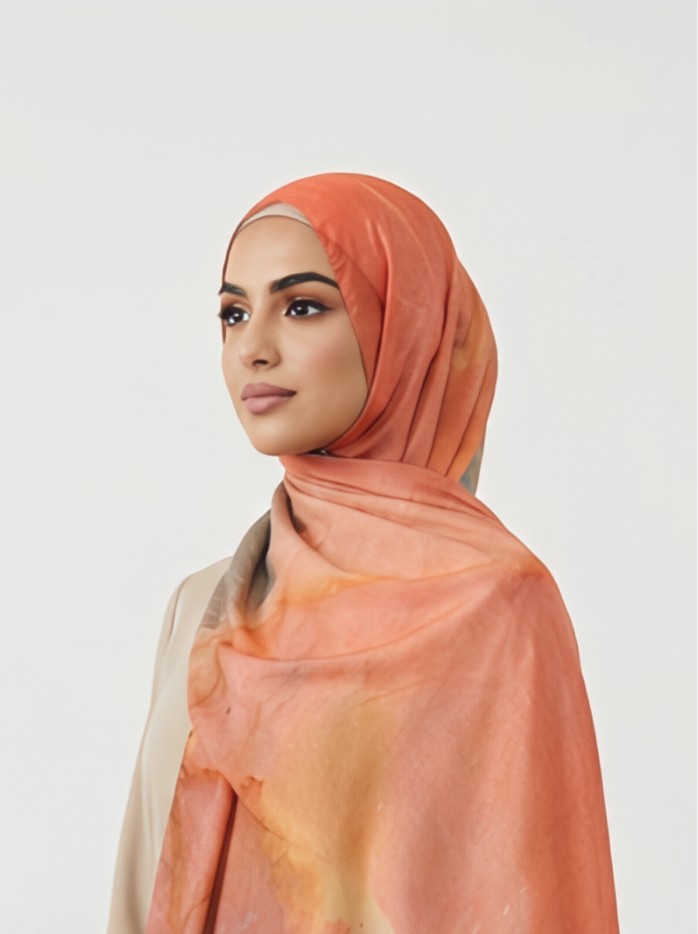
The factors influencing comfort and wearability extend far beyond simple aesthetic preferences, encompassing technical textile characteristics, anatomical fit dynamics, thermal regulation capabilities, moisture management systems, and practical maintenance requirements. For hijab women navigating contemporary lifestyle demands, these elements determine whether a head covering supports or hinders daily activities, affects skin health over extended wear periods, and maintains its functional integrity through repeated use cycles. This comprehensive examination explores the critical variables that hijab women should evaluate when selecting head coverings that balance religious observance with practical comfort needs across varied daily contexts.
Material Composition and Textile Performance Characteristics
Fiber Selection and Skin Contact Properties
The foundational material composition of hijab fabrics establishes baseline comfort parameters that hijab women experience during extended wear periods. Natural fibers such as cotton, modal, and silk offer inherent breathability and hypoallergenic properties that minimize skin irritation, while synthetic materials like polyester and microfiber provide durability and shape retention advantages. The specific fiber blend determines how the fabric interacts with facial skin, scalp tissue, and neck areas where prolonged contact occurs throughout daily activities. Hijab women with sensitive skin conditions or dermatological concerns particularly benefit from understanding fiber compositions that reduce friction, allow adequate air circulation, and prevent moisture accumulation against skin surfaces.
Modal and bamboo-derived fabrics have gained preference among hijab women seeking enhanced comfort due to their exceptional softness, moisture-wicking capabilities, and sustainable production methods. These cellulosic fibers exhibit smooth surface textures that glide against skin without creating abrasive contact points, while their porous structure facilitates air exchange that prevents heat buildup during active periods. Premium hijab women selections increasingly feature modal blends that combine natural comfort with practical wash-and-wear convenience, addressing the dual demands of daily wearability and low-maintenance care routines that busy lifestyles require.
Fabric Weight and Draping Behavior
The weight density of hijab textiles significantly influences how garments conform to head contours, maintain positioning during movement, and create aesthetic silhouettes that hijab women desire for different occasions. Lightweight fabrics measuring below 100 grams per square meter offer airy comfort suitable for warm climates and active pursuits, yet may require more frequent adjustment to maintain secure coverage. Medium-weight textiles in the 100-150 gram range provide balanced draping qualities that stay in place without excessive pinning while remaining comfortable for extended wear across varied temperature conditions that hijab women encounter throughout typical daily schedules.
Heavier fabrics exceeding 150 grams per square meter deliver structured draping that requires minimal styling effort and maintains formal appearances throughout professional workdays, though they may compromise breathability during physical exertion or in heated indoor environments. Hijab women who engage in diverse daily activities often maintain multiple hijab weights within their wardrobes, selecting appropriate fabric densities based on anticipated activity levels, environmental conditions, and social context requirements. Understanding personal tolerance for fabric weight against comfort thresholds enables hijab women to make informed selections that support rather than impede their daily functional needs.
Texture Surface and Sensory Response
The tactile surface characteristics of hijab fabrics trigger sensory responses that hijab women consciously and subconsciously register throughout wear periods, influencing overall comfort perception and psychological satisfaction. Smooth, silky textures generally provide pleasant sensory experiences that many hijab women prefer for direct skin contact, while textured surfaces such as crinkled crepe or ribbed jersey may offer visual interest but potentially create irritation points during extended wear. The microscopic fiber arrangement determines whether fabrics feel cooling or warming against skin, glide easily during styling adjustments, or catch on accessories and undergarments during normal movement patterns.
Surface finish treatments applied during textile manufacturing further modify tactile properties and functional performance characteristics relevant to hijab women. Brushed finishes create softened surfaces with enhanced warmth retention suitable for cold weather wear, while calendered treatments produce sleek, lustrous surfaces that resist snagging and facilitate smooth draping. Hijab women benefit from understanding how different surface textures interact with their individual sensory preferences and practical wearing contexts, enabling selections that deliver sustained comfort rather than initial appeal that diminishes after repeated exposure during daily use.
Design Architecture and Anatomical Fit Dynamics
Dimensional Proportions and Coverage Geometry
The physical dimensions and geometric shape of hijab garments fundamentally determine how effectively they provide desired coverage while accommodating individual head sizes, face shapes, and neck proportions that vary widely among hijab women. Standard rectangular hijabs measuring approximately 70 by 180 centimeters offer versatile styling options but may prove insufficient for hijab women with larger head circumferences or those preferring voluminous wrapping techniques. Oversized formats extending to 90 by 200 centimeters provide additional fabric for secure pinning and layered styles, though excess material may create bulkiness that compromises comfort during active movement or in confined spaces.
Pre-formed hijab designs incorporating sewn caps, elastic bands, or structured panels eliminate daily wrapping effort while ensuring consistent coverage positioning that hijab women appreciate during rushed morning preparations or throughout busy schedules. However, these convenience-oriented designs must carefully balance ease of use with anatomical fit precision, as poorly proportioned ready-to-wear styles may create pressure points across temples, behind ears, or along the nape that generate discomfort during extended wear. Hijab women with specific fit requirements often discover optimal comfort through custom-sized garments or adjustable designs that accommodate individual anatomical variations rather than forcing conformity to standardized dimensions.
Edge Finishing and Hemming Techniques
The treatment of fabric edges significantly impacts both aesthetic presentation and functional comfort for hijab women, as exposed raw edges may fray during wear and washing while creating roughness against sensitive facial skin. Clean-finished rolled hems provide smooth edges that glide comfortably against cheeks and necks without catching on jewelry or creating visible bulk under outer garment layers. Machine-stitched hems offer durability through repeated laundering cycles but may introduce rigidity along edges that affects natural draping behavior and creates linear indentations when fabrics are folded or pinned during styling processes.
Laser-cut edges represent an emerging finishing technique that eliminates hemming bulk entirely while preventing fraying in synthetic and blended fabrics, creating virtually invisible boundaries that enhance comfort for hijab women sensitive to edge thickness against skin contact zones. The selection of appropriate edge finishing methods should align with fabric composition, intended styling techniques, and individual sensitivity levels that hijab women experience in high-contact areas. Understanding these technical details enables more informed purchasing decisions that prioritize long-term comfort rather than solely evaluating initial aesthetic impressions during brief try-on assessments.
Attachment Systems and Securing Methods
The mechanisms hijab women employ to secure head coverings in position throughout daily activities directly influence comfort levels, as poorly designed attachment systems may create localized pressure, restrict natural movement, or require constant readjustment that disrupts workflow and concentration. Traditional straight pins offer infinite positioning flexibility but carry injury risks and may damage delicate fabrics through repeated piercing, while also creating small pressure points that become increasingly noticeable during extended wear periods. Magnetic pin alternatives eliminate puncture concerns while providing strong holding power, though the weight of magnetic components may create sagging in lightweight fabrics or pressure concentration in small contact areas.
Integrated attachment features such as sewn-in ties, elastic bands, or hook-and-loop fasteners built into hijab designs provide convenience and eliminate accessory requirements, yet must be precisely engineered to avoid creating constriction around the head circumference or slippage that compromises coverage security. Hijab women engaged in physically demanding activities or extended wear durations benefit from evaluating attachment system comfort through actual use simulations rather than static fitting assessments, as dynamic movement patterns reveal pressure distribution issues and stability limitations that only emerge during realistic activity contexts. The ideal securing method balances holding strength with comfort distribution, maintaining coverage integrity without creating awareness of attachment points that distract from daily focus.
Environmental Interaction and Thermal Management
Breathability and Air Circulation Capacity
The ability of hijab fabrics to facilitate air exchange between the microclimate surrounding the scalp and external atmospheric conditions critically determines comfort levels for hijab women, particularly during warm weather periods or physical exertion that elevates body temperature and perspiration rates. Open-weave constructions and naturally porous fibers allow heat and moisture vapor to escape from the covered head area, preventing the oppressive sensation of trapped warmth that causes discomfort and potential heat stress during outdoor activities or in poorly ventilated indoor environments. Hijab women living in tropical climates or engaging in athletic pursuits prioritize maximum breathability to maintain thermal comfort and prevent excessive sweating that leads to skin irritation and fabric staining.
Conversely, densely woven fabrics with minimal porosity trap warm air against the scalp, creating insulating effects that hijab women in cold climates appreciate for maintaining comfortable head temperatures during winter weather exposure. Understanding the relationship between fabric construction, fiber composition, and air permeability enables hijab women to select appropriate textiles matched to their predominant climate conditions and seasonal requirements. Advanced textile technologies now offer fabrics engineered with directional moisture transport properties that actively move perspiration away from skin surfaces while maintaining desired coverage opacity, representing significant comfort improvements for hijab women navigating diverse environmental conditions throughout daily routines.
Moisture Management and Absorption Dynamics
The capacity of hijab fabrics to absorb, transport, and release moisture significantly impacts wearing comfort for hijab women, as accumulated perspiration against skin surfaces creates clammy sensations, potential odor development, and increased friction that may lead to irritation during extended wear periods. Natural fibers like cotton and modal exhibit high moisture absorption capabilities, drawing perspiration away from skin contact zones and distributing it throughout fabric structures where evaporation can occur. This moisture buffering effect maintains relatively dry conditions against the scalp and forehead, contributing to sustained comfort during temperature fluctuations and physical activity that hijab women experience throughout typical daily schedules.
Synthetic fibers generally display lower moisture absorption but may feature engineered wicking treatments that rapidly transport liquid moisture through capillary action to fabric outer surfaces where faster evaporation occurs. Hijab women should evaluate moisture management needs based on their activity profiles, with sedentary professional roles tolerating absorbent natural fibers that dry slowly, while active lifestyles benefit from quick-drying synthetics that minimize accumulated moisture weight and clammy sensations. Seasonal considerations also influence optimal moisture management characteristics, as summer conditions demand maximum wicking and evaporation capabilities, while winter wear prioritizes moisture retention that preserves warmth without creating wet-cold discomfort that compromises thermal comfort for hijab women in challenging weather conditions.
Temperature Regulation Across Varied Conditions
Effective thermal regulation represents a crucial comfort factor for hijab women who transition between contrasting environmental conditions throughout daily routines, moving from air-conditioned offices to heated vehicles, outdoor elements to climate-controlled retail spaces, creating continuous adaptation challenges for head covering systems. Fabrics with moderate thermal insulation properties provide versatility across these transitions, preventing both excessive heat retention in warm environments and rapid heat loss in cold conditions that force constant coverage adjustments. Hijab women benefit from understanding the thermal resistance values of different fabric types, enabling strategic layering approaches that adapt to anticipated temperature variations rather than committing to single-layer solutions inadequate for variable conditions.
Advanced textile engineering now produces phase-change materials and thermoregulatory fibers that actively respond to temperature fluctuations, absorbing excess heat during warm periods and releasing stored thermal energy when ambient temperatures drop. While these technical fabrics remain premium-priced options, they offer significant comfort advantages for hijab women who experience pronounced temperature swings during daily activities or live in climates with dramatic diurnal temperature variations. Even within conventional fabric categories, hijab women can optimize thermal comfort by selecting appropriate weights and weave densities matched to their predominant environmental exposure patterns, recognizing that no single fabric specification delivers optimal performance across all possible wearing conditions encountered in diverse lifestyle contexts.
Maintenance Requirements and Long-Term Wearability
Laundering Resilience and Care Demands
The practical maintenance requirements of hijab garments significantly influence long-term wearability and sustained comfort for hijab women who must balance religious modesty observance with realistic time and resource constraints of contemporary lifestyles. Fabrics requiring delicate hand washing, air drying, and careful ironing impose substantial care burdens that may prove incompatible with busy professional schedules or large families where laundry volume demands efficient processing methods. Machine-washable textiles that withstand regular laundering cycles without shrinkage, color fading, or texture degradation enable hijab women to maintain hygienic wearing rotation schedules without excessive time investment or professional cleaning expenses that strain household budgets.
The relationship between fabric durability and comfort characteristics often requires trade-off considerations, as extremely durable synthetic textiles may sacrifice the soft hand feel and breathability that hijab women prefer for daily comfort, while luxuriously comfortable natural fibers may demand gentle care that limits practical wearability frequency. Hijab women benefit from maintaining diverse wardrobe selections that include both premium comfort pieces for special occasions requiring minimal laundering and practical everyday options engineered for frequent washing without performance degradation. Understanding individual tolerance for maintenance effort versus comfort priorities enables more satisfying garment selections that align with realistic lifestyle constraints rather than aspirational ideals that prove unsustainable in actual daily practice.
Shape Retention and Dimensional Stability
The ability of hijab fabrics to maintain original dimensions, draping characteristics, and structural integrity through repeated wear and laundering cycles directly impacts long-term comfort and wearability for hijab women who invest in quality garments expected to perform reliably over extended periods. Fabrics prone to stretching, shrinking, or permanent creasing create ongoing frustration as hijab women must continuously adapt styling techniques to compensate for dimensional changes that alter coverage geometry and require additional securing efforts to maintain desired positioning. High-quality textiles engineered for dimensional stability deliver consistent performance that hijab women can rely upon, eliminating daily uncertainty about garment behavior and enabling efficient morning preparation routines.
Natural fiber fabrics generally exhibit greater susceptibility to dimensional changes compared to synthetics, with cotton and linen prone to shrinkage during initial launderings and permanent wrinkling that demands extensive ironing effort to restore smooth draping qualities. Modal and rayon blends offer improved stability while maintaining natural fiber comfort characteristics, representing practical compromises for hijab women seeking both wearing comfort and maintenance convenience. Pre-shrinking treatments and stabilization finishing processes applied during manufacturing can significantly enhance dimensional reliability, though these quality features may not be readily apparent during initial purchase evaluations. Hijab women making investment purchases should specifically inquire about dimensional stability specifications and care test results that predict long-term performance characteristics beyond immediate tactile impressions.
Color Fastness and Aesthetic Durability
The permanence of dyed colors and printed patterns significantly affects long-term satisfaction and continued wearability for hijab women who build coordinated wardrobes requiring reliable color matching across multiple garments and accessory pieces. Fabrics with poor color fastness fade unevenly through sun exposure and repeated laundering, creating mismatched appearances that undermine professional presentation standards and reduce garment useful lifespan despite maintained structural integrity. Hijab women should prioritize textiles treated with high-quality reactive dyes or advanced pigmentation systems that chemically bond with fiber structures, resisting color migration and degradation that compromise aesthetic appeal and necessitate premature replacement.
Printed hijab designs face additional durability challenges as surface-applied patterns may crack, peel, or fade preferentially compared to base fabric colors, creating aesthetically displeasing appearances that hijab women find unacceptable for public wear despite continued functional performance. Digital printing technologies and sublimation processes that infuse colorants deep into fiber structures offer superior pattern permanence compared to traditional screen printing methods, though these advanced techniques typically command premium pricing. Understanding the relationship between dyeing methods, color fastness performance, and expected garment lifespan enables hijab women to make value-informed purchasing decisions that balance initial costs against long-term satisfaction and total cost of ownership across realistic wearing and maintenance cycles.
Individual Physiological Factors and Personal Preferences
Scalp Sensitivity and Dermatological Considerations
Individual variations in scalp sensitivity, skin reactivity, and dermatological health conditions create personalized comfort requirements that hijab women must consider when selecting head covering materials and styles appropriate for their specific physiological characteristics. Women experiencing conditions such as seborrheic dermatitis, psoriasis, or contact allergies require hypoallergenic fabrics free from chemical residues, harsh dyes, and synthetic additives that may trigger inflammatory responses or exacerbate existing scalp conditions. Natural, undyed fabrics or those treated with dermatologically tested finishing agents provide safer options for hijab women with compromised skin barrier function or heightened chemical sensitivities that limit material tolerance ranges.
Scalp perspiration patterns vary considerably among hijab women based on genetic factors, hormonal influences, and individual metabolic rates, creating different moisture management requirements that standard fabric recommendations may not adequately address. Women with naturally oily scalps benefit from fabrics with high absorbency that prevent sebum transfer to facial skin areas, while those with dry, flaky scalp conditions require materials that minimize friction and static electricity generation that can aggravate symptoms. Hijab women experiencing scalp discomfort should consider consulting dermatological professionals to identify specific sensitivity triggers and receive personalized fabric recommendations that support both religious observance and optimal scalp health maintenance throughout daily wearing periods.
Head Size and Proportional Fit Variables
Anatomical variations in head circumference, face shape, and neck length significantly influence which hijab dimensions and styles provide optimal comfort for individual hijab women, as standardized garment specifications cannot accommodate the full range of human proportional diversity. Women with larger head sizes often struggle with insufficient fabric coverage from standard rectangular hijabs, requiring oversized formats or custom tailoring to achieve secure positioning without excessive tension that creates discomfort around the forehead band and temple regions. Conversely, petite hijab women may find standard dimensions provide excess fabric that creates bulky layers and styling complications, benefiting from trimmed dimensions that maintain coverage while eliminating unnecessary material volume.
Face shape considerations also impact styling approaches and comfort outcomes, as round faces may benefit from vertical draping techniques that elongate appearance, while angular features suit softer, gathered styles that create balanced proportions. However, these aesthetic preferences must integrate with comfort priorities, as styling methods requiring tight pinning or constrictive wrapping to achieve desired visual effects may prove uncomfortable for extended daily wear regardless of achieved appearance quality. Hijab women benefit from experimenting with various dimension combinations and styling approaches to identify personalized solutions that satisfy both aesthetic preferences and sustained comfort requirements across their typical daily activity patterns and wearing duration expectations.
Activity Profile and Lifestyle Context Alignment
The specific daily activities and lifestyle contexts that hijab women navigate fundamentally determine which comfort factors demand prioritization, as optimal solutions for sedentary office professionals differ substantially from requirements of educators, healthcare workers, athletes, or mothers managing active childcare responsibilities. Professional environments emphasizing formal presentation may tolerate slightly reduced breathability in exchange for structured draping and wrinkle resistance that maintains polished appearances throughout extended workdays. Active pursuits demand maximum moisture management, secure positioning, and freedom of movement even if aesthetic refinement becomes secondary to functional performance during athletic participation or physical labor contexts.
Hijab women benefit from conducting honest assessments of their predominant daily activities and environmental exposure patterns, using these realistic evaluations to guide fabric and style selections rather than defaulting to generic recommendations disconnected from actual wearing contexts. Building diverse hijab wardrobes with specialized pieces optimized for different lifestyle segments enables appropriate matching between garment characteristics and activity demands, maximizing comfort and functional performance across varied daily scenarios. Understanding that no single hijab specification delivers optimal performance for all possible wearing situations empowers hijab women to make strategic, context-appropriate selections that enhance rather than compromise their ability to participate fully and comfortably in chosen lifestyle activities while maintaining religious modesty commitments.
FAQ
What fabric type provides the best overall comfort for hijab women in hot climates?
Modal, bamboo-derived fabrics, and lightweight cotton blends generally provide superior comfort for hijab women in hot climates due to their exceptional breathability, moisture-wicking properties, and smooth textures that minimize skin irritation. These natural and semi-synthetic fibers facilitate air circulation around the scalp while absorbing and dispersing perspiration efficiently, preventing the oppressive heat buildup and clammy sensations that synthetic materials may create during warm weather exposure. Hijab women in tropical or desert environments should prioritize fabrics weighing less than 100 grams per square meter with open weave constructions that maximize air exchange while maintaining adequate coverage opacity for modesty requirements.
How can hijab women prevent headaches caused by tight head covering styles?
Hijab women experiencing tension headaches from head coverings should evaluate both fabric selection and styling techniques to identify pressure-causing factors. Choosing hijabs with sufficient dimensional proportions eliminates the need for excessive stretching during wrapping, while selecting fabrics with slight mechanical stretch allows comfortable conformation without creating constriction. Avoiding extremely tight pinning around the forehead and temple regions reduces direct pressure on sensitive areas, and incorporating soft undercaps with cushioned bands distributes pressure more evenly across larger surface areas. If headaches persist despite these adjustments, hijab women should consult healthcare providers to rule out underlying medical conditions and receive personalized recommendations for comfortable head covering approaches compatible with their individual physiological characteristics.
Do pre-styled ready-to-wear hijabs offer comparable comfort to traditional wrapping methods?
Pre-styled hijabs offer convenience advantages but deliver variable comfort depending on design quality and individual fit compatibility. Well-engineered ready-to-wear styles with adjustable features and appropriate sizing can provide excellent comfort comparable to traditional methods while eliminating daily styling time requirements. However, poorly designed instant hijabs with inflexible sizing or pressure-creating elastic components may prove less comfortable than custom-wrapped traditional styles that hijab women can adjust precisely to their anatomical proportions and comfort preferences. The comfort comparison ultimately depends on specific product design quality and individual fit requirements rather than representing an inherent advantage of either approach. Hijab women should evaluate ready-to-wear options through extended wear trials rather than brief fitting assessments to accurately determine sustained comfort performance.
How frequently should hijab women replace head coverings to maintain optimal comfort and hygiene?
Replacement frequency for hijab garments depends on wearing frequency, fabric quality, and maintenance practices rather than following fixed time schedules. Hijab women should replace individual pieces when they observe significant dimensional changes, texture degradation, color fading, or persistent odor retention despite proper laundering that indicates fabric breakdown affecting comfort and hygiene. Daily-wear hijabs typically require replacement every 12 to 18 months with proper care, while occasional-use pieces may remain serviceable for several years. Maintaining rotation wardrobes with multiple hijabs reduces wear concentration on individual pieces, extending useful lifespan while ensuring consistently fresh, comfortable options. Hijab women should prioritize replacing garments showing comfort-compromising changes such as lost breathability, increased roughness, or elastic failure rather than adhering to arbitrary replacement schedules disconnected from actual condition assessment.
Table of Contents
- Material Composition and Textile Performance Characteristics
- Design Architecture and Anatomical Fit Dynamics
- Environmental Interaction and Thermal Management
- Maintenance Requirements and Long-Term Wearability
- Individual Physiological Factors and Personal Preferences
-
FAQ
- What fabric type provides the best overall comfort for hijab women in hot climates?
- How can hijab women prevent headaches caused by tight head covering styles?
- Do pre-styled ready-to-wear hijabs offer comparable comfort to traditional wrapping methods?
- How frequently should hijab women replace head coverings to maintain optimal comfort and hygiene?