
 EN
EN



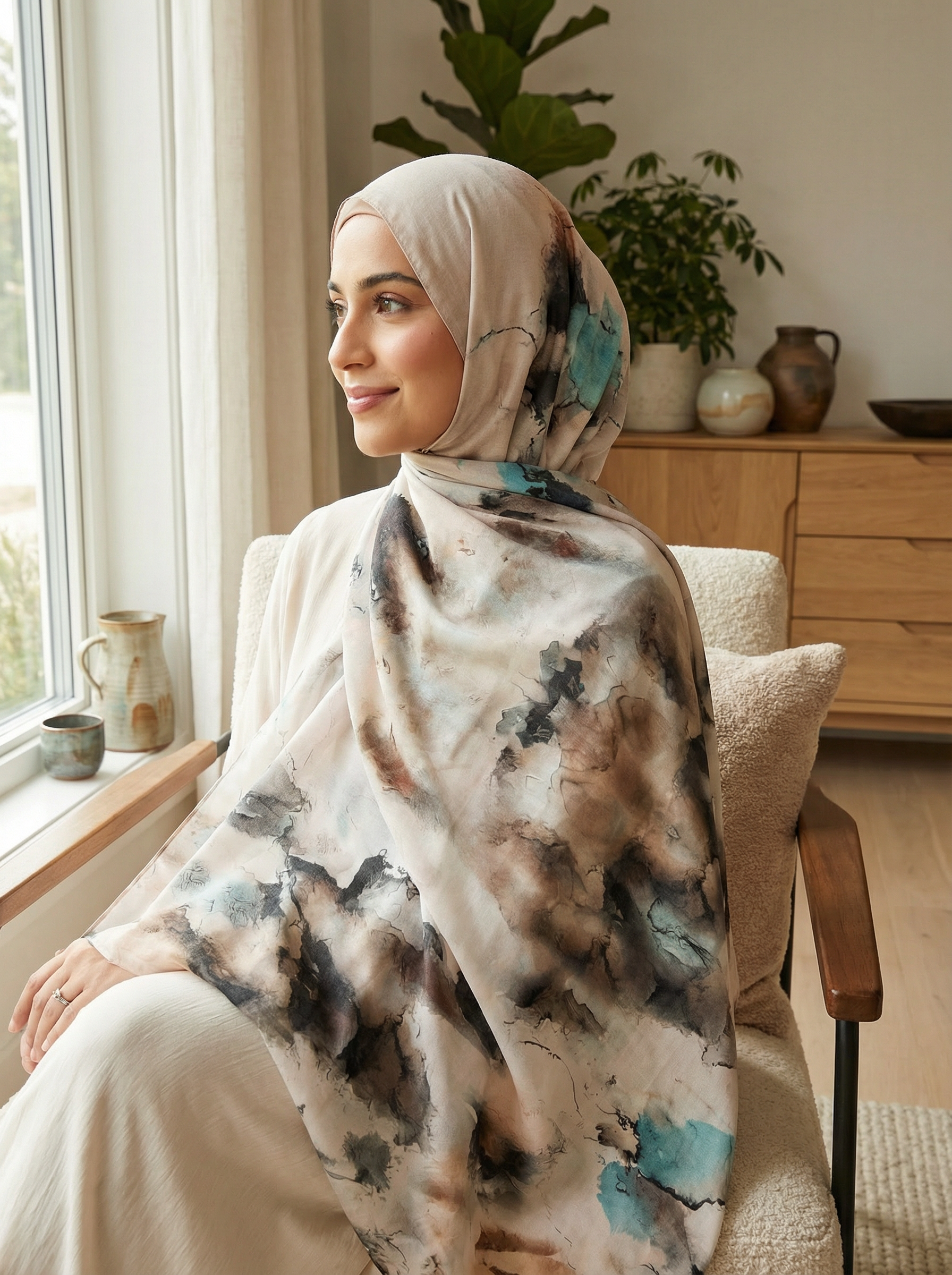
The adaptation of hijab women to varying seasonal conditions and climate variations represents a sophisticated intersection of religious observance, practical necessity, and textile innovation. Across diverse geographical regions, from the humid tropics to arctic conditions, hijab women have developed nuanced strategies for maintaining modesty while ensuring comfort and functionality. This adaptation process encompasses material selection, layering techniques, color choices, and styling modifications that respond directly to temperature fluctuations, humidity levels, precipitation patterns, and solar intensity. Understanding how hijab women navigate these environmental challenges provides valuable insights into the relationship between faith-based dress codes and climate-responsive clothing practices that have evolved over centuries.
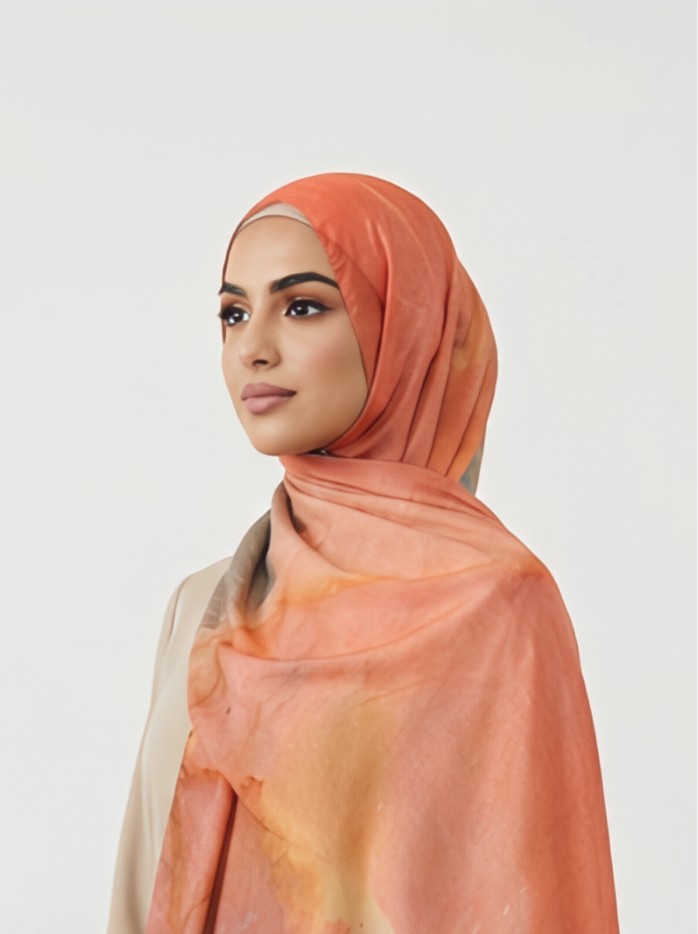
The seasonal adaptation strategies employed by hijab women extend far beyond simple wardrobe changes. These approaches reflect deep knowledge of fabric properties, understanding of thermal regulation principles, and cultural wisdom passed through generations. Whether facing scorching desert summers, monsoon humidity, freezing winters, or temperate spring conditions, hijab women worldwide have refined their clothing choices to balance religious requirements with physiological comfort. This comprehensive exploration examines the mechanisms, material science, and practical techniques that enable hijab women to maintain their modest dress across all climate zones while preserving health, comfort, and personal style throughout the year.
Material Selection and Fabric Technology for Climate Control
Natural Fiber Advantages in Hot and Humid Climates
In tropical and subtropical regions, hijab women predominantly select natural fibers that facilitate effective moisture management and thermal regulation. Cotton hijabs remain the foundational choice for hot weather due to their exceptional breathability and moisture absorption capacity. The cellulose structure of cotton fibers allows air circulation while wicking perspiration away from the scalp and skin surface. High-quality long-staple cotton varieties provide superior softness and durability, making them ideal for daily wear in temperatures exceeding thirty-five degrees Celsius. Hijab women in Southeast Asia, the Middle East, and tropical Africa have long recognized that lightweight cotton voiles, lawns, and jersey knits offer optimal comfort when humidity levels remain consistently high throughout the year.
Linen represents another crucial natural fiber choice for hijab women facing extreme heat conditions. The flax-based textile exhibits remarkable heat conductivity, allowing warmth to dissipate rapidly from the body. Linen hijabs possess a characteristic texture that prevents the fabric from clinging to skin when perspiration occurs, maintaining a slight air gap that enhances cooling. Despite its tendency to wrinkle, linen's thermoregulatory properties make it invaluable during peak summer months. Many hijab women combine linen with cotton blends to achieve a balance between breathability and wrinkle resistance, particularly for professional settings where appearance maintenance throughout the day remains important.
Synthetic and Blended Fabrics for Moisture Management
Modern textile engineering has introduced performance synthetic materials that offer hijab women enhanced climate adaptation capabilities. Modal fabric, derived from beech tree pulp, provides a silk-like drape with superior moisture absorption compared to conventional cotton. This semi-synthetic material appeals to hijab women seeking elegant appearance combined with functional comfort. Modal hijabs resist shrinkage, maintain color vibrancy, and offer excellent breathability, making them suitable for transitional seasons when temperature fluctuations occur throughout the day. The hijab women who prioritize both aesthetics and functionality often select modal blends for their versatility across multiple climate conditions.
Polyester microfiber technology has revolutionized warm-weather hijab options through moisture-wicking properties originally developed for athletic wear. These engineered fabrics transport perspiration from skin to the outer fabric surface where evaporation occurs rapidly, creating a cooling effect. Performance polyester hijabs dry significantly faster than natural fibers, proving advantageous in humid climates where conventional fabrics remain damp for extended periods. However, hijab women must balance these functional benefits against potential odor retention and reduced breathability compared to natural materials. Many manufacturers now produce polyester-cotton blends that combine wicking properties with the comfort characteristics that hijab women expect from traditional natural fibers.
Thermal Insulation Fabrics for Cold Climate Adaptation
In regions experiencing freezing temperatures, hijab women require materials that provide effective insulation while maintaining coverage requirements. Wool hijabs, particularly those crafted from merino wool, offer exceptional warmth-to-weight ratios and natural moisture management. The crimped structure of wool fibers traps air pockets that serve as insulation barriers, while the material's hydrophobic exterior repels precipitation. Hijab women in Northern Europe, Central Asia, and cold-climate North American regions frequently layer wool hijabs over lighter cotton undercaps to create thermal protection without excessive bulk. The natural elasticity of wool also ensures secure positioning despite winter winds and active movement.
Cashmere and pashmina represent premium options for hijab women seeking luxurious warmth in cold seasons. These fine animal fibers provide superior insulation density, allowing thinner hijabs to deliver substantial thermal protection. The softness of cashmere against facial skin makes it particularly comfortable for all-day wear during winter months when indoor heating and outdoor cold create dramatic temperature transitions. Many hijab women invest in quality cashmere pieces as core winter wardrobe items that endure multiple seasons. Blended options incorporating cashmere with silk or wool extend accessibility while maintaining desirable warmth and texture characteristics.
Layering Strategies and Coverage Techniques Across Seasons
Summer Minimalism and Single-Layer Approaches
During peak heat periods, hijab women employ minimalist layering strategies that fulfill modesty requirements while minimizing thermal load. Single-layer hijabs in rectangular or triangular cuts allow maximum air circulation around the head and neck. The wrapping technique significantly impacts thermal comfort, with loose, flowing styles preventing fabric from pressing against skin and trapping heat. Hijab women in desert climates have perfected methods that create slight elevation of fabric away from the scalp using strategic folds and pins, promoting continuous airflow beneath the covering. This technique draws on centuries of traditional knowledge regarding heat management in arid environments.
The selection of undercaps during summer requires careful consideration by hijab women focused on climate adaptation. Lightweight tubular cotton undercaps absorb perspiration while providing a smooth foundation for outer hijabs. However, some hijab women in extremely hot climates eliminate undercaps entirely during casual settings, opting for hijab styles that can be worn directly against hair without slipping. This reduction in layers decreases overall thermal insulation and promotes better heat dissipation. The trade-off involves potential adjustment frequency, leading hijab women to evaluate personal priorities regarding convenience versus maximum cooling effect.
Winter Layering Systems for Cold Protection
Cold season adaptation by hijab women typically involves sophisticated multi-layer systems that trap insulating air while preventing wind penetration. The foundational layer consists of a fitted cotton or thermal undercap that covers hair completely and provides a smooth base. Over this, hijab women add a primary hijab in wool, cashmere, or thick jersey that supplies core insulation. In severe cold, an outer layer fashioned from windproof or water-resistant material protects against precipitation and wind chill. This layering philosophy mirrors technical outdoor clothing systems, allowing hijab women to add or remove components as they transition between heated indoor spaces and frigid outdoor environments.
The integration of modern accessories enhances winter comfort for hijab women without compromising coverage. Neck warmers or infinity scarves in coordinating colors provide additional throat and chest protection while complementing hijab styling. Some hijab women incorporate subtle fleece-lined bands around the hairline and ears beneath their outer hijab, addressing areas particularly vulnerable to cold exposure. These adaptive strategies demonstrate how hijab women continually innovate within modest dress frameworks to meet practical climate challenges. The careful coordination of multiple layers requires planning and investment, yet delivers reliable protection during months of sustained cold weather.
Transitional Season Versatility and Adaptability
Spring and autumn present unique challenges for hijab women due to significant daily temperature variations and unpredictable weather patterns. Medium-weight fabrics such as rayon, viscose, and cotton-polyester blends provide flexibility during these transitional periods. Hijab women often prepare multiple hijab options in their bags, allowing quick changes as temperatures shift between morning chill and afternoon warmth. This preparedness reflects practical wisdom regarding climate unpredictability and the importance of maintaining comfort throughout varied daily activities.
Convertible hijab styles that allow adjustment of coverage and tightness serve hijab women particularly well during transitional seasons. Wraps that can be loosened for ventilation or tightened against cool breezes offer real-time climate response without complete outfit changes. Jersey knit hijabs with slight stretch accommodate various wrapping tensions, enabling hijab women to modify thermal properties through styling alone. This adaptability reduces the need for extensive wardrobe variety while ensuring appropriate comfort across fluctuating conditions. The ability to adjust coverage dynamically empowers hijab women to maintain both modesty and physiological comfort regardless of unexpected weather shifts during transitional months.
Color Selection and Light Reflection Properties
Thermal Impact of Color Choices in Hot Climates
The relationship between hijab color and heat absorption represents critical knowledge for hijab women in sunny, hot regions. Light colors, particularly white, cream, and pastels, reflect substantial portions of solar radiation, reducing thermal load on the head and upper body. Scientific measurements confirm that light-colored hijabs can maintain surface temperatures ten to fifteen degrees Celsius lower than dark alternatives under direct sunlight. Hijab women in Gulf countries, North Africa, and other intense solar environments traditionally favor these lighter shades during summer months, demonstrating empirical understanding of radiative heat transfer principles that modern physics has quantified.
Despite thermal advantages, purely white hijabs present practical challenges for hijab women regarding maintenance and transparency concerns. Off-white, beige, and light gray alternatives offer comparable reflective properties while proving more forgiving for daily wear. Pale blues and greens also provide effective heat reflection while allowing personal style expression. Many hijab women develop seasonal color rotations, reserving their lightest shades for peak summer intensity while incorporating slightly deeper tones during cooler months. This chromatic strategy demonstrates sophisticated integration of aesthetic preferences with functional climate adaptation requirements.
Cold Weather Color Considerations
During winter months, hijab women in cold climates often shift toward darker colors that absorb solar radiation and convert it to warmth. Navy, charcoal, brown, and black hijabs capture sunlight effectively, providing modest passive heating during outdoor activities. However, the psychological and cultural dimensions of color selection sometimes outweigh purely thermal considerations for hijab women. Personal preference, professional context, and cultural norms influence choices alongside practical temperature management concerns. Some hijab women maintain consistent color preferences year-round, relying instead on fabric weight and layering to manage seasonal temperature differences.
The interplay between color choice and indoor heating systems affects daily decisions by hijab women in cold regions. Dark colors advantageous outdoors may contribute to overheating in well-heated offices, shops, and homes. This reality leads some hijab women to select medium tones during winter that balance outdoor heat absorption with indoor comfort. Burgundy, forest green, and deep purple provide compromise options that capture reasonable solar warmth without causing excessive heat retention in temperature-controlled environments. These nuanced selections illustrate how hijab women navigate multiple environmental contexts within single days, optimizing their choices for diverse thermal conditions encountered during typical winter routines.
Print Patterns and Surface Texture Effects
Beyond solid colors, hijab women increasingly utilize printed patterns that offer visual interest while influencing thermal properties. Lighter prints on darker grounds or darker prints on lighter backgrounds create intermediate reflective characteristics between solid extremes. Geometric, floral, and abstract patterns allow hijab women to enjoy aesthetic variety while maintaining appropriate seasonal temperature management. The scale and density of prints subtly affect perceived formality and suitability for various occasions, enabling hijab women to coordinate climate-appropriate choices with social context requirements.
Surface texture modifications such as crinkled, ribbed, or embossed fabrics create microscopic air gaps that enhance insulation properties without significantly increasing fabric weight. These textured options appeal to hijab women seeking visual distinction combined with functional benefits. Crinkled chiffon and pleated georgette provide elegant drape while the irregular surface reduces direct skin contact, promoting air circulation in warm weather. Conversely, cable-knit and waffle-weave patterns in winter hijabs increase thickness and thermal retention. The expanding variety of textures available enables hijab women to fine-tune both aesthetic presentation and climate performance according to personal priorities and environmental demands.
Regional Climate Zones and Specific Adaptation Patterns
Desert and Arid Climate Strategies
Hijab women in desert regions face extreme temperature ranges, intense solar radiation, and minimal humidity. Traditional adaptations include long, flowing hijabs that create continuous shade while allowing air circulation between fabric and skin. The characteristic loose wrapping styles observed among hijab women in Arabian Peninsula countries and Saharan Africa reflect generations of refinement for desert conditions. Full-length hijabs extending to the waist or below protect the neck, chest, and upper back from direct sun exposure while the generous fabric volume facilitates convective cooling as air moves beneath the covering.
Dust and sand protection constitutes an additional consideration for hijab women in arid zones. Tightly-woven fabrics prevent fine particles from penetrating to hair and skin while remaining sufficiently breathable for comfort. Some hijab women in these regions employ face-covering extensions during sandstorms or extremely dusty conditions, demonstrating how climate adaptation extends beyond temperature management to encompass particulate protection. The integration of practical environmental shielding with religious observance illustrates the holistic approach hijab women take toward climate-responsive dressing in challenging desert environments.
Tropical and Monsoon Climate Considerations
In tropical regions characterized by high heat combined with extreme humidity, hijab women prioritize moisture management above pure thermal properties. The perpetually damp conditions common in Southeast Asia, coastal Africa, and tropical Americas require fabrics that dry rapidly and resist mildew formation. Synthetic blends and treated natural fibers address these concerns while maintaining acceptable comfort levels. Hijab women in these climates frequently change hijabs multiple times daily, carrying spare options to replace moisture-saturated pieces. This practice necessitates larger wardrobes and more frequent laundering, representing significant practical adaptations to relentless humidity.
Monsoon seasons present particular challenges for hijab women regarding water resistance and quick-drying capabilities. While traditional modest dress does not typically incorporate rain-specific garments, some hijab women in heavily affected regions adopt water-repellent outer hijabs during rainy periods. These protective layers can be removed upon reaching sheltered locations, revealing dry inner hijabs beneath. The development of fashionable water-resistant hijab options remains an evolving market segment, reflecting ongoing innovation in serving hijab women facing regular precipitation exposure. Balancing water protection with breathability represents a persistent technical challenge that manufacturers continue addressing through fabric technology advances.
Temperate and Continental Climate Flexibility
Hijab women in temperate zones with four distinct seasons develop the most diverse wardrobes, maintaining options suitable for summer heat, winter cold, and transitional variability. This climate pattern common across much of Europe, East Asia, and North America requires strategic wardrobe planning and storage management. Seasonal rotation of hijab collections allows hijab women to access appropriate options efficiently while protecting off-season pieces from damage. Many hijab women in these regions organize their hijabs by both season and occasion, creating systematic approaches that simplify daily selection despite maintaining extensive variety.
The significant temperature swings characteristic of continental climates demand particular adaptability from hijab women. Morning temperatures near freezing can shift to afternoon warmth requiring completely different fabric weights and layering approaches. Hijab women navigating these conditions often develop keen awareness of weather forecasts and plan their daily hijab selections accordingly. The unpredictability inherent in continental weather patterns has driven innovation in versatile hijab designs that perform acceptably across wider temperature ranges, reducing the burden of constant outfit changes while maintaining reasonable comfort throughout variable days.
Practical Styling Techniques for Climate Optimization
Wrapping Methods that Enhance Air Circulation
The specific technique hijab women employ to wrap and secure their hijabs dramatically affects thermal comfort and climate adaptation. Loose wrapping styles that avoid tight contact with the scalp promote air circulation and heat dissipation. The Turkish style, which creates volume at the crown, allows warm air to rise away from the head while cooler air enters from below. Hijab women in hot climates often master this technique, understanding that the architectural structure of their hijab wrap influences microclimate around their head as significantly as fabric choice itself.
Pin placement strategy also impacts ventilation for hijab women concerned with heat management. Securing fabric only at strategic points rather than creating complete enclosure allows airflow through small openings. Some hijab women position pins to create subtle channels where air can enter and exit, establishing gentle convection currents that provide continuous cooling. These refined techniques represent embodied knowledge that experienced hijab women often share with younger generations, preserving practical wisdom regarding optimal wrapping methods for various climate conditions.
Accessories that Modify Thermal Properties
Modern hijab women increasingly utilize specialized accessories designed to enhance climate adaptation. Cooling undercaps containing moisture-activated cooling crystals or phase-change materials provide active temperature reduction during intense heat. These technological solutions appeal to hijab women in extreme climates or those engaged in physical activities outdoors. Similarly, thermal undercaps with fleece or synthetic insulation offer additional warmth in cold conditions without requiring bulkier outer hijabs. The accessory market serving hijab women continues expanding, reflecting growing demand for climate-specific enhancement options.
Magnetic and clip-based fastening systems enable hijab women to adjust their wraps quickly in response to changing conditions. Unlike traditional pins requiring complete unwrapping for adjustment, these modern fasteners allow loosening or tightening within seconds. This convenience proves valuable when hijab women transition between air-conditioned interiors and hot exteriors multiple times daily, a common pattern in tropical and subtropical urban environments. The ability to modify coverage and tightness dynamically without full rewrapping represents significant practical advancement in climate-responsive hijab wearing.
Length and Coverage Area Modifications
The overall dimensions of hijabs selected by hijab women vary with climate considerations beyond just fabric weight. In hot conditions, some hijab women choose slightly shorter styles that end at the shoulder rather than extending down the back, reducing total fabric volume and associated thermal load. Conversely, winter dressing often involves longer hijabs that tuck into coats and provide continuous coverage eliminating gaps where cold air might penetrate. These length modifications demonstrate how hijab women adjust coverage extent while maintaining core modesty requirements, optimizing for climate without compromising religious observance.
The width of fabric selected also influences climate performance for hijab women. Wider hijabs allow more elaborate wrapping with greater volume and air space, while narrower options create sleeker profiles with less insulation. Climate preferences guide these selections, with hijab women in cold regions often favoring generous fabric that can be wrapped multiply for enhanced warmth. Hot climate hijab women may select narrower pieces that provide required coverage with minimal excess material. This dimensional customization adds another variable through which hijab women optimize their dress for prevailing environmental conditions.
FAQ
What fabric types work best for hijab women during extremely hot summer months?
During peak summer heat, hijab women achieve optimal comfort with lightweight natural fibers, particularly cotton voile, cotton lawn, and linen. These materials provide excellent breathability and moisture absorption essential for managing perspiration in high temperatures. Modal and bamboo-derived fabrics offer semi-synthetic alternatives with superior drape and cooling properties. Many hijab women also find success with performance synthetic blends specifically engineered for moisture-wicking, though these may retain odors more than natural options. The key selection criteria should focus on lightweight construction, loose weave structure, and proven breathability rather than solely considering material composition.
How do hijab women prevent overheating while maintaining full coverage in tropical climates?
Hijab women in tropical environments employ multiple strategies to manage heat while preserving modest coverage. Fabric selection emphasizes breathable natural fibers like cotton and linen that facilitate air circulation. Wrapping techniques that create space between fabric and scalp allow heat dissipation through convection. Light colors that reflect rather than absorb solar radiation reduce thermal load significantly. Many hijab women also time outdoor activities for cooler morning or evening hours when possible, and carry spare hijabs to replace moisture-saturated pieces during the day. Staying hydrated and seeking shade during peak heat hours complement these clothing-based adaptations. The combination of appropriate materials, intelligent styling, and behavioral adjustments enables hijab women to maintain comfortable coverage even in challenging tropical conditions.
Can hijab women wear the same hijab styles year-round or do seasonal changes require different approaches?
Most hijab women find that seasonal variation requires distinct approaches to fabric selection, layering, and styling rather than maintaining identical practices year-round. Winter typically demands heavier materials like wool or cashmere, multi-layer systems for insulation, and longer styles that eliminate coverage gaps. Summer necessitates lightweight breathable fabrics, minimal layering, and wrapping techniques that maximize air circulation. Transitional seasons benefit from medium-weight versatile materials and adaptable styles that can be adjusted as temperatures fluctuate throughout the day. While some hijab women maintain consistent wrapping styles across seasons by varying only fabric weight, most find that optimizing both material and method for each climate condition significantly enhances daily comfort and functionality.
What specific considerations should hijab women in cold climates prioritize for winter hijab selection?
Hijab women facing cold winter conditions should prioritize thermal insulation, wind resistance, and moisture management in their selections. Wool, cashmere, and thick jersey fabrics provide essential warmth while maintaining breathability to prevent perspiration accumulation. Layering systems that combine insulating inner hijabs with windproof outer wraps offer flexibility for varying activity levels and indoor-outdoor transitions. Adequate coverage around the neck and chest prevents heat loss through gaps. Water-resistant outer layers protect against snow and freezing rain while allowing moisture vapor to escape. Many hijab women also benefit from thermal undercaps that provide foundational warmth and smooth layering bases. Finally, selecting appropriate lengths that tuck securely into outerwear eliminates cold air infiltration points that compromise overall thermal comfort during extended winter outdoor exposure.
Table of Contents
- Material Selection and Fabric Technology for Climate Control
- Layering Strategies and Coverage Techniques Across Seasons
- Color Selection and Light Reflection Properties
- Regional Climate Zones and Specific Adaptation Patterns
- Practical Styling Techniques for Climate Optimization
-
FAQ
- What fabric types work best for hijab women during extremely hot summer months?
- How do hijab women prevent overheating while maintaining full coverage in tropical climates?
- Can hijab women wear the same hijab styles year-round or do seasonal changes require different approaches?
- What specific considerations should hijab women in cold climates prioritize for winter hijab selection?