
 EN
EN


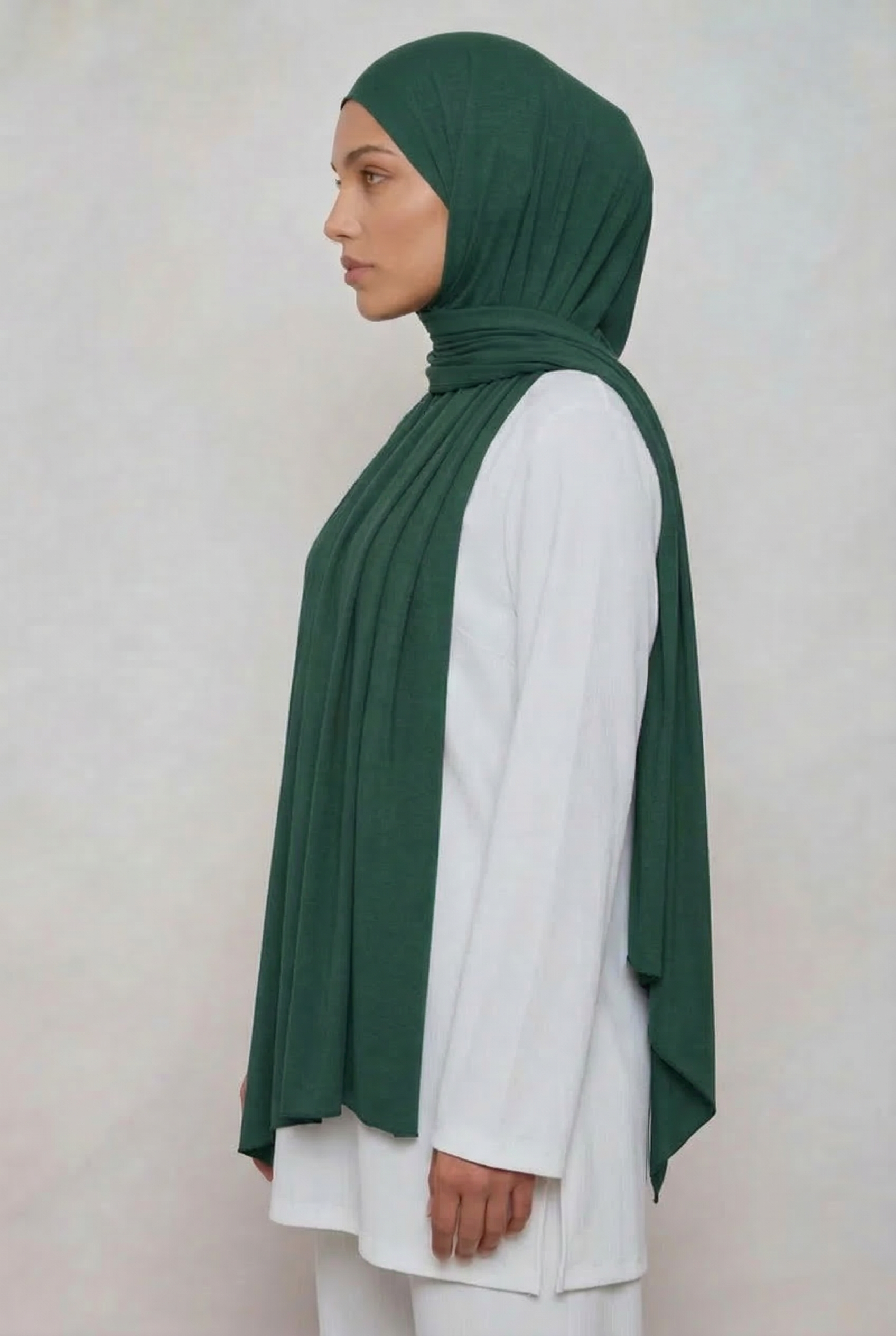
The contemporary fashion landscape presents a unique challenge for hijab designers worldwide: how to honor centuries-old religious and cultural traditions while embracing modern aesthetics and consumer expectations. This delicate balance has given rise to a dynamic fashion segment where innovation meets heritage, creating hijab designs that resonate with today's modest fashion enthusiasts without compromising core values. Understanding this evolution requires examining the intricate relationship between tradition, modernity, and the global fashion industry's influence on modest wear.
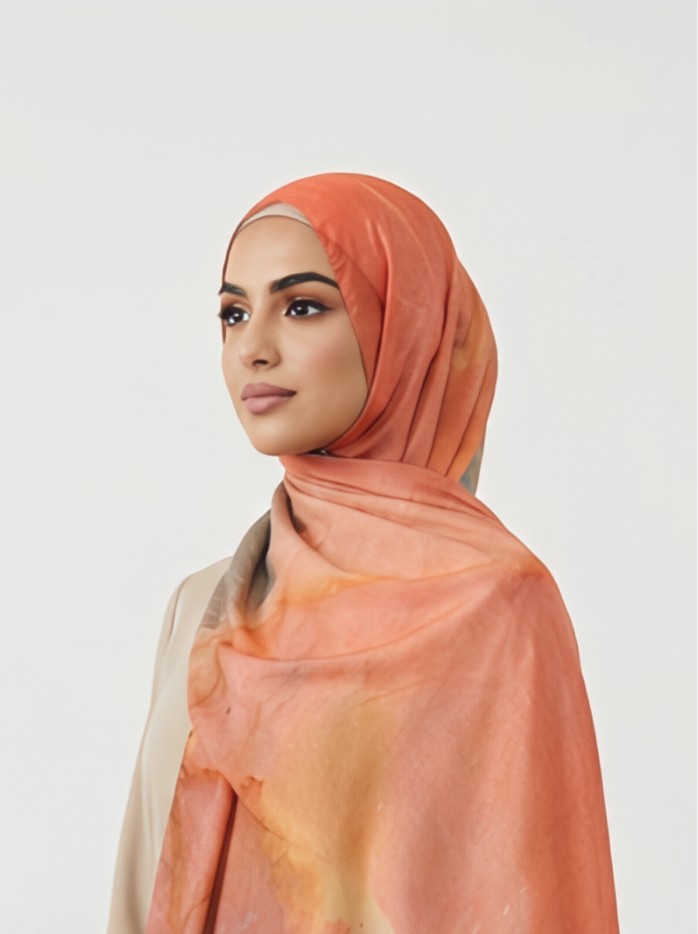
The adaptation process involves multiple stakeholders including designers, manufacturers, religious scholars, and consumers who collectively shape what constitutes acceptable modern hijab design. This collaborative evolution has transformed the hijab from a simple head covering into a sophisticated fashion statement that maintains religious significance while incorporating contemporary elements such as innovative fabrics, diverse styling options, and trend-responsive colors and patterns. The journey of hijab design adaptation reveals broader insights into how faith-based fashion navigates the tension between permanence and change in an increasingly globalized marketplace.
The Foundation of Traditional Hijab Values in Modern Design
Core Religious Principles Guiding Hijab Design
The fundamental religious principles underlying hijab design remain non-negotiable regardless of fashion trends. These principles include adequate coverage of the hair, neck, and chest area, opaque fabrics that do not reveal body contours, and modest proportions that maintain the garment's primary purpose of concealment. Contemporary hijab designers work within these established boundaries, viewing them not as limitations but as creative parameters that define authentic modest fashion. The hijab continues to serve its essential religious function even as its aesthetic presentation evolves to reflect current tastes.
Modern designers maintain these core values by consulting with religious authorities and community leaders during the development process. This collaborative approach ensures that innovative hijab designs do not inadvertently cross boundaries of religious acceptability. Fabric selection processes prioritize materials that meet opacity standards while offering contemporary textures and finishes. The commitment to traditional values provides a stable foundation that allows for creative expression within clearly defined parameters, giving consumers confidence that fashionable choices remain religiously appropriate.
Cultural Heritage as Design Inspiration
Traditional cultural elements from various Muslim-majority regions provide rich inspiration for contemporary hijab design without requiring strict replication of historical styles. Designers draw from Ottoman embroidery patterns, Persian textile traditions, North African color palettes, and Southeast Asian batik techniques to create pieces that honor heritage while speaking to modern sensibilities. This approach allows the hijab to function as a cultural bridge, connecting wearers to their ancestral traditions while participating in global fashion conversations.
The incorporation of cultural heritage into modern hijab design often involves reinterpreting traditional motifs through contemporary design languages. Classic geometric patterns might be reimagined in unexpected color combinations, or traditional embroidery techniques might be applied to innovative fabric substrates. This reinterpretation strategy respects the source material while creating fresh expressions that resonate with younger generations seeking both cultural connection and contemporary relevance. The result is a hijab category that feels simultaneously timeless and current, rooted yet evolving.
The Role of Community Standards in Design Boundaries
Community acceptance plays a crucial role in determining which design adaptations succeed in the marketplace. Different Muslim communities maintain varying standards regarding appropriate hijab styling, creating diverse market segments with distinct preferences. Designers must navigate these community-specific expectations while pursuing broader fashion trends, often creating multiple product lines that serve different observance levels and cultural backgrounds. This community-responsive approach ensures that hijab designs remain socially acceptable within their intended wearing contexts.
Market research and community engagement inform designers about acceptable innovation boundaries. Focus groups, social media listening, and retail feedback reveal which trends resonate positively and which provoke resistance. This ongoing dialogue between designers and communities creates a dynamic feedback loop that guides the evolution of hijab design. The process demonstrates that maintaining traditional values in fashion is not about static preservation but about continuous negotiation between heritage principles and contemporary expression within community-defined parameters.
Mechanisms of Trend Integration in Contemporary Hijab Design
Selective Adoption of Runway Trends
Hijab designers selectively adopt elements from international fashion weeks and runway presentations, filtering global trends through the lens of modest fashion requirements. Color forecasts, fabric innovations, and silhouette trends appearing in mainstream fashion are evaluated for compatibility with hijab design principles. Successful integration typically involves adapting trend elements rather than direct translation, such as incorporating trending color palettes into hijab prints or applying popular textile finishes to appropriately modest fabrics. This selective process allows the hijab to participate in fashion's seasonal cycles while maintaining its distinctive character.
The timeline for trend adoption in hijab design often lags slightly behind mainstream fashion, allowing designers to assess which trends have lasting appeal versus fleeting novelty. This measured approach protects consumers from investing in hijab pieces that quickly feel dated while still offering contemporary styling options. Designers focus particularly on trends related to texture, drape, finishing details, and accessorizing possibilities, as these elements translate well to hijab applications without compromising coverage requirements. The selective adoption strategy maintains the hijab's fashion relevance while respecting its functional and symbolic purposes.
Fabric Technology and Material Innovation
Advances in textile technology have dramatically expanded design possibilities for the hijab while maintaining traditional coverage standards. Performance fabrics offering moisture-wicking properties, wrinkle resistance, and enhanced breathability allow hijab wearers to maintain coverage comfortably in diverse climates and activity levels. These functional innovations represent significant adaptations to modern lifestyles without altering the hijab's essential form or purpose. Material innovation serves as a primary vehicle for updating the hijab experience while preserving traditional values.
Contemporary hijab collections increasingly feature technical fabrics borrowed from athletic wear and professional uniforms, adapted to meet modest fashion requirements. Modal, bamboo blends, and specialized synthetic fibers offer improved comfort and care properties compared to traditional cotton or polyester options. These material choices reflect changing consumer expectations for performance and convenience while maintaining the opacity and drape characteristics essential to proper hijab function. The integration of advanced textiles demonstrates how technological progress can enhance traditional garments without compromising their core attributes or religious significance.
Styling Versatility and Multi-Wear Design
Modern hijab design increasingly emphasizes versatility, with pieces engineered for multiple styling methods that allow personal expression within modest parameters. Pre-sewn hijab styles, adjustable construction details, and reversible designs offer wearers options to adapt a single piece to different occasions or preferences. This versatility responds to contemporary consumer desires for wardrobes that work harder and offer more value, adapting traditional hijab concepts to modern lifestyle demands.
Tutorial content and styling guides have become integral to hijab product development, with designers creating pieces specifically intended for multiple configuration methods. This approach transforms the hijab from a static garment into a dynamic fashion element that wearers can personalize. The emphasis on styling versatility maintains traditional coverage principles while accommodating diverse aesthetic preferences and practical needs. By designing for multiple wearing possibilities, manufacturers help hijab fashion adapt to changing trends through styling variation rather than requiring constant garment replacement.
Market Forces Driving Hijab Design Evolution
Global Modest Fashion Industry Growth
The emergence of modest fashion as a recognized global fashion category has accelerated hijab design innovation by attracting investment, talent, and media attention. International fashion capitals now host modest fashion weeks, major retailers dedicate sections to modest wear, and mainstream designers create hijab-friendly collections. This market expansion has professionalized hijab design, bringing sophisticated design methodologies and quality manufacturing standards to a category that previously relied more heavily on small-scale production. The global modest fashion economy creates incentives for continuous innovation in hijab design.
Market growth has also diversified the hijab consumer base, with converts, younger generations, and fashion-conscious professionals seeking options beyond traditional offerings. This demographic expansion drives demand for hijab designs that integrate seamlessly with contemporary professional and casual wardrobes. Designers respond by creating pieces that coordinate with current fashion trends in ready-to-wear clothing, ensuring that hijab wearers can participate fully in fashion culture. The commercial success of innovative hijab designs validates the strategy of adapting to trends while maintaining core values.
Social Media Influence and Consumer Co-Creation
Social media platforms have transformed hijab fashion by enabling direct communication between designers and consumers while showcasing diverse styling possibilities. Instagram, TikTok, and Pinterest serve as trend incubators where hijab styling innovations spread rapidly and consumer preferences become immediately visible. Influencers and everyday users share styling tutorials, product reviews, and outfit combinations that inform both consumer choices and designer decisions. This digital ecosystem accelerates trend cycles in hijab fashion while democratizing participation in design conversations.
The social media environment has created a form of consumer co-creation in hijab design, where popular styling methods demonstrated online influence subsequent product development. Designers monitor trending hashtags, popular styling techniques, and viral hijab content to identify emerging preferences and unmet needs. This responsive approach ensures that hijab designs remain aligned with actual wearing practices rather than designer assumptions. The feedback loop between online community and design studio drives continuous adaptation, making hijab fashion more responsive to changing preferences while community standards ensure traditional values remain central.
Retail Environment and Distribution Channel Evolution
The expansion of hijab distribution beyond specialty Islamic stores into mainstream retail environments has influenced design approaches. Department stores, fast-fashion retailers, and online marketplaces now stock hijab collections, requiring designs that appeal to broader audiences and fit within existing merchandising frameworks. This retail evolution pushes designers toward styles that balance distinctiveness with mainstream fashion compatibility, ensuring hijab offerings feel cohesive within diverse retail contexts while maintaining their specific purpose and values.
E-commerce platforms have particularly impacted hijab design by enabling niche products to reach global audiences without requiring physical retail presence. Online distribution supports greater design experimentation and specialization, as designers can serve specific style preferences or cultural backgrounds without needing broad mainstream appeal. The digital marketplace allows traditional and innovative hijab designs to coexist, giving consumers access to both heritage-focused pieces and trend-forward options. This distribution diversity supports the hijab category's ability to adapt to changing fashion trends while maintaining traditional offerings for consumers who prefer them.
Design Strategies Balancing Innovation and Tradition
Evolutionary Rather Than Revolutionary Change
Successful hijab designers typically pursue evolutionary rather than revolutionary change, introducing innovations gradually to maintain community acceptance. This incremental approach allows consumers to adjust to new styling concepts while designers assess market reception before proceeding further. Small modifications in proportions, subtle pattern updates, or gradual color palette expansions maintain continuity with established hijab aesthetics while gently pushing boundaries. This measured innovation strategy respects the hijab's cultural and religious significance while preventing stagnation.
The evolutionary approach also provides stability for manufacturers and retailers who require predictable product categories and consistent consumer demand. Dramatic departures from established hijab design conventions risk market rejection and inventory problems, making gradual adaptation more commercially viable. By accumulating small innovations over time, the hijab category achieves substantial evolution without triggering resistance from traditionalist consumers or community authorities. This strategy demonstrates that maintaining traditional values in fashion does not preclude change but rather requires thoughtful pacing and respectful implementation.
Differentiated Product Lines for Varied Observance Levels
Many hijab brands manage the tension between tradition and trends by offering differentiated product lines serving consumers with varying observance levels and style preferences. Conservative lines emphasize coverage, neutral colors, and traditional styling, while contemporary lines explore bolder patterns, fashion-forward colors, and innovative construction. This segmentation strategy allows brands to serve diverse market segments without forcing all consumers toward a single design philosophy. The approach acknowledges that maintaining traditional values means different things to different wearers.
Product line differentiation enables brands to experiment with trend integration in fashion-forward collections while protecting core traditional offerings. Conservative consumers maintain access to hijab designs aligned with their preferences, while fashion-conscious wearers find options that reflect current trends. This parallel approach prevents the hijab category from fragmenting into entirely separate traditional and contemporary markets, instead maintaining connection through shared brand values and quality standards. The strategy demonstrates commercial wisdom in managing fashion categories with strong value dimensions alongside aesthetic considerations.
Collaboration Between Religious Scholars and Designers
Progressive hijab brands increasingly formalize collaboration between fashion designers and religious scholars to ensure innovations remain within acceptable boundaries. These partnerships provide religious guidance during the design process rather than after products are completed, preventing costly mistakes and ensuring consumer confidence. Scholars help designers understand which modifications preserve essential hijab functions and which would compromise religious requirements. This proactive consultation approach facilitates innovation by clarifying boundaries rather than simply restricting creativity.
The designer-scholar collaboration model also helps educate both parties, with scholars gaining insight into fashion industry realities and market demands while designers deepen their understanding of religious principles. This mutual education fosters solutions that satisfy both religious requirements and commercial viability. The collaborative approach transforms potential conflicts between tradition and innovation into productive dialogues that advance the hijab category. By involving religious authorities in design development, brands strengthen their credibility with observant consumers while gaining confidence to pursue meaningful innovations.
FAQ
Can hijab designs incorporate animal prints and bold patterns while remaining appropriate for religious wear?
Yes, hijab designs can incorporate animal prints and bold patterns provided they meet core religious requirements of adequate coverage, opacity, and modest presentation. The pattern itself does not typically affect religious acceptability as long as the fabric maintains appropriate opacity and the overall design serves the hijab's purpose of modest covering. Many contemporary hijab collections feature leopard prints, zebra patterns, and bold geometric designs that appeal to fashion-conscious consumers while fully satisfying religious requirements. The key consideration is whether the pattern draws excessive attention in ways that contradict the modesty purpose, which varies by community standards and individual interpretation.
How do seasonal fashion trends affect hijab color and pattern choices throughout the year?
Seasonal fashion trends significantly influence hijab color and pattern offerings, with manufacturers releasing collections aligned with spring/summer and fall/winter fashion cycles. Lighter colors, floral patterns, and breathable fabrics dominate warm-season collections, while deeper tones, richer textures, and heavier materials characterize cold-season offerings. This seasonal approach mirrors broader fashion industry practices and helps hijab wearers coordinate their head coverings with seasonal wardrobes. However, classic neutral colors remain available year-round as foundational pieces, ensuring that trend-responsive seasonal options complement rather than replace traditional choices.
What role do younger generations play in pushing hijab design toward more fashion-forward directions?
Younger generations, particularly millennials and Gen Z consumers, serve as primary drivers for fashion-forward hijab design through their purchasing power, social media influence, and expectations for products that reflect contemporary aesthetics. These consumers grew up with modest fashion as an established category and expect hijab options comparable in style and quality to mainstream fashion accessories. Their comfort with blending religious observance and fashion consciousness encourages designers to pursue bolder innovations. However, younger consumers also demonstrate strong commitment to religious principles, ensuring that fashion-forward hijab designs maintain traditional values even as they embrace contemporary styling.
How do designers ensure that trendy hijab designs remain appropriate for religious and cultural contexts?
Designers ensure appropriateness through multiple mechanisms including religious scholar consultations, community feedback integration, adherence to coverage and opacity standards, and testing with focus groups representing target communities. Most reputable hijab designers maintain clear design guidelines that define non-negotiable religious requirements versus flexible aesthetic elements. They also monitor community responses to released products and adjust future designs based on reception. Additionally, many designers come from observant Muslim backgrounds themselves, providing personal understanding of appropriate boundaries. This multi-layered approach allows trend integration while maintaining designs that function properly within religious and cultural contexts where hijab is worn.
Table of Contents
- The Foundation of Traditional Hijab Values in Modern Design
- Mechanisms of Trend Integration in Contemporary Hijab Design
- Market Forces Driving Hijab Design Evolution
- Design Strategies Balancing Innovation and Tradition
-
FAQ
- Can hijab designs incorporate animal prints and bold patterns while remaining appropriate for religious wear?
- How do seasonal fashion trends affect hijab color and pattern choices throughout the year?
- What role do younger generations play in pushing hijab design toward more fashion-forward directions?
- How do designers ensure that trendy hijab designs remain appropriate for religious and cultural contexts?