
 EN
EN


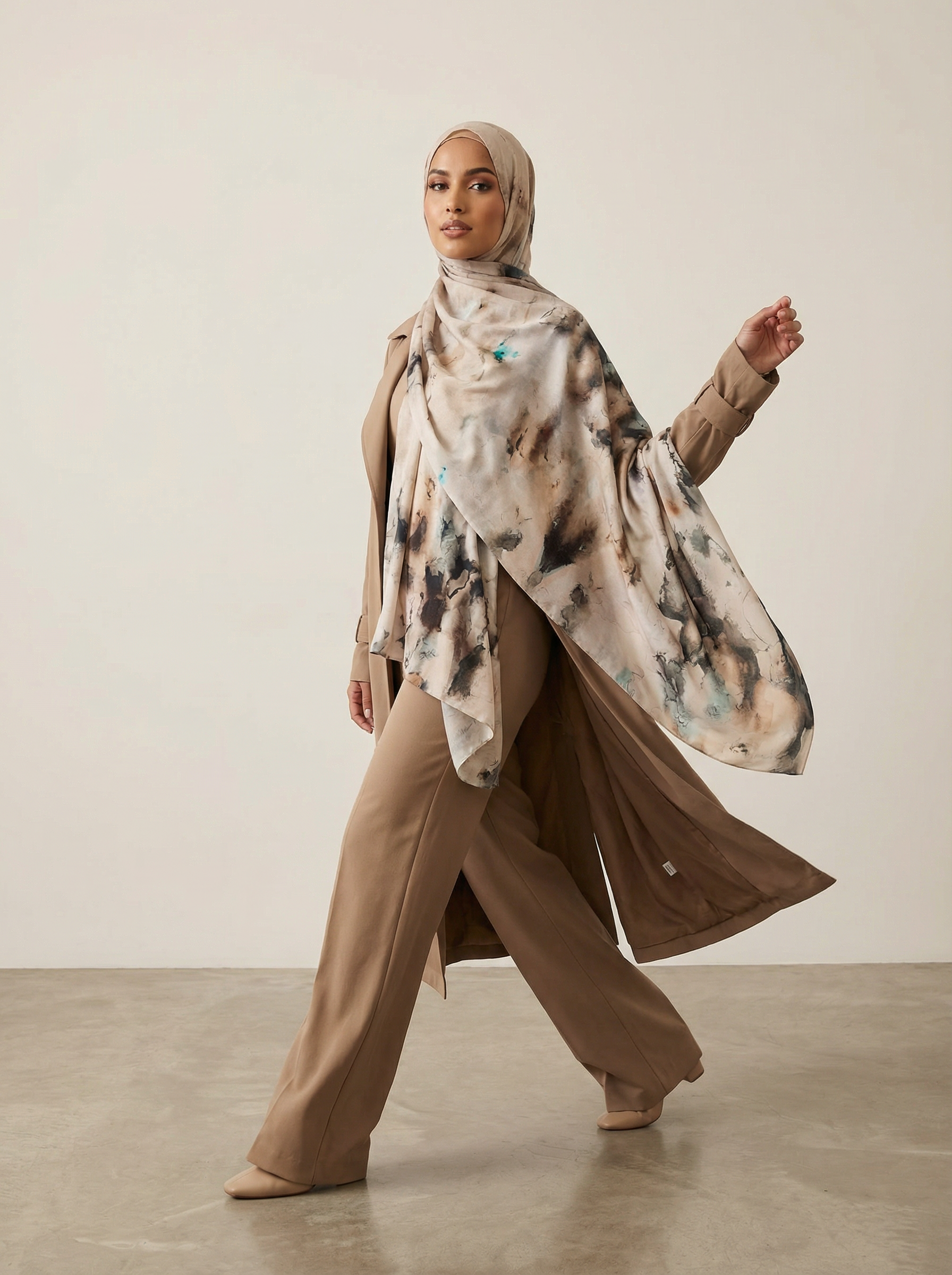
Modern headwear design increasingly prioritizes the delicate balance between fabric performance and wearer comfort, particularly in the modest fashion industry where hijab modal has emerged as a transformative textile innovation. Modal fiber, derived from sustainably harvested beechwood cellulose through a specialized spinning process, offers unique molecular characteristics that fundamentally alter how fabric interacts with body movement and environmental conditions. The integration of this semi-synthetic fiber into hijab production addresses long-standing challenges related to fabric weight, static cling, breathability, and aesthetic flow that traditional materials like cotton or polyester struggle to resolve simultaneously.
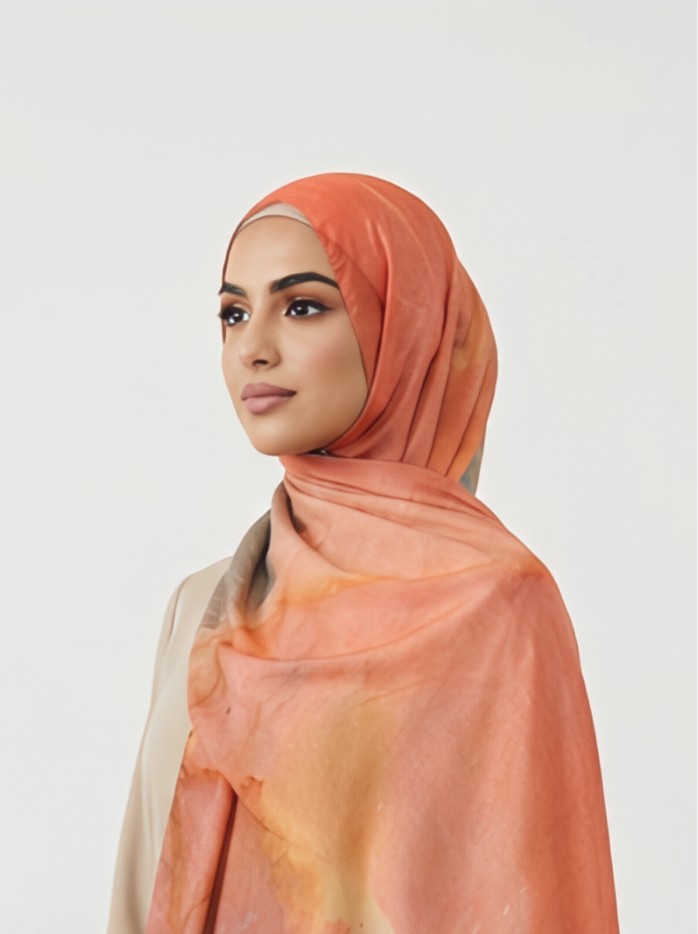
Understanding how hijab modal achieves superior softness and drape requires examining both the microscopic fiber structure and the macroscopic fabric behavior during wear. Modal fibers possess a smoother surface topology compared to cotton, with fewer protruding fiber ends that typically create roughness and friction. This structural refinement translates directly into enhanced tactile softness that remains consistent through repeated washing cycles, addressing a critical performance metric for daily-wear hijabs. The drape performance, measured by how fabric hangs and moves under gravitational force, depends on fiber flexibility, weight distribution, and inter-yarn cohesion—all properties where modal demonstrates measurable advantages over conventional hijab materials.
The Molecular Foundation of Modal Softness in Hijab Applications
Fiber Surface Characteristics and Tactile Quality
The exceptional softness of hijab modal originates at the fiber production stage, where controlled chemical processes create an extraordinarily smooth fiber surface. Unlike cotton fibers that exhibit natural convolutions and irregular cross-sections, modal fibers emerge from the spinning process with uniform cylindrical shapes and minimal surface irregularities. This structural consistency reduces friction coefficients between individual fibers within the yarn structure, resulting in a fabric surface that glides smoothly against skin without causing irritation or discomfort during extended wear periods. The reduction in surface friction becomes particularly important in hijab applications where fabric frequently contacts sensitive facial skin and hair.
Laboratory measurements using Kawabata Evaluation System protocols demonstrate that hijab modal fabrics consistently achieve lower surface friction values compared to cotton or viscose alternatives. This quantifiable difference explains why wearers describe modal hijabs as feeling silkier and more luxurious against the skin. The smooth fiber surface also minimizes fiber migration and pilling, maintaining the soft hand feel even after dozens of laundering cycles. For manufacturers seeking to position products in premium market segments, this durability of softness represents a significant value proposition that justifies higher price points while delivering genuine performance benefits.
Moisture Absorption and Its Impact on Softness Perception
The hygroscopic properties of hijab modal directly influence perceived softness through moisture management mechanisms. Modal fibers can absorb approximately fifty percent more moisture than cotton while maintaining structural integrity and dimensional stability. This superior moisture absorption prevents the fabric from feeling damp or clammy during perspiration, a common complaint with synthetic hijab materials that trap moisture against the skin. The absorbed moisture distributes evenly throughout the fiber matrix rather than pooling on the surface, maintaining a consistently dry tactile sensation that users interpret as enhanced softness and comfort.
During humid conditions or physical activity, the moisture-wicking capability of hijab modal becomes crucial for maintaining comfort. As perspiration occurs, the fiber structure rapidly absorbs and transports moisture away from the skin surface through capillary action within the fiber's porous molecular structure. This dynamic moisture management prevents the fabric from adhering to skin or losing its characteristic drape, issues that compromise both comfort and aesthetic presentation in traditional cotton hijabs. The breathability inherent in modal fiber construction allows absorbed moisture to evaporate efficiently, creating a microclimate regulation system that keeps the wearer comfortable across varying environmental conditions.
Chemical Structure and Long-Term Softness Retention
The chemical composition of hijab modal provides inherent resistance to the hardening effects that degrade cotton softness over time. Modal's cellulosic chains exhibit greater molecular order and crystallinity compared to natural cotton fibers, creating stronger intermolecular bonds that resist mechanical degradation during washing and wearing. This molecular stability means that hijab modal maintains its original soft hand feel significantly longer than cotton alternatives, which tend to become rougher as repeated laundering disrupts the fiber structure and causes surface fibrillation.
Furthermore, the production process for modal fibers removes lignin and other compounds that contribute to fabric stiffness, resulting in a purer cellulose structure that naturally remains supple. This chemical purity reduces the need for fabric softeners or conditioning treatments, which can build up on fabric surfaces and eventually create waxy residues that compromise breathability. For consumers seeking low-maintenance hijab options, the self-sustaining softness of modal eliminates the ritual of adding fabric softeners with each wash, simplifying care routines while reducing exposure to potentially irritating chemical additives.
Drape Performance Mechanics in Hijab Modal Fabrics
Gravitational Flow and Fabric Weight Distribution
The exceptional drape characteristics of hijab modal stem from the fiber's unique combination of flexibility and weight distribution properties. Drape coefficient measurements, which quantify how fabric hangs under its own weight, consistently show modal fabrics achieving lower values than cotton or polyester blends of comparable thickness. This superior drape results from the fiber's molecular structure, which allows individual filaments to bend and flex without creating stiff creases or resistance points that interrupt smooth fabric flow. When worn as a hijab, this translates into elegant cascading folds that frame the face naturally without requiring complex styling or pinning techniques.
The weight-to-strength ratio of hijab modal enables manufacturers to create lighter fabrics that still possess sufficient body to drape properly. Lighter weight directly improves comfort during extended wear, particularly in warm climates where heavier fabrics can feel oppressive. However, insufficient fabric weight leads to limp, shapeless draping that lacks visual appeal and structural definition. Modal fibers resolve this tension by providing adequate weight for graceful draping while remaining lighter than cotton fabrics of equivalent drape quality. This optimization allows designers to create hijabs that feel weightless yet maintain the visual presence and modest coverage that the garment requires.
Flexibility and Recovery from Folding Stress
The molecular flexibility of hijab modal fibers directly influences how fabric responds to folding, twisting, and styling manipulations common in hijab wearing. Unlike stiffer fibers that retain creases and resist conforming to desired shapes, modal fibers exhibit elastic recovery properties that allow fabric to return to smooth configurations after being manipulated. This characteristic proves particularly valuable for hijab styles that require pleating, gathering, or other dimensional shaping techniques. The fabric conforms to styling intentions during pinning or wrapping, then maintains those shapes without developing sharp creases that create visual discontinuities or uncomfortable pressure points.
Testing protocols that measure fabric bending rigidity demonstrate that hijab modal requires significantly less force to achieve curvature compared to cotton fabrics of similar construction. This reduced bending rigidity translates into drape that appears more fluid and natural, responding gracefully to body movement rather than maintaining rigid configurations. When a wearer turns her head or adjusts her position, modal hijab fabric flows and settles into new arrangements smoothly, avoiding the bunching or distortion common with stiffer materials. This dynamic drape quality enhances both comfort and aesthetic presentation, particularly important for professional settings where polished appearance matters.
Surface Friction and Inter-Layer Movement
The low surface friction coefficient of hijab modal affects drape performance through multiple mechanisms related to how fabric layers interact during wear. When hijabs are wrapped in multiple layers, as many styling traditions require, the ability of fabric layers to slide smoothly over one another without catching or bunching determines overall drape quality. Modal's smooth fiber surface minimizes inter-layer friction, allowing fabric to adjust and redistribute weight naturally as the wearer moves. This self-adjusting quality maintains consistent drape throughout the day without requiring frequent readjustment, a practical advantage that working professionals particularly appreciate.
The reduced friction also influences how hijab modal interacts with hair and undergarments typically worn beneath the outer hijab layer. Cotton fabrics often grip hair and create static electricity that causes flyaway strands and uncomfortable pulling sensations. Modal's natural conductivity and smooth surface virtually eliminate static buildup while allowing gentle sliding motion over hair without disturbance. This friction management extends to the interaction between hijab and undercaps, where smooth surfaces prevent the binding and shifting that can pull the outer hijab out of position. The cumulative effect of these friction reductions is hijab modal that stays properly positioned while maintaining its intended drape configuration throughout active daily routines.
Textile Engineering Factors That Enhance Modal Performance
Yarn Construction and Thread Count Optimization
The translation of modal fiber properties into finished hijab performance depends critically on yarn construction techniques that preserve inherent fiber qualities while creating durable textile structures. Manufacturers typically employ ring-spinning processes for hijab modal yarns, which align fibers more uniformly than alternative spinning methods and create smoother yarn surfaces that enhance the fabric's final softness. Thread count decisions balance softness against opacity and durability requirements, with most premium hijab modal fabrics utilizing counts between 150 and 200 threads per square inch to achieve optimal performance across multiple criteria.
Higher thread counts generally improve opacity and durability but can reduce drape if yarn packing becomes too dense and restricts fabric flexibility. Skilled textile engineers working with hijab modal optimize this balance by adjusting yarn twist levels and fabric construction parameters to maintain the characteristic fluid drape while meeting coverage requirements. The goal involves creating fabric structures where yarns can move relative to one another during draping while maintaining sufficient inter-yarn cohesion to prevent transparency or dimensional instability. When properly executed, these construction techniques allow hijab modal to achieve drape characteristics superior to those of heavier, more densely constructed cotton alternatives.
Finishing Processes That Preserve Natural Properties
Post-weaving finishing treatments significantly influence whether hijab modal maintains its inherent softness and drape advantages or loses them through inappropriate chemical processing. Mechanical finishing techniques such as calendering or pressing must be carefully controlled to avoid compressing the fabric structure in ways that reduce flexibility and compromise drape. Heat setting processes require precise temperature control because excessive heat can alter modal's molecular structure and reduce its characteristic softness. Quality-focused manufacturers employ gentle finishing protocols that enhance fabric properties without introducing stiffness or surface modifications that would counteract modal's natural performance benefits.
Chemical finishing agents applied to hijab modal require similar restraint and careful selection. While some treatments improve wrinkle resistance or color fastness, harsh chemicals can coat fiber surfaces and eliminate the smooth texture that creates modal's signature soft hand feel. Forward-thinking manufacturers increasingly adopt minimal finishing philosophies that rely on modal's inherent properties rather than attempting to artificially enhance performance through chemical additives. This approach preserves breathability and moisture management capabilities while maintaining the pure tactile quality that distinguishes hijab modal from chemically treated alternatives. The result delivers fabric that performs optimally straight from production without degradation over time as chemical treatments wash out.
Blend Strategies for Enhanced Functional Properties
While pure hijab modal offers exceptional softness and drape, strategic fiber blending can enhance specific performance characteristics for particular market segments. Small percentages of elastane or spandex fibers, typically two to five percent, introduce stretch recovery that helps hijabs maintain shape after styling manipulations. This elasticity proves particularly valuable for sport hijab applications where fabric must accommodate dynamic movement without losing configuration. The addition of stretch components does slightly reduce the characteristic fluid drape of pure modal, requiring careful balance to preserve the aesthetic qualities that make hijab modal desirable while adding functional stretch.
Blending hijab modal with small amounts of cotton can improve dimensional stability and reduce production costs while retaining most of modal's performance advantages. Blends containing seventy percent modal and thirty percent cotton typically maintain the superior softness and drape of pure modal while gaining improved moisture absorption and slightly increased fabric body. These blends appeal to manufacturers seeking to position products at mid-tier price points that remain accessible to broader consumer bases while delivering noticeable performance improvements over pure cotton alternatives. The key lies in maintaining modal as the dominant fiber component to ensure its characteristics define the fabric's behavior rather than being diluted by the blend partner.
Practical Design Applications and Styling Advantages
Minimalist Draping Techniques Enabled by Modal Properties
The inherent drape quality of hijab modal enables simplified styling approaches that reduce the complexity and time required for daily hijab wearing. Traditional cotton hijabs often require extensive pinning, tucking, and layering to achieve desired silhouettes and maintain coverage throughout the day. Modal's superior drape allows single-layer configurations to hang elegantly without the bulky appearance that multiple cotton layers create. This minimalist approach reduces heat burden and simplifies morning routines while delivering aesthetically refined presentations that work well in professional environments where understated elegance proves advantageous.
The self-draping characteristic of hijab modal means that fabric naturally settles into flattering configurations without extensive manual arrangement. Wearers can achieve graceful shoulder drapes and facial framing with minimal adjustment, as the fabric's flexibility and weight distribution guide it into aesthetically pleasing positions. This ease of styling particularly benefits newer hijab wearers who may lack experience with complex wrapping techniques, democratizing access to polished hijab presentations. The reduced styling complexity also makes hijab modal practical for rushed mornings or travel situations where time and mirror access may be limited but professional appearance remains important.
Movement Response and Dynamic Wear Performance
The flexibility of hijab modal creates distinctive movement characteristics that enhance wearer confidence during active daily routines. As wearers walk, turn, or engage in physical activities, modal fabric moves with body motion rather than maintaining rigid configurations that emphasize each movement. This responsive draping creates a more natural appearance that integrates hijab into overall presentation rather than making it appear as a separate, static element. The fluid movement quality proves particularly valuable in professional settings where excessive fabric motion can appear distracting, as modal's controlled responsiveness strikes a balance between rigid stiffness and excessive fluttering.
Wind response represents another practical dimension where hijab modal demonstrates advantages over lighter synthetic alternatives. While the fabric possesses sufficient weight to resist lifting in moderate breezes, its flexibility allows it to move with stronger gusts rather than catching wind and pulling away from proper positioning. This wind management occurs naturally without requiring additional weighting or special construction techniques. For wearers in urban environments or coastal areas where wind exposure is routine, this characteristic translates into reduced anxiety about coverage maintenance and fewer interruptions to adjust hijab positioning throughout the day.
Seasonal Versatility Through Temperature Regulation
The breathability and moisture management properties of hijab modal create thermal regulation advantages that extend wearability across seasonal temperature variations. During warm weather, the fabric's ability to absorb and transport moisture away from skin while allowing air circulation prevents the overheating and discomfort common with synthetic alternatives. The smooth fiber surface reduces friction-generated heat, and the open fiber structure facilitates continuous airflow that removes body heat. These cooling mechanisms make hijab modal practical for summer wear in ways that heavier cotton fabrics cannot match, expanding the garment's utility beyond cooler seasons.
Conversely, modal's insulating properties when worn in multiple layers provide adequate warmth for cooler conditions without the bulk that characterizes heavy cotton hijabs. The fiber structure traps air between fabric layers, creating insulation that maintains comfortable temperature regulation during winter months. This seasonal versatility means that hijab modal serves year-round needs without requiring extensive wardrobe changes, delivering economic value alongside performance benefits. The ability to transition seamlessly between climate-controlled indoor environments and varied outdoor conditions makes hijab modal particularly suitable for modern lifestyles that involve frequent environmental transitions throughout the day.
Care, Maintenance, and Longevity Considerations
Washing Protocols That Preserve Performance Characteristics
Proper laundering practices significantly influence how long hijab modal maintains its characteristic softness and drape through repeated wear cycles. Modal fibers demonstrate good dimensional stability when washed in cool to warm water, typically below forty degrees Celsius, using gentle detergents free from harsh alkaline compounds or bleaching agents. The smooth fiber surface resists soil accumulation more effectively than cotton, meaning that hijab modal often requires less aggressive washing to achieve cleanliness. Gentle wash cycles with reduced agitation preserve fiber alignment within yarns and prevent the mechanical stress that gradually degrades textile structure over time.
Drying methods particularly impact long-term performance retention in hijab modal fabrics. While modal tolerates machine drying better than many cellulosic fibers, air drying or low-temperature tumble drying preserves softness and drape characteristics most effectively. High heat can cause fiber shrinkage and surface changes that reduce the smooth texture responsible for modal's signature feel. Line drying allows gravity to maintain fabric shape and prevent the crumpling that can occur during tumble drying, though this method requires more time and suitable drying space. For optimal longevity, many manufacturers recommend alternating between air drying and low-heat machine drying to balance convenience against performance preservation.
Storage Practices and Wrinkle Management
The wrinkle resistance of hijab modal simplifies storage requirements compared to linen or heavily cotton-based alternatives that crease readily during storage. Modal's elastic recovery properties allow fabric to release minor wrinkles naturally when hung, often without requiring ironing for casual wear contexts. For storage between wearing occasions, loosely folding or draping hijab modal over hangers prevents sharp creases while allowing air circulation that maintains freshness. The fabric's resistance to permanent creasing means that even hijabs stored in drawers or travel bags regain smooth appearance quickly when removed and allowed to hang briefly before wearing.
When pressing becomes necessary for formal occasions requiring perfectly smooth presentation, hijab modal responds well to moderate iron temperatures, typically corresponding to synthetic or wool settings on standard irons. The use of steam proves particularly effective for releasing wrinkles without direct heat contact that might damage fiber surfaces. Many wearers find that hanging hijab modal in bathrooms during showers provides sufficient steam exposure to release minor wrinkles without formal ironing. This low-maintenance wrinkle management aligns with busy modern lifestyles where time-consuming garment care routines compete with numerous other demands.
Color Retention and Aesthetic Longevity
The dyeing characteristics of hijab modal contribute to long-term aesthetic appeal through superior color retention compared to cotton alternatives. Modal's smooth, uniform fiber structure accepts dyes evenly and holds them tenaciously within the fiber matrix, resulting in rich, vibrant colors that resist fading through repeated washing and sun exposure. This colorfastness proves particularly important for hijabs, which receive frequent laundering and extended sun exposure during outdoor wear. The ability to maintain original color intensity ensures that hijab modal retains its visual appeal throughout its usable lifespan rather than developing the faded, worn appearance that prompts premature replacement.
The resistance to color fading extends to maintaining color consistency across the fabric surface, avoiding the uneven lightening that can occur with cotton fabrics where dye release varies across different fiber regions. This uniform aging characteristic ensures that hijab modal maintains professional appearance even after months of regular use. For fashion-conscious consumers who invest in premium hijab modal pieces with distinctive colors or prints, this color longevity protects their investment and allows signature pieces to remain wardrobe staples rather than becoming disposable seasonal items. The combination of maintained softness, drape, and color creates comprehensive longevity that justifies the higher initial cost associated with quality modal products.
FAQ
What makes hijab modal softer than regular cotton hijabs?
Hijab modal achieves superior softness through its smoother fiber surface structure created during the specialized production process. Modal fibers have fewer surface irregularities and protruding fiber ends compared to natural cotton, reducing friction and creating a silkier tactile sensation. Additionally, the production process removes lignin and other compounds that contribute to stiffness, resulting in purer cellulose that naturally remains supple. This inherent softness persists through repeated washing because modal's molecular structure resists the degradation that causes cotton to become rougher over time, eliminating the need for fabric softeners while maintaining consistent soft hand feel.
Does hijab modal maintain its drape quality after multiple washes?
Yes, hijab modal demonstrates excellent drape retention through numerous laundering cycles when properly cared for using appropriate washing protocols. The fiber's molecular stability and structural integrity resist the mechanical degradation that causes cotton to lose flexibility and develop stiffness over time. Modal's elastic recovery properties allow fibers to return to their original configurations after the stress of washing and wearing, maintaining the characteristic fluid drape. Using gentle wash cycles with cool water and mild detergents preserves the fiber alignment and smooth surface texture that enable superior drape performance, ensuring that hijab modal continues performing as intended throughout its extended usable lifespan.
Can hijab modal be worn comfortably in hot and humid climates?
Hijab modal performs exceptionally well in hot and humid conditions due to its superior moisture absorption and breathability characteristics. The fiber can absorb approximately fifty percent more moisture than cotton while maintaining a dry surface feel, preventing the clammy sensation common with synthetic materials. Modal's open fiber structure facilitates continuous airflow that removes body heat and allows absorbed perspiration to evaporate efficiently, creating effective temperature regulation. The smooth fiber surface reduces friction-generated heat, and the ability to create lightweight fabrics with adequate drape means hijab modal provides necessary coverage without oppressive weight, making it highly suitable for tropical and summer climates.
How should I care for hijab modal to maximize its softness and longevity?
Optimal care for hijab modal involves washing in cool to warm water below forty degrees Celsius using gentle cycles and mild detergents without harsh chemicals or bleach. Air drying or low-temperature tumble drying preserves softness better than high heat, which can alter fiber structure. Avoid fabric softeners, as modal's inherent softness makes them unnecessary and they can create residue buildup. For storage, loosely fold or hang hijab modal to prevent sharp creases, taking advantage of its natural wrinkle resistance. When pressing is needed, use moderate iron temperatures with steam, or simply hang in a steamy bathroom to release minor wrinkles. Following these practices maintains both softness and drape characteristics through extended use.