
 EN
EN


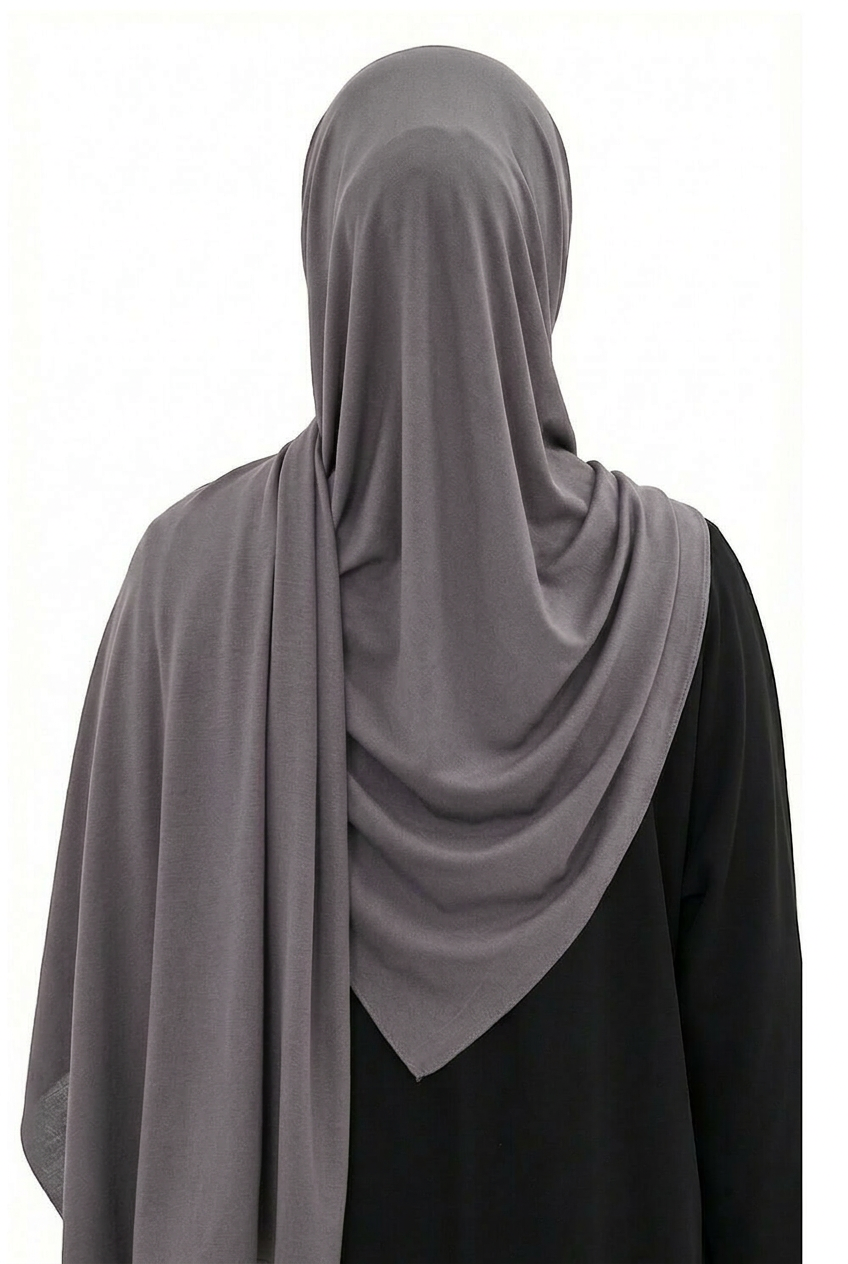
For contemporary modest fashion enthusiasts seeking comfort without compromising elegance, hijab modal has emerged as a transformative textile choice that addresses the dual challenges of breathability and aesthetic versatility. The selection of fabric directly influences daily comfort, particularly in warm climates or extended wear situations where traditional materials may trap heat and moisture. Modal fiber, derived from beech tree cellulose through an advanced manufacturing process, offers a unique combination of natural softness, moisture management capabilities, and draping characteristics that make it exceptionally well-suited for hijab applications. This specialized fabric responds to the practical needs of modern wearers who require garments that maintain their appearance throughout active days while providing superior comfort against the skin. Understanding why hijab modal delivers these performance benefits requires examining the intrinsic properties of the fiber itself, the engineering behind its breathability, and the specific ways these characteristics translate into real-world wearing advantages that distinguish it from cotton, polyester, and synthetic blends commonly used in modest fashion.
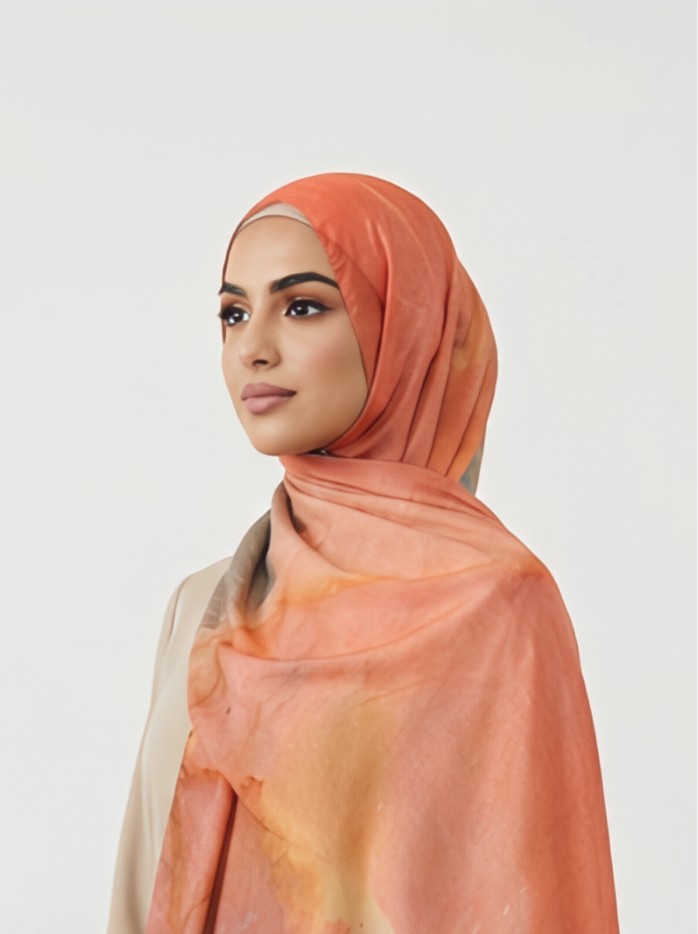
The breathability advantage of hijab modal stems from the microscopic structure of modal fibers and their interaction with ambient air and body moisture. Unlike synthetic materials that create barrier effects, modal maintains air circulation while simultaneously managing perspiration through a sophisticated wicking mechanism that moves moisture away from the skin surface. This dual functionality explains why wearers consistently report feeling cooler and more comfortable when choosing modal-based hijabs compared to conventional alternatives. The lightweight nature of the fabric compounds these benefits by reducing the overall mass in contact with the head and neck area, minimizing heat retention while still providing adequate coverage. Beyond mere comfort, these properties enable hijab modal to maintain its structural integrity and visual appeal even after prolonged wear in challenging environmental conditions, making it a practical choice for professional settings, outdoor activities, and travel scenarios where fabric performance directly impacts the wearer's confidence and convenience throughout the day.
The Molecular Architecture Behind Modal Fiber Breathability
Cellulosic Structure and Air Permeability
The breathable performance of hijab modal originates at the molecular level, where the cellulosic composition creates natural pathways for air circulation that synthetic polymers cannot replicate. Modal fibers are manufactured from reconstituted cellulose extracted from beech trees through a closed-loop spinning process that preserves the organic structure while enhancing uniformity. This manufacturing method produces fibers with a smooth surface morphology and consistent diameter that allows for tight weaving without compromising air passage between individual threads. The resulting fabric structure permits continuous air exchange while maintaining opacity and draping qualities essential for hijab applications. When examined under magnification, hijab modal reveals microscopic spaces between fibers that facilitate ventilation without creating transparency issues, a critical balance that distinguishes quality modal from loosely woven alternatives that sacrifice coverage for breathability.
The hygroscopic nature of modal cellulose further enhances breathability by actively interacting with atmospheric moisture rather than simply blocking or trapping it. Modal fibers can absorb approximately fifty percent more moisture than cotton while maintaining a dry surface feel, a property that prevents the clammy sensation associated with perspiration accumulation. This absorption occurs through hydrogen bonding sites within the cellulose polymer chains, which temporarily hold water molecules before releasing them to the surrounding environment through evaporation. For hijab modal wearers, this mechanism translates into continuous moisture management that keeps the fabric feeling fresh even during physical activity or in humid conditions. The fiber's ability to regulate this moisture transfer without becoming saturated or heavy represents a significant advantage over synthetic materials that either repel moisture entirely or absorb it without effective release mechanisms.
Fiber Fineness and Fabric Density Optimization
The exceptional breathability of hijab modal also derives from the fine denier measurements achievable during modal production, which allow manufacturers to create lightweight fabrics with superior coverage properties. Denier refers to the mass in grams of nine thousand meters of fiber, and modal can be produced at significantly lower denier values than cotton while maintaining comparable strength. This fineness enables weavers to construct hijab modal textiles with higher thread counts without increasing fabric weight or thickness, resulting in materials that feel substantial enough for confident wear yet remain permeable to air circulation. The engineering challenge lies in balancing thread density with porosity, ensuring that the fabric provides adequate opacity for modest coverage while preserving the ventilation channels that prevent heat buildup against the scalp and neck.
Fabric construction techniques specifically adapted for hijab modal production further optimize breathability through specialized weaving patterns that maximize surface area exposure to ambient air. Plain weave and twill constructions popular in hijab manufacturing create different air flow characteristics, with plain weaves generally offering more direct ventilation paths while twills provide enhanced draping and visual texture. Manufacturers of premium hijab modal products carefully select weave structures that complement the fiber's natural properties, creating finished fabrics that maintain consistent breathability across varying environmental conditions. This attention to construction details explains the performance variation between mass-produced modal blends and purpose-engineered hijab modal textiles designed specifically for extended wear comfort in diverse climatic settings.
Lightweight Properties and Their Impact on Daily Comfort
Weight-to-Coverage Ratio Advantages
The lightweight characteristic of hijab modal represents more than simple mass reduction; it reflects an engineered balance between material substance and functional coverage that directly impacts wearer comfort throughout extended use. Modal fabrics typically weigh between thirty and fifty percent less than equivalent cotton textiles of comparable opacity, a difference that becomes increasingly significant during prolonged wear periods. This weight advantage reduces physical strain on the head, neck, and shoulders, areas particularly sensitive to sustained pressure from fabric mass. For individuals who wear hijab daily across varied activities, from professional work to exercise, the cumulative comfort benefit of this reduced weight cannot be overstated. The fabric's ability to provide complete coverage without the heavy, constricting sensation associated with denser materials enables freedom of movement and reduces fatigue that can accumulate when heavier textiles exert continuous downward pressure.
The relationship between fabric weight and thermal comfort further amplifies the practical advantages of hijab modal in real-world applications. Lighter fabrics inherently retain less thermal mass, meaning they heat up more slowly in warm environments and cool down more rapidly when conditions change. This thermal responsiveness allows hijab modal to adapt to temperature fluctuations throughout the day, whether moving between air-conditioned interiors and outdoor heat or transitioning from active periods to rest. The reduced thermal inertia means the fabric reaches equilibrium with ambient conditions faster than heavier alternatives, preventing the lag effect where thick materials remain uncomfortably warm even after environmental temperatures drop. This dynamic thermal behavior contributes significantly to the all-day comfort that distinguishes hijab modal from conventional options that may feel acceptable initially but become increasingly burdensome as conditions change or activity levels vary.
Draping Characteristics and Movement Freedom
The lightweight nature of hijab modal enables distinctive draping characteristics that enhance both aesthetic appeal and functional comfort during movement. The fabric's fluid fall creates graceful folds and natural shaping without requiring stiff structure or internal supports that add weight and restrict flexibility. This draping quality results from modal's combination of fine fiber diameter, smooth surface texture, and inherent flexibility that allows the material to respond fluidly to gravitational forces and body movement. When properly styled, hijab modal conforms to desired shapes while maintaining sufficient body to avoid clinging or excessive transparency, a balance that heavy fabrics achieve through mass but lightweight materials must accomplish through fiber engineering and construction technique. The visual elegance of this natural drape contributes to the polished, professional appearance that makes hijab modal suitable for formal settings while the movement freedom it permits ensures comfort during active pursuits.
The relationship between weight and movement resistance becomes particularly apparent during physical activity, where hijab modal demonstrates clear advantages over heavier alternatives. The reduced inertia of lightweight fabric means less energy is required to maintain position during head movement, eliminating the shifting and readjustment cycles that interrupt focus and create distraction. Athletes and active individuals who choose hijab modal report enhanced performance confidence knowing their covering will remain secure and comfortable without the weight-related displacement issues common with denser textiles. This stability during movement stems not from restrictive tightness but from the fabric's ability to move in harmony with the wearer's motion, a characteristic enabled by the combination of lightweight construction and modal's natural elasticity. The practical result is coverage that feels secure without constraint, supporting active lifestyles without imposing the physical burden associated with traditional heavy-weight modest wear options.
Moisture Management Systems in Modal Fiber Technology
Capillary Wicking and Vapor Transmission
The superior moisture management capabilities of hijab modal derive from dual mechanisms operating simultaneously: capillary wicking that moves liquid perspiration away from skin contact surfaces and vapor transmission that facilitates evaporative cooling. These complementary processes work together to maintain a comfortable microclimate between the fabric and the wearer's skin, preventing the moisture accumulation that creates discomfort and promotes bacterial growth. The capillary action occurs through narrow channels within and between modal fibers that draw liquid moisture through surface tension forces, effectively pulling perspiration away from the scalp and distributing it across a larger fabric surface area. This distribution accelerates evaporation by increasing exposure to ambient air while simultaneously preventing localized wet spots that compromise comfort and appearance. The efficiency of this wicking process in hijab modal exceeds that of cotton and far surpasses synthetic materials that lack the hydrophilic properties necessary for active moisture transport.
Vapor transmission represents the equally important second component of modal's moisture management system, addressing the continuous perspiration that occurs even during minimal physical activity. Human skin releases moisture continuously through insensible perspiration, a process that produces water vapor requiring escape routes through any covering materials. Hijab modal fabrics maintain high moisture vapor transmission rates that allow this perspiration to pass through the textile structure without condensing into liquid form. This vapor permeability prevents the greenhouse effect common with impermeable synthetic materials that trap humidity against the skin, creating progressively more uncomfortable conditions as moisture accumulates. The combination of liquid wicking and vapor transmission creates a self-regulating system that adapts to varying perspiration levels, providing enhanced cooling during physical exertion while maintaining comfort during rest periods. This adaptive performance explains why hijab modal wearers consistently report fresher, more comfortable experiences compared to alternatives that address only one aspect of moisture management or neither.
Hygroscopic Buffering and Climate Adaptation
The hygroscopic properties of hijab modal create a buffering effect that moderates microclimate humidity fluctuations, contributing to consistent comfort across varying environmental conditions. Modal fibers can absorb substantial moisture quantities without feeling wet to the touch, temporarily storing water molecules within the fiber structure rather than allowing them to form surface films. This absorption capacity functions as a humidity buffer that smooths out the peaks and valleys of perspiration production, preventing the sensation of sudden wetness during activity increases while releasing stored moisture gradually as conditions permit. The practical benefit manifests as more stable comfort levels throughout activities that involve varying exertion intensities, from commuting to working to exercising, where other fabrics might cycle between uncomfortably dry and unpleasantly damp states. The buffer capacity of hijab modal essentially extends the comfort window, maintaining acceptable conditions across a broader range of activity levels and environmental humidity variations.
This hygroscopic behavior also enables hijab modal to function effectively across diverse climate zones, from arid regions where rapid moisture evaporation is essential to humid environments where vapor transmission becomes the primary comfort mechanism. In dry climates, the fabric releases absorbed moisture quickly through evaporation, creating a cooling effect that helps regulate temperature while preventing the brittle, static-prone texture that purely synthetic materials develop in low-humidity conditions. Conversely, in humid environments where evaporation rates slow, the hijab modal fabric's vapor transmission properties become paramount, allowing continuous moisture passage even when external air approaches saturation. This climate adaptability makes hijab modal particularly valuable for travelers and individuals whose daily routines involve transitions between controlled indoor environments and variable outdoor conditions. The fabric's ability to maintain comfort performance across this environmental spectrum represents a significant practical advantage over materials optimized for only narrow climate ranges.
Styling Versatility and Aesthetic Performance
Color Retention and Visual Clarity
The styling suitability of hijab modal extends beyond physical comfort to encompass aesthetic performance characteristics that maintain visual appeal throughout extended wear and repeated use cycles. The smooth, uniform surface of modal fibers accepts dyes more readily and evenly than many natural alternatives, resulting in rich, saturated colors with exceptional clarity and depth. This dye affinity allows manufacturers to produce hijab modal in extensive color palettes ranging from subtle neutrals to vibrant statement hues, each maintaining color integrity through washing and wear. The resistance to fading that characterizes quality modal fabrics ensures that hijabs retain their intended appearance over time, avoiding the washed-out, tired look that develops in lesser materials after minimal use. For wearers who coordinate hijab colors with professional wardrobes or personal style preferences, this color stability provides confidence that their appearance will remain consistent and polished rather than deteriorating noticeably with each wearing.
The lightweight structure of hijab modal also contributes to superior print clarity when fabrics incorporate patterns, textures, or decorative elements. The fine fiber diameter and smooth surface create an ideal substrate for printing techniques, allowing detailed designs to appear crisp and well-defined rather than blurred or muddy as can occur on coarser textiles. This print receptivity enables hijab modal products to feature sophisticated patterns, from geometric designs to floral motifs to abstract artistic expressions, each rendered with precision that enhances the garment's visual impact. The combination of vibrant base colors and sharp pattern definition creates styling options that accommodate diverse aesthetic preferences, from minimalist elegance to bold contemporary statements. This versatility ensures that hijab modal serves equally well in conservative professional environments and creative social settings, adapting to context while maintaining the comfort and breathability advantages that distinguish the fabric across all applications.
Wrinkle Resistance and Maintenance Convenience
The practical styling advantages of hijab modal include inherent wrinkle resistance that reduces maintenance requirements and ensures presentable appearance with minimal effort. The elastic recovery properties of modal fibers allow the fabric to return to its original smooth state after folding or compression, unlike cotton or linen that retain permanent creases requiring ironing. This wrinkle resistance proves particularly valuable for hijab applications where the garment may be folded, stored, or packed during travel, then expected to present a polished appearance immediately upon wearing. The ability to maintain a crisp, professional look without extensive preparation saves time in daily routines and reduces the anxiety associated with maintaining modest wear standards in situations where facilities for garment preparation may be limited. Business travelers, students, and professionals with demanding schedules particularly appreciate this low-maintenance characteristic that allows hijab modal to perform reliably without imposing additional preparation burdens.
The dimensional stability of hijab modal further enhances its styling reliability by maintaining consistent size and shape through repeated wear and laundering cycles. Unlike materials that shrink, stretch, or distort with use, properly manufactured modal fabrics retain their original dimensions, ensuring that styling techniques remain effective and pin placements stay secure throughout the day. This stability eliminates the frustration of hijabs that gradually loosen or shift as fabric stretches unevenly, requiring constant readjustment that interrupts activities and draws unwanted attention. The combination of wrinkle resistance and dimensional stability creates a styling experience where the hijab modal garment behaves predictably and reliably, allowing wearers to focus on their activities rather than garment management. These practical performance characteristics distinguish hijab modal as a textile engineered for real-world use rather than merely achieving acceptable performance under ideal conditions that rarely occur in daily life.
Comparative Performance Analysis Against Alternative Materials
Modal Versus Cotton in Breathability Metrics
Direct comparison between hijab modal and cotton hijabs reveals measurable performance differences that explain the growing preference for modal among comfort-conscious wearers. While cotton maintains a reputation as a natural, breathable fiber, modal demonstrably exceeds cotton's performance in key metrics relevant to hijab applications. Standardized air permeability testing shows that modal fabrics of equivalent weight and weave density permit approximately twenty to thirty percent more air passage than cotton counterparts, a difference that translates directly into enhanced cooling during wear. This superior air flow results from modal's smoother fiber surface and more uniform diameter, which create less turbulence and resistance in fabric interstices compared to cotton's irregular, twisted fiber structure. The practical implication is noticeably improved comfort during warm weather wear or physical activity, situations where even modest improvements in ventilation significantly impact the wearer's thermal comfort and overall experience.
The moisture management comparison further favors hijab modal, which absorbs fifty percent more moisture than cotton while simultaneously releasing it more rapidly through evaporation. This enhanced absorption capacity prevents the surface wetness sensation that occurs when perspiration overwhelms cotton's more limited moisture-holding capability, while the improved release rate ensures that absorbed moisture does not accumulate to create heavy, damp fabric conditions. In practical terms, hijab modal wearers experience longer periods of fresh, dry comfort before any moisture-related discomfort develops, and when moisture is present, the fabric recovers to comfortable conditions more quickly than cotton alternatives. These performance advantages make hijab modal particularly suitable for situations involving extended wear periods, variable activity levels, or warm environmental conditions where cotton's traditional breathability proves insufficient for optimal comfort. The measurable superiority in both air permeability and moisture dynamics establishes modal as a genuine performance upgrade rather than simply an alternative styling option.
Modal Advantages Over Synthetic Blends
The comparison between hijab modal and synthetic polyester or nylon blends reveals even more dramatic performance differences, particularly in breathability and moisture management characteristics essential for comfortable extended wear. Synthetic fibers, while offering advantages in durability and wrinkle resistance, fundamentally lack the hygroscopic properties that enable natural fibers to interact productively with perspiration and ambient humidity. Polyester hijabs repel moisture rather than absorbing it, forcing perspiration to remain on skin surfaces where it creates discomfort and promotes bacterial growth that causes odor development. This moisture barrier effect also traps heat and humidity in the microclimate between fabric and skin, creating progressively more uncomfortable conditions as wear continues. In contrast, hijab modal actively manages moisture through absorption and transmission, maintaining a more comfortable and hygienic environment against the scalp and neck throughout the day.
The breathability deficit of synthetic materials becomes particularly apparent during physical activity or warm weather conditions when perspiration rates increase and the need for effective cooling mechanisms intensifies. While synthetic blends may initially feel lightweight and comfortable, they quickly become clammy and uncomfortable as trapped moisture and heat accumulate without escape routes. The hijab modal alternative maintains comfort under these challenging conditions through its combined air permeability and moisture transport capabilities, which continue functioning effectively even as environmental demands increase. Additionally, the natural cellulosic composition of modal provides inherent antimicrobial properties that synthetic materials lack, reducing odor development and maintaining freshness through extended wear periods. These fundamental material differences explain why wearers who transition from synthetic to hijab modal options consistently report substantial comfort improvements, describing the change as transformative rather than merely incremental. The performance gap reflects basic physics and chemistry differences between synthetic polymers and reconstituted cellulose that no amount of synthetic fiber engineering has successfully bridged.
FAQ
What makes hijab modal more breathable than regular cotton hijabs?
Hijab modal demonstrates superior breathability compared to cotton through several measurable mechanisms. The modal fiber structure creates more uniform air passages between threads due to its smooth surface and consistent diameter, allowing approximately twenty to thirty percent more air flow than equivalent cotton fabrics. Additionally, modal's enhanced moisture absorption capacity, which exceeds cotton by fifty percent, prevents surface wetness that can block air passages in saturated cotton. The combination of superior air permeability and moisture management means hijab modal maintains ventilation effectiveness even when absorbing perspiration, whereas cotton's breathability declines as moisture accumulates. These performance differences become particularly noticeable during extended wear in warm conditions or during physical activity when effective cooling becomes essential for comfort.
How does the lightweight nature of hijab modal affect styling options?
The lightweight characteristic of hijab modal significantly expands styling possibilities by enabling more fluid draping and natural movement compared to heavier fabrics. The reduced weight allows for more elaborate wrapping techniques and layered styles without creating excessive bulk or uncomfortable pressure on the head and neck. The fabric's natural flow creates elegant folds and graceful lines that maintain their shape throughout the day without requiring pins or supports that add weight and complexity. Additionally, the lightweight nature makes hijab modal suitable for year-round wear, providing adequate coverage and modest appearance in summer while remaining comfortable for layering under outerwear during cooler seasons. This versatility enables wearers to maintain consistent styling approaches across seasons rather than requiring completely different wardrobes and techniques for different climates.
Does hijab modal require special care to maintain its breathable properties?
Hijab modal maintains its breathable and lightweight properties with standard care practices, though some considerations optimize longevity and performance. Machine washing in cool or warm water with mild detergent preserves fiber integrity without requiring hand washing or professional cleaning. Avoiding fabric softeners is recommended, as these products can coat fibers and reduce moisture absorption capacity that contributes to breathability. Air drying or low-temperature machine drying prevents heat damage that might alter fiber structure, though modal's inherent wrinkle resistance means tumble drying is optional rather than necessary for acceptable appearance. The fabric's durability means that proper basic care maintains breathability and comfort characteristics through numerous wear and wash cycles without the performance degradation common in synthetic alternatives or the fiber breakdown that affects cotton with repeated laundering.
Can hijab modal perform well in both humid and dry climates?
Hijab modal demonstrates exceptional climate adaptability, performing effectively across diverse environmental conditions from arid to humid regions. In dry climates, the fabric's moisture absorption capacity prevents the brittle, static-prone texture that synthetic materials develop while releasing absorbed moisture quickly through evaporation to create cooling effects. In humid environments where evaporation rates slow, modal's superior vapor transmission properties become paramount, allowing continuous moisture passage even when external air approaches saturation. This dual-mechanism approach, combining liquid wicking with vapor permeability, ensures that hijab modal maintains comfort regardless of ambient humidity levels. The hygroscopic buffering effect further stabilizes the microclimate between fabric and skin, smoothing out environmental fluctuations that cause discomfort with less adaptable materials. This versatility makes hijab modal particularly valuable for international travelers and individuals living in regions with variable seasonal humidity patterns.