
 EN
EN


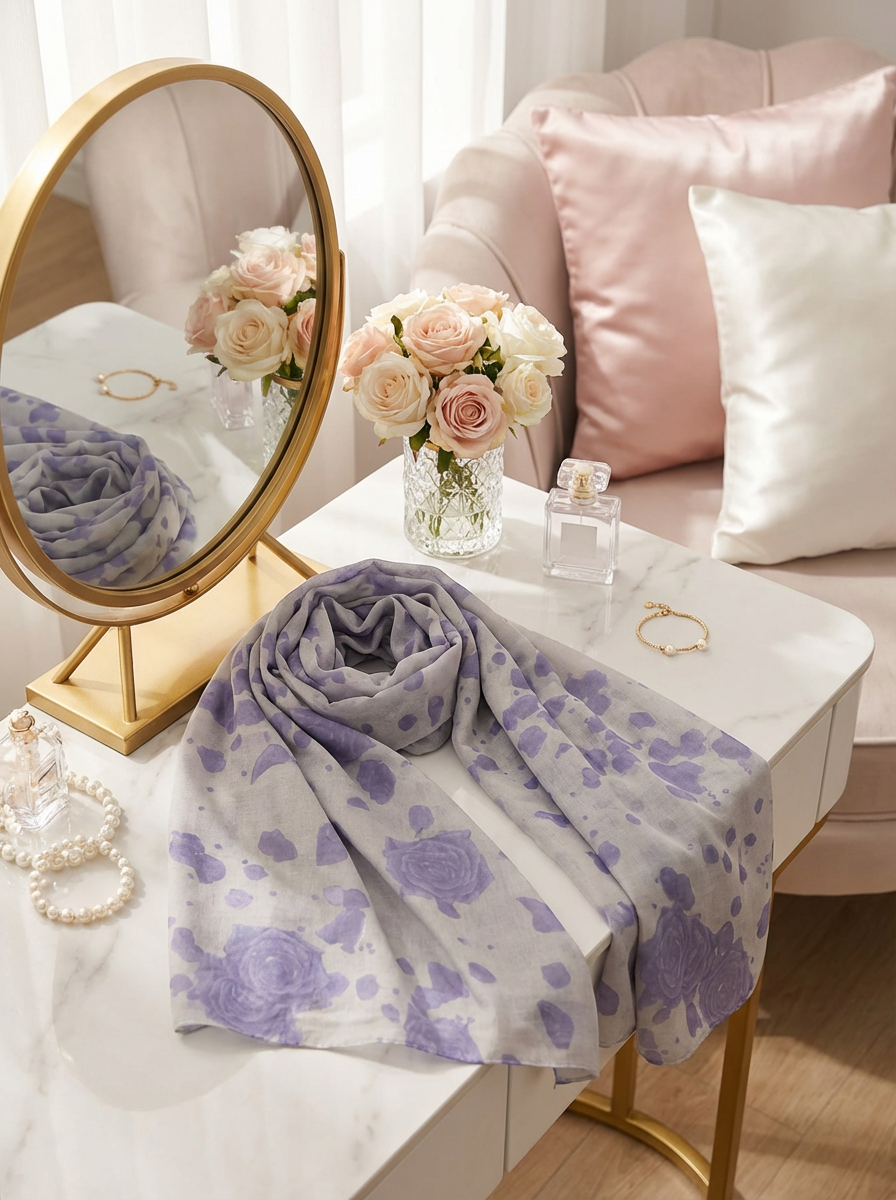
Modern head scarf manufacturing has evolved dramatically through strategic fabric innovations and design engineering that directly address the practical challenges wearers face daily. Contemporary head scarf products now incorporate advanced textile technologies, structural design principles, and material science breakthroughs that significantly extend product lifespan while enhancing comfort and functional performance. Understanding these innovations helps manufacturers, retailers, and consumers identify quality markers that distinguish durable, usable head scarf options from conventional products that fail to meet the demands of extended wear, frequent washing, and diverse climate conditions.
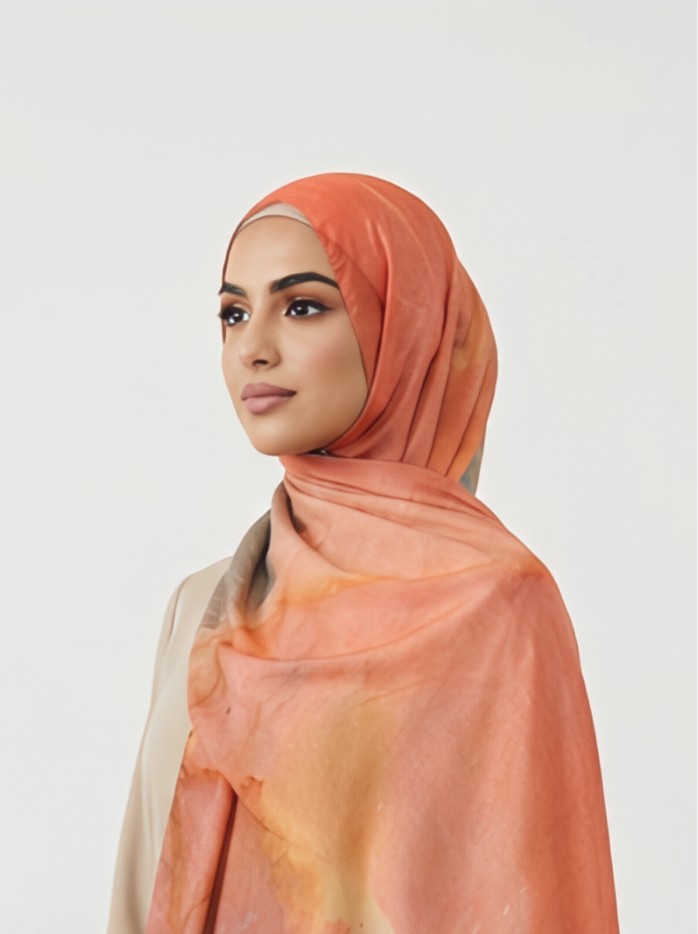
The intersection of fabric technology and design intelligence creates head scarf products that resist common failure modes including edge fraying, color fading, shape distortion, and surface pilling while simultaneously improving wearability through better drape characteristics, breathability optimization, and secure positioning features. This comprehensive exploration examines the specific fabric compositions, fiber treatments, construction techniques, and design elements that measurably improve both the durability and usability dimensions of contemporary head scarf offerings across religious, fashion, and protective wear applications.
Advanced Fiber Technologies That Extend Head Scarf Lifespan
Modal and Micromodal Fiber Integration
Modal fiber technology represents a significant advancement in head scarf durability through its inherent resistance to shrinkage and superior wet strength properties. Unlike conventional cellulosic fibers, modal maintains dimensional stability through repeated washing cycles, preventing the size distortion that commonly compromises head scarf fit and appearance over time. The fiber's smooth surface structure reduces friction-induced wear, particularly at fold points and pin locations where traditional cotton-based head scarf products typically develop thin spots and eventual tears after extended use periods.
Micromodal variants offer enhanced performance characteristics with finer fiber diameters that create denser fabric constructions without sacrificing the breathable qualities essential for head scarf comfort. This refinement produces textiles with improved abrasion resistance along edges and hemlines, the primary failure zones in conventional head scarf designs. The fiber's natural moisture management properties prevent the bacterial growth and odor development that accelerate fabric degradation, extending the practical usable life of head scarf products between necessary replacements while maintaining hygienic standards for direct skin contact applications.
Engineered Synthetic Blends for Performance Enhancement
Strategic blending of synthetic fibers with natural materials creates head scarf fabrics that combine the aesthetic qualities of traditional textiles with the durability advantages of engineered polymers. Polyester microfiber integration at controlled percentages enhances tensile strength and tear resistance without introducing the stiffness and breathability limitations associated with higher synthetic content ratios. These hybrid constructions demonstrate superior colorfastness through both ultraviolet exposure and chemical washing processes, maintaining visual appeal throughout extended service periods where pure natural fiber alternatives show significant fading.
Elastane incorporation at minimal percentages provides mechanical memory that helps head scarf products maintain their intended shape despite repeated manipulation during wearing and removal cycles. This elastic recovery property prevents the sagging and stretching that commonly develops at stress points, particularly along lengthwise grain lines where tension concentrates during tying and adjustment. The resulting dimensional stability ensures consistent draping behavior and positioning security throughout the product lifecycle, addressing key usability concerns that compromise conventional head scarf functionality as fabrics lose their original structural characteristics.
Fiber Treatment Processes for Enhanced Durability
Surface modification treatments applied during fiber processing stages significantly improve head scarf performance characteristics without altering the fundamental textile composition. Silicone-based finishing systems create protective barriers that reduce friction coefficient at fiber surfaces, minimizing the mechanical abrasion that causes pilling and surface fuzzing in high-contact zones. These treatments maintain effectiveness through multiple laundering cycles, providing sustained protection against the wear patterns that typically degrade head scarf appearance and structural integrity within the first months of regular use.
Cross-linking chemical treatments enhance the intermolecular bonding within cellulosic fibers, improving their resistance to mechanical stress and reducing their tendency toward permanent creasing. For head scarf applications where folding and compression occur repeatedly during storage and wear, these treatments preserve fabric smoothness and prevent the stress concentration at crease lines that initiates tear propagation. The enhanced dimensional stability from cross-linking also reduces shrinkage potential, maintaining size consistency that ensures proper coverage and styling capability throughout the product's useful life.
Structural Design Innovations That Improve Functional Performance
Edge Finishing Techniques for Longevity
The perimeter treatment of head scarf textiles represents a critical design element that directly impacts product durability since edge degradation constitutes the most common failure mode in conventional products. Advanced rolled hem techniques with multi-pass stitching distribute stress more evenly along boundaries, preventing the thread breakage and fabric raveling that typically initiate at corners and along lengthwise edges. Thread selection using high-tenacity polyester or bonded nylon provides superior seam strength while maintaining flexibility that accommodates the natural movement and manipulation inherent in head scarf usage patterns.
Laser-cut edge finishing eliminates conventional hemming entirely for synthetic and synthetic-blend head scarf fabrics, creating sealed perimeters that cannot fray or unravel regardless of mechanical stress exposure. This technology produces clean edges with minimal bulk that improve draping characteristics while simultaneously enhancing durability through the elimination of the hem structure itself as a potential failure point. The precision of laser cutting also enables complex edge geometries that enhance styling versatility without introducing the structural weaknesses associated with hand-finished decorative edge treatments.
Dimensional Optimization for Wear Ergonomics
Strategic sizing of head scarf products based on anthropometric data and wearing behavior analysis improves both usability and durability through reduced manipulation stress. Extended length dimensions provide sufficient fabric volume for secure wrapping techniques without requiring excessive tension that accelerates material fatigue at stress concentration points. Width optimization ensures adequate coverage capability while minimizing excess material that increases weight load and creates handling complexity that leads to improper wearing techniques and accelerated wear at fold lines.
Shape engineering through asymmetric cutting patterns accommodates the natural wrapping geometries specific to head scarf applications, reducing the fabric manipulation required to achieve secure positioning. This design approach distributes material more efficiently around the cranial volume, minimizing the gathering and bunching that creates localized stress points where fabric degradation accelerates. The resulting wearing ease encourages proper usage techniques that naturally extend product lifespan while improving comfort through reduced pressure points and more balanced weight distribution across contact surfaces.
Integrated Fastening Systems for Secure Positioning
Hidden fastening mechanisms built into head scarf construction eliminate the need for external pins or clips that create puncture damage and stress concentration in fabric structures. Discrete snap systems positioned at strategic locations provide secure closure points without penetrating the primary textile, preserving structural integrity while offering reliable positioning security. These integrated systems employ corrosion-resistant hardware that withstands moisture exposure and frequent manipulation without degrading or staining surrounding fabric areas.
Silicone grip strips applied along interior surfaces provide friction enhancement that prevents slippage without requiring tight wrapping tension that fatigues both the wearer and the head scarf material. This usability innovation reduces the mechanical stress cycles that contribute to fabric stretching and distortion while improving all-day wearing comfort through reduced pressure requirements for secure positioning. The grip technology maintains effectiveness through washing cycles and extended wear periods, providing consistent performance throughout the head scarf product lifecycle.
Textile Construction Methods That Balance Durability and Comfort
Weave Structure Engineering
The interlacement pattern of warp and weft yarns fundamentally determines head scarf fabric performance characteristics across durability and usability dimensions. Plain weave constructions offer maximum yarn intersection density that provides superior dimensional stability and resistance to yarn slippage, the mechanism responsible for hole formation and fabric thinning at stress points. However, plain weave structures also exhibit lower drape coefficient values that may compromise the flowing aesthetic desired in many head scarf applications, requiring careful yarn selection and finishing processes to achieve optimal balance between structural integrity and desirable hand characteristics.
Twill weave architectures introduce diagonal yarn interlacement patterns that enhance fabric flexibility and draping behavior while maintaining robust tear resistance through the interlocking structure of the weave repeat. This construction method proves particularly effective for head scarf products requiring both soft hand characteristics and resistance to propagation of damage from edge nicks or puncture events. The directional grain created by twill patterns also provides natural fabric memory that assists in maintaining wrapped configurations, improving usability through reduced need for constant adjustment during wear.
Knit Technology for Enhanced Stretch Recovery
Circular knit constructions create head scarf fabrics with inherent mechanical stretch that accommodates head movement and size variation without requiring elastic fiber content. The loop structure of knit architectures provides dimensional flexibility in multiple directions while maintaining sufficient recovery force to prevent permanent deformation. This mechanical behavior proves particularly valuable for head scarf applications where conformability to varied head shapes and sizes enhances both usability and secure fit without compromising circulation or creating pressure discomfort during extended wear periods.
Warp knit technologies produce dimensionally stable fabrics with controlled stretch characteristics that combine the comfort advantages of knit structures with the shape retention properties typically associated with woven textiles. These head scarf fabrics resist the horizontal spreading and vertical lengthening that commonly develops in weft knit products, maintaining intended dimensions and draping behavior throughout repeated wear and laundering cycles. The resulting stability improves styling consistency and reduces the learning curve for wrapping techniques, enhancing usability for consumers new to head scarf products or those managing mobility limitations that complicate manipulation of less cooperative fabrics.
Multi-Layer Composite Construction
Laminated and bonded multi-layer head scarf structures combine different fabric types to achieve performance characteristics unattainable in single-layer textiles. Lightweight mesh backing layers provide dimensional reinforcement that prevents stretching and distortion in the face fabric while adding minimal weight or bulk that would compromise draping qualities. This composite approach enables the use of delicate or lustrous surface fabrics that deliver desired aesthetic qualities while the structural backing layer ensures adequate durability for practical wearing applications.
Thermal bonding techniques create cohesive multi-layer structures without stitching that could create stress concentration lines or visible surface disruption. The resulting head scarf fabrics demonstrate improved resistance to delamination compared to adhesive-bonded alternatives, maintaining structural integrity through washing cycles and mechanical stress exposure. This construction method also enables strategic placement of functional layers such as moisture barriers or UV protection treatments at interior positions where they provide performance benefits without affecting the tactile or visual qualities of the outward-facing surface.
Color Application Technologies That Maintain Visual Appeal
Reactive Dye Systems for Colorfastness
Reactive dyeing processes create covalent chemical bonds between colorant molecules and fiber polymers, producing head scarf textiles with superior resistance to color loss during laundering and light exposure. This molecular integration prevents the gradual fading and color bleeding that compromise the visual appeal of conventionally dyed products, maintaining vibrant appearance throughout extended service life. The wash durability of reactive dyes proves particularly critical for head scarf applications where frequent laundering maintains hygienic standards for direct skin contact while unavoidably subjecting fabrics to harsh detergent chemistry and mechanical agitation.
The lightfastness characteristics of properly applied reactive dye systems ensure that head scarf products maintain color consistency despite regular outdoor exposure where ultraviolet radiation accelerates photochemical degradation of inferior colorants. This stability preserves the intended aesthetic and eliminates the uneven fading patterns that create an aged appearance and reduce product marketability before the textile structure itself shows significant wear. For fashion and religious head scarf applications where appearance standards drive replacement decisions, superior colorfastness directly extends practical product lifespan by delaying the visual obsolescence that prompts premature disposal.
Pigment Print Durability Enhancement
Advanced pigment printing technologies enable complex pattern application to head scarf textiles with improved adhesion and flexibility characteristics that resist the cracking and flaking common in traditional print systems. Acrylic binder formulations create elastic films that move with fabric flexing and stretching, preventing the print damage that typically occurs at fold lines and manipulation points in printed head scarf products. The chemical resistance of modern pigment systems ensures pattern retention through repeated laundering with varied detergent types and water hardness conditions.
Digital printing applications deposit precise pigment quantities only where pattern elements require, reducing the overall chemical loading on head scarf fabrics compared to conventional screen printing methods. This minimal application approach maintains the natural hand and draping characteristics of the base textile while providing pattern complexity and color depth previously unachievable in durable head scarf products. The reduced chemical presence also enhances breathability and comfort by preventing the occlusive coating effect that develops when heavy print paste applications seal fabric surface porosity.
Solution-Dyed Fiber Technology
Incorporating colorant into the polymer melt before fiber extrusion creates synthetic head scarf materials with color permanently integrated throughout the fiber cross-section rather than applied as a surface treatment. This solution-dyeing approach delivers maximum colorfastness potential since no amount of surface abrasion or chemical exposure can remove color that exists uniformly through the entire fiber volume. For head scarf products manufactured from polyester, nylon, or other synthetic fibers, solution dyeing provides unmatched resistance to fading from sunlight, chlorine, and harsh cleaning agents.
The environmental efficiency of solution-dyeing processes eliminates the water consumption and effluent generation associated with conventional batch dyeing operations, offering sustainability advantages increasingly valued in head scarf product marketing. The color consistency achieved through solution dyeing also improves manufacturing quality control by eliminating the batch-to-batch variation inherent in piece dyeing processes, ensuring that head scarf products maintain uniform appearance across production runs and reorder cycles critical for retail inventory management and consumer brand expectations.
Performance Testing Standards That Validate Innovation Claims
Mechanical Durability Assessment Methods
Standardized abrasion testing using Martindale or Wyzenbeek methodology quantifies head scarf fabric resistance to surface wear under controlled conditions that simulate the rubbing action experienced during normal use. These tests measure the number of cycles required to produce visible surface change or fiber breakage, providing objective data that correlates with real-world durability expectations. High-quality head scarf products demonstrate abrasion resistance values significantly exceeding minimum standards for apparel textiles, reflecting the additional mechanical stress exposure inherent in products subject to frequent folding, manipulation, and contact with hair accessories.
Tear strength evaluation through trapezoid or tongue methods assesses head scarf fabric resistance to rip propagation once a cut or puncture initiates, a critical performance characteristic for products worn in environments where snagging hazards exist. Superior tear strength prevents minor damage from catastrophically expanding during wear, extending usable product life by containing localized failures that can be repaired rather than requiring complete replacement. The directional nature of tear testing reveals warp and weft strength imbalances that inform head scarf design decisions regarding grain orientation and reinforcement placement.
Dimensional Stability Verification
Wash shrinkage testing according to standardized protocols evaluates head scarf fabric dimensional change under repeated laundering conditions that simulate typical consumer care practices. Products demonstrating less than three percent linear shrinkage maintain their intended size and proportion relationships throughout practical service life, ensuring consistent coverage capability and styling behavior. This stability proves particularly critical for head scarf applications where precise dimensions enable specific wrapping techniques and inadequate size compromises both aesthetic results and functional security.
Stretch and recovery testing quantifies the elastic behavior and permanent deformation characteristics of head scarf fabrics subjected to tensile stress. Products exhibiting high recovery percentages return to original dimensions after stretching forces release, preventing the sagging and shape loss that develops in materials with inadequate elastic memory. This performance characteristic directly impacts head scarf usability by maintaining secure positioning throughout wear periods without requiring constant adjustment or re-wrapping to compensate for fabric relaxation.
Colorfastness Validation Protocols
Standardized colorfastness testing evaluates head scarf resistance to color change and color transfer under various exposure conditions including laundering, light, perspiration, and rubbing. Gray scale ratings provide objective assessment of color loss severity, with ratings of four or higher indicating superior performance appropriate for premium head scarf products. Multi-fiber staining tests reveal the tendency for dye migration during wet processing, critical information for products where color bleeding would compromise appearance or damage other garments during laundering.
Accelerated light exposure testing using xenon arc or carbon arc sources simulates months of outdoor sun exposure in compressed timeframes, revealing the long-term colorfastness performance consumers will experience during normal head scarf use. Products maintaining color integrity through extended light exposure testing demonstrate the stabilizer chemistry and dye selection quality necessary for outdoor wearing applications where UV exposure occurs regularly. This validation proves particularly important for geographic markets with high solar radiation intensity where inferior head scarf products fade noticeably within weeks of purchase.
FAQ
What specific fabric composition provides the best balance between durability and comfort for daily head scarf wear?
Modal blends containing 70-85% modal fiber combined with 15-30% polyester microfiber deliver optimal performance across durability and comfort parameters for daily head scarf use. The modal component provides natural softness, excellent draping characteristics, and superior moisture management that ensures comfort during extended wear periods, while the polyester content enhances dimensional stability, tear resistance, and colorfastness that extend product lifespan. This composition ratio maintains breathability essential for all-day comfort while providing the structural integrity necessary to withstand daily manipulation, frequent laundering, and the mechanical stress inherent in securing techniques that require fabric tension.
How do edge finishing methods affect the practical lifespan of head scarf products?
Edge finishing quality directly determines head scarf durability since perimeter degradation represents the primary failure mode that renders products unusable despite intact central fabric areas. Rolled hem construction with multiple stitching passes using high-tenacity thread extends edge life by distributing stress across wider zones and preventing single-thread failure from initiating complete hem unraveling. Laser-sealed edges on synthetic fabrics eliminate the hem structure entirely as a potential failure point while creating smooth boundaries that resist snagging and fraying indefinitely. Products with inferior edge finishing, such as single-fold hems with standard sewing thread or raw edges with basic serging, typically develop visible fraying and thread loss within the first month of regular use, significantly reducing practical lifespan regardless of face fabric quality.
What role does fabric weight play in determining head scarf durability and usability?
Fabric weight represents a critical specification affecting both durability and usability characteristics, with optimal ranges varying by climate and application context. Lightweight fabrics in the 80-120 GSM range provide excellent breathability and draping behavior that enhances comfort in warm conditions but may lack the substance necessary for secure positioning without slippage, requiring tighter wrapping that accelerates wear at stress points. Medium-weight options from 120-160 GSM offer improved dimensional stability and opacity while maintaining adequate drape for most styling techniques, delivering balanced performance for general-purpose head scarf applications. Heavier fabrics above 160 GSM demonstrate maximum durability and wind resistance but may compromise breathability and create bulkiness that complicates wrapping and increases strain on securing points, potentially reducing usability despite superior abrasion resistance.
How frequently should high-quality head scarf products require replacement under normal usage conditions?
Well-constructed head scarf products incorporating advanced fabric technologies and quality finishing should maintain acceptable appearance and functional performance for 12-24 months under daily wear conditions with proper care including gentle machine washing and air drying. Products demonstrating visible wear, significant fading, edge fraying, or shape distortion before 12 months indicate substandard material selection or construction quality that fails to meet reasonable durability expectations for the category. Premium head scarf offerings using solution-dyed synthetic fibers, reinforced edge construction, and engineered fabric blends may extend usable life beyond 24 months, with eventual replacement driven more by style preference changes than functional degradation. Rotation between multiple head scarf products reduces wear accumulation on individual items and extends average lifespan across a wardrobe collection while ensuring backup availability during laundering cycles.
Table of Contents
- Advanced Fiber Technologies That Extend Head Scarf Lifespan
- Structural Design Innovations That Improve Functional Performance
- Textile Construction Methods That Balance Durability and Comfort
- Color Application Technologies That Maintain Visual Appeal
- Performance Testing Standards That Validate Innovation Claims
-
FAQ
- What specific fabric composition provides the best balance between durability and comfort for daily head scarf wear?
- How do edge finishing methods affect the practical lifespan of head scarf products?
- What role does fabric weight play in determining head scarf durability and usability?
- How frequently should high-quality head scarf products require replacement under normal usage conditions?