
 EN
EN


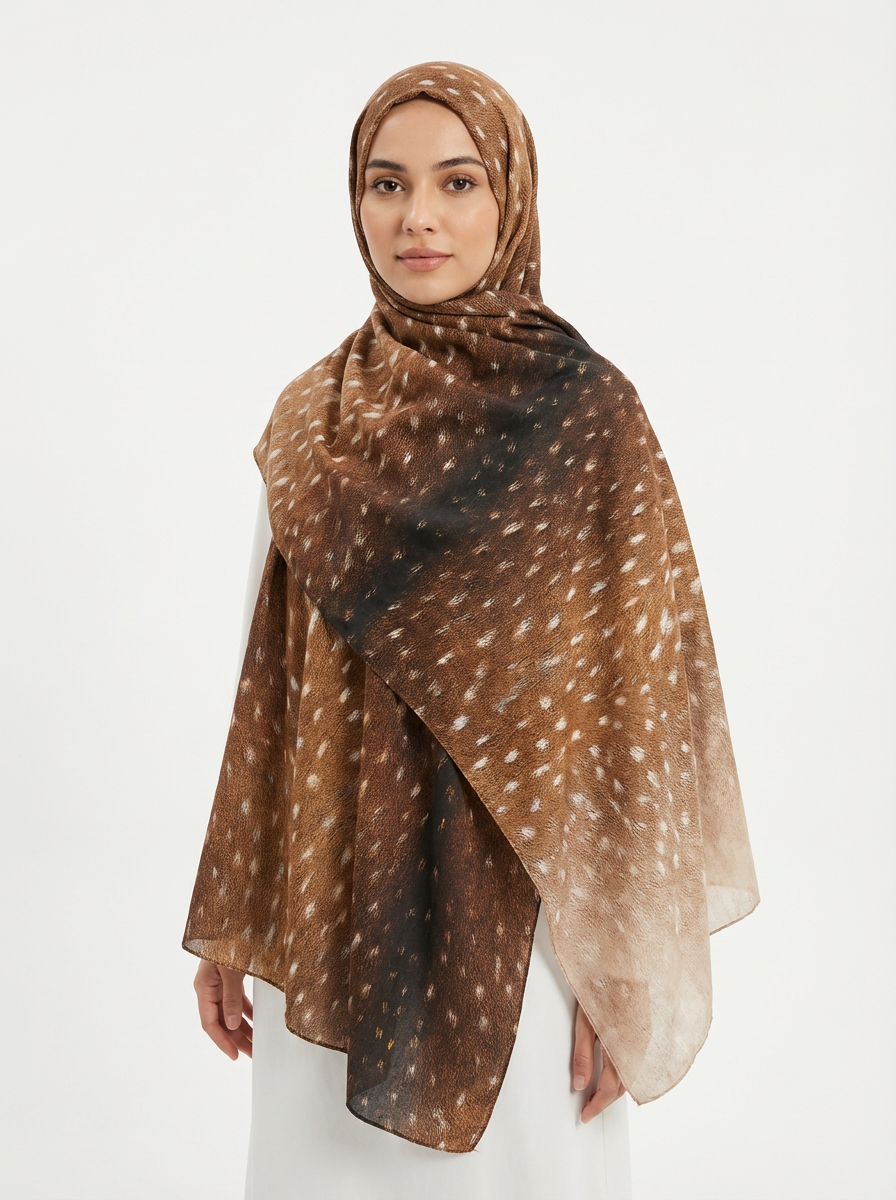
The head scarf has evolved from a simple fabric accessory into a sophisticated garment designed to meet diverse environmental demands throughout the year. Understanding how a head scarf adapts to seasonal changes and environmental conditions reveals the intricate relationship between textile engineering, material science, and practical wearability. Modern head scarf designs incorporate adaptive features that respond to temperature fluctuations, humidity variations, wind exposure, and sunlight intensity, making them versatile companions for users across different climates and situations. The adaptability of a head scarf depends on fabric composition, weave structure, moisture management properties, and thermal regulation capabilities that work together to provide comfort and protection regardless of external conditions.
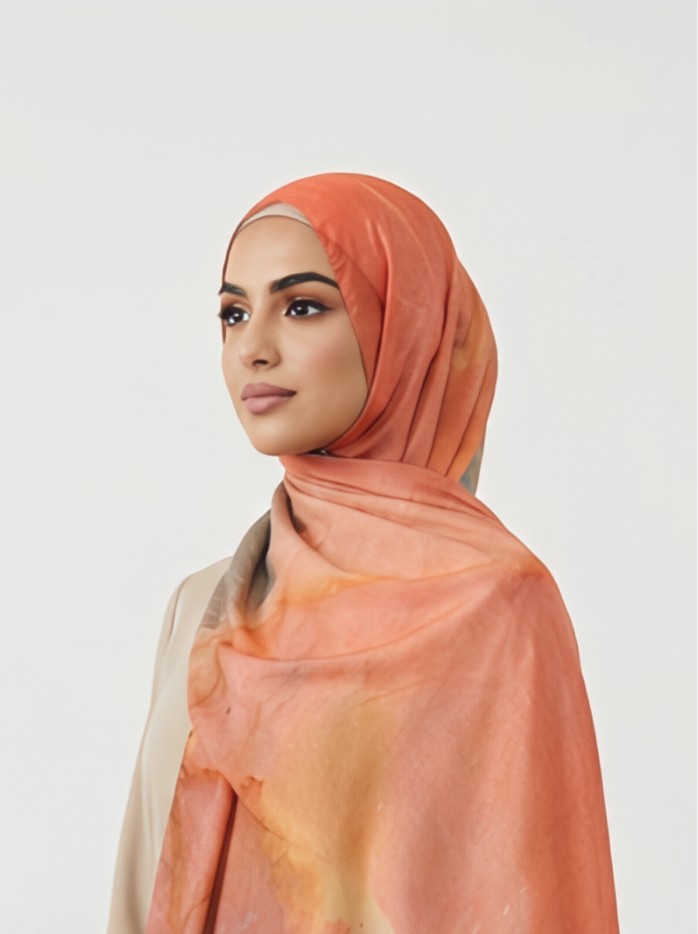
The seasonal adaptability of a head scarf stems from both its inherent material properties and the strategic ways users employ it across changing environments. During winter months, the same head scarf that provides lightweight coverage in spring can be layered or styled differently to trap warm air and shield against cold winds. In summer heat, proper material selection allows the head scarf to facilitate evaporative cooling while protecting the scalp from direct UV radiation. These adaptive mechanisms operate through physical principles including insulation, breathability, moisture wicking, and radiation reflection, each becoming more or less dominant depending on ambient conditions. By examining how head scarf construction and usage patterns shift across seasons, we can appreciate the engineering intelligence embedded in this seemingly simple textile and make informed choices about selection and application.
Material Composition and Thermal Regulation Across Seasons
Natural Fiber Performance in Temperature Extremes
Natural fibers form the foundation of seasonal adaptability in traditional and contemporary head scarf designs. Cotton head scarf varieties excel in warm weather conditions due to their exceptional moisture absorption capacity, which can reach up to twenty-seven times their weight in water. This hydrophilic property enables cotton head scarf textiles to absorb perspiration from the scalp and facilitate evaporative cooling, effectively lowering the microclimate temperature beneath the fabric by several degrees. During summer months, loosely woven cotton head scarf options maximize air circulation while maintaining opacity for sun protection, creating a balance between breathability and coverage that prevents heat accumulation.
Wool-based head scarf materials demonstrate superior performance in cold weather applications through their unique crimp structure that creates insulating air pockets. Fine merino wool head scarf textiles can regulate temperature across a wider range than synthetic alternatives, providing warmth without excessive bulk while maintaining breathability to prevent moisture buildup from perspiration. The natural crimp in wool fibers allows a head scarf to trap body heat efficiently when temperatures drop, yet the same structure permits vapor transmission to prevent clamminess during physical activity. This dual functionality makes wool head scarf options particularly valuable during transitional seasons when daily temperature swings require adaptive thermal management.
Synthetic Fiber Advantages for Environmental Adaptability
Modern synthetic materials have revolutionized head scarf adaptability through engineered properties that target specific environmental challenges. Polyester microfiber head scarf fabrics incorporate moisture-wicking treatments that actively transport perspiration away from the scalp surface through capillary action, moving liquid to the outer fabric layer where evaporation occurs more readily. This engineered moisture management proves especially valuable during high-intensity activities or in humid climates where natural fibers might become saturated and lose their cooling effectiveness. The quick-drying nature of synthetic head scarf materials also makes them practical for unpredictable weather conditions when unexpected rain or heavy perspiration might otherwise leave users with uncomfortably damp headwear.
Advanced synthetic head scarf textiles now incorporate phase-change materials and thermoregulating compounds that respond dynamically to temperature fluctuations. These intelligent fabrics can absorb excess body heat during warm conditions and release stored thermal energy when ambient temperatures drop, creating a buffering effect that moderates temperature extremes. Specialized polyamide blends used in technical head scarf designs offer exceptional elasticity and shape retention across temperature ranges, ensuring consistent fit and coverage whether worn in freezing winter winds or summer humidity. The dimensional stability of synthetic head scarf materials prevents the stretching, shrinking, and distortion that can compromise protection and comfort as environmental conditions change.
Blended Fabrics for Multi-Season Functionality
Strategic fabric blends represent the optimal approach to creating a head scarf with genuine year-round adaptability. Cotton-polyester combinations typically ranging from sixty-forty to fifty-fifty ratios merge the natural comfort and breathability of cotton with the durability and quick-drying properties of synthetic fibers. These blended head scarf textiles maintain adequate moisture absorption for summer cooling while offering improved wrinkle resistance and faster drying times when conditions turn damp. The synthetic component also enhances color retention and reduces fading from UV exposure, ensuring that a head scarf maintains its protective opacity and aesthetic appeal across extended outdoor use throughout multiple seasons.
Bamboo-viscose blends have emerged as premium options for head scarf construction due to their remarkable combination of thermoregulation, antibacterial properties, and environmental comfort. The hollow fiber structure of bamboo-derived textiles creates natural air channels that provide insulation in cool weather while promoting ventilation during warm periods. A head scarf manufactured from bamboo blend exhibits temperature-moderating properties that rival wool yet offers the smooth drape and lightweight feel preferred for extended daily wear. The natural antimicrobial characteristics of bamboo fibers also reduce odor development, maintaining freshness even when a head scarf is worn continuously through varying environmental conditions that might promote bacterial growth in conventional fabrics.
Weave Structure and Environmental Protection Mechanisms
Density Variations for Seasonal Sun Protection
The weave density of a head scarf directly determines its ultraviolet protection factor and overall effectiveness as a sun barrier across seasons. Tightly woven head scarf fabrics with thread counts exceeding 180 per square inch can achieve UPF ratings of forty or higher, blocking more than ninety-eight percent of harmful UV radiation. During peak summer months when solar intensity reaches maximum levels, a densely woven head scarf becomes essential protective equipment, preventing scalp sunburn and reducing long-term photoaging risks. The same tight weave that blocks UV radiation also creates a more substantial barrier against wind penetration during cooler seasons, demonstrating how a single structural characteristic serves multiple protective functions across different environmental contexts.
Seasonal adjustment of head scarf selection based on weave structure allows users to optimize both protection and comfort. Looser weaves with visible light transmission prove more comfortable during moderate weather when extreme UV protection becomes less critical but breathability remains paramount. A lightweight gauze-weave head scarf permits substantial air circulation during warm humid conditions, preventing the greenhouse effect that can occur beneath impermeable fabrics. As seasons transition toward cooler weather, the same open weave becomes less desirable, prompting shifts toward tighter constructions that reduce convective heat loss while maintaining sufficient vapor permeability to prevent moisture accumulation from perspiration.
Directional Weave Patterns for Moisture Management
Advanced head scarf textiles now incorporate directional weave patterns that channel moisture away from the scalp through engineered capillary pathways. These technical constructions feature hydrophobic yarns in contact with the skin and hydrophilic outer layers, creating a moisture gradient that drives perspiration outward through the fabric structure. During high-heat conditions or physical exertion, a directionally woven head scarf actively manages the humid microclimate beneath the fabric, preventing the saturation and cooling loss that compromises comfort in conventional uniform-weave textiles. This moisture vectoring becomes particularly valuable during transitional seasons when variable activity levels and temperature fluctuations create unpredictable perspiration patterns.
The three-dimensional texture created by jacquard and dobby weave techniques adds functional depth to head scarf designs beyond aesthetic appeal. These raised patterns increase the effective surface area of the fabric, enhancing evaporative capacity and creating air channels that promote circulation between the head scarf and scalp. The textured surface of a structurally complex head scarf also reduces the contact area with skin, minimizing the clammy sensation that can occur when smooth fabrics cling to perspiration-dampened skin during humid conditions. These structural ventilation channels remain effective across seasons, providing cooling airflow in summer while creating insulating dead air spaces that reduce heat loss during winter wear.
Edge Finishing and Wind Resistance
The edge construction of a head scarf significantly influences its ability to maintain protective coverage during windy conditions that vary by season and geography. Rolled hems with tight stitching create weight along the head scarf perimeter, improving drape and reducing the billowing that can compromise coverage during gusty weather. This edge weighting becomes particularly important during spring and autumn when temperature inversions and frontal systems generate variable wind patterns that can dislodge poorly designed headwear. A properly finished head scarf edge also resists fraying and distortion from repeated tying and adjustment, maintaining consistent dimensions and coverage capability across extended use through multiple seasonal cycles.
Reinforced corners and integrated tie loops represent design refinements that enhance head scarf functionality in challenging environmental conditions. These structural elements distribute stress during securing, preventing the tearing and stretching that can occur when conventional head scarf designs are tightly fastened to resist wind displacement. During winter conditions when secure attachment becomes essential to prevent cold air infiltration, reinforced construction points allow users to achieve snug fitting without compromising fabric integrity. The same reinforcements support creative styling techniques that adapt the head scarf profile to changing seasonal needs, from loose draping that maximizes airflow in summer to tight wrapping that minimizes exposed surface area during cold weather.
Moisture Management Strategies Across Climate Conditions
Absorption and Evaporation in Humid Environments
Humidity management represents one of the most challenging aspects of head scarf performance, particularly in tropical and subtropical climates where moisture saturation can compromise both comfort and protective function. A head scarf constructed from highly absorbent natural fibers can initially provide comfort by capturing perspiration before it reaches saturation point, but prolonged wear in humid conditions eventually overwhelms absorption capacity, leading to a heavy, clingy fabric that loses thermal regulation capability. Understanding the absorption curve of different head scarf materials helps users select appropriate options for their specific humidity environment and activity duration, ensuring that the fabric maintains functional performance throughout the wearing period.
Evaporative cooling represents the primary cooling mechanism available to head scarf wearers in hot environments, making fabric properties that enhance evaporation rate essential for comfort. The exposed surface area of a head scarf significantly influences evaporation speed, with loosely draped styles that allow air circulation around the fabric exterior promoting faster moisture removal than tightly wrapped configurations. During summer months in arid climates, a dampened head scarf can provide sustained cooling as absorbed moisture evaporates, drawing heat from the fabric and underlying scalp. This evaporative cooling principle works less effectively in humid environments where atmospheric moisture saturation limits evaporation rates, requiring users to select head scarf materials with superior wicking properties that move moisture to larger surface areas for more efficient vapor release.
Water Resistance for Precipitation Protection
Seasonal precipitation patterns necessitate different approaches to head scarf water resistance depending on regional climate characteristics. In environments with frequent light rain or drizzle, a head scarf treated with durable water repellent coatings can shed moisture effectively while maintaining breathability for comfort during active wear. These treatments work by reducing the surface energy of fabric fibers, causing water droplets to bead and roll off rather than penetrating the textile structure. A water-repellent head scarf maintains its protective insulation and coverage capability even when exposed to light precipitation, preventing the thermal loss and discomfort associated with wet fabric against skin.
However, complete waterproofing through membrane laminates or heavy coatings typically compromises the breathability essential for comfortable head scarf wear during most conditions. Users in rainy climates often maintain multiple head scarf options, selecting water-resistant versions specifically for outdoor exposure during precipitation while reverting to breathable designs for indoor environments or dry weather. This seasonal rotation strategy recognizes that the same impermeability that protects against external moisture also traps perspiration, creating condensation issues during physical activity or in heated indoor spaces. The optimal approach involves matching head scarf water resistance level to the specific precipitation intensity and duration expected in each seasonal context.
Anti-Microbial Properties for Extended Wear
The warm, moist environment created beneath a head scarf during summer wear provides ideal conditions for microbial growth, making antimicrobial treatments increasingly important for maintaining hygiene and freshness across extended wearing periods. Silver-ion treatments and natural antimicrobial fibers like bamboo reduce bacterial colonization that causes odor development, allowing a head scarf to remain fresh through full-day wear even during hot, humid conditions. This microbial resistance proves particularly valuable during summer months when frequent washing might be impractical or when traveling in environments where laundry access is limited, extending the functional wearing duration of each head scarf before cleaning becomes necessary.
Moisture-related microbial growth concerns vary seasonally, with warm weather creating the greatest risk for bacterial proliferation while winter conditions may promote fungal growth if a head scarf remains damp from snow or rain exposure. Regular cleaning cycles adapted to seasonal use patterns help maintain hygiene regardless of antimicrobial treatments, with more frequent washing recommended during summer months when perspiration and environmental exposure increase contamination potential. Quick-drying head scarf materials facilitate this increased washing frequency by reducing the turnaround time between cleaning and re-wear, ensuring users can maintain proper hygiene practices without requiring extensive head scarf wardrobes. The antimicrobial properties of treated fabrics complement rather than replace proper cleaning protocols, providing an additional protective factor during the intervals between washing.
Styling Adaptations for Environmental Challenges
Coverage Variations for Temperature Control
The versatility of a head scarf lies partly in its multiple styling configurations that adapt coverage area and fabric layers to match thermal requirements across seasons. During peak summer heat, a loosely draped single-layer head scarf provides maximum ventilation while protecting the scalp from direct solar radiation, creating an air gap between fabric and skin that promotes convective cooling. This open styling approach minimizes contact area and fabric mass, reducing heat retention while maintaining essential sun protection. As temperatures moderate during spring and autumn, intermediate styling techniques can add partial layering or fuller coverage that provides additional warmth without the bulk required for winter protection.
Winter styling adaptations transform the head scarf into a substantial insulating layer through multi-wrap techniques and strategic fabric folding that creates air-trapping layers. A longer head scarf can be wound multiple times around the head and neck, creating composite insulation that rivals purpose-built winter headwear while offering superior adaptability for temperature regulation as users move between outdoor cold and heated indoor environments. The ability to quickly adjust wrapping tightness and coverage area allows wearers to fine-tune thermal protection throughout the day as activity levels and environmental conditions fluctuate, providing responsive temperature management impossible with fixed-form headwear designs.
Neck and Face Extension for Wind Protection
Wind chill effects during cold seasons make comprehensive coverage extending beyond the scalp essential for comfort and safety, transforming the functional requirements of a head scarf from simple head covering to integrated facial and neck protection. Extended head scarf lengths allow wrapping configurations that shield the lower face and neck from wind penetration, protecting vulnerable skin areas while preventing the convective heat loss that can rapidly drop effective temperature to dangerous levels. The flexibility of fabric allows a head scarf to conform closely to facial contours, eliminating the gaps that compromise protection in rigid headwear designs while maintaining sufficient looseness around the nose and mouth for unobstructed breathing.
Seasonal wind patterns vary geographically, with coastal regions experiencing consistent breezes that require year-round wind consideration while continental interiors may face wind challenges primarily during specific seasons. A head scarf offers advantages over fixed headwear by allowing users to adapt coverage extent to current conditions rather than committing to a single protection level. During moderate conditions, the same head scarf worn loosely around the head provides basic coverage, while deteriorating weather prompts quick reconfiguration to full neck and lower face protection without requiring different equipment. This adaptive capability makes the head scarf particularly valuable for outdoor activities where conditions may change rapidly or where carrying multiple specialized garments proves impractical.
Layering Techniques for Extreme Conditions
Extreme environmental conditions sometimes exceed the protective capability of a single head scarf, necessitating layering strategies that combine multiple textiles for enhanced performance. During severe cold, a moisture-wicking synthetic head scarf worn as a base layer manages perspiration while an outer wool or fleece head scarf provides primary insulation, creating a system that maintains warmth without moisture accumulation. This layering principle mirrors the approach used in body clothing systems, recognizing that different materials excel at different functions and that combining them strategically produces superior overall performance compared to any single-layer solution.
Summer layering might seem counterintuitive but serves specific purposes in harsh sun environments where maximum UV protection becomes paramount. A lightweight cotton head scarf can be worn beneath a wider-brimmed fabric covering, with the inner head scarf managing moisture while the outer layer provides primary sun blocking and extends shade beyond the head area. This double-layer approach also creates additional insulating air space that paradoxically provides cooling benefits by preventing direct solar heating of the inner layer. Understanding these advanced layering techniques transforms the head scarf from a simple accessory into a component of a comprehensive environmental protection system adaptable to the most challenging seasonal extremes.
Color Selection and Seasonal Thermal Management
Dark Colors for Winter Heat Absorption
The color of a head scarf significantly influences its thermal characteristics through differential absorption and reflection of solar radiation, making strategic color selection an important aspect of seasonal adaptation. Dark-colored head scarf options in black, navy, or deep jewel tones absorb a greater proportion of incident solar energy, converting light into heat that warms the fabric and underlying scalp. During winter months when ambient temperatures remain low and solar angle produces less intense radiation, this heat absorption provides welcome supplemental warmth without risk of overheating. The thermal gain from a dark head scarf can measurably increase comfort during cold sunny days when radiative heating supplements inadequate air temperature.
However, the same dark colors that benefit winter wear become liabilities during summer conditions when minimizing heat gain becomes the priority. A black head scarf exposed to direct summer sunlight can reach surface temperatures exceeding fifty degrees Celsius, creating an uncomfortable and potentially dangerous heat source against the scalp. This dramatic seasonal reversal in color suitability explains why many users maintain separate warm-weather and cold-weather head scarf collections differentiated primarily by color rather than material or construction. The physics of radiative heat transfer make color selection one of the most impactful yet often overlooked aspects of head scarf seasonal adaptation.
Light Colors for Summer Heat Reflection
Light-colored head scarf options in white, cream, pastels, or metallic finishes reflect the majority of incident solar radiation, minimizing heat absorption and maintaining lower fabric temperatures during sun exposure. This reflective property makes light colors essential for comfortable summer head scarf wear, particularly in arid climates where cloud cover provides limited relief from intense solar radiation. A white head scarf can remain twenty to thirty degrees cooler than an identical black version under the same sun exposure, representing the difference between tolerable warmth and genuine discomfort or heat stress risk. The cooling benefit of light colors operates independently of fabric breathability or moisture management, providing a fundamental thermal advantage that complements other comfort-enhancing properties.
Reflective metallic fibers woven into light-colored head scarf fabrics can further enhance solar radiation rejection, though these materials may compromise breathability depending on their composition and concentration. Specialized summer head scarf designs sometimes incorporate reflective coatings or treatments that enhance the natural reflectivity of light-colored fabrics, pushing heat rejection to levels approaching dedicated sun-protective textiles. These technical enhancements prove most valuable in extreme sun environments where conventional light-colored fabrics still permit sufficient heat absorption to cause discomfort, such as desert regions or high-altitude locations where atmospheric filtration of solar radiation is reduced.
Mid-Tone Versatility for Transitional Seasons
Mid-tone colors occupying the space between dark winter shades and light summer hues offer practical versatility for transitional seasons when daily temperature swings make extreme color choices less optimal. Earth tones, muted jewel colors, and medium grays provide moderate solar absorption that supplies gentle warmth during cool morning hours without excessive heat buildup during midday temperature peaks. A head scarf in these transitional colors extends useful wearing range across broader temperature spans, reducing the need for frequent changes as conditions shift throughout spring and autumn days characterized by significant diurnal temperature variation.
The psychological aspects of color selection also influence perceived comfort and seasonal appropriateness beyond pure thermal considerations. Warm colors in rust, burgundy, and gold tones psychologically align with autumn and winter seasons, while cool blues and greens feel more appropriate for spring and summer wear regardless of their actual thermal properties. A head scarf wardrobe that acknowledges both the physical and psychological dimensions of color creates optimal comfort and satisfaction across all seasonal contexts, recognizing that human thermal perception combines objective temperature measurement with subjective color associations and cultural expectations about seasonal-appropriate appearance.
Care and Maintenance for Seasonal Longevity
Washing Protocols for Different Seasons
Seasonal use patterns necessitate adaptive care protocols that maintain head scarf functionality and appearance across varying environmental stresses. Summer wearing typically requires more frequent washing due to increased perspiration and environmental exposure, with some users cleaning their head scarf after each wearing during peak heat periods. This frequent washing demands durable fabrics and colorfast dyes that withstand repeated laundering without degradation, making material quality a critical factor in summer head scarf selection. Gentle detergents formulated for delicate fabrics help preserve fiber integrity and color vibrancy through numerous wash cycles, extending the useful life of summer head scarf collections subjected to intensive cleaning schedules.
Winter head scarf maintenance can often follow less aggressive washing frequencies since reduced perspiration and indoor climate control limit soiling and odor development. However, exposure to snow, rain, and road salt during winter wear introduces different contamination challenges that require prompt cleaning to prevent permanent staining or fabric damage. Salt residues prove particularly problematic, as dried salt crystals can abrade fibers during wear and storage, weakening fabric structure over time. Thorough rinsing becomes essential for winter head scarf care, ensuring complete removal of mineral deposits that might compromise textile integrity if allowed to accumulate through multiple wearing cycles without proper cleaning.
Storage Strategies Between Seasons
Proper seasonal storage protects head scarf investments from damage during extended periods when specific items remain unused. Natural fiber head scarf textiles require protection from insect damage during warm-season storage, with cedar blocks or lavender sachets providing natural moth repellent without the chemical concerns of synthetic alternatives. Clean storage proves essential, as residual body oils and perspiration can attract pests and promote fiber degradation during the months between active use periods. A head scarf should always be thoroughly cleaned before seasonal storage, even if it appeared clean after its last wearing, since invisible residues can cause yellowing and weakening during extended dormancy.
Climate-controlled storage environments prevent the humidity extremes and temperature fluctuations that accelerate fabric aging and promote mold growth. Seasonal head scarf collections stored in breathable cotton bags or acid-free tissue maintain better condition than those compressed in plastic containers where trapped moisture can condense and support microbial growth. Periodic inspection during storage seasons allows early detection of pest activity or moisture problems before significant damage occurs, protecting the investment represented by quality head scarf wardrobes maintained across multiple years. These storage practices prove especially important for specialty items like silk or wool head scarf pieces that represent significant value and may be difficult to replace if damaged.
Rotation Systems for Extended Wear Life
Systematic rotation through multiple head scarf options extends the useful life of each piece by allowing recovery time between wearing sessions. Fabrics subjected to continuous wear experience accumulated stress from stretching, moisture exposure, and friction that causes accelerated deterioration compared to items worn intermittently with rest periods. A rotation system with at least three to five head scarf options per season allows each piece to fully dry and recover its structure between wearings, maintaining better appearance and function over extended service life. This rotation approach also provides variety that reduces visual monotony while distributing wear across multiple items rather than concentrating stress on a single favorite.
Seasonal rotation inventories should account for the full range of conditions likely to be encountered within each period, including both typical weather patterns and occasional extreme events. A comprehensive spring head scarf collection might include lightweight options for mild days, water-resistant choices for rainy periods, and transitional pieces suitable for lingering cool mornings, ensuring appropriate selections remain available regardless of specific daily conditions. This diversified approach prevents the desperation wearing of unsuitable items when weather diverges from seasonal norms, maintaining comfort and protection across the full spectrum of environmental conditions that characterize each season's variability.
FAQ
What fabric thickness should I choose for a head scarf to wear year-round?
For genuine year-round versatility, select a head scarf in medium-weight cotton or bamboo blend with a thread count between 140 and 180. This balanced density provides adequate sun protection and wind resistance for summer and winter respectively, while the natural fibers ensure breathability across all seasons. A fabric weight around 120 to 150 grams per square meter offers optimal compromise, being substantial enough for cool weather layering yet light enough to remain comfortable during warm periods. Avoid extremely lightweight gauze fabrics that lack winter utility and heavy wool blends that become impractical in summer heat.
How do I prevent my head scarf from becoming too hot during summer outdoor activities?
Maximize summer comfort by choosing light-colored head scarf options in white or pastels that reflect rather than absorb solar radiation. Select fabrics with open weaves or visible light transmission that promote air circulation, and adopt loose draping styles that create air gaps between the fabric and your scalp. Before wearing, dampen the head scarf slightly to activate evaporative cooling, which can lower effective temperature by several degrees. During breaks, periodically remove and shake the head scarf to release trapped warm air, and consider bringing a second dry piece to swap when the first becomes saturated with perspiration.
Can the same head scarf provide adequate protection in both desert heat and mountain cold?
A single head scarf can serve both extreme environments through strategic styling adaptations and material selection. Choose a large square format of at least 100 centimeters that allows multiple wrapping configurations, and select a mid-weight merino wool or advanced synthetic blend that provides thermal regulation across wide temperature ranges. In desert conditions, wear it loosely draped in a single layer with light colors exposed, while mountain cold requires tight multi-wrap styling that creates insulating air layers. However, optimal comfort in true extremes typically requires purpose-specific pieces rather than relying on a single compromise solution that performs adequately but not excellently in either condition.
How often should I replace my head scarf collection as seasons change?
Quality head scarf pieces properly cared for can serve effectively for three to five years before requiring replacement, though fashion preferences may prompt earlier updates. Inspect your seasonal head scarf inventory at the beginning of each period, checking for thinning fabric, weakened seams, fading colors, and reduced elasticity that indicate declining performance. Replace items showing significant deterioration before they fail during use, and consider adding new pieces annually to refresh your collection while retiring the most worn items. Maintain at least two to three head scarf options per season in active rotation to distribute wear and ensure backup availability when primary choices require cleaning or unexpectedly become unsuitable for current conditions.
Table of Contents
- Material Composition and Thermal Regulation Across Seasons
- Weave Structure and Environmental Protection Mechanisms
- Moisture Management Strategies Across Climate Conditions
- Styling Adaptations for Environmental Challenges
- Color Selection and Seasonal Thermal Management
- Care and Maintenance for Seasonal Longevity
-
FAQ
- What fabric thickness should I choose for a head scarf to wear year-round?
- How do I prevent my head scarf from becoming too hot during summer outdoor activities?
- Can the same head scarf provide adequate protection in both desert heat and mountain cold?
- How often should I replace my head scarf collection as seasons change?