
 EN
EN


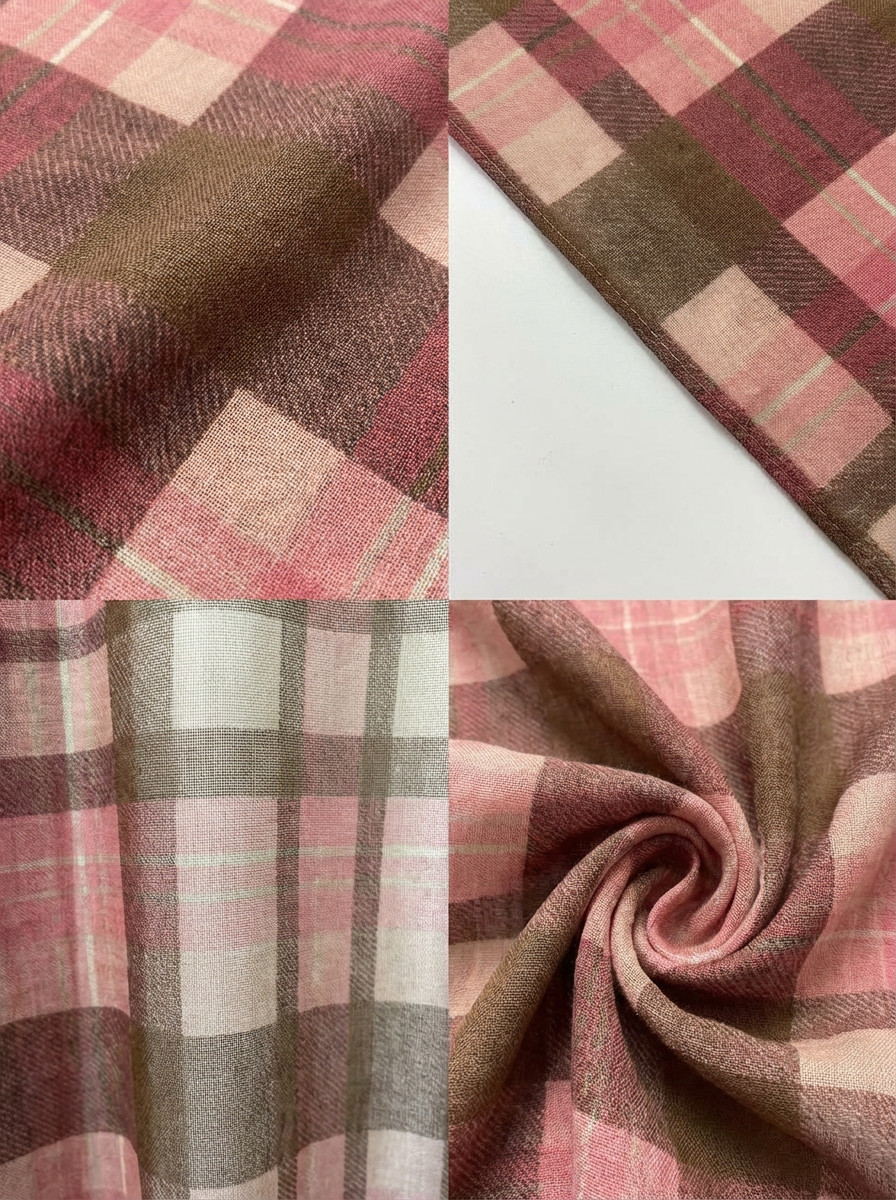
The modern head scarf has evolved far beyond its traditional roots to become an essential accessory that seamlessly combines functional protection with aesthetic expression across diverse daily scenarios. Whether navigating professional environments, engaging in outdoor activities, or simply running errands in varying weather conditions, a well-chosen head scarf serves as both a practical shield and a transformative style element. Understanding how this versatile accessory adapts to different wearing situations empowers individuals to maximize its protective benefits while maintaining personal expression throughout their daily routines.
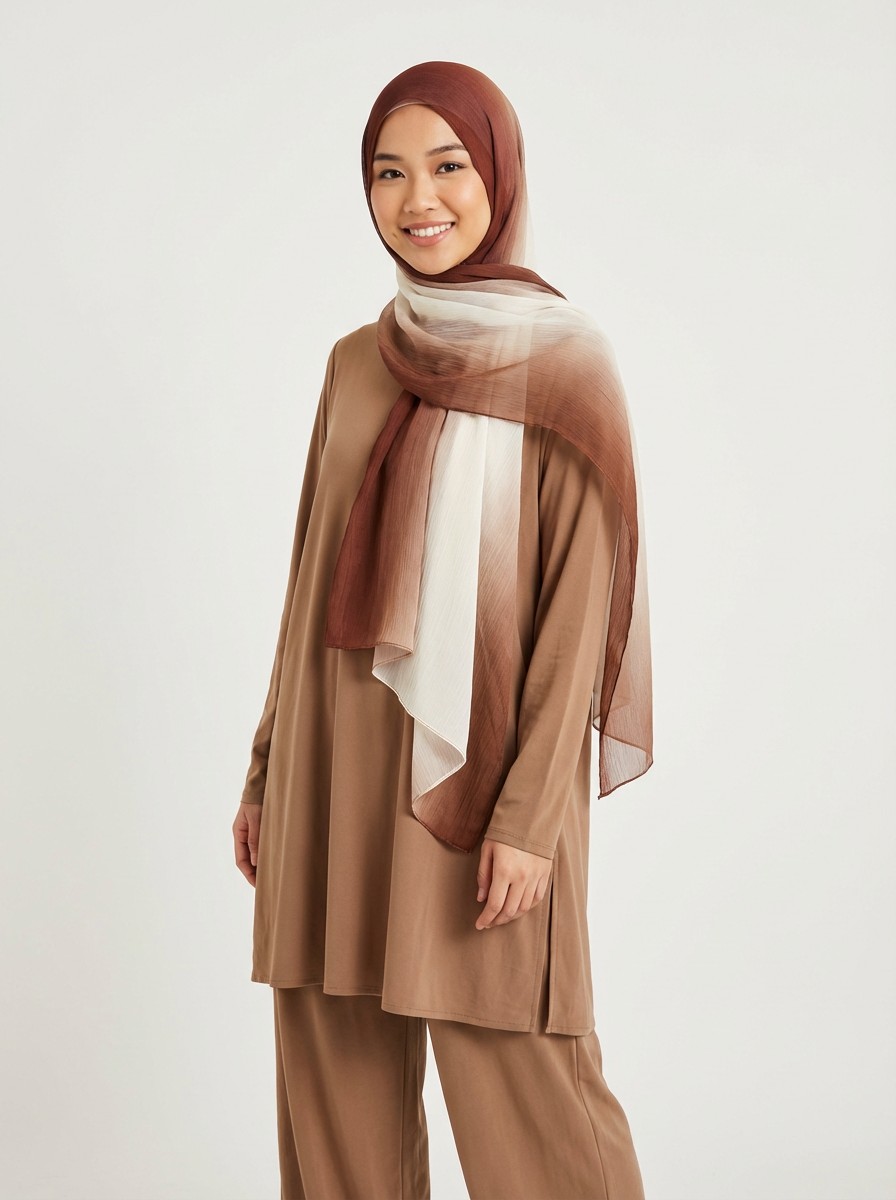
The protective capacity of a head scarf extends across multiple dimensions, including environmental shielding from sun exposure, wind protection for hair integrity, thermal regulation in temperature extremes, and even psychological comfort in various social contexts. Simultaneously, the styling flexibility inherent in head scarf design allows wearers to transition effortlessly between casual, professional, athletic, and formal settings by adjusting draping techniques, fabric choices, and complementary accessories. This dual functionality addresses the practical demands of modern life while honoring individual aesthetic preferences, making the head scarf an indispensable component of thoughtfully curated wardrobes.
Protection Mechanisms Across Environmental Conditions
Solar Defense and UV Radiation Management
The head scarf functions as an effective barrier against harmful ultraviolet radiation during outdoor exposure, with fabric composition directly influencing protective capacity. Tightly woven natural fibers such as cotton and modal provide substantial UV blocking while maintaining breathability, creating a microclimate that reduces direct sun contact with scalp and hair follicles. This shielding mechanism becomes particularly critical during extended outdoor activities where cumulative sun exposure can lead to scalp irritation, premature hair aging, and increased skin cancer risk in vulnerable areas.
When selecting a head scarf for sun protection purposes, fabric density and coverage area determine effectiveness levels. Larger square formats that allow complete crown coverage and extended nape protection offer superior defense compared to narrower band styles. The draping method also influences protective outcomes, with wrapped styles that create multiple fabric layers over the most exposed areas providing enhanced UV filtration. Color selection plays a supporting role, as darker hues generally absorb more radiation while lighter shades reflect solar energy, though proper coverage remains the primary protective factor.
Seasonal considerations further refine sun protection strategies with head scarf usage. Summer scenarios demand lightweight, moisture-wicking fabrics that prevent heat accumulation while maintaining UV defense, whereas transitional seasons allow for medium-weight options that balance protection with comfort. Understanding these environmental variables enables wearers to select appropriate head scarf materials that maintain protective functionality without compromising thermal comfort during extended wear periods.
Wind Protection and Hair Preservation
Wind exposure creates mechanical stress on hair structures, leading to tangling, breakage, and moisture depletion that compromises overall hair health. A properly secured head scarf creates a protective envelope that minimizes wind friction against hair shafts, reducing the physical trauma associated with sustained outdoor exposure in breezy conditions. This protective function proves especially valuable for individuals with chemically treated, naturally textured, or length-vulnerable hair that exhibits heightened susceptibility to environmental damage.
The securing method determines wind protection effectiveness, with tucked ends and wrapped base techniques providing superior hold compared to loosely draped styles. Strategic placement of the head scarf to cover vulnerable hairline areas prevents wind from penetrating beneath the fabric, maintaining the protective barrier throughout movement and activity. For high-wind scenarios such as coastal environments or open terrain navigation, double-wrapping techniques or supplementary securing with discrete pins enhance stability without creating uncomfortable pressure points.
Beyond immediate wind defense, consistent head scarf usage in challenging weather conditions supports long-term hair health maintenance by reducing cumulative environmental stress. This preventive approach minimizes the need for intensive repair treatments and supports natural hair strength, making the head scarf a practical investment in ongoing hair care routines for individuals regularly exposed to harsh outdoor conditions.
Thermal Regulation in Temperature Extremes
The head accounts for significant heat loss in cold environments due to concentrated blood flow and minimal insulating fat layers, making thermal protection essential for comfort and health maintenance. A head scarf constructed from insulating materials such as wool blends, fleece-backed fabrics, or layered natural fibers creates an effective barrier against heat dissipation while remaining less bulky than traditional winter headwear. This thermal regulation function extends wearing comfort during transitional outdoor-indoor movements common in daily urban routines.
Conversely, in hot conditions, a strategically selected head scarf facilitates cooling through moisture management and shade creation. Lightweight fabrics with high breathability allow perspiration evaporation while blocking direct solar heating, effectively moderating scalp temperature and preventing heat-related discomfort. The evaporative cooling effect becomes particularly pronounced when using moisture-wicking synthetic blends or naturally absorbent materials that draw perspiration away from skin contact points.
Adaptive layering techniques with the head scarf enable responsive thermal management throughout fluctuating daily temperature patterns. Morning chill protection can transition to midday sun shielding through simple adjustment of draping density and coverage area, eliminating the need for multiple specialized accessories. This thermal versatility positions the head scarf as an efficient solution for individuals navigating variable climate zones or experiencing significant temperature differentials between indoor and outdoor environments during typical daily activities.
Style Versatility Through Draping Techniques and Fabric Selection
Professional Environment Styling Approaches
Corporate and professional settings demand head scarf styling that projects competence, polish, and appropriate formality while maintaining individual expression within conventional boundaries. Structured draping methods that create clean lines and symmetric arrangements communicate intentionality and attention to detail, aligning with professional presentation standards. Solid colors in neutral tones or subtle patterns provide visual sophistication without overwhelming professional attire, allowing the head scarf to enhance rather than dominate overall appearance.
The tucked turban style and classic wrap with concealed ends represent particularly effective professional options, offering secure positioning that maintains appearance throughout extended wear while projecting refined aesthetic sensibility. These techniques minimize styling maintenance during busy workdays, allowing focus on professional responsibilities rather than appearance adjustment. Fabric selection gravitating toward matte finishes and medium-weight materials supports professional contexts by avoiding excessive shine or movement that might distract in conservative environments.
Coordinating head scarf selection with professional wardrobe color palettes creates cohesive visual presentation that demonstrates thoughtful styling awareness. Complementary color relationships or tonal matching with primary garment hues establishes intentional design logic, while strategic contrast accents can provide personality expression within appropriate boundaries. This balanced approach to professional head scarf styling enables individuals to maintain protective benefits and cultural or personal preferences while meeting workplace presentation expectations.
Casual and Recreational Styling Flexibility
Informal daily scenarios afford expanded creative freedom in head scarf styling, permitting experimental draping techniques, bold pattern mixing, and playful accessory combinations that reflect personal aesthetic preferences. Relaxed wrapping methods such as loose knots, side-swept arrangements, and intentionally asymmetric placements create approachable, effortless appearances suitable for social gatherings, shopping excursions, and leisure activities. This styling latitude encourages creative exploration while maintaining the practical protective functions of the head scarf.
Pattern and color experimentation flourishes in casual contexts, with vibrant prints, seasonal motifs, and textural contrasts adding visual interest to simple outfit foundations. The head scarf becomes a transformative accessory that elevates basic wardrobe staples through strategic color coordination or deliberate contrast creation. Mixing multiple head scarf pieces through layering or complementary pairing techniques generates unique styling signatures that distinguish individual aesthetic identities within social circles.
Recreational activities introduce specific styling considerations that balance aesthetic preferences with functional requirements. Athletic pursuits demand secure fastening methods that prevent slippage during movement, while outdoor social events might prioritize romantic draping styles that photograph well in natural settings. Understanding how to adapt head scarf styling approaches to recreational contexts ensures consistent protection and style expression across diverse leisure scenarios without requiring extensive accessory collections.
Athletic and Active Wear Integration
Physical activity introduces performance requirements that influence head scarf selection and styling approaches, prioritizing moisture management, secure positioning, and movement accommodation. Sport-specific head scarf designs often incorporate stretch fabrics, integrated grip elements, and streamlined silhouettes that minimize bulk while maintaining comprehensive coverage. These performance-oriented features enable active individuals to maintain protective and aesthetic benefits during exercise routines without compromising movement efficiency or comfort.
The athletic head scarf styling emphasizes low-profile arrangements that reduce wind resistance and eliminate loose elements that might interfere with equipment or vision. Close-wrapping techniques combined with secure tucking or discrete fastening create stable configurations that withstand vigorous movement across various exercise modalities. Fabric selection favoring moisture-wicking synthetics or performance-treated natural fibers prevents saturation and maintains breathability during perspiration-intensive activities, supporting extended wear comfort.
Transitioning from athletic to post-exercise casual contexts demonstrates the adaptable nature of thoughtfully selected head scarf options. Quick styling adjustments such as loosening wrapped sections or incorporating decorative pins transform performance-focused arrangements into relaxed everyday styles without requiring complete removal and re-draping. This transition capability supports active lifestyles where efficiency and appearance maintenance matter equally throughout varied daily segments.
Situational Adaptation Strategies for Daily Transitions
Morning to Evening Style Evolution
Daily routines frequently demand multiple style presentations as individuals transition between professional obligations, social engagements, and personal time. The head scarf facilitates these transitions through simple adjustment techniques that modify formality levels without requiring complete outfit changes. Morning professional styling can evolve into evening sophistication by releasing wrapped sections to create softer draping, adding decorative brooches or pins, or incorporating complementary accessories that elevate overall presentation.
Strategic head scarf selection anticipating daily transition needs involves choosing versatile fabrics and reversible designs that offer multiple styling possibilities within a single piece. Double-sided options with contrasting patterns or coordinating color variations enable appearance refreshing through simple flipping or re-draping, maximizing style versatility with minimal carrying burden. This planning approach reduces accessory volume for individuals maintaining busy schedules across multiple daily contexts.
Understanding temporal styling conventions within specific social and professional circles informs appropriate head scarf adjustment timing and degree. Conservative professional environments might require more dramatic transitions for after-work social events, while creative industry contexts allow smoother style continuums throughout daily progressions. Developing sensitivity to these contextual expectations ensures head scarf styling remains situationally appropriate while supporting personal expression across daily variations.
Weather Response and Seasonal Adjustments
Unpredictable weather patterns necessitate adaptive head scarf strategies that respond to changing environmental conditions throughout single days or across seasonal transitions. Layerable approaches using lightweight base head scarf pieces that accommodate additional wrapping or complementary head coverings provide flexible protection against sudden temperature drops or precipitation onset. This preparedness strategy maintains comfort and appearance standards regardless of environmental variability encountered during extended outdoor periods.
Seasonal head scarf rotation aligns fabric weights and coverage approaches with predominant weather patterns, optimizing protective functionality and thermal comfort. Winter collections emphasizing insulating materials and full-coverage styles transition to breathable, lighter options during warmer months, with transitional seasons accommodating medium-weight versatile pieces. Maintaining seasonal head scarf wardrobes ensures appropriate options remain readily accessible for daily selection based on forecast conditions and planned activities.
Emergency weather response with the head scarf demonstrates its practical value beyond planned styling. Unexpected rain transforms the head scarf into impromptu hair protection, while sudden wind gusts prompt quick securing adjustments that prevent style disruption and environmental exposure. These adaptive capabilities reinforce the head scarf position as an essential daily accessory rather than purely decorative styling element.
Cultural and Social Context Navigation
Diverse social environments present varying cultural expectations and aesthetic norms that influence appropriate head scarf styling choices. Religious observance contexts may require specific coverage standards and draping methods that honor traditional practices while allowing personal interpretation within established guidelines. Understanding these cultural frameworks enables respectful head scarf usage that fulfills spiritual or communal obligations while maintaining individual comfort and style preferences.
Multicultural social settings benefit from head scarf styling awareness that demonstrates cultural literacy and respectful engagement. Recognizing when simplified, understated approaches honor formal occasions or when celebratory, elaborate styles align with festive contexts prevents unintentional style mismatches. This cultural sensitivity supports positive social interactions while allowing the head scarf to facilitate rather than complicate cross-cultural communication.
Personal identity expression through head scarf styling operates within broader social contexts that influence reception and interpretation. Balancing authentic self-expression with situational awareness creates styling approaches that honor individual values while functioning effectively within diverse daily environments. This equilibrium positions the head scarf as a tool for identity affirmation rather than a source of social friction, supporting confident navigation of varied daily interactions.
Practical Selection and Maintenance Considerations
Fabric Performance Characteristics
Material composition fundamentally determines head scarf performance across protection and styling dimensions, with natural fibers offering distinct advantages over synthetic alternatives in specific contexts. Cotton provides breathability and moisture absorption ideal for warm weather protection, while modal and bamboo derivatives deliver enhanced softness and draping qualities that facilitate elegant styling. Silk offers luxurious appearance and smooth texture that minimizes hair friction, though requiring more delicate care protocols than sturdy natural alternatives.
Synthetic performance fabrics introduce functional capabilities such as rapid moisture wicking, enhanced stretch recovery, and increased durability under frequent washing cycles. These characteristics prove valuable for athletic applications and high-use scenarios where maintenance convenience outweighs traditional natural fiber preferences. Blended fabrics combining natural comfort with synthetic performance create balanced options suitable for diverse wearing situations without requiring multiple specialized pieces.
Fabric weight and density influence both protective capacity and styling versatility, with heavier materials providing superior wind and cold protection while lighter weights enable intricate draping and layered arrangements. Understanding how material properties affect wearing experience enables informed selection aligned with primary usage scenarios and personal comfort priorities. Testing various fabric types across actual daily situations identifies optimal options that deliver desired protection and aesthetic outcomes.
Size and Dimension Optimization
Head scarf dimensions directly impact styling possibilities and coverage effectiveness, with larger formats enabling complex draping techniques and comprehensive protection while smaller pieces suit minimalist approaches and accent styling. Square formats ranging from 90 to 110 centimeters per side accommodate most traditional wrapping methods and provide sufficient material for secure fastening without excessive bulk. Rectangular shapes offer alternative styling options particularly suited to linear draping and elongated wrapping techniques.
Individual head size and hair volume considerations influence optimal head scarf dimensions for comfortable, secure positioning. Larger head circumferences or voluminous natural hairstyles require proportionally larger fabric pieces to achieve desired coverage without creating uncomfortable tension. Conversely, petite frames and minimal hair volume work effectively with more compact dimensions that prevent overwhelming visual proportions while maintaining adequate protection.
Building a functional head scarf collection benefits from dimensional variety that supports different styling intentions and situational requirements. Core pieces in standard sizes handle everyday wearing scenarios, while specialty dimensions address specific needs such as athletic performance or formal occasions. This strategic variety ensures appropriate options remain available without excessive collection expansion beyond practical usage capacity.
Care and Longevity Strategies
Proper maintenance protocols extend head scarf functional lifespan while preserving aesthetic qualities that support confident daily wear. Washing frequency should balance hygiene requirements with fabric preservation, typically involving laundering after three to five wear cycles depending on activity intensity and environmental exposure. Gentle cycles with mild detergents protect fiber integrity and color vibrancy, while air drying prevents heat-related shrinkage or damage common with machine drying.
Storage approaches influence head scarf condition between wearing occasions, with loosely folded or rolled arrangements preventing permanent creasing while maintaining accessibility. Dedicated storage compartments or hanging organizers facilitate quick selection during busy morning routines while protecting fabrics from dust accumulation and potential snags from other wardrobe items. Seasonal rotation practices moving off-season pieces to secondary storage preserve prime organizational space for currently relevant options.
Addressing minor wear issues promptly prevents progression to irreparable damage that necessitates premature replacement. Reinforcing stress points with discrete hand stitching, treating small stains immediately upon occurrence, and retiring heavily worn pieces from primary rotation to secondary household uses maximizes value extraction from quality head scarf investments. These maintenance practices support sustainable consumption patterns while ensuring daily-wear options maintain professional appearance standards.
FAQ
What fabric type works best for all-day head scarf wearing comfort?
Modal and cotton blends provide optimal all-day comfort through balanced breathability, moisture management, and soft texture that minimizes scalp irritation during extended wear. These natural fiber combinations accommodate temperature fluctuations common in daily routines while maintaining structural integrity through repeated positioning adjustments. For individuals with sensitive skin, organic cotton or bamboo-derived fabrics offer hypoallergenic properties that prevent adverse reactions during prolonged contact. The ideal fabric choice ultimately depends on personal sensitivity, typical activity levels, and predominant environmental conditions encountered throughout regular daily patterns.
How can I prevent my head scarf from slipping during active daily activities?
Securing a head scarf effectively during movement involves multiple complementary strategies including proper base positioning, strategic tucking techniques, and optional discrete fastening aids. Beginning with clean, dry hair enhances initial grip, while positioning the head scarf slightly forward on the hairline before wrapping creates foundational stability. Tucking all loose ends securely and creating deliberate tension points through wrapped layers distributes securing forces without uncomfortable pressure concentration. For high-activity scenarios, silicone-grip headbands worn beneath the head scarf or small safety pins placed at key stress points provide supplementary security without visible styling disruption.
Can a head scarf provide adequate sun protection compared to specialized UV headwear?
A properly selected and positioned head scarf delivers comparable sun protection to specialized UV headwear when constructed from tightly woven fabrics with adequate coverage dimensions. Multiple fabric layers created through wrapping techniques enhance UV blocking capacity beyond single-layer specialized products, while extended draping protecting neck and ears surpasses many conventional sun hats. The protective advantage depends on maintaining consistent coverage throughout sun exposure periods and selecting appropriate fabric density, with UPF-rated head scarf options providing measurable protection metrics comparable to dedicated sun protection garments. Combining head scarf usage with additional sun safety practices such as shade seeking and sunscreen application creates comprehensive protection strategies for extended outdoor exposure.
How do I transition my head scarf style from professional to casual settings quickly?
Rapid style transitions leverage simple adjustment techniques that modify formality perception without complete re-draping. Loosening tightly wrapped sections to create softer, more relaxed silhouettes immediately shifts from structured professional appearance toward casual aesthetic. Adding decorative elements such as brooches, clips, or complementary accessories elevates basic wrapped styles for social occasions, while removing these embellishments restores understated professional presentation. Practicing specific transition techniques during low-pressure situations builds efficiency and confidence for quick changes during actual daily transitions between professional obligations and personal activities.
Table of Contents
- Protection Mechanisms Across Environmental Conditions
- Style Versatility Through Draping Techniques and Fabric Selection
- Situational Adaptation Strategies for Daily Transitions
- Practical Selection and Maintenance Considerations
-
FAQ
- What fabric type works best for all-day head scarf wearing comfort?
- How can I prevent my head scarf from slipping during active daily activities?
- Can a head scarf provide adequate sun protection compared to specialized UV headwear?
- How do I transition my head scarf style from professional to casual settings quickly?