
 EN
EN



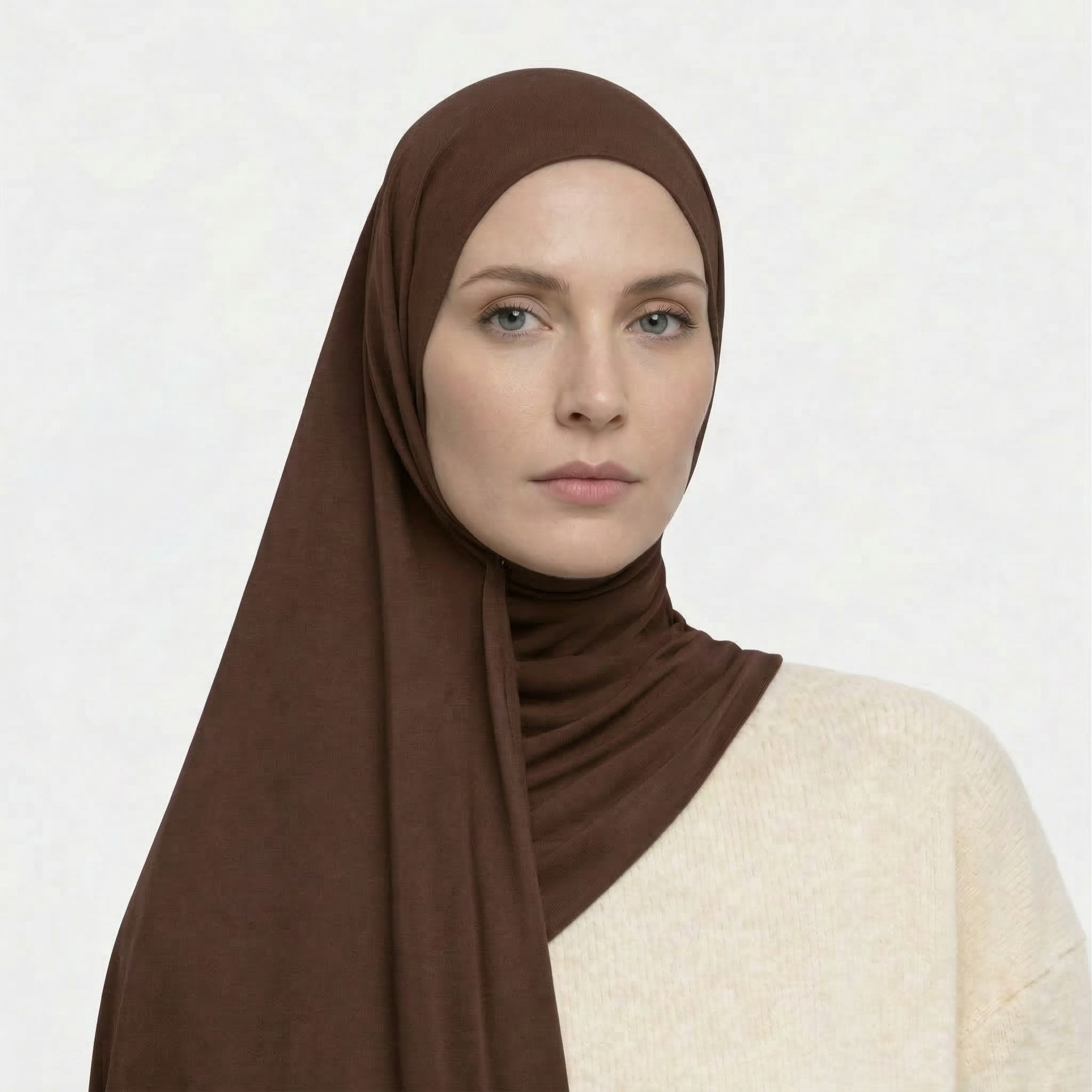
The fabric composition of a hijab plays a critical role in determining how comfortable it feels during extended wear, especially when navigating diverse climate conditions throughout the day. Women who wear hijab daily understand that the wrong fabric choice can lead to overheating in warm environments, insufficient insulation in cold weather, or irritation from moisture buildup during physical activity. The intersection of fabric science, personal comfort, and climate adaptation makes fabric selection one of the most practical decisions in hijab wardrobe planning, directly affecting skin health, thermal regulation, and overall wearability across seasons and geographic locations.
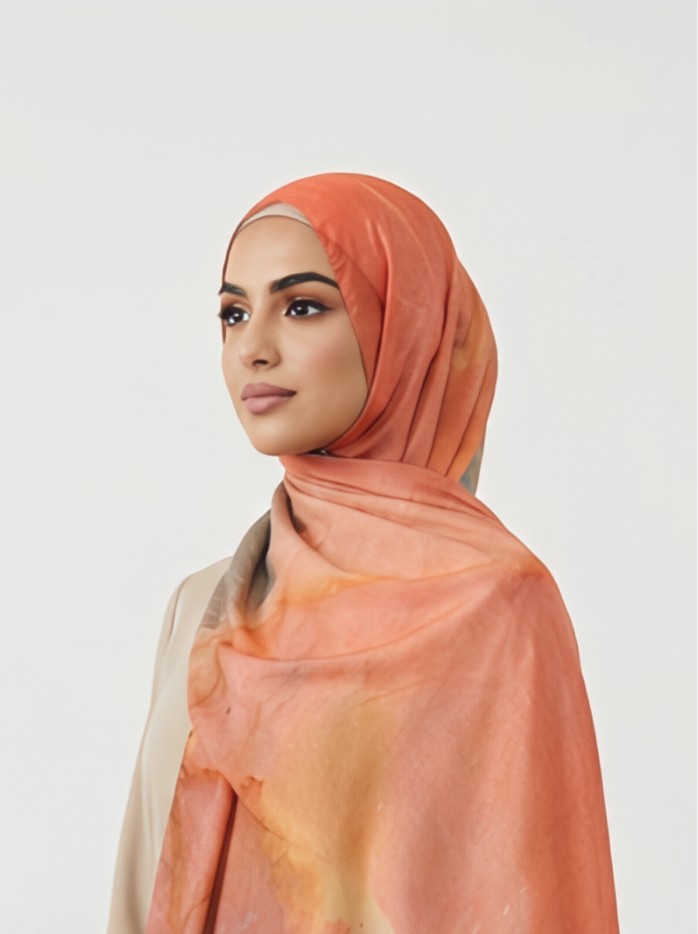
Understanding how different fabrics respond to temperature variations, humidity levels, and airflow patterns enables wearers to build a versatile hijab collection that maintains consistent comfort regardless of environmental shifts. Natural fibers like cotton and modal offer distinct moisture management properties compared to synthetic alternatives such as polyester or chiffon, while blended fabrics attempt to balance breathability with durability and aesthetic appeal. Climate-specific fabric selection goes beyond simple seasonal categorization, requiring consideration of daily temperature ranges, indoor versus outdoor transitions, and individual physiological responses to heat and cold, making fabric literacy an essential component of comfortable hijab wearing.
Thermal Regulation Properties of Natural Fiber Hijabs
Cotton Hijab Performance in Hot and Humid Climates
Cotton remains the most widely recommended natural fiber for hijab construction in tropical and subtropical climates due to its exceptional moisture absorption capacity and natural breathability. The cellulose structure of cotton fibers creates microscopic spaces that facilitate air circulation against the scalp and facial skin, allowing heat to dissipate more effectively than synthetic alternatives. In environments where temperatures regularly exceed 30 degrees Celsius with high relative humidity, a cotton hijab can absorb up to 27% of its weight in moisture without feeling damp to the touch, drawing perspiration away from the skin surface where evaporative cooling provides thermal relief.
The weave density of cotton hijab fabric significantly impacts its cooling efficiency, with looser weaves permitting greater airflow but potentially compromising opacity and coverage. Women living in hot climates often prefer cotton jersey or cotton voile constructions that balance coverage requirements with ventilation needs, selecting lighter thread counts for maximum breathability during peak heat hours. The natural crimp in cotton fibers also creates surface texture that prevents the fabric from clinging to skin when damp, maintaining a comfortable distance that supports continuous air circulation even during prolonged outdoor exposure or physical exertion.
Modal and Bamboo Fiber Advantages for Temperature Fluctuation
Modal fabric, derived from beech tree pulp through a specialized spinning process, represents an advanced natural fiber option for hijab wearers facing daily temperature variations between air-conditioned indoor spaces and warm outdoor environments. The smooth fiber surface of modal creates a silk-like drape that adapts to body temperature changes more responsively than cotton, with thermal conductivity properties that feel cool against skin in warm conditions while providing adequate insulation when temperatures drop. This thermal adaptability makes hijab styles in modal particularly suitable for professional environments requiring frequent transitions between climate-controlled offices and outdoor settings.
Bamboo-derived rayon fabrics offer similar temperature regulation benefits with the added advantage of natural antimicrobial properties that reduce odor development during extended wear. The hollow fiber structure of bamboo fabric creates additional insulation pockets that trap warm air in cool conditions while allowing excess heat to escape when environmental temperatures rise. For women living in temperate climates with significant diurnal temperature ranges, bamboo hijab options provide comfort continuity from cool morning commutes through warm afternoon hours without requiring mid-day fabric changes, though the delicate nature of these fibers demands more careful laundering practices than conventional cotton.
Silk Hijab Behavior Across Seasonal Extremes
Natural silk represents a premium fabric choice for hijab construction, offering unique thermoregulatory properties that function effectively across both hot and cold climate extremes. The protein-based structure of silk fibers provides natural temperature buffering, with the fabric feeling cool to the touch in warm weather while offering surprising insulation in cold conditions through its ability to trap body heat within its filament layers. Pure silk hijab styles demonstrate particular value in regions experiencing dramatic seasonal shifts, serving as transitional pieces that remain comfortable across temperature ranges spanning from 10 to 35 degrees Celsius without the static buildup or synthetic feel common in artificial alternatives.
The moisture-wicking capacity of silk rivals that of modern performance synthetics while maintaining superior breathability, making silk hijab options particularly comfortable during high-stress situations or physical activity despite the perception of silk as primarily formal wear. The natural sheen and smooth surface of silk reduce friction against skin and hair, preventing the irritation and breakage that can result from prolonged contact with rougher textile surfaces. However, the delicate nature of silk fibers and their susceptibility to perspiration staining and sun damage require careful consideration of wear context, with silk hijab styles best reserved for climate-controlled environments or moderate weather conditions rather than extreme heat or intense sun exposure.
Synthetic Fabric Performance in Climate-Specific Applications
Polyester Hijab Characteristics in Cold and Dry Environments
Polyester-based hijab fabrics demonstrate distinct performance advantages in cold, dry climates where moisture management takes lower priority than wind resistance and thermal retention. The hydrophobic nature of polyester fibers repels external moisture while preventing the fabric from absorbing perspiration, creating a microclimate layer that maintains consistent temperature against the head and neck even in freezing conditions. In regions where winter temperatures regularly drop below zero degrees Celsius, lightweight polyester hijab styles provide effective wind-breaking capabilities without the bulk of heavier natural fibers, making them practical choices for layering under outer garments or wearing during winter commutes.
The durability and shape retention properties of polyester make these hijab options particularly suitable for active lifestyles in cold climates, resisting the stretching and distortion that can occur with natural fibers under the weight of winter coats or during frequent adjustment. However, the same hydrophobic properties that benefit cold-weather wear create significant comfort challenges in warm or humid conditions, as polyester prevents evaporative cooling and can trap heat against the scalp. Women who regularly transition between heated indoor spaces and cold outdoor environments during winter months often find polyester hijab styles more comfortable than natural alternatives, as the fabric warms quickly when entering heated spaces without becoming damp from temperature-induced condensation.
Chiffon and Georgette Draping in Moderate Climates
Lightweight synthetic fabrics like chiffon and georgette, typically composed of polyester or polyamide fibers in loosely woven constructions, offer aesthetic and functional benefits in moderate climate zones with mild temperatures and low humidity. The sheer, flowing nature of these fabrics creates elegant draping qualities while permitting substantial airflow, making chiffon hijab styles comfortable during spring and autumn months when temperatures range between 15 and 25 degrees Celsius. The open weave structure allows heat dissipation without the moisture absorption that can make natural fibers feel heavy or damp, providing a lightweight sensation that many wearers find more comfortable than denser cotton alternatives during transitional seasons.
The static-prone nature of synthetic chiffon can create challenges in dry climate conditions, with the fabric clinging to hair or generating uncomfortable electrical charges during wear. Many manufacturers address this limitation through fabric finishing treatments or by blending synthetic fibers with small percentages of natural materials to reduce static buildup while maintaining the desirable draping characteristics. Chiffon hijab options require layering or underlining in most contexts to achieve adequate opacity, which can complicate thermal management in climates with unpredictable temperature fluctuations, though this layering approach also provides opportunities for customized insulation by selecting complementary underlayer fabrics based on daily weather forecasts.
Performance Blend Technologies for Active Wear
Modern athletic hijab designs incorporate technical synthetic blends engineered specifically for moisture management during physical activity across varied climate conditions. These performance fabrics combine polyester or polyamide base materials with specialized fiber treatments that enhance wicking capabilities, pulling perspiration away from skin surfaces through capillary action and distributing moisture across broader fabric areas for accelerated evaporation. For women who maintain active lifestyles regardless of climate, sports hijab options utilizing these advanced materials provide comfort continuity from indoor gym environments to outdoor running in both hot and cold weather conditions.
The integration of elastane or spandex fibers into performance hijab blends creates four-way stretch properties that improve fit security during movement while reducing the fabric volume required for adequate coverage, thereby minimizing heat buildup without compromising modesty standards. Many athletic hijab designs feature mesh panel inserts or ventilation zones positioned away from primary coverage areas, strategically enhancing airflow where heat accumulation typically peaks during exercise. These technical considerations make performance blend hijab styles particularly valuable in hot, humid climates where traditional fabrics become uncomfortable during even moderate physical activity, though the synthetic composition limits their appeal for daily wear in non-athletic contexts where natural fiber breathability provides superior all-day comfort.
Fabric Weight and Weave Density Impact on Climate Comfort
Lightweight Fabric Selection for Hot Weather Conditions
The relationship between fabric weight measured in grams per square meter and thermal comfort becomes critically important when selecting hijab options for consistently hot climates where daily maximum temperatures exceed 30 degrees Celsius. Lightweight fabrics ranging from 80 to 120 gsm provide optimal balance between adequate coverage and heat dissipation, with lower weights permitting greater air circulation while requiring careful attention to opacity and draping characteristics. Cotton voile, lightweight jersey, and certain rayon weaves fall within this weight range, offering the breathability essential for comfort in tropical conditions while maintaining sufficient body to drape attractively without excessive clinging to perspiration-dampened skin.
The weave structure of lightweight hijab fabrics influences comfort as significantly as raw weight specifications, with plain weaves generally offering superior breathability compared to more complex constructions like twills or satins that create denser surface coverage. Open weaves maximize air permeability but may compromise opacity, requiring careful examination in natural lighting conditions to ensure coverage meets personal modesty standards before incorporating into regular wear rotation. Many women in hot climates maintain separate hijab collections for indoor and outdoor wear, selecting ultra-lightweight options below 100 gsm for outdoor exposure where maximum cooling takes priority, while choosing slightly heavier fabrics for air-conditioned indoor environments where the cooling properties of lightweight materials can feel uncomfortably cold against skin.
Medium-Weight Fabrics for Variable Climate Adaptation
Fabrics in the 120 to 180 gsm range represent versatile options for climates characterized by significant daily or seasonal temperature variations, providing adequate warmth during cooler periods without causing overheating when temperatures rise. Medium-weight cotton jersey, modal blends, and certain crepe constructions in this category offer reliable year-round performance in temperate zones where average temperatures range from 10 to 25 degrees Celsius with moderate humidity levels. The additional fabric density compared to lightweight alternatives provides better wind resistance and insulation during cool mornings or air-conditioned indoor environments, while remaining sufficiently breathable for comfort during warmer afternoon hours or mild physical activity.
The increased durability of medium-weight hijab fabrics makes them practical choices for daily wear applications where frequent laundering and regular adjustment throughout the day place stress on fiber structures. These fabrics typically maintain their shape and draping characteristics more reliably than lightweight alternatives, requiring less frequent replacement and offering better long-term value despite potentially higher initial costs. For women living in four-season climates, medium-weight hijab options serve as foundational wardrobe pieces suitable for spring and autumn wear, with lightweight and heavy alternatives supplementing the collection for summer and winter extremes respectively, creating a climate-responsive hijab wardrobe that maintains consistent comfort throughout annual temperature cycles.
Heavy Fabrics for Cold Weather Protection
Winter hijab selection in cold climates requires fabrics exceeding 180 gsm to provide adequate thermal insulation and wind protection when outdoor temperatures drop below 5 degrees Celsius. Heavy jersey knits, wool blends, and brushed cotton constructions in this weight category create insulating air pockets within their fiber structures, trapping warm air against the head and neck while blocking cold wind penetration. The thickness of these fabrics also provides better coverage of the neck and chest areas, critical zones for heat retention in cold weather, though the reduced draping flexibility requires different styling approaches than lightweight alternatives to maintain attractive appearance while ensuring full coverage.
The moisture management properties of heavy hijab fabrics become particularly important during winter wear, as the transition between cold outdoor environments and heated indoor spaces can generate condensation within dense fabric layers. Natural fiber compositions like wool or cotton blends absorb this transition moisture without feeling damp, while synthetic heavy fabrics may develop uncomfortable humidity buildup against skin. Many women in cold climates adopt a layering approach with medium-weight base hijab layers complemented by heavier outer wraps or hoods that can be removed upon entering heated spaces, providing flexibility to adjust insulation levels throughout the day without completely changing hijab styles during brief indoor stops or errands.
Humidity Response and Moisture Management Across Fabrics
Natural Fiber Absorption in High Humidity Environments
The hygroscopic nature of natural fibers like cotton, modal, and bamboo rayon creates both advantages and challenges when wearing hijab in humid climates where relative humidity regularly exceeds 70 percent. These materials actively absorb atmospheric moisture as well as perspiration, with absorption rates varying based on fiber type and ambient conditions, creating a cooling effect through evaporative heat transfer when sufficient airflow exists to promote moisture evaporation. In coastal tropical regions or during summer months in temperate zones, this moisture absorption prevents the uncomfortable sensation of perspiration pooling against skin, distributing dampness throughout fabric volume where it becomes less perceptible and more rapidly dries when exposed to air movement.
However, the same absorption capacity that provides comfort during active perspiration can become problematic in extremely humid conditions where atmospheric moisture saturation prevents effective evaporation. When ambient humidity approaches 90 percent, natural fiber hijab fabrics may absorb environmental moisture to the point of feeling persistently damp even without physical exertion, creating weight increase and a clammy sensation against skin. Women living in consistently humid climates often prefer lightweight natural fabrics with open weave constructions that maximize air circulation despite moisture absorption, or alternatively select hydrophobic synthetic options that resist both perspiration and atmospheric moisture absorption, accepting reduced breathability in exchange for consistent dry feel throughout the day.
Synthetic Fabric Behavior in Moisture-Rich Conditions
Polyester and polyamide hijab fabrics demonstrate fundamentally different moisture interaction patterns compared to natural alternatives, repelling both perspiration and atmospheric humidity rather than absorbing these moisture sources. This hydrophobic characteristic prevents synthetic hijab options from becoming heavy or damp-feeling in humid environments, maintaining consistent weight and texture regardless of ambient moisture levels. However, the inability to absorb perspiration means that moisture remains on skin surfaces under synthetic fabrics, potentially creating discomfort through increased humidity in the microclimate between fabric and skin, particularly during physical activity or in hot, humid conditions where perspiration production exceeds evaporation capacity.
Advanced synthetic hijab fabrics incorporate engineered fiber shapes and surface treatments designed to improve moisture management despite the inherently hydrophobic nature of polymer materials. Channeled fiber cross-sections create capillary pathways that transport liquid perspiration away from skin through wicking action rather than absorption, spreading moisture across larger fabric areas where it contacts air and evaporates more readily. These moisture-wicking hijab options provide functional compromise between natural fiber absorption and basic synthetic hydrophobicity, offering improved comfort in humid conditions compared to untreated synthetic fabrics while avoiding the dampness issues that can affect natural fibers in extremely humid environments. The effectiveness of these treatments varies significantly based on manufacturing quality and degrades over time with repeated laundering, requiring periodic replacement to maintain optimal moisture management performance.
Climate-Specific Fabric Maintenance for Moisture Control
The laundering and care practices applied to hijab fabrics significantly impact their moisture management capabilities and long-term comfort performance across different climate conditions. Natural fiber hijab items worn in humid climates benefit from frequent washing to remove accumulated salts from perspiration and environmental pollutants that can impair fiber breathability and moisture absorption. Hot water washing and thorough drying restore the hygroscopic capacity of cotton and modal fabrics, though excessive heat exposure can damage delicate fibers like bamboo rayon or silk, requiring temperature-controlled care approaches that balance hygiene needs with fabric preservation.
Synthetic hijab fabrics accumulate body oils and residue from styling products more readily than natural alternatives due to their smooth, non-absorbent fiber surfaces, creating barriers that reduce the effectiveness of moisture-wicking treatments over time. Regular washing with detergents specifically formulated for synthetic performance fabrics helps maintain moisture management properties, while fabric softeners should be avoided as their coating effects directly counteract wicking functionality. In dry climates, static-reducing dryer sheets or spray treatments become essential for synthetic hijab comfort, while humid climate care focuses on preventing mildew growth during drying through adequate air circulation and avoiding storage of damp hijab items in enclosed spaces where fungal colonization can develop and create persistent odor issues that compromise wearability.
Building a Climate-Responsive Hijab Wardrobe
Seasonal Rotation Strategies for Variable Climates
Women living in regions with distinct seasonal climate patterns benefit from organizing hijab collections according to temperature and humidity forecasts, maintaining separate warm-weather and cold-weather selections with transitional options bridging seasonal extremes. This rotation approach ensures that appropriate fabric weights and fiber compositions remain readily accessible as weather conditions change, eliminating the discomfort of wearing winter-weight hijab during unexpected warm spells or lightweight summer options during cold snaps. A well-planned seasonal hijab wardrobe for temperate four-season climates typically includes six to eight lightweight cotton or modal pieces for summer wear, four to six medium-weight transitional options, and four to six heavy fabrics for winter protection, with specific quantities adjusted based on personal laundering frequency and style variety preferences.
The transition periods between seasons require particular attention to fabric selection, as daily temperature ranges during spring and autumn often span 15 degrees Celsius or more, creating comfort challenges when single fabric weights must accommodate both cool mornings and warm afternoons. Layering strategies become valuable during these periods, with lightweight base hijab layers complemented by removable wraps or shawls that provide additional insulation during cooler hours without causing overheating when temperatures peak. Many women maintain dedicated transitional hijab selections featuring medium-weight fabrics in versatile neutral colors that coordinate with both winter and summer wardrobes, maximizing utility across extended wearing periods while minimizing the total collection size required to maintain consistent comfort throughout annual climate cycles.
Geographic-Specific Fabric Prioritization
The optimal hijab fabric distribution within a personal collection varies dramatically based on local climate characteristics, with residents of consistently hot regions requiring different fabric emphasis than those in cold climates or areas with dramatic seasonal variations. Women in tropical or subtropical zones typically build collections emphasizing lightweight natural fibers, with 70 to 80 percent of hijab inventory consisting of cotton, bamboo, or modal options weighing less than 120 gsm, supplemented by small selections of performance synthetic fabrics for athletic activities and medium-weight options for air-conditioned indoor environments. This distribution prioritizes breathability and moisture management capabilities essential for daily comfort in persistently warm, humid conditions.
Conversely, hijab wardrobes in cold northern climates emphasize insulating fabrics, with heavy jersey, wool blends, and medium-weight options comprising the majority of regular wear selections, supplemented by lightweight pieces for heated indoor environments and summer months. The shorter duration of warm weather in these regions justifies smaller investments in summer-specific hijab options, with budget allocation favoring quality cold-weather pieces that withstand frequent wear and harsh laundering conditions associated with winter garment care. Women in moderate climates with relatively stable year-round temperatures can maintain more balanced fabric distributions, investing equally in lightweight, medium, and occasional heavy options to accommodate typical weather variations without requiring extensive seasonal wardrobe transitions, simplifying organization and reducing total collection size while maintaining consistent comfort across daily and seasonal temperature fluctuations.
Travel Adaptation and Multi-Climate Packing
Hijab wearers who travel frequently across different climate zones face unique fabric selection challenges requiring versatile pieces that perform adequately across varied environmental conditions. Modal and bamboo fabrics offer particularly valuable properties for travel applications due to their thermoregulatory capabilities and compact packing characteristics, maintaining comfort across temperature ranges while resisting wrinkles more effectively than pure cotton alternatives. A travel hijab capsule for trips spanning multiple climate zones typically includes three to four medium-weight modal or cotton-modal blend pieces that function in both air-conditioned indoor spaces and moderate outdoor temperatures, supplemented by one or two lightweight options for hot weather exposure and a single heavy layer for cold weather protection or excessive indoor air conditioning.
The quick-drying properties of fabric blends incorporating synthetic fibers provide practical advantages during travel, enabling overnight washing and air-drying that reduces luggage volume requirements and maintains freshness during extended trips. However, purely synthetic travel hijab selections often prove uncomfortable across the varied climate conditions encountered during multi-destination journeys, with the breathability limitations of polyester becoming particularly problematic during unexpected heat exposure or physical activity like airport navigation. Many experienced travelers prioritize natural-synthetic blends offering compromise between the comfort of natural fibers and the practical care benefits of synthetics, accepting minor performance trade-offs in extreme conditions to gain reliable comfort across the moderate climate ranges most commonly encountered during typical travel experiences, while packing one climate-specific piece for destinations with known temperature extremes beyond the adaptation range of versatile mid-weight blend fabrics.
FAQ
What is the most breathable fabric for hijab in extremely hot weather?
Cotton voile and lightweight bamboo rayon provide the highest breathability for hot weather hijab wear, with open weave constructions in the 80 to 100 gsm weight range offering optimal air circulation while maintaining adequate coverage. These natural fibers absorb perspiration effectively and permit evaporative cooling, making them more comfortable than synthetic alternatives in temperatures exceeding 35 degrees Celsius. Modal fabric offers similar breathability with improved durability and wrinkle resistance, though at slightly higher cost than basic cotton options.
Can synthetic hijab fabrics work well in humid climates?
Advanced moisture-wicking synthetic fabrics can perform adequately in humid conditions when engineered specifically for athletic or active wear applications, though they generally provide less comfort than natural alternatives during extended daily wear. Basic polyester and chiffon fabrics without specialized treatments tend to trap perspiration against skin in humid environments, creating discomfort despite their resistance to atmospheric moisture absorption. For humid climates, natural fiber hijab options typically offer superior all-day comfort unless specific activity requirements justify the moisture-wicking properties of technical synthetic fabrics.
How should I adjust my hijab fabric choices when traveling between different climate zones?
Pack medium-weight natural-synthetic blend fabrics like cotton-polyester or modal-polyester combinations that perform adequately across temperature ranges from 15 to 30 degrees Celsius, supplemented by one lightweight piece for hot weather and one heavy option for cold exposure. This approach minimizes luggage volume while ensuring comfort across most climate conditions encountered during typical travel. Prioritize fabrics that resist wrinkling and dry quickly when laundered, as these characteristics prove more valuable during travel than optimized performance for specific climate extremes.
Does fabric color affect comfort in hot climates as much as fabric type?
Fabric color influences thermal comfort through solar radiation absorption, with darker colors absorbing more heat than lighter alternatives when exposed to direct sunlight, though this effect remains secondary to fabric composition and weight in determining overall comfort. Light-colored hijab options in appropriate breathable fabrics provide measurably greater comfort during outdoor exposure in hot, sunny climates compared to dark colors in identical fabric compositions. However, in shaded or indoor environments, fabric type and weight exert greater influence on comfort than color selection, making fabric composition the primary consideration with color serving as secondary optimization factor for outdoor wear in sunny conditions.