
 EN
EN


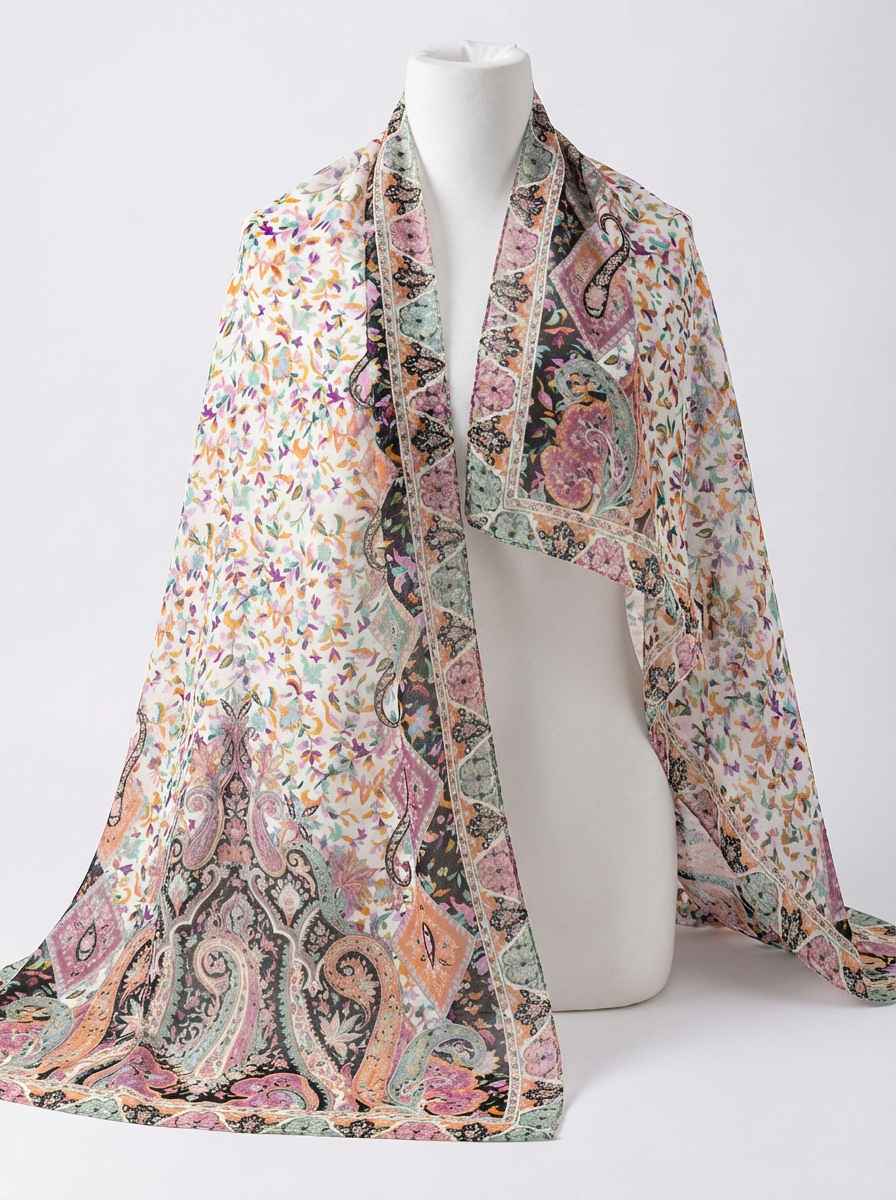
The durability of a hijab during frequent washing and long-term use depends on a complex interplay of material composition, construction quality, care practices, and environmental factors. For many wearers, a hijab is not merely a garment but a daily essential that must withstand repeated laundering cycles while maintaining its aesthetic appeal, structural integrity, and comfort. Understanding the factors that determine how well a hijab endures over time enables informed purchasing decisions and proper maintenance strategies that extend the lifespan of these valued textiles.
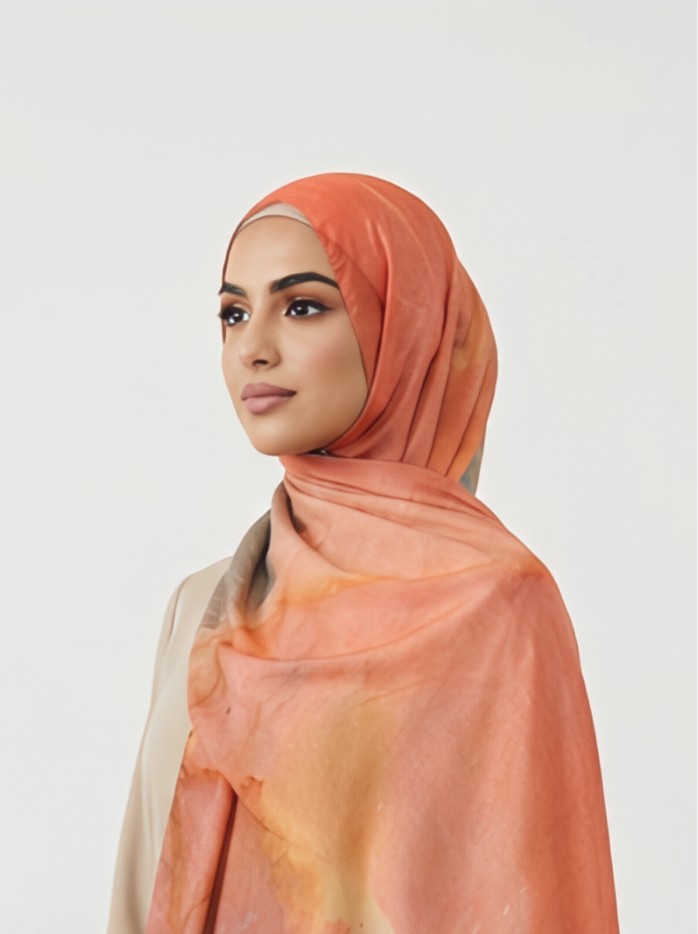
The longevity of any hijab is fundamentally shaped by the characteristics of its base fabric, the methods used in its production, the washing techniques applied by the wearer, and the storage conditions between uses. Natural fibers like cotton and silk respond differently to water and detergent exposure compared to synthetic materials such as polyester and modal. The weave structure, dye stability, edge finishing, and embellishment attachment methods all contribute to whether a hijab retains its original appearance after dozens or even hundreds of washes. This article examines the specific material, construction, and care-related factors that govern hijab durability, providing practical guidance for maximizing the useful life of these essential head coverings.
Material Composition and Fiber Properties
Natural Fibers and Their Washing Resilience
Natural fibers such as cotton, silk, and linen each exhibit distinct behaviors when subjected to frequent washing. Cotton hijabs are prized for their breathability and comfort, and pure cotton generally withstands repeated laundering well due to the inherent strength of cotton cellulose fibers. However, cotton can shrink during the first few washes if not pre-treated, and it may lose some softness over time as fibers break down with mechanical agitation. High-quality long-staple cotton typically offers superior durability compared to short-staple varieties because the longer fibers create a stronger yarn structure that resists pilling and thinning.
Silk hijabs present a more delicate washing challenge. While silk possesses excellent tensile strength when dry, it becomes weaker when wet and is susceptible to damage from alkaline detergents and harsh mechanical action. The protein-based structure of silk fibers can degrade under prolonged exposure to sunlight and heat, leading to brittleness and color fading. Linen hijabs, derived from flax fibers, are extremely durable and actually become softer with washing, but they are prone to wrinkling and may require more careful handling to maintain a neat appearance. Each natural fiber demands specific care protocols to preserve the hijab's structural integrity over extended use.
Synthetic and Blended Fiber Performance
Synthetic fibers such as polyester, chiffon, and modal have become increasingly popular in hijab production due to their ease of care and durability advantages. Polyester hijabs are highly resistant to shrinking, stretching, and wrinkling, and they retain their shape exceptionally well through numerous wash cycles. The polymer chains in polyester fibers are stable in water and resistant to most household detergents, making these hijabs ideal for frequent washing. However, polyester can pill over time, especially when exposed to friction during washing or wearing, and it may retain odors more readily than natural fibers due to its hydrophobic nature.
Modal, a type of rayon made from beech tree pulp, combines some advantages of both natural and synthetic fibers. Modal hijabs are soft, absorbent, and resistant to shrinkage, and they generally maintain their color vibrancy through repeated washing better than cotton. Blended fabrics that combine cotton with polyester or modal can offer balanced performance, leveraging the comfort of natural fibers with the durability and easy-care properties of synthetics. The specific blend ratio significantly influences washing durability, with higher synthetic content typically correlating with greater dimensional stability and fade resistance. When selecting a hijab for long-term use, understanding the fiber composition helps predict how the garment will age with regular laundering.
Dye Quality and Colorfastness
The longevity of a hijab's appearance depends heavily on the quality of dyes used and the dyeing process employed during manufacturing. Reactive dyes, which form covalent bonds with cellulose fibers in cotton and modal, generally provide excellent wash fastness and resist fading through many laundry cycles. Disperse dyes used on polyester also offer good durability when properly heat-set. In contrast, direct dyes and some low-quality pigment dyes may bleed or fade rapidly with washing, particularly in hot water or with harsh detergents.
Dark-colored and deeply saturated hijabs face greater durability challenges than lighter shades because they contain higher concentrations of dye molecules that can gradually leach out during washing. The pH of the washing water, the presence of optical brighteners in detergents, and exposure to chlorine can all accelerate color loss. Premium hijab manufacturers often employ additional fixation processes and use higher-grade dyes to ensure that colors remain vibrant through extended use. Testing colorfastness by washing a hijab separately during the first few cycles can reveal whether the dye will remain stable or if special care measures are needed to prevent premature fading.
Construction Quality and Finishing Techniques
Weave Structure and Fabric Density
The weave structure of a hijab fabric plays a crucial role in determining its durability during frequent washing. Tightly woven fabrics with high thread counts generally resist tearing, snagging, and distortion better than loosely woven alternatives. Plain weaves offer good stability and wear resistance, while satin and twill weaves provide a smoother surface but may be more prone to snagging if the yarns are not sufficiently robust. Jersey knit hijabs, which are constructed from interlocking loops rather than woven yarns, can stretch and distort with repeated washing unless made from high-recovery fibers or stabilized with appropriate finishing treatments.
The weight and density of the fabric also influence washing durability. Lightweight, sheer hijabs made from fine yarns are more delicate and require gentler handling than heavier, opaque fabrics. Delicate weaves may develop pulls or runs if caught on rough surfaces during washing, especially in a washing machine with other garments. Conversely, very heavy fabrics may take longer to dry and can harbor moisture that leads to mildew growth if not properly aired. Balancing fabric weight with intended use frequency helps ensure that a hijab maintains its integrity through regular laundering cycles.
Edge Finishing and Hemming Methods
The edges of a hijab are particularly vulnerable to fraying and unraveling during washing, making edge finishing quality a critical durability factor. Hand-rolled hems, which are common on high-quality silk and chiffon hijabs, provide a neat finish but can come undone if the stitching is not secure or if the fabric edge is subjected to excessive agitation. Machine-stitched hems with reinforced stitching offer greater durability for frequent washing, especially when a zigzag or overlock stitch is used to encase the raw edge and prevent fraying.
Some hijabs feature laser-cut or heat-sealed edges that eliminate the need for traditional hemming. These finishing methods can be highly durable on synthetic fabrics like polyester, as the heat treatment fuses the fiber ends together, preventing unraveling. However, laser-cut edges may become brittle over time with repeated washing and drying, leading to cracking or splitting. The choice of thread quality also matters; polyester thread is generally more durable than cotton thread for hemming because it resists degradation from detergents and maintains its strength when wet. Inspecting edge finishing before purchase and reinforcing any weak points can significantly extend a hijab's usable life.
Embellishments and Decorative Elements
Hijabs adorned with embroidery, sequins, beads, or printed designs face additional durability challenges during washing. Embroidered hijabs can maintain their appearance well if the embroidery thread is colorfast and securely stitched, but loose threads may snag or pull during machine washing. Sequins and beads attached with adhesive or weak stitching are prone to falling off with repeated laundering, leaving behind unsightly marks or adhesive residue. Water-soluble stabilizers used in embroidery can dissolve during washing, which may cause puckering if the base fabric and embroidery tension are not properly balanced.
Printed hijabs, whether screen-printed or digitally printed, require special consideration for washing durability. High-quality prints that use pigment inks with proper curing or fixation processes will resist fading and cracking through many washes. Lower-quality prints may begin to fade or peel after just a few laundry cycles, especially if washed in hot water or dried at high heat. Printed hijabs should generally be washed inside out in cool water to minimize abrasion on the printed surface. Understanding the attachment methods and print quality of decorative elements helps predict how well an embellished hijab will endure frequent washing.
Washing Practices and Care Methods
Water Temperature and Detergent Selection
Water temperature is one of the most significant controllable factors affecting hijab durability during washing. Hot water accelerates chemical reactions between detergents and fabric, which can enhance cleaning but also increases the rate of fiber degradation, dye fading, and shrinkage. Cold water washing, typically between 15 to 30 degrees Celsius, is generally gentler on hijab fibers and helps preserve color vibrancy, though it may be less effective at removing certain types of stains or body oils. Warm water, around 30 to 40 degrees Celsius, offers a compromise that provides adequate cleaning power while minimizing damage to most hijab fabrics.
Detergent selection impacts both cleaning effectiveness and long-term hijab condition. Harsh alkaline detergents can weaken natural protein fibers like silk and wool, while enzymes in some detergents may gradually break down cellulose fibers in cotton over time. Mild, pH-neutral detergents formulated for delicate fabrics are preferable for preserving hijab integrity, especially for natural fiber and blended hijabs. Avoiding chlorine bleach is critical, as it can severely damage most hijab fibers and cause irreversible yellowing or weakening. Oxygen-based bleaches are gentler alternatives for stain removal, though they should still be used sparingly on colored hijabs to prevent gradual color loss.
Washing Machine Settings and Hand Washing Techniques
The mechanical action of washing, whether by machine or hand, subjects hijab fibers to friction, tension, and bending forces that can cause wear over time. Modern washing machines offer various cycle options that can be optimized for hijab care. Delicate or gentle cycles with reduced agitation and shorter wash times minimize mechanical stress on fabrics, helping to preserve fiber integrity and prevent stretching or distortion. Using a mesh laundry bag to contain hijabs during machine washing provides an additional layer of protection against snagging on other garments or machine components.
Hand washing, while more time-consuming, offers the greatest control over the washing process and is often recommended for delicate or heavily embellished hijabs. Gentle swishing and squeezing motions rather than vigorous rubbing or wringing help preserve fabric structure and prevent stretching. Soaking hijabs in cool water with mild detergent for 10 to 15 minutes before gentle agitation can effectively remove dirt and oils without excessive mechanical action. Regardless of washing method, avoiding overloading the washing machine or wash basin ensures that each hijab receives adequate cleaning action and rinsing without being subjected to unnecessary compression or tangling.
Drying Methods and Heat Exposure
The drying process after washing significantly influences hijab longevity, as heat and mechanical tumbling can cause shrinkage, fiber damage, and accelerated aging. Line drying in shade or indirect sunlight is generally the gentlest method, allowing hijabs to air dry naturally without heat exposure. This method preserves fiber elasticity and prevents the thermal degradation that can occur in machine dryers. However, excessive direct sunlight can cause UV-induced color fading and fiber weakening, particularly for silk and dyed hijabs, so shaded or indoor drying is preferable for long-term color retention.
Machine drying on high heat settings poses the greatest risk to hijab durability, as the combination of heat and tumbling action can cause significant shrinkage in natural fibers, melting or distortion in some synthetics, and accelerated breakdown of elastic components or adhesives. If machine drying is necessary, using the lowest heat setting or air-dry cycle minimizes damage. Removing hijabs from the dryer while still slightly damp and allowing them to finish drying flat reduces wrinkling and stress on fibers. For delicate hijabs, rolling them in a clean towel to absorb excess water before air drying prevents stretching from the weight of water and speeds the drying process without heat exposure.
Environmental Factors and Storage Conditions
Humidity and Moisture Management
Environmental conditions during storage and daily use affect hijab durability between washing cycles. High humidity environments can promote mildew and bacterial growth on hijabs, particularly those made from natural fibers like cotton and silk. Mildew not only causes unpleasant odors but also produces enzymes that actively degrade cellulose fibers, weakening the fabric structure over time. Storing hijabs in well-ventilated spaces with moderate humidity levels helps prevent moisture accumulation and biological deterioration.
In contrast, extremely dry conditions can make certain fibers brittle and more prone to cracking or tearing. Silk hijabs are particularly sensitive to low humidity, as the protein fibers lose flexibility and become fragile when moisture content drops too low. Maintaining relative humidity between 40 and 60 percent in storage areas provides a balanced environment that preserves fiber integrity without encouraging mold growth. Using breathable fabric storage bags rather than plastic containers allows air circulation while protecting hijabs from dust and light exposure, contributing to longer usable life between and beyond washing cycles.
Light Exposure and UV Damage
Ultraviolet radiation from sunlight is a significant factor in the long-term degradation of hijab materials, affecting both fiber strength and color stability. UV exposure breaks down the molecular chains in both natural and synthetic fibers through photodegradation, leading to gradual weakening and eventual brittleness. Dyed hijabs experience accelerated fading when exposed to direct sunlight, with darker and more vibrant colors generally showing deterioration more quickly than lighter shades. This photochemical damage is cumulative over time, meaning that hijabs worn primarily outdoors or stored near windows will age faster than those protected from light.
Minimizing UV exposure during both wearing and storage extends hijab life significantly. When air drying after washing, positioning hijabs in shaded areas or indoor spaces prevents the immediate intense UV exposure that can weaken wet fibers. For storage, keeping hijabs in closed drawers or wardrobes away from direct sunlight preserves both color and fiber strength. Some modern synthetic fibers are treated with UV stabilizers during manufacturing to improve their resistance to photodegradation, making them more suitable for frequent outdoor wear and extended use compared to untreated materials.
Friction and Physical Wear Patterns
The physical demands placed on a hijab during daily wear create specific wear patterns that interact with washing frequency to influence overall durability. Areas of high friction, such as where the hijab contacts the shoulders, pins, or undercaps, experience accelerated fiber abrasion that can lead to thinning, pilling, or holes over time. These mechanically stressed areas are further weakened by the swelling and softening of fibers during washing, making them more vulnerable to damage in subsequent wear cycles.
Regular inspection of hijabs for early signs of wear in high-stress areas allows for timely repairs that can extend usable life. Rotating through multiple hijabs rather than wearing the same few repeatedly distributes wear more evenly across a collection, allowing each piece time to recover between uses and reducing the total number of washes any single hijab undergoes. Using rust-free pins and smooth undercaps minimizes mechanical damage during wear, while proper folding techniques during storage prevent permanent creasing that can weaken fibers along fold lines. These use patterns, combined with appropriate washing practices, determine whether a hijab remains serviceable for months or years of regular wear.
Quality Indicators and Selection Criteria
Assessing Pre-Purchase Durability Signs
Identifying durability indicators before purchasing a hijab helps ensure long-term satisfaction and value. The fabric hand, or tactile quality, provides immediate clues about fiber quality and construction. High-quality hijabs feel substantial without being excessively heavy, have a smooth surface without loose threads or irregular textures, and demonstrate good recovery when stretched or crushed. Examining the fabric against light reveals the tightness and regularity of the weave; dense, even weaves with no thin spots or irregularities typically indicate superior construction that will withstand repeated washing.
Edge examination is crucial for predicting long-term durability. Well-finished edges with tight, even stitching or secure heat-sealing will resist fraying through many wash cycles, while loose threads, skipped stitches, or unraveling edges signal potential durability issues. For printed or embellished hijabs, gently rubbing the decorated areas reveals whether inks are properly cured or embellishments are securely attached. If color transfers easily or sequins feel loosely attached during this simple test, the hijab will likely not maintain its appearance through frequent washing. Checking care labels for fiber content and manufacturer washing instructions provides essential information for matching the hijab's characteristics with intended use patterns.
Price-Quality Relationships and Value Assessment
While price does not always guarantee quality, understanding the relationship between cost and durability helps make informed purchasing decisions. Premium hijabs typically employ higher-grade fibers, more durable dyes, and superior construction techniques that justify their higher price through extended usable life. A moderately expensive hijab made from long-staple cotton or quality modal with reinforced edges may ultimately provide better value than multiple inexpensive alternatives that require frequent replacement due to fading, thinning, or edge failure.
Calculating cost per wear rather than focusing solely on initial price reveals the true economic value of durable hijabs. A hijab that costs twice as much but lasts three times longer through more frequent washing delivers superior value compared to cheaper alternatives with shorter lifespans. However, not all expensive hijabs are durable; some command premium prices due to brand positioning, embellishments, or fashion trends rather than superior materials or construction. Balancing price considerations with careful assessment of material quality, construction details, and care requirements enables selection of hijabs that will maintain their appearance and integrity through extensive washing and long-term use.
Care Label Information and Maintenance Guidance
Care labels attached to hijabs provide manufacturer-recommended maintenance instructions that, when followed, maximize durability and appearance retention. These labels use standardized symbols indicating appropriate washing temperatures, bleaching permissions, drying methods, and ironing requirements. Understanding and adhering to these guidelines prevents unintentional damage from inappropriate care practices. For example, a hijab labeled for cold water washing only may shrink or fade if washed in hot water, while one marked dry clean only may be irreversibly damaged by home washing.
When care labels are absent or have become illegible, applying conservative care practices errs on the side of preservation. Treating unknown hijabs as delicate items by using cold water, mild detergent, gentle agitation, and air drying minimizes risk of damage while still achieving adequate cleaning. Testing washing methods on a small, inconspicuous area before laundering the entire hijab can reveal potential colorfastness or shrinkage issues without ruining the entire garment. Building knowledge about how different hijab types respond to various care methods through careful observation over time enables increasingly optimized maintenance practices that balance cleanliness with longevity.
FAQ
How many washes can a quality hijab typically withstand before showing significant wear?
A well-constructed hijab made from quality materials can typically withstand 50 to 100 or more wash cycles before showing significant wear such as thinning, fading, or edge fraying, depending on the fiber type and washing conditions. Premium cotton and modal hijabs with proper care often remain serviceable through 100 to 200 washes, while delicate silk or heavily embellished hijabs may show deterioration after 30 to 50 washes. Polyester hijabs frequently outlast natural fiber alternatives when properly cared for. The actual lifespan varies considerably based on water temperature, detergent type, washing method, and drying practices used throughout the hijab's lifetime.
Should hijabs be washed after every single use or can they be worn multiple times between washes?
Hijabs worn in direct contact with skin and hair typically benefit from washing after each use to remove accumulated oils, perspiration, and environmental pollutants that can degrade fibers over time. However, hijabs worn over undercaps or in low-perspiration conditions may be worn two to three times between washes without hygiene concerns, which actually extends their lifespan by reducing total washing frequency. Allowing hijabs to air out thoroughly between wears and spot-cleaning small stains rather than washing the entire garment unnecessarily helps balance cleanliness with durability. The appropriate washing frequency depends on climate, activity level, and personal comfort preferences, with more frequent washing trading hygiene benefits for somewhat reduced garment longevity.
What are the most common mistakes that prematurely damage hijabs during washing?
The most common washing mistakes that damage hijabs include using water temperatures that are too hot for the fabric type, which causes shrinkage and accelerated fiber breakdown; employing harsh detergents or bleach that degrade fibers and strip color; overloading washing machines, which prevents adequate water circulation and increases fabric friction; using high-heat machine drying that causes shrinkage and thermal damage; and washing delicate hijabs with heavy or abrasive items like jeans or towels that cause excessive mechanical stress. Additionally, wringing hijabs to remove water or hanging them to dry while saturated creates stretching and distortion, particularly in lightweight or knit fabrics. Avoiding these practices significantly extends hijab durability.
Do natural fiber hijabs last longer than synthetic ones with proper care?
Natural and synthetic fiber hijabs offer different durability advantages depending on care practices and use conditions. High-quality cotton and linen hijabs can last many years with proper care due to the inherent strength of their fibers, though they may soften and thin gradually with extensive washing. Silk hijabs, while luxurious, generally require more careful handling and show wear more quickly than other natural fibers. Polyester and other synthetic hijabs typically resist shrinking, wrinkling, and shape distortion better than natural fibers and maintain their appearance through more wash cycles with less careful attention to washing conditions. Blended fabrics often provide balanced performance, combining the comfort of natural fibers with the durability advantages of synthetics. The longest-lasting hijab ultimately depends on matching fiber properties to specific care capabilities and wearing conditions rather than simply choosing natural or synthetic categories.
Table of Contents
- Material Composition and Fiber Properties
- Construction Quality and Finishing Techniques
- Washing Practices and Care Methods
- Environmental Factors and Storage Conditions
- Quality Indicators and Selection Criteria
-
FAQ
- How many washes can a quality hijab typically withstand before showing significant wear?
- Should hijabs be washed after every single use or can they be worn multiple times between washes?
- What are the most common mistakes that prematurely damage hijabs during washing?
- Do natural fiber hijabs last longer than synthetic ones with proper care?