
 EN
EN



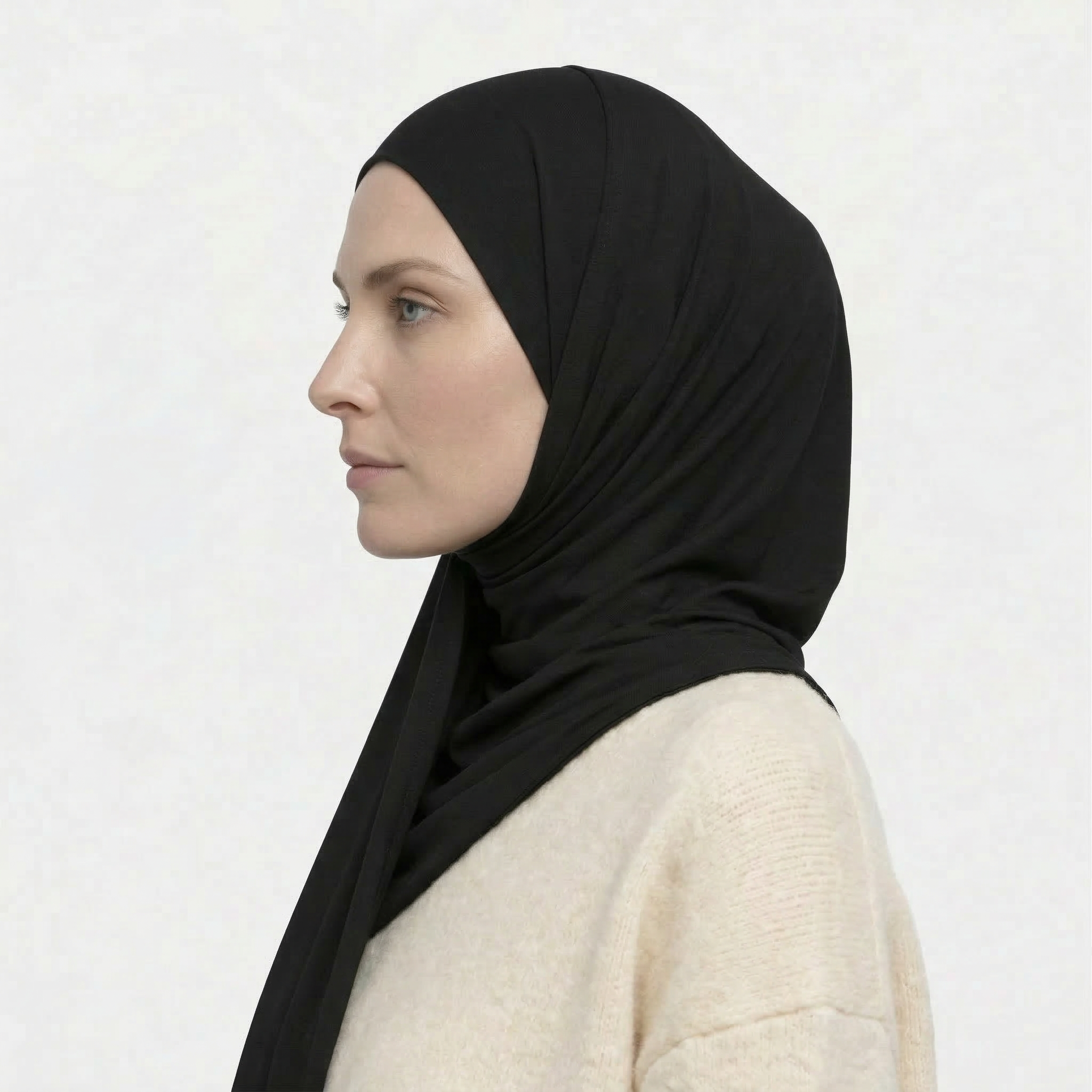
The relationship between hijab fabric weight and performance characteristics represents a critical consideration for women seeking comfortable, functional modest wear across diverse climatic conditions and daily activities. Fabric weight, typically measured in grams per square meter (GSM), directly influences how a hijab interacts with the wearer's skin, responds to environmental temperatures, and maintains its structural integrity throughout the day. Understanding this fundamental property enables informed purchasing decisions that align with specific lifestyle requirements, regional climate patterns, and personal comfort preferences. The hijab serves as both a religious expression and a practical garment, making the selection of appropriate fabric weight essential for achieving the balance between modesty observance and physical comfort in varied environmental contexts.
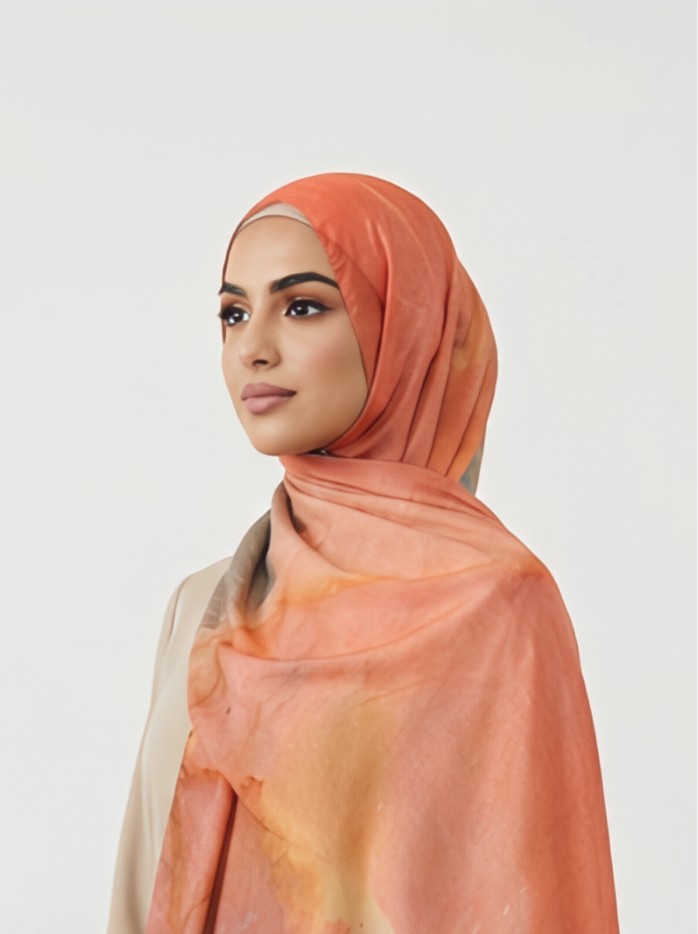
The interplay between fabric weight and environmental performance becomes particularly significant when considering the global diversity of climates where women wear the hijab daily. A lightweight hijab suitable for tropical humidity may prove inadequate in air-conditioned office environments, while a heavier winter hijab could cause discomfort during moderate spring weather. This complexity extends beyond simple seasonal considerations to encompass activity levels, indoor versus outdoor settings, and the duration of continuous wear. Modern hijab wearers navigate multiple environments throughout a single day, transitioning from heated homes to cold outdoor spaces, then into climate-controlled workplaces or educational institutions. Each transition demands specific fabric performance characteristics that originate fundamentally from the weight properties of the textile itself.
The Physics of Fabric Weight and Air Circulation
Understanding Fabric Density and Pore Structure
Fabric weight directly correlates with the density of fiber construction within the textile structure, which in turn determines the size and distribution of microscopic air pockets throughout the material. Lightweight hijab fabrics, typically ranging from 60 to 120 GSM, feature more open weave patterns or looser knit constructions that create larger interstitial spaces between individual fibers. These spaces function as channels for air movement, allowing heat generated by the body to escape while permitting cooler external air to reach the skin surface. The hijab thus acts as a permeable barrier rather than an impermeable seal, facilitating natural thermoregulation through convective heat transfer. This principle explains why lighter hijab options perform exceptionally well in warm, humid environments where body heat dissipation becomes the primary comfort challenge.
Conversely, heavier hijab fabrics ranging from 180 to 300 GSM contain denser fiber arrangements with smaller pore structures that restrict air movement more significantly. This reduced porosity creates a more substantial barrier between the wearer's head and the external environment, which proves advantageous in cold conditions by trapping warm air close to the skin and preventing heat loss through convection. The same density that restricts airflow in warm conditions provides insulation in cold environments, demonstrating how fabric weight serves opposite functional purposes depending on ambient temperature. The relationship between weight and breathability follows a generally inverse correlation, though fiber type, weave pattern, and finishing treatments introduce important nuances to this fundamental principle.
Moisture Management Through Fabric Weight Variations
The weight of a hijab fabric significantly influences its capacity to absorb, transport, and release moisture generated through perspiration or environmental humidity. Lightweight hijab materials with open structures typically demonstrate faster wicking rates, drawing moisture away from the scalp and facial areas where perspiration naturally accumulates. This rapid moisture transport prevents the uncomfortable sensation of dampness against the skin while facilitating evaporative cooling, a crucial mechanism for maintaining comfort in hot environments. Natural fibers like cotton and bamboo, when woven into lightweight hijab fabrics, excel at this moisture management function, though synthetic moisture-wicking technologies have expanded the performance possibilities across various weight categories.
Heavier hijab fabrics possess greater absolute moisture absorption capacity due to their increased fiber content, but their denser construction often results in slower moisture release rates. This characteristic can prove problematic in humid environments where absorbed moisture remains trapped within the fabric structure, creating a heavy, damp sensation that compromises comfort and may lead to skin irritation. However, in dry, cold climates, this moisture retention capacity serves a protective function by maintaining a microclimate of appropriate humidity around the head area, preventing excessive dryness that can cause scalp discomfort or skin irritation. The interaction between fabric weight and moisture management thus varies substantially based on both the inherent humidity of the environment and the specific fiber composition of the hijab material.
Thermal Insulation Properties Across Weight Ranges
Fabric weight serves as a primary determinant of thermal insulation value, measured through the material's resistance to conductive heat transfer. Heavier hijab fabrics create thicker barriers with more numerous fiber layers between the head and external environment, increasing the material's R-value or thermal resistance. This insulation effect becomes particularly valuable in cold climates where maintaining head warmth contributes significantly to overall body comfort, as significant heat loss occurs through the head and neck region. Winter-weight hijab options typically incorporate fabrics in the 200 to 300 GSM range, often featuring brushed finishes or napped surfaces that trap additional air pockets to enhance insulation without proportionally increasing fabric density.
The insulation properties of lightweight hijab fabrics work differently, providing minimal thermal resistance that allows heat dissipation rather than retention. In tropical and subtropical regions where ambient temperatures frequently exceed body temperature, this low insulation value prevents heat accumulation beneath the hijab, maintaining thermal equilibrium between the wearer and the environment. The reduced fabric mass also minimizes the greenhouse effect that can occur when dense textiles trap solar radiation absorbed by darker colors, a consideration particularly relevant for women who prefer traditional black or dark-colored hijab styles. Understanding these thermal dynamics helps explain why fabric weight selection represents such a fundamental decision in achieving comfort across different climate zones.
Environmental Context and Optimal Fabric Weight Selection
Performance in Hot and Humid Tropical Climates
Tropical environments present unique challenges for hijab wearers due to the combination of high ambient temperatures, elevated humidity levels, and intense solar radiation. In these conditions, fabric weights below 100 GSM typically provide optimal breathability and comfort by maximizing air circulation around the head and facilitating rapid moisture evaporation. Natural fibers like cotton, bamboo, and modal demonstrate particular effectiveness when constructed in lightweight hijab formats, as their inherent hygroscopic properties complement the open fabric structure to enhance moisture management. The lightweight construction also reduces the physical sensation of fabric weight against the head, minimizing fatigue during extended wear periods common in regions where the hijab remains in place throughout lengthy workdays or outdoor activities.
However, extremely lightweight fabrics below 60 GSM may present practical challenges in tropical environments, including excessive transparency requiring layering, reduced durability under frequent washing necessitated by perspiration, and insufficient structural integrity to maintain proper draping and coverage. Women in tropical regions often find optimal performance in the 80 to 120 GSM range, where breathability remains excellent while the fabric retains adequate opacity and dimensional stability. Semi-synthetic blends incorporating modal or rayon with small percentages of synthetic fibers can enhance durability without significantly compromising breathability, extending the serviceable life of lightweight hijab options subjected to frequent laundering cycles common in hot, humid environments where daily washing becomes necessary for hygiene and comfort maintenance.
Functionality in Arid Desert Environments
Desert climates characterized by high daytime temperatures, low humidity, and significant temperature fluctuations between day and night require different fabric weight considerations than humid tropical regions. Medium-weight hijab fabrics in the 120 to 180 GSM range often prove most versatile in these environments, providing sufficient coverage to protect against intense solar radiation and wind-blown sand particles while maintaining adequate breathability for daytime comfort. The moderate fabric weight offers insulation against both heat and cold, adapting to the dramatic temperature swings that occur between scorching afternoons and cool desert nights. Natural fibers remain advantageous in these conditions, with cotton and linen performing particularly well due to their breathability and moisture-wicking properties that address the drying effects of low-humidity air on skin and scalp.
The protective function of the hijab assumes greater importance in desert environments where environmental hazards extend beyond temperature considerations. Medium-weight fabrics provide more effective barriers against ultraviolet radiation, which reaches particularly high intensities in clear desert atmospheres with minimal cloud cover. This protective capacity reduces sun exposure risks while the moderate weight prevents the excessive heat retention that would occur with heavier winter-weight fabrics. Women in desert regions often maintain multiple hijab weights for different times of day, wearing lighter options during peak heat hours and transitioning to medium-weight alternatives for morning, evening, and indoor wear where air conditioning creates cooler microclimates requiring modest additional insulation.
Cold Weather Performance and Layering Strategies
Winter conditions in temperate and cold climate zones necessitate substantially heavier hijab fabrics to provide adequate insulation against low temperatures, wind chill, and precipitation. Fabrics in the 200 to 300 GSM range deliver the thermal protection required for outdoor comfort in freezing conditions, with materials like wool, fleece-backed jersey, and brushed cotton offering optimal warmth-to-weight ratios. These heavier hijab options create substantial barriers against cold air infiltration while their increased thickness provides physical protection against wind that can penetrate lighter fabrics. The challenge in cold weather hijab selection involves balancing outdoor warmth requirements against indoor comfort, as heated buildings, public transportation, and commercial spaces often maintain temperatures that render heavy hijab fabrics uncomfortably warm.
Many women in cold climates adopt layering approaches that combine medium-weight base hijab layers with removable heavier outer wraps or additional scarves that can be adjusted or removed during indoor periods. This strategy provides flexibility across the multiple environmental transitions typical of daily routines in winter conditions, allowing the hijab configuration to adapt from outdoor protection to indoor comfort without requiring complete removal and re-wrapping. The base layer typically ranges from 140 to 180 GSM, offering sufficient coverage and warmth for brief outdoor exposure while remaining comfortable for extended indoor wear. Additional layers in the 180 to 250 GSM range supplement the base when outdoor exposure duration extends beyond brief transitions, with the combined system providing customizable insulation that responds to both ambient conditions and individual comfort preferences throughout variable winter days.
Transitional Season Adaptability
Spring and autumn seasons present particular challenges for hijab fabric weight selection due to highly variable daily temperature ranges, unpredictable weather patterns, and the frequency of transitions between different environmental conditions. Medium-weight fabrics in the 120 to 160 GSM range typically offer the most versatile performance during transitional seasons, providing adequate warmth during cool mornings and evenings while remaining sufficiently breathable for midday temperature increases. Natural fiber blends incorporating cotton with modal or small percentages of synthetic materials balance breathability with modest insulation, adapting reasonably well to the temperature fluctuations characteristic of spring and autumn weather patterns. The moderate weight prevents both the excessive cooling that can occur with very lightweight summer hijab options and the heat retention that makes heavy winter alternatives uncomfortable as seasonal temperatures moderate.
The transitional season context also highlights the importance of fabric construction beyond simple weight measurements. Open weave patterns and looser knits in medium-weight fabrics can enhance breathability compared to tightly woven alternatives of identical weight, providing additional comfort during warmer periods within variable spring and autumn days. Women often find that maintaining a selection of hijab options within the medium-weight range, differentiated by weave structure and fiber content rather than dramatic weight differences, provides the flexibility needed to respond to daily weather variations without requiring extensive wardrobe changes. This approach acknowledges that fabric weight alone does not fully determine performance, particularly in transitional conditions where air permeability, moisture management, and thermal regulation all contribute significantly to overall comfort and wearability.
Indoor Environment Considerations and Activity-Based Selection
Climate-Controlled Workspace Performance
Modern office environments with consistent air conditioning or heating systems create artificial climate conditions that demand specific hijab fabric weight considerations distinct from outdoor requirements. Air-conditioned spaces often maintain temperatures between 20 to 24 degrees Celsius with controlled humidity levels, conditions that can feel uncomfortably cool when wearing heavy hijab fabrics selected primarily for outdoor winter wear. Lightweight to medium-weight options in the 100 to 150 GSM range typically provide optimal comfort for full-day indoor wear in climate-controlled offices, offering sufficient coverage and professional appearance while preventing the overheating that can occur with heavier alternatives in temperature-stable indoor environments. The reduced air movement typical of indoor spaces compared to outdoor conditions also influences breathability requirements, as the absence of natural wind reduces convective cooling that helps regulate temperature when wearing outdoor hijab configurations.
Professional settings also introduce aesthetic considerations that interact with fabric weight selection, as the draping characteristics and structural stability of the hijab contribute to maintaining a polished appearance throughout extended workdays. Medium-weight fabrics often demonstrate superior shape retention compared to very lightweight alternatives, maintaining their wrapped configuration without frequent adjustment while providing the substantial appearance appropriate for professional contexts. Fabrics incorporating small percentages of synthetic fibers like polyester or elastane within predominantly natural fiber constructions enhance dimensional stability without significantly compromising breathability, resulting in hijab options that perform well functionally while meeting the presentation standards expected in business environments. The intersection of comfort, performance, and professional appearance makes medium-weight hijab fabrics particularly popular among working women who spend extended periods in climate-controlled office settings.
Physical Activity and Exercise Considerations
Athletic activities and physical exercise generate substantially elevated body heat and perspiration levels that demand specialized hijab fabric weight selections prioritizing maximum breathability and moisture management over insulation or structural formality. Sports hijab designs typically utilize very lightweight fabrics in the 60 to 100 GSM range, often incorporating technical synthetic materials engineered specifically for moisture wicking and rapid drying. These lightweight athletic hijab options minimize heat retention and reduce the weight burden on the head and neck during dynamic movement, while their performance fabric constructions actively transport perspiration away from the skin to exterior fabric surfaces where evaporation can occur efficiently. The combination of minimal weight and active moisture management enables women to maintain modest coverage during exercise without the comfort compromise that would result from adapting everyday hijab styles to athletic contexts.
The specific demands of different exercise types further refine optimal fabric weight selection within the athletic hijab category. High-intensity cardiovascular activities like running, cycling, or aerobic classes generate maximum heat and perspiration, favoring the lightest possible fabrics with the most open constructions to facilitate cooling. Lower-intensity activities such as yoga, walking, or strength training may accommodate slightly heavier athletic hijab options in the 90 to 120 GSM range, where modest additional coverage provides comfort without creating significant heat retention. Indoor versus outdoor exercise contexts also influence appropriate fabric weight, with outdoor winter running potentially requiring layered approaches combining lightweight base athletic hijab options with removable outer layers for warmth during initial outdoor exposure that can be removed as body temperature rises during sustained exercise. The growing market for athletic hijab reflects recognition that physical activity represents a distinct use case requiring specialized fabric engineering beyond simple weight reduction.
Educational Settings and Extended Daily Wear
Educational environments from primary schools through university settings present unique hijab fabric weight considerations due to the extended duration of continuous wear, the variety of activities encompassed within school days, and the transitions between different environmental conditions including classrooms, cafeterias, outdoor areas, and transportation. Students typically require hijab options that balance comfort for full-day wear with durability to withstand the physical activity and frequent movement characteristic of educational settings. Medium-weight fabrics in the 110 to 150 GSM range often provide optimal performance for school wear, offering sufficient breathability for all-day comfort while maintaining adequate structure to resist displacement during physical education classes, recess activities, or general movement between classes and buildings throughout campus environments.
The extended wear duration in educational contexts also emphasizes the importance of moisture management and freshness maintenance, as hijab fabrics must perform consistently from morning arrival through afternoon dismissal without becoming uncomfortable due to accumulated perspiration or environmental exposure. Natural fibers and natural-synthetic blends demonstrate advantages in these extended wear scenarios, providing better odor resistance and comfort maintenance compared to purely synthetic alternatives that may develop unpleasant odors or clammy sensations during prolonged wear. Students in regions with outdoor lunch periods or substantial time spent moving between buildings benefit particularly from fabrics that adapt well to repeated transitions between indoor and outdoor conditions, with medium-weight constructions offering reasonable versatility across these environmental variations without requiring midday hijab changes that would prove impractical in most educational settings.
Fabric Weight Interaction with Material Type and Construction
Natural Fiber Performance Across Weight Ranges
Cotton represents the most widely used natural fiber in hijab construction across all weight categories, valued for its inherent breathability, moisture absorption capacity, and comfortable hand feel against skin. Lightweight cotton hijab fabrics in the 80 to 120 GSM range utilize fine yarns in open weave or loose knit constructions, creating highly breathable textiles that excel in warm weather applications while maintaining the opacity required for modest coverage. The natural crimp and irregular surface of cotton fibers enhance moisture wicking through capillary action, drawing perspiration away from the scalp and distributing it across the fabric surface for efficient evaporation. Medium-weight cotton options in the 140 to 180 GSM range typically employ slightly heavier yarn counts or tighter weave structures, increasing durability and improving shape retention while maintaining reasonable breathability suitable for temperate climates and indoor environments where moderate insulation proves comfortable.
Modal and bamboo-derived rayons have gained substantial popularity in lightweight hijab applications due to their exceptional softness, superior moisture absorption capacity compared to cotton, and excellent draping characteristics even in very light weights. These cellulosic fibers can be processed into extremely fine filaments that create lightweight fabrics in the 60 to 100 GSM range with luxurious hand feel and excellent breathability, making them particularly suitable for hot, humid climates where comfort depends on maximum air circulation and moisture management. The smooth fiber surfaces of modal and bamboo rayons also reduce friction against skin and hair, minimizing the irritation that can occur with rougher textile surfaces during extended wear. Heavier-weight natural fiber hijab options increasingly incorporate wool blends for winter applications, with merino wool providing excellent insulation-to-weight ratios and natural temperature regulation properties that maintain comfort across varying activity levels and environmental transitions common in cold weather contexts.
Synthetic and Blended Fabric Considerations
Synthetic fibers including polyester, nylon, and specialized performance materials have expanded the functional possibilities of hijab fabrics across all weight ranges, introducing properties not achievable with natural fibers alone. Lightweight synthetic hijab options can achieve very low weights in the 50 to 80 GSM range while maintaining adequate opacity and durability, as synthetic fibers generally possess higher tensile strength than natural alternatives at equivalent fiber diameters. Modern moisture-wicking polyester constructions actively transport perspiration through hydrophobic fiber surfaces and capillary fabric structures, enabling lightweight synthetic hijab designs that manage moisture effectively despite lacking the inherent absorption capacity of natural fibers. These performance characteristics prove particularly valuable in athletic applications where rapid moisture transport and quick drying support comfort during and after physical activity.
Blended fabrics combining natural and synthetic fibers have become increasingly common in medium-weight hijab construction, leveraging the complementary properties of different fiber types to optimize overall performance. Cotton-polyester blends in the 120 to 160 GSM range, for example, combine cotton's natural breathability and comfort with polyester's durability, wrinkle resistance, and shape retention, creating versatile hijab fabrics suitable for extended daily wear across varied environments. Small percentages of elastane or spandex introduced into predominantly natural fiber fabrics enhance stretch and recovery properties, improving fit and reducing the displacement that can occur with entirely non-elastic textiles during movement. The challenge in blended fabric selection involves balancing the benefits of synthetic fiber inclusion against potential reductions in breathability and moisture comfort, particularly in higher synthetic percentage blends where the natural fiber benefits become diluted. Well-designed blends typically maintain natural fiber dominance while strategically incorporating synthetic components to address specific performance limitations.
Weave Structure Impact Beyond Simple Weight
The construction method used to create hijab fabric significantly influences performance characteristics independent of absolute fabric weight measurements. Two fabrics of identical weight can demonstrate substantially different breathability, draping, and comfort properties based on whether they utilize woven, knit, or other construction techniques. Woven hijab fabrics created through interlacing perpendicular warp and weft yarns generally provide more structural stability and shape retention compared to knit alternatives, making them popular choices for formal and professional contexts where maintaining precise draping throughout the day proves important. However, woven constructions typically offer less inherent stretch and may feel less forgiving during movement compared to knit fabrics of equivalent weight, a consideration particularly relevant during physical activity or extended wear scenarios requiring flexibility.
Knit hijab fabrics constructed through interlocking yarn loops demonstrate natural stretch and recovery properties that enhance comfort during movement and accommodate variations in wrapping tension without creating pressure points. Jersey knits, in particular, have gained popularity in medium-weight hijab applications due to their excellent draping characteristics, comfortable stretch, and typically lower production costs compared to woven alternatives. The open loop structure of knit fabrics generally enhances breathability compared to woven fabrics of equivalent weight, as the yarn path creates natural air channels throughout the material structure. However, knit fabrics may demonstrate lower dimensional stability than woven alternatives, potentially requiring more frequent adjustment during wear to maintain desired coverage and appearance. Understanding these construction-based performance differences enables more nuanced fabric selection that considers both weight and structure in achieving desired functional outcomes across different wearing contexts and environmental conditions.
Practical Selection Guidelines and Personal Adaptation
Building a Functional Seasonal Wardrobe
Developing an effective hijab wardrobe requires strategic selection across multiple fabric weights to address the varying environmental conditions and activity requirements encountered throughout the year. A comprehensive collection typically includes lightweight options in the 80 to 120 GSM range for summer wear and indoor climate-controlled environments, medium-weight alternatives between 130 and 170 GSM for spring, autumn, and general daily wear, and heavier options from 200 to 280 GSM for winter outdoor protection. This weight distribution ensures appropriate options remain available regardless of seasonal weather patterns or daily temperature variations, preventing the discomfort that results from wearing inappropriate fabric weights due to limited wardrobe selection. The specific quantity within each weight category depends on individual laundering frequency, lifestyle variety, and climate characteristics of the wearer's geographic location, with women in regions experiencing extreme seasonal variations requiring more extensive collections than those in relatively stable year-round climates.
Color selection interacts significantly with fabric weight effectiveness, particularly in outdoor environments where solar radiation absorption influences thermal comfort. Darker hijab colors absorb more solar energy than lighter alternatives, potentially creating uncomfortable heat buildup when wearing heavier fabrics in sunny conditions even during cooler seasons. Women who prefer traditional black or dark-colored hijab styles may need to emphasize lighter fabric weights compared to those who wear pale or bright colors, compensating for the increased solar heat gain through enhanced breathability and reduced insulation. Conversely, lighter colors in heavier-weight fabrics can provide winter warmth without the excessive heat retention that occurs with dark heavy materials, offering aesthetic variety while maintaining appropriate thermal performance. Strategic wardrobe planning considers these color-weight interactions alongside seasonal requirements, selecting combinations that optimize both appearance preferences and functional performance across anticipated wearing conditions.
Individual Variation and Personal Comfort Factors
Personal physiology significantly influences optimal hijab fabric weight selection, as individual variations in metabolic rate, perspiration levels, and thermal sensitivity affect subjective comfort responses to different fabric weights in identical environmental conditions. Women with higher metabolic rates or more active perspiration responses typically require lighter fabric weights compared to those with lower heat generation and perspiration levels, even when operating in the same environmental contexts. Age-related physiological changes, including those associated with menopause, can dramatically alter thermal comfort needs, potentially necessitating substantial adjustments to previously effective hijab fabric weight selections. Recognition of these individual differences prevents the assumption that standardized recommendations will prove universally suitable, encouraging personalized experimentation to identify optimal fabric weights for specific physiological characteristics and comfort preferences.
Cultural and personal modesty standards also influence appropriate fabric weight ranges, as requirements for opacity, coverage security, and appearance formality vary across different communities and individual interpretations. Very lightweight fabrics below 80 GSM may provide exceptional breathability but potentially require layering or careful color selection to maintain desired opacity levels, a consideration that may outweigh pure comfort optimization for women prioritizing maximum modesty assurance. Similarly, personal preferences regarding hijab styling complexity, daily adjustment frequency tolerance, and appearance maintenance standards throughout wearing periods influence whether lighter, more flexible fabrics or heavier, more structured alternatives prove more practically suitable. Effective hijab fabric selection ultimately requires balancing multiple factors including environmental performance, physiological compatibility, modesty requirements, aesthetic preferences, and practical convenience considerations, with fabric weight serving as one important variable within this multidimensional decision framework rather than a singular determining factor.
Quality Assessment and Purchase Decision Factors
Evaluating hijab fabric quality requires examining characteristics beyond advertised weight specifications, as manufacturing quality, fiber selection, and finishing treatments significantly impact actual wearing performance even within identical weight categories. High-quality lightweight fabrics maintain structural integrity and opacity despite minimal weight, utilizing fine but strong yarns in well-executed constructions that resist premature wear, pilling, or transparency development. Lower-quality alternatives may achieve target weight specifications through loose, unstable constructions or inferior fibers that compromise durability and performance despite appropriate numerical weight values. Physical examination when possible, including assessment of fabric hand, draping behavior, opacity against light, and surface uniformity, provides valuable quality indicators beyond specification sheets. Online purchases benefit from detailed product descriptions, customer reviews addressing actual wearing performance, and clear return policies allowing evaluation of fabric suitability for intended applications.
Price considerations naturally influence hijab fabric selection, with higher-quality materials and construction techniques generally commanding premium pricing compared to basic alternatives. However, the cost-per-wear calculation often favors investment in higher-quality options within appropriate fabric weight ranges, as superior durability and maintained performance through repeated laundering cycles extend serviceable life substantially compared to lower-quality alternatives requiring frequent replacement. Building a hijab wardrobe through gradual acquisition of quality pieces across needed weight ranges proves more economically sustainable than purchasing large quantities of inexpensive options that deteriorate quickly or fail to provide adequate comfort and performance. Women new to hijab wearing or those exploring new fabric weight categories may benefit from initially purchasing single test pieces in different weight ranges to evaluate personal preference and performance before committing to larger wardrobe investments, ensuring selections align with individual needs and expectations rather than theoretical recommendations that may not suit specific circumstances.
FAQ
What fabric weight range works best for year-round hijab wear in moderate climates?
For regions with moderate climates experiencing distinct but not extreme seasons, medium-weight fabrics between 120 and 160 GSM typically offer the most versatile year-round performance. This range provides sufficient breathability for warmer months while delivering adequate warmth during cooler periods, particularly when indoor climate control supplements outdoor conditions. Cotton, modal, or blended fabrics within this weight category adapt reasonably well to daily temperature variations and seasonal transitions without requiring constant wardrobe changes. Individual metabolism and activity levels may shift optimal selection within this range, with more active individuals or those with higher heat sensitivity gravitating toward the lighter end around 120 to 140 GSM, while those preferring more warmth or structure may prefer options closer to 150 to 160 GSM.
Can very lightweight hijab fabrics under 80 GSM provide adequate coverage and modesty?
Very lightweight fabrics below 80 GSM can provide appropriate coverage when manufactured with sufficient yarn density and proper construction techniques, though careful attention to opacity becomes essential. High-quality lightweight materials utilize fine but closely-spaced yarns that maintain opacity despite minimal overall weight, while lower-quality alternatives may demonstrate transparency issues particularly in lighter colors or when stretched. Testing fabric opacity by holding it against light or over contrasting backgrounds before purchase helps ensure adequate coverage. Some women address potential transparency concerns by layering very lightweight fabrics or selecting darker colors that naturally provide better opacity. For hot, humid climates where maximum breathability proves essential for comfort, investing in premium lightweight fabrics engineered specifically for opacity maintenance delivers both modesty assurance and thermal performance.
How does fabric weight affect the ease of styling and maintaining hijab arrangements throughout the day?
Fabric weight significantly influences both initial styling ease and the stability of hijab arrangements during wear, with medium to medium-heavy weights generally offering superior shape retention compared to very lightweight alternatives. Fabrics in the 140 to 200 GSM range typically hold folds, pleats, and wrapped configurations more reliably throughout the day, requiring less frequent adjustment to maintain desired appearance and coverage. Very lightweight fabrics below 100 GSM offer maximum comfort and breathability but may shift more easily during movement, potentially requiring additional securing pins or more frequent adjustment particularly during physical activity or windy conditions. Heavier fabrics above 200 GSM provide excellent structural stability but may prove more challenging to manipulate during initial styling and can feel burdensome during extended wear. Personal styling complexity preferences and tolerance for maintenance adjustment throughout the day should inform fabric weight selection alongside pure comfort considerations.
Do synthetic fiber hijabs in lighter weights perform better than natural fibers for athletic activities?
Modern synthetic performance fabrics engineered specifically for athletic applications typically outperform traditional natural fibers in sports contexts due to superior moisture transport mechanisms and rapid drying capabilities. Technical polyester and nylon constructions in the 60 to 100 GSM range actively wick perspiration away from skin through hydrophobic fiber surfaces and capillary fabric structures, then facilitate rapid evaporation from exterior surfaces to maintain dryness and comfort during intense physical activity. Natural fibers like cotton absorb moisture effectively but retain it within fiber structures longer, potentially creating heavy, damp sensations during extended exercise. However, natural fiber athletic hijabs may prove more comfortable for lower-intensity activities and offer better odor resistance during extended wear compared to some synthetic alternatives. Hybrid approaches incorporating natural fiber interiors for skin comfort with synthetic exterior layers for moisture management combine advantages of both material categories for athletic hijab applications.
Table of Contents
- The Physics of Fabric Weight and Air Circulation
- Environmental Context and Optimal Fabric Weight Selection
- Indoor Environment Considerations and Activity-Based Selection
- Fabric Weight Interaction with Material Type and Construction
- Practical Selection Guidelines and Personal Adaptation
-
FAQ
- What fabric weight range works best for year-round hijab wear in moderate climates?
- Can very lightweight hijab fabrics under 80 GSM provide adequate coverage and modesty?
- How does fabric weight affect the ease of styling and maintaining hijab arrangements throughout the day?
- Do synthetic fiber hijabs in lighter weights perform better than natural fibers for athletic activities?