
 EN
EN



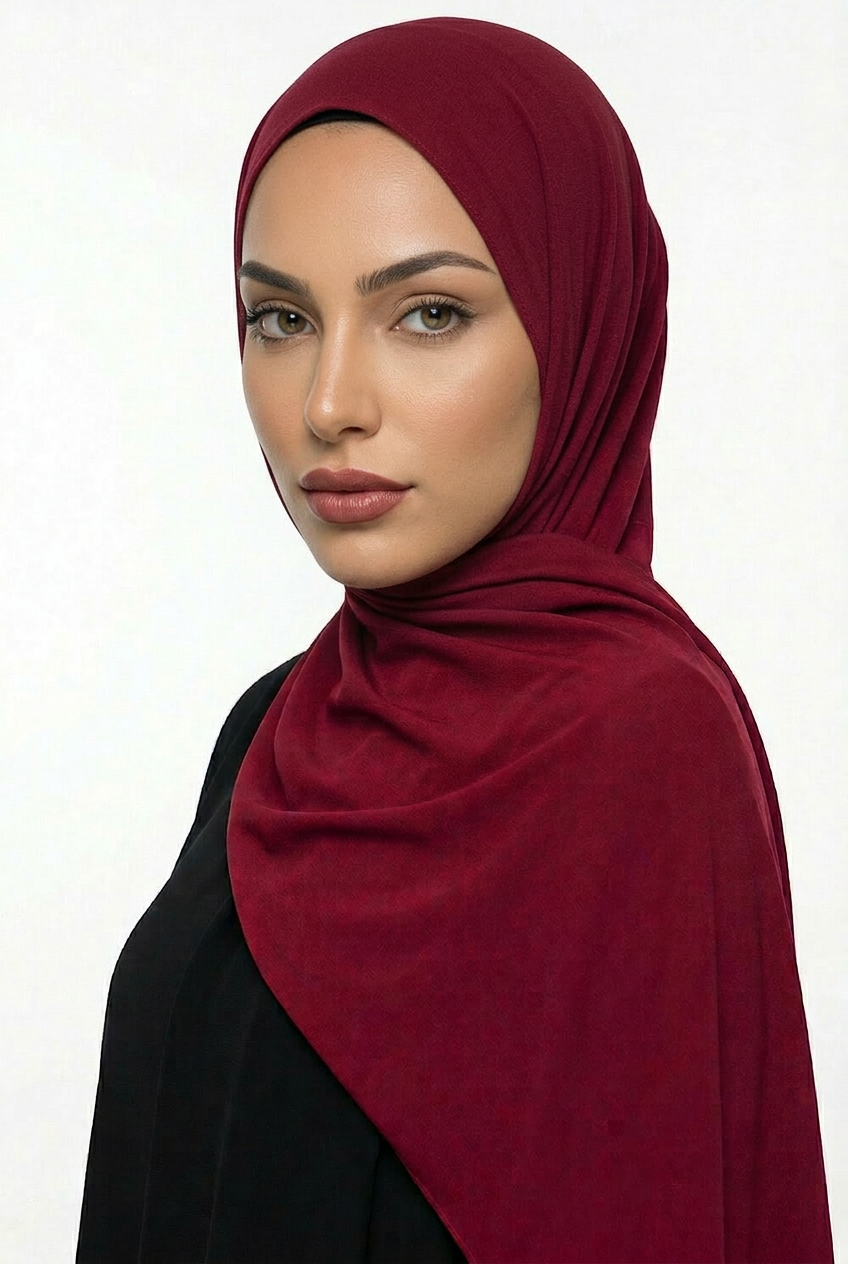
The contemporary Muslim woman navigates a complex landscape where personal faith, professional demands, and lifestyle expectations intersect daily. At the heart of this balance lies the hijab, a garment that transcends simple fabric to become a lived expression of identity, spirituality, and practical necessity. Understanding why hijab styling matters goes far beyond aesthetic preferences—it addresses fundamental questions about how modest dress can support rather than hinder the dynamic lives women lead in education, careers, sports, and social engagement. The importance of thoughtful hijab styling emerges from the need to honor religious principles while maintaining comfort, safety, and functionality across diverse environments and activities.
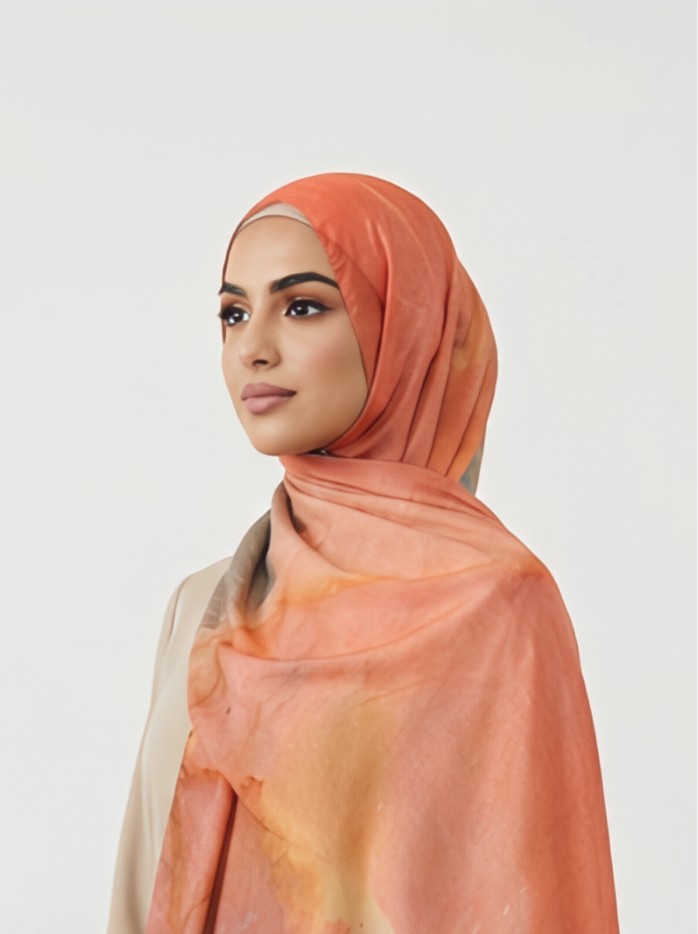
When modesty requirements meet the practical realities of modern life—from workplace safety protocols to athletic performance needs—the way a hijab is styled becomes a critical factor in daily success and wellbeing. Poor styling choices can result in constant adjustments that distract from tasks, fabric slippage that compromises modesty itself, or physical discomfort that impacts productivity and confidence. Conversely, well-considered hijab styling techniques enable women to move freely, work efficiently, and engage fully in their chosen activities without sacrificing their commitment to modest dress. This article explores the multifaceted reasons why hijab styling deserves serious attention as both a practical skill and a means of empowerment for Muslim women navigating contemporary contexts.
The Foundational Role of Hijab Styling in Preserving Modesty Principles
Understanding Modesty as Dynamic Rather Than Static
Modesty in Islamic tradition encompasses more than simply covering prescribed areas of the body—it involves maintaining that coverage consistently across different postures, movements, and situations throughout the day. This is where hijab styling becomes essential rather than optional. A hijab draped without attention to securing techniques may provide coverage while standing still but slip dangerously during bending, reaching, or rapid movement. Proper styling methods such as strategic pinning, layering, and fabric tension management ensure that the hijab fulfills its modesty purpose regardless of physical activity level. The styling approach must account for how fabric behaves under real-world conditions, not just in front of a mirror.
Different hijab styles offer varying levels of security and coverage reliability. The Turkish style, which involves structured wrapping and strategic pinning, provides exceptional stability for active lifestyles, while simpler draped styles may require more frequent adjustment. Understanding these functional differences allows women to select styling approaches that match their daily activities and modesty comfort levels. A healthcare professional performing patient examinations requires different hijab security than an office worker at a desk, yet both need styling solutions that maintain consistent coverage. The relationship between styling choice and modesty preservation becomes particularly evident in professional environments where repeated adjustments would be impractical or inappropriate.
Addressing Coverage Gaps Through Strategic Styling Techniques
Even with appropriate hijab fabric and size, styling errors can create unintended coverage gaps that compromise modesty goals. Common problematic areas include the neck and chest region, the hairline at the forehead, and the sides near the ears and temples. Strategic styling techniques specifically address these vulnerable zones through layering, directional wrapping, and secure anchoring. Using an underscarf or bonnet cap as a foundation layer prevents hair from slipping forward while creating a smooth base that helps the outer hijab layer stay in position. Similarly, employing chest coverage pieces or extending the hijab wrap to include adequate neck draping ensures complete coverage that aligns with modesty intentions.
The interaction between hijab styling and body movement patterns reveals why generic draping often fails. During prayer positions—standing, bowing, and prostration—improperly styled hijabs may shift to expose the neck or hairline. Addressing this requires understanding fabric weight distribution and pin placement that accommodates rather than restricts movement. Advanced styling practitioners often use multiple pin points strategically positioned to distribute fabric tension, preventing any single point of failure. This technical approach to hijab styling transforms it from artistic expression into engineered modesty assurance, providing women with confidence that their covering remains intact regardless of activity.
Cultural Context and Evolving Modesty Standards
Modesty interpretations vary across Islamic cultures and communities, influencing which hijab styling approaches are considered appropriate or necessary. In some contexts, the hijab must completely conceal the neck and chest and extend well below the shoulders, requiring voluminous fabrics and wrapping techniques that create substantial coverage. Other communities focus primarily on hair coverage with less emphasis on neck draping, allowing for lighter styling that prioritizes breathability. Understanding these cultural variations helps explain why hijab styling cannot be reduced to a single correct method—it must flex to accommodate diverse modesty frameworks while maintaining core principles.
Modern Muslim women often navigate multiple cultural contexts simultaneously, requiring hijab styling versatility. A woman might dress according to her family's cultural standards at home, adapt to more conservative norms at the mosque, and adopt professional styling at work that balances modesty with occupational requirements. This contextual flexibility demands a repertoire of styling skills rather than mastery of a single technique. The ability to adjust hijab styling to honor different environmental expectations while maintaining personal modesty standards represents a sophisticated social navigation skill that many Muslim women develop from adolescence onward. This adaptability underscores why styling knowledge extends beyond personal preference into cultural competency.
Practical Functionality Requirements in Contemporary Life Contexts
Workplace Safety and Professional Performance Considerations
In numerous professional environments, hijab styling directly impacts workplace safety and job performance effectiveness. Healthcare workers wearing hijabs must prevent fabric from contacting patients or contaminating sterile fields, requiring secure styling that keeps all fabric close to the body and away from work surfaces. Manufacturing and laboratory settings present entanglement hazards where loose hijab fabric could catch in machinery or compromise protective equipment fit. Specialized styling approaches for these environments emphasize compact wrapping, secure pinning, and sometimes incorporation of the hijab beneath safety helmets or face shields. The functional demands of these workplaces necessitate styling skills that many traditional approaches never anticipated.
Professional credibility in corporate and academic settings also connects to hijab styling choices. A constantly-adjusting hijab signals distraction and lack of preparation, potentially undermining professional presence during presentations, meetings, or teaching sessions. Conversely, a confidently-styled hijab that requires no mid-task adjustment projects competence and polish. Business professionals often invest significant time developing hijab styling routines that withstand full workdays, including commuting, meetings, and unexpected physical tasks. The styling must accommodate professional attire such as blazers and collared shirts while maintaining appropriate coverage and visual cohesion. This intersection of modesty, safety, and professional appearance makes hijab styling a career-relevant skill rather than merely a personal grooming choice.
Athletic Performance and Active Lifestyle Support
The expansion of Muslim women's participation in sports and fitness activities has revealed how critical proper hijab styling is for athletic performance. Traditional styling approaches often fail during vigorous movement, creating dangerous distractions or physical impediments. Sports hijab styling prioritizes security above all else, using techniques such as full-head wrapping with minimal loose ends, moisture-wicking undercaps, and aerodynamic profiles that reduce drag during running or cycling. The fabric choice interacts directly with styling approach—lightweight, stretchy materials require different securing techniques than traditional woven fabrics because they behave differently under tension and movement.
Specialized athletic hijab products have emerged, but many Muslim athletes still rely on styling modifications of standard hijabs to meet their performance needs. Techniques include creating low-profile buns beneath the hijab to prevent back-of-head bulk, using silicone-backed bands to prevent forehead slippage during sweating, and employing strategic pinning that distributes pressure away from the temples to prevent headaches during extended wear. The learning curve for athletic hijab styling can be steep, with many women experimenting extensively to find approaches that don't compromise either their performance or their modesty standards. This specialization demonstrates that hijab styling must evolve alongside women's expanding life activities rather than remaining static.
Climate Adaptation and Seasonal Styling Adjustments
Thermal comfort represents a major practical challenge that hijab styling directly addresses. In hot climates or summer conditions, styling approaches must maximize airflow while maintaining coverage—a delicate balance requiring specific techniques. Loose, breathable styling with strategic gaps for ventilation around the neck and ears, combined with lightweight fabric choices, can significantly improve comfort without compromising modesty. Conversely, cold weather styling may incorporate multiple layers, thermal fabrics, and wrapping techniques that minimize exposed skin while providing insulation. The same woman may need entirely different styling repertoires for different seasons or when traveling between climate zones.
Humidity and precipitation introduce additional styling challenges that affect both comfort and hijab integrity. Rain-resistant fabrics require different pinning strategies than absorbent materials because their texture and weight change differently when wet. High humidity environments make certain styling approaches uncomfortable due to heat and moisture retention against the scalp and neck. Advanced practitioners develop weather-responsive styling skills, adjusting their techniques based on forecast conditions just as others might select appropriate outerwear. This climate responsiveness illustrates how hijab styling functions as a practical life skill with measurable impact on daily comfort and wellbeing, not merely an aesthetic choice.
The Psychological and Social Dimensions of Hijab Styling Competence
Confidence Building Through Styling Mastery
The psychological impact of hijab styling competence extends far beyond surface-level appearance concerns. Women who have mastered reliable styling techniques report significantly higher confidence levels in public settings, professional environments, and social interactions. This confidence stems from the elimination of constant coverage anxiety—the nagging worry that the hijab might slip or reveal what should remain covered. When styling skills are solid, mental energy previously devoted to hijab monitoring can be redirected toward the task at hand, whether that's delivering a presentation, participating in a job interview, or engaging in vigorous play with children. This cognitive liberation represents a substantial quality-of-life improvement.
For young women newly adopting the hijab, styling competence often determines whether the transition feels empowering or burdensome. Those who quickly develop effective styling skills tend to integrate the hijab into their identity more smoothly, while those who struggle with constant adjustments and discomfort may experience the hijab as restrictive rather than protective. Educational approaches that prioritize practical styling skills alongside religious instruction recognize this psychological dimension. The emotional experience of wearing hijab shifts dramatically when the physical object cooperates with rather than hinders daily activities, transforming potential frustration into a source of pride and capability.
Social Navigation and Community Belonging
Hijab styling choices communicate social messages within Muslim communities, signaling affiliations, interpretive approaches, and cultural identities. Recognizable styling patterns often indicate regional origins, sectarian traditions, or generational cohorts, functioning as visual markers of belonging. A woman adopting a particular styling approach may be consciously or unconsciously aligning herself with a specific community segment. This social communication dimension means that hijab styling carries weight beyond personal preference—it participates in identity negotiation and community membership signaling. Understanding these unspoken styling languages helps women make informed choices about how they wish to present themselves within diverse Muslim social contexts.
The social judgment dimension of hijab styling creates both pressure and opportunity. Within some communities, styling creativity is celebrated as artistic expression and individuality, while other contexts expect standardized approaches as markers of religious seriousness or community conformity. Navigating these expectations requires awareness of local norms alongside personal styling preferences. Many women develop context-switching abilities, modifying their styling approach based on social setting—perhaps adopting more conservative styling for mosque attendance while embracing contemporary approaches in diverse urban environments. This styling flexibility represents sophisticated social intelligence that many Muslim women cultivate as part of their identity management toolkit.
Intergenerational Knowledge Transfer and Innovation
Traditional hijab styling knowledge typically passes through family lines, with mothers, aunts, and older sisters teaching younger women the techniques they learned from previous generations. This intergenerational transfer preserves cultural styling traditions and embeds hijab practice within family relationships. However, contemporary contexts have disrupted these traditional knowledge pathways. Young women may be the first in their families to wear hijab, or they may live far from relatives who could provide guidance. Digital platforms have partially filled this gap, with online tutorials and hijab styling communities offering instruction and inspiration. This democratization of styling knowledge has accelerated innovation and cross-cultural exchange, creating hybrid styling approaches that blend traditional techniques with contemporary needs.
The innovation occurring in hijab styling reflects broader patterns of Islamic practice adapting to modern contexts without abandoning core principles. Contemporary styling approaches often solve problems that previous generations never encountered—integration with professional attire, compatibility with safety equipment, optimization for athletic performance, or coordination with formal evening wear. These innovations demonstrate that hijab practice remains vibrant and evolving rather than fixed in historical forms. The women developing these styling solutions are effectively engaging in ijtihad—independent reasoning—at the practical level, creating new applications of modesty principles that honor tradition while embracing contemporary life. This ongoing innovation underscores why hijab styling deserves recognition as a site of creative problem-solving rather than mere repetition of established patterns.
Material Considerations and Styling Technique Interactions
Fabric Properties and Styling Method Compatibility
The relationship between fabric characteristics and effective styling techniques is fundamental yet often underappreciated. Different hijab materials—cotton, jersey, chiffon, silk, modal, or synthetic blends—each present distinct handling properties that determine which styling approaches will succeed or fail. Heavy cotton hijabs hold their shape well and stay in place once positioned, making them suitable for wrapping styles that rely on fabric weight and friction. In contrast, slippery silk or satin hijabs require strategic pinning at multiple points because the fabric provides little friction-based security. Understanding these material-technique interactions prevents frustration and enables women to select appropriate styling methods for their chosen fabrics.
Stretch fabrics like jersey introduce additional complexity because they behave dynamically rather than statically. A jersey hijab styled with appropriate tension will remain secure through the fabric's elastic memory, but over-stretching during wrapping can cause the hijab to gradually contract throughout the day, pulling away from coverage areas. Mastering stretch-fabric styling requires understanding tension management—how tightly to pull during wrapping, where to anchor pins to control stretch direction, and how to anticipate gradual fabric migration. These technical considerations transform hijab styling from intuitive draping into applied material science, requiring practical experimentation to develop competence with various fabric types.
Seasonal Fabric Selection and Styling Adaptation
The interaction between seasonal fabric choices and styling techniques creates a complex decision matrix that experienced hijab wearers navigate intuitively. Summer fabrics prioritize breathability and moisture management, often featuring loose weaves or specialized athletic materials that wick sweat away from the skin. These lightweight fabrics typically require more secure pinning because they lack the weight to stay draped through friction alone. Winter fabrics emphasize insulation and wind resistance, using denser weaves or layered constructions that provide warmth. The increased fabric weight allows for simpler styling approaches but may create bulk that interferes with outerwear or causes neck strain during extended wear.
Transitional seasons present particular challenges because temperature fluctuations throughout a single day may require hijab adaptability. Women often develop layered styling approaches for these periods, combining a lightweight base hijab with an optional outer layer that can be removed or added as conditions change. This modular styling approach demonstrates advanced technique integration, requiring seamless transitions between different coverage configurations while maintaining modesty at all stages. The cognitive load of managing these adjustments throughout the day reinforces why hijab styling deserves recognition as a complex skill set rather than a simple routine, particularly when seasonal and activity factors are considered simultaneously.
Accessory Integration and Styling Enhancement
Contemporary hijab styling often incorporates specialized accessories that enhance both functionality and aesthetic appeal. Underscarves or bonnet caps serve multiple practical purposes—they prevent hair from slipping forward, absorb moisture to reduce washing frequency for outer hijabs, create a smooth base for consistent styling, and provide an additional coverage layer for peace of mind. The interaction between underscarf type and outer hijab styling technique significantly affects final results. Slippery underscarf materials may allow the outer hijab to slide, while high-friction materials prevent the outer layer from draping smoothly. Selecting compatible accessory-fabric combinations requires understanding how different materials interact under real-world conditions.
Decorative accessories such as pins, brooches, headbands, and volumizing inserts have evolved from simple functional items into styling tools that enable diverse aesthetic expressions. However, these accessories must be integrated thoughtfully to avoid compromising hijab security or creating discomfort during extended wear. Heavy decorative pins may pull fabric out of position or create pressure points that cause headaches. Voluminous styling that looks elegant in photographs may prove impractical for daily wear if it interferes with car headrests, causes neck strain, or doesn't fit beneath outerwear. The balance between aesthetic styling goals and practical functionality requirements represents an ongoing negotiation that each woman must navigate based on her priorities, lifestyle demands, and tolerance for styling complexity versus simplicity.
FAQ
How does hijab styling specifically prevent the coverage issues that simple draping cannot address?
Deliberate hijab styling employs strategic pinning, layering, and fabric tension management to secure coverage areas that remain vulnerable with basic draping. Simple draping relies primarily on fabric weight and friction, which often fail during movement, creating gaps at the neck, temples, or hairline. Proper styling techniques anchor the fabric at multiple strategic points—typically under the chin, at the shoulders, and behind the head—distributing tension to prevent any single area from slipping. Advanced styling also accounts for directional forces during different movements, positioning fabric grain and pin placements to resist the specific pull patterns created by bending, reaching, or rapid motion. This engineering approach to coverage security provides reliability that simple draping cannot achieve across diverse activities and body positions.
Can someone maintain professional credibility while wearing hijab in conservative corporate environments?
Professional credibility in corporate settings depends more on styling execution quality than on hijab presence itself. A well-styled hijab that coordinates with professional attire, requires no mid-meeting adjustment, and projects confidence actually enhances professional presence by demonstrating attention to detail and personal discipline. The key factors are styling reliability—ensuring the hijab stays securely positioned throughout the workday—and aesthetic coherence with business dress codes through appropriate fabric choices, color coordination, and neat, structured wrapping techniques. Many successful professionals report that mastering workplace-appropriate hijab styling was essential to their career advancement, as it eliminated the distraction of constant coverage anxiety and allowed them to focus fully on performance. Conservative corporate environments often respect visible competence and consistency, which well-executed hijab styling clearly demonstrates.
What makes athletic hijab styling fundamentally different from everyday styling approaches?
Athletic hijab styling prioritizes absolute security and performance optimization over aesthetic variety or styling complexity. While everyday styling may allow some decorative elements and can tolerate minor adjustments throughout the day, athletic styling must withstand vigorous movement, perspiration, and sustained physical stress without any attention or adjustment during activity. This requires specialized techniques such as full-head wrapping that eliminates loose ends, use of moisture-wicking base layers that prevent sweat-related slippage, and aerodynamic profiles that minimize drag and heat retention. Pin placement in athletic styling focuses on pressure distribution to prevent headaches during extended wear rather than decorative positioning. Additionally, athletic styling often incorporates the hijab beneath or around safety equipment, headphones, or protective gear, requiring integration approaches that standard styling never addresses. The performance demands of sports create unique styling requirements that represent a distinct specialization within hijab practice.
Why do different Muslim communities favor distinctly different hijab styling approaches?
Hijab styling variations across Muslim communities reflect complex interactions between religious interpretation, cultural tradition, climate adaptation, and historical development. Some communities emphasize maximum coverage with voluminous wrapping that extends well over the chest, interpreting modesty principles conservatively. Others focus primarily on hair coverage with less emphasis on neck draping, representing different scholarly opinions about specific requirements. Cultural factors also heavily influence styling—regions with strong textile traditions often incorporate elaborate wrapping techniques that showcase fabric artistry, while communities prioritizing simplicity favor minimal, functional approaches. Climate plays a role as well, with hot-weather regions developing ventilated styling techniques and cold-weather communities creating insulated wrapping methods. These styling differences are neither arbitrary nor merely aesthetic—they represent community-specific solutions to the shared challenge of maintaining modest dress across diverse environments and interpretive frameworks, each approach optimized for its particular context and values.
Table of Contents
- The Foundational Role of Hijab Styling in Preserving Modesty Principles
- Practical Functionality Requirements in Contemporary Life Contexts
- The Psychological and Social Dimensions of Hijab Styling Competence
- Material Considerations and Styling Technique Interactions
-
FAQ
- How does hijab styling specifically prevent the coverage issues that simple draping cannot address?
- Can someone maintain professional credibility while wearing hijab in conservative corporate environments?
- What makes athletic hijab styling fundamentally different from everyday styling approaches?
- Why do different Muslim communities favor distinctly different hijab styling approaches?