
 EN
EN



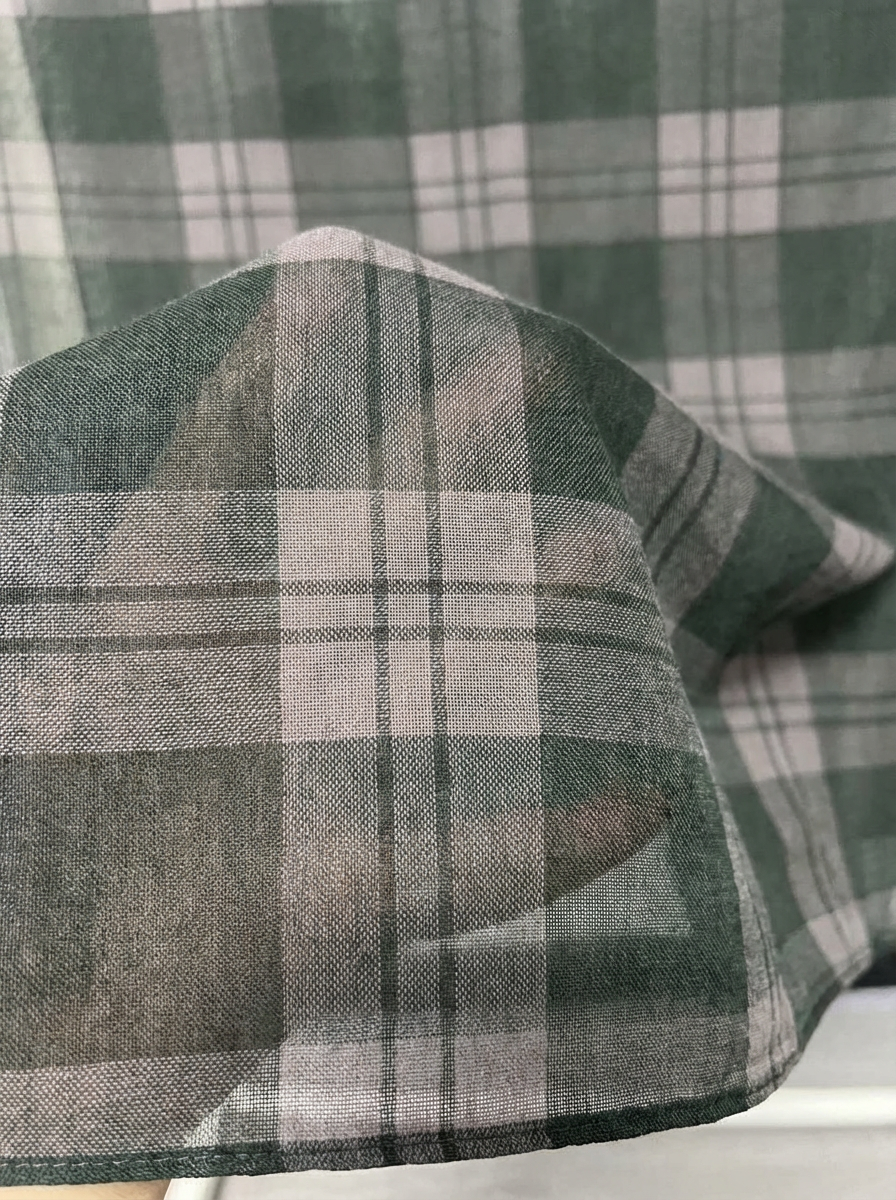
Achieving an ideal combination of comfort and fit when wearing a head scarf depends on multiple interconnected factors that extend beyond simply wrapping fabric around the head. The geometry of individual head shapes, the physical properties of textile materials, the chosen wrapping technique, and even environmental conditions all contribute to how secure, comfortable, and flattering a head scarf appears throughout daily wear. Understanding these factors enables wearers to make informed decisions about fabric selection, styling approaches, and adjustment methods that align with their unique anatomical features and lifestyle requirements.
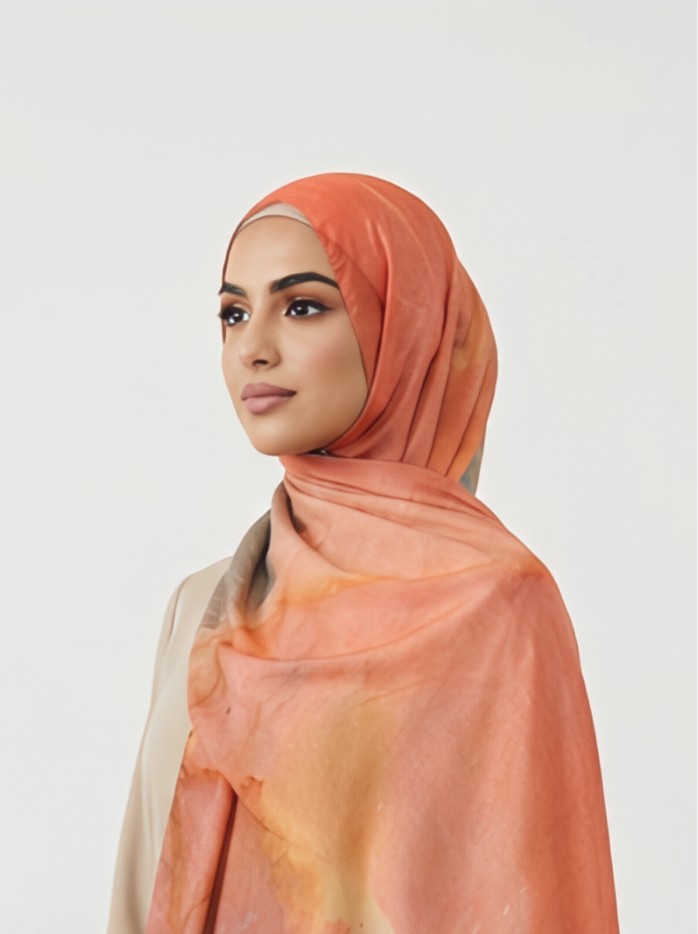
The relationship between head shape and head scarf fit is not standardized across populations, which means that styling methods effective for one person may require significant modification for another. Skull width, forehead height, cheekbone prominence, and occipital bone projection create distinct three-dimensional profiles that interact differently with fabric draping and tension distribution. Additionally, the method chosen to wrap and secure the head scarf introduces its own set of variables including the number of layers, pin placement strategies, and whether the style incorporates undercaps or volumizing accessories. Examining these factors systematically provides practical guidance for achieving both day-long comfort and a polished aesthetic appearance across diverse styling scenarios.
Anatomical Considerations in Head Scarf Fit
Understanding Head Shape Variations and Their Impact
Human head shapes exhibit considerable variation that directly influences how a head scarf conforms to the cranial surface. The primary classifications include oval, round, long, heart-shaped, and square profiles, each presenting unique challenges for fabric placement and tension management. An oval head shape, characterized by balanced proportions between width and length, typically accommodates most head scarf styles with minimal adjustment. Fabric naturally drapes over the smooth curves without creating excess bunching or leaving gaps that compromise coverage. This symmetry allows for even pressure distribution when the head scarf is secured, reducing the likelihood of pressure points that cause discomfort during extended wear.
Round head shapes, distinguished by similar measurements across width and length dimensions, often require strategic volume adjustment to avoid a disproportionately circular silhouette. Wearers with this head shape benefit from styling techniques that add height at the crown while maintaining snugness around the sides. The head scarf must be positioned to elongate the appearance visually while ensuring that the fabric does not slip forward due to the lack of angular anchoring points. Material selection becomes particularly important here, as fabrics with moderate grip prevent constant readjustment throughout the day.
Long or oblong head shapes present a different set of considerations, as the extended vertical dimension requires careful attention to proportional coverage. A head scarf wrapped too tightly can accentuate length, while insufficient volume at the sides may create an unbalanced appearance. The forehead-to-nape distance necessitates larger fabric dimensions to achieve full coverage without excessive pulling, which can lead to tension headaches. Strategic pin placement and the use of volumizing undercaps help create horizontal visual interest that balances the vertical emphasis inherent in this head shape category.
Forehead Height and Hairline Considerations
The distance between the eyebrows and the natural hairline significantly affects how a head scarf is positioned and secured. Individuals with higher foreheads may prefer styles that allow the fabric to sit slightly back from the hairline, creating a frame that balances facial proportions. This positioning choice influences the overall length of fabric needed and affects whether the head scarf will remain secure throughout movement. Conversely, lower foreheads often require careful placement to ensure the fabric does not obscure vision or create a heavy appearance that draws attention downward.
Hairline shape also plays a determining role in comfort and aesthetic outcome. Rounded hairlines accommodate smooth, even fabric draping that follows the natural contour without creating tension points. Widow's peak hairlines or receding temple areas may require additional padding or strategic folding to prevent the head scarf from creating visible indentations or gaps. The interaction between fabric edge and hairline becomes especially noticeable with structured styling methods that use multiple pins, as these create focal points where fit imperfections become more apparent.
Hair volume beneath the head scarf introduces another layer of complexity to forehead positioning. Those with thick or textured hair must account for the additional bulk when determining fabric size and wrapping tension. A head scarf that fits comfortably over minimal hair may become uncomfortably tight when wrapped over voluminous curls or braids. This variable necessitates flexible styling approaches and often requires larger fabric dimensions than would be needed for someone with fine or short hair wearing the same head scarf design.
Cheekbone and Jaw Structure Effects
The prominence and width of cheekbones create anchoring points that influence how fabric layers rest against the face. High, wide cheekbones provide natural ledges where a head scarf can settle without requiring excessive pinning or adjustment. This anatomical feature helps prevent downward slippage, particularly important for styles that rely on draping rather than tight wrapping. The fabric naturally catches on these bony prominences, distributing tension more evenly across the midface region and reducing pressure on the temples or behind the ears.
Jaw structure width affects the lower portion of head scarf placement, particularly for styles that extend below the chin or wrap around the neck. A wider jaw requires additional fabric length to achieve comfortable coverage without creating pulling sensations at the sides. The angle of the jawline also determines whether the head scarf edge will lie flat or tend to lift away from the skin, which impacts both appearance and the security of the wrap. Square jaw profiles may experience bunching at the corners, while more tapered jaw shapes allow smoother fabric flow beneath the chin.
The relationship between cheekbone width and temple width creates the overall facial frame that the head scarf must complement. When temples are narrow relative to cheekbones, fabric may gap at the sides unless specifically gathered or pinned to follow the inward curve. This anatomical variation requires styling techniques that accommodate the contour change without creating visible bunching or leaving unsecured fabric that moves independently with head motion. Understanding these structural relationships allows for more precise fabric manipulation that enhances both comfort and visual harmony.
Fabric Properties and Material Selection
Textile Weight and Draping Characteristics
The weight of the fabric used in a head scarf fundamentally determines how it behaves during wrapping and throughout wear. Lightweight materials such as chiffon, georgette, or fine cotton voile offer excellent breathability and create soft, flowing silhouettes that move naturally with head motion. However, these fabrics require more careful pinning and often need additional layers to achieve opacity, which can complicate styling for beginners. The minimal weight means these head scarf options exert little pressure on the skull, making them comfortable for extended periods, but their lack of structure can lead to frequent slippage on certain head shapes.
Medium-weight fabrics including jersey knits, modal blends, and standard cotton provide a balance between manageability and comfort that makes them popular for everyday head scarf wear. These materials have sufficient body to hold their shape when wrapped while remaining pliable enough to accommodate various styling techniques. The moderate weight creates a gentle, even pressure distribution that helps the head scarf stay in position without causing tension headaches. Their opacity typically eliminates the need for multiple layers, simplifying the wrapping process and reducing bulk around the face and neck.
Heavier textiles such as pashmina, thick jersey, or structured cotton present different advantages and challenges for head scarf styling. The substantial weight provides excellent coverage and creates dramatic, voluminous looks that require minimal adjustment once secured. However, this same characteristic can become problematic in warm environments or during extended wear, as the fabric retains more heat and creates greater pressure on pin points. The weight also demands stronger securing methods, often requiring more pins or tighter knots that can cause discomfort if not positioned strategically on less sensitive areas of the skull.
Fabric Stretch and Recovery Properties
The degree of stretch inherent in a head scarf fabric dramatically affects both initial fit and long-term comfort. Fabrics with mechanical stretch, such as jersey knits or blended materials containing elastane, conform more readily to the three-dimensional contours of the head. This stretch allows the head scarf to hug curves smoothly without creating wrinkles or gaps, accommodating movement without loosening. However, excessive stretch can lead to fabric fatigue over time, where the material gradually loses its recovery properties and begins to sag or thin at stress points.
Non-stretch woven fabrics like cotton poplin, silk crepe, or chiffon require different handling techniques to achieve comfortable fit. These materials must be manipulated through folding, gathering, and strategic draping to follow head contours, as they will not stretch to accommodate irregular surfaces. The advantage of non-stretch head scarf fabrics lies in their stability and resistance to deformation, maintaining their intended shape throughout the day without requiring frequent readjustment. This structural integrity makes them particularly suitable for formal styling methods that demand crisp, defined lines.
Recovery properties determine how well a head scarf fabric returns to its original dimensions after stretching or manipulation. Quality fabrics with good recovery maintain consistent fit throughout multiple wearings and wash cycles, while poor recovery leads to progressive loosening that compromises both appearance and security. Modal and premium jersey blends typically exhibit excellent recovery, bouncing back to shape even after being stretched during wrapping. This characteristic proves especially valuable for head scarf wearers who prefer snug, secure styles that must remain stable through active daily routines.
Surface Texture and Grip Factors
The surface characteristics of a head scarf fabric determine its friction coefficient against both skin and itself when layers overlap. Smooth, slippery fabrics like satin or silk charmeuse create elegant appearances but present significant challenges for maintaining secure placement. These materials slide easily across hair and skin, requiring more frequent adjustment and often necessitating the use of undercaps with gripping properties. Pin holes in slippery fabrics tend to enlarge over time, as the low friction allows fabric to shift around the pin placement, gradually weakening the securing point.
Textured fabrics including crinkle cotton, bubble chiffon, or jersey knits provide natural grip that helps a head scarf stay in position. The microscopic surface irregularities create friction that resists sliding, allowing for looser wrapping tensions without compromising security. This grip characteristic proves particularly beneficial for active wearers or those with fine, slippery hair that provides minimal anchoring surface. The trade-off with textured head scarf options may include less formal appearances and potentially more visible pin marks due to the surface irregularities.
Fabric thickness interacts with surface texture to influence overall grip performance. A thin, smooth fabric may slip regardless of wrapping technique, while a thicker material with similar smoothness might provide adequate friction through increased surface contact area. Understanding this relationship helps wearers select appropriate head scarf fabrics for their specific hair type, head shape, and activity level. Those with fuller hair or more pronounced head contours may find that even slippery fabrics stay secure due to the increased anchoring points, while others require higher-friction materials to achieve comparable stability.
Styling Method Variables and Technique Factors
Single-Layer Versus Multi-Layer Approaches
The decision to wrap a head scarf in a single layer or multiple layers significantly impacts both comfort and fit dynamics. Single-layer styling minimizes bulk and heat retention, making it ideal for warm climates or extended wear periods. This approach requires fabrics with adequate opacity and body to provide coverage without transparency issues. The reduced material volume means less weight on the head and fewer pressure points, but also less opportunity to adjust for head shape irregularities through strategic layering. Single-layer head scarf methods work best for individuals with symmetrical head shapes and those who prefer minimalist, streamlined aesthetics.
Double-layer techniques offer enhanced coverage and create opportunities for color blocking or textural contrast when using two different fabrics. This approach allows wearers to position an inner layer for security and comfort while styling an outer layer for aesthetic effect. The additional fabric provides more material to work with when accommodating larger head dimensions or creating volume at specific points. However, the increased bulk requires careful attention to placement to avoid a heavy, unbalanced appearance. The inner layer of a double-wrapped head scarf typically provides the primary securing function, while the outer layer can be draped more loosely for visual interest.
Multi-layer styles using three or more fabric pieces create dramatic, sculptural looks that require significant expertise to execute comfortably. These elaborate head scarf arrangements often incorporate undercaps, volumizing inserts, and multiple securing points to maintain stability. While visually striking, the accumulated weight and bulk can cause discomfort during extended wear, particularly if not distributed evenly across the skull. The complexity of multi-layer approaches also increases setup time and may not be practical for daily wear, though they excel for special occasions where appearance takes priority over sustained comfort.
Pin Placement Strategy and Securing Methods
The location and number of pins used to secure a head scarf directly influence both stability and comfort. Strategic pin placement targets areas of the skull that are less sensitive to pressure while maximizing fabric control. The temporal region behind the ears typically tolerates pins well, as the bone structure provides solid anchoring without major nerve pathways that cause discomfort. Placing pins symmetrically on both sides helps distribute tension evenly, preventing the head scarf from pulling to one side during movement.
The crown area presents both opportunities and challenges for head scarf pin placement. While securing fabric at the top of the head effectively prevents forward slippage, this region requires careful technique to avoid creating painful pressure points. Using pins with smooth, rounded heads and ensuring they pass through multiple fabric layers without contacting the scalp directly helps minimize discomfort. Some wearers prefer positioning pins at an angle that distributes pressure across a broader area rather than concentrating force at a single point.
Under-chin securing methods vary widely in their impact on comfort and fit. Pins placed beneath the jawline provide excellent stability for head scarf styles that wrap under the chin, but must be positioned carefully to avoid interference with jaw movement during speaking or eating. Alternative securing methods including magnetic clasps, hook-and-loop fasteners, or tied knots each present distinct advantages for different head shapes and wearing contexts. Magnetic clasps eliminate pin holes and pressure points but may not provide sufficient holding power for heavier fabrics or active wear situations.
Undercap Integration and Volume Management
The use of an undercap beneath a head scarf fundamentally alters the fit equation by creating an intermediate layer between hair and outer fabric. Undercaps serve multiple functions including concealing hair completely, providing a gripping surface for the outer head scarf, and creating a smooth base that eliminates bumps or irregularities. The material composition of the undercap matters significantly, with cotton and bamboo blends offering breathability while synthetic materials may provide superior grip but less comfort in warm conditions.
Volumizing undercaps or bonnet-style caps add deliberate bulk at specific points to modify the apparent head shape. These accessories help round head shapes achieve more height, allow long head shapes to add width at the temples, and enable all head shapes to create fashionable volume trends. However, the additional layer increases heat retention and adds weight that may cause discomfort during extended wear. The interaction between undercap volume and outer head scarf draping requires experimentation to achieve balanced proportions that appear intentional rather than bulky.
Fitted versus loose undercap styles affect how the outer head scarf settles and moves. A snug undercap creates a consistent surface that allows the outer fabric to slide smoothly into position and maintain placement throughout wear. Looser undercaps may bunch or shift beneath the head scarf, creating lumps that compromise the smooth appearance. Some wearers prefer tube-style undercaps that provide neck coverage while allowing the crown area to be styled with the outer head scarf alone, offering a hybrid approach that balances coverage with reduced bulk.
Environmental and Activity-Based Considerations
Climate Impact on Fabric Selection and Styling
Temperature and humidity levels significantly influence which head scarf fabrics provide optimal comfort. In hot, humid environments, lightweight, breathable materials such as cotton voile, bamboo blends, or moisture-wicking synthetics prevent heat buildup and allow perspiration to evaporate. These fabrics should be styled in single layers with minimal pinning to maximize airflow around the scalp. The challenge in humid conditions lies in maintaining secure placement when both skin and fabric become damp, as moisture reduces friction and increases slippage potential.
Cold climates allow for heavier, insulating head scarf materials that provide warmth while maintaining style. Wool blends, thick jersey, and cashmere options create thermal barriers that protect against temperature loss while their weight helps them stay in place through winter wind conditions. Multi-layer styling becomes practically beneficial in cold weather, as the additional fabric provides enhanced insulation. However, transitioning between cold outdoor environments and heated indoor spaces requires head scarf choices that can be partially unwrapped or adjusted without complete restyling.
Wind conditions demand specific attention to securing methods regardless of temperature. Outdoor activities in windy environments require either very secure pin placement or the use of fitted under-layers that anchor the outer head scarf regardless of gusts. Lightweight fabrics become particularly problematic in wind, as they catch air currents and pull away from the head even when carefully secured. Heavier fabrics or those with some wind resistance perform better in these conditions, though they may compromise comfort in other environmental aspects.
Activity Level and Movement Requirements
Physical activity intensity determines appropriate head scarf fabric weights and securing strategies. Low-impact activities such as office work or casual social situations allow for delicate fabrics and elaborate styling that prioritizes appearance over extreme security. These contexts permit the use of minimal pinning and decorative draping techniques that might not withstand vigorous movement. The head scarf can be styled for visual impact with moderate attention to stay-in-place functionality.
Moderate physical activities including walking, shopping, or light household tasks require head scarf styles that balance aesthetics with practical stability. Fabrics with some natural grip and styling methods that incorporate strategic pinning at key anchor points provide security without requiring athletic-level securing techniques. The head scarf should remain comfortably in place through normal head movements including looking down, turning quickly, or bending forward without requiring constant adjustment or creating distraction from the activity at hand.
High-intensity activities such as sports, exercise, or physically demanding work necessitate specialized head scarf approaches. Purpose-designed athletic head scarf styles often feature built-in securing systems including elastic bands, tie closures at the nape, or full coverage designs that eliminate loose fabric. These styles prioritize function over decorative appearance, using performance fabrics that wick moisture and resist shifting during rapid movements. Some wearers opt for hybrid approaches that combine a secure athletic undercap with a lighter outer head scarf that can be removed during peak activity and quickly reapplied afterward.
Duration of Wear and Comfort Sustainability
The intended wearing duration significantly impacts appropriate head scarf selection and styling choices. Short-term wear for a few hours permits styles that might become uncomfortable over extended periods, including those with tighter wrapping, heavier fabrics, or multiple securing pins. The temporary nature of the wear allows prioritizing appearance or special styling techniques that create desired visual effects even if they require minor discomfort tolerance.
All-day wear requires careful attention to pressure distribution and material breathability to prevent developing headaches, skin irritation, or fatigue. A head scarf intended for ten or more hours of continuous wear should use softer fabrics, avoid excessive tightness at the temples or crown, and incorporate break points where the fabric rests lightly rather than creating constant pressure. Pin placement becomes critical for all-day comfort, as even minor pressure points can escalate to significant discomfort over extended periods.
Multi-day or continuous wear situations demand the most carefully considered head scarf approaches. Fabrics must resist wrinkling and maintain their shape without frequent restyling, while remaining comfortable enough to sleep in if necessary. Securing methods should avoid creating permanent creases in the fabric or pressure marks on the skin that require recovery time. Some wearers maintain multiple head scarf styles for different times of day, using more structured approaches for public-facing hours and transitioning to softer, looser styles for private evening time while maintaining coverage.
FAQ
How does hair volume beneath a head scarf affect the choice of fabric size and wrapping technique?
Hair volume significantly influences the fabric dimensions required for comfortable head scarf wear. Individuals with thick, long, or textured hair need larger fabric pieces to accommodate the additional bulk without creating excessive tension. The wrapping technique must distribute the hair evenly rather than creating concentrated bulk at specific points, which often means positioning hair in a low bun or braid at the nape rather than high on the crown. Those with minimal hair can use smaller fabric pieces and achieve secure fits with simpler wrapping methods, as there is less material to manage beneath the outer layer. The interaction between hair volume and head scarf size becomes especially apparent when trying to achieve specific aesthetic proportions, as excess fabric needed to cover voluminous hair may create unwanted bulk in the final styled appearance.
Can pin placement cause long-term discomfort or damage to the scalp if not done correctly?
Improper pin placement can indeed lead to several long-term issues when wearing a head scarf regularly. Repeatedly placing pins at the same locations creates pressure points that may develop into tender spots or even localized hair loss if the tension disrupts follicles over time. Pins that contact the scalp directly rather than passing through fabric layers only can cause small abrasions that become irritated with repeated wear. The key to preventing long-term damage involves rotating pin placement locations, using pins with smooth rather than sharp tips, ensuring pins pass through multiple fabric layers to distribute pressure, and never securing a head scarf so tightly that pins create persistent indentations on the scalp. If discomfort develops during wear, the head scarf should be immediately adjusted or resecured using different anchor points to prevent progression to more serious issues.
What role does head scarf fabric texture play in preventing slippage on different hair types?
Fabric texture interacts critically with hair characteristics to determine head scarf stability. Smooth, silky fabrics slide easily over fine, straight hair, requiring either very secure pinning or an intermediate gripping layer such as a textured undercap. Conversely, these same smooth fabrics may stay in place adequately over coarse or curly hair that provides natural friction and anchoring points. Textured head scarf fabrics including crinkle materials, jersey knits, or those with visible weave patterns grip better across all hair types, particularly benefiting those with fine or slippery hair. The solution for preventing slippage involves matching fabric texture to hair type, with smoother hair requiring more textured fabrics or additional securing layers, while those with more textured hair have greater flexibility in fabric choice and can successfully wear even smooth materials with minimal adjustment throughout the day.
How frequently should head scarf styling methods be adjusted as head shape changes with age or weight fluctuations?
Head shape can change subtly over time due to aging, weight changes, or even modifications in facial structure, necessitating periodic reassessment of head scarf styling approaches. Significant weight loss or gain may alter facial proportions and the amount of soft tissue around the skull, changing how fabric drapes and where tension points develop. These changes typically occur gradually, so wearers should evaluate their head scarf comfort and appearance every few months rather than assuming methods that once worked will remain optimal indefinitely. Signs that adjustment is needed include developing new pressure points where none existed previously, finding that previously secure styles now slip frequently, or noticing that the proportions no longer appear balanced in mirrors or photographs. Rather than forcing familiar styling methods to work, adapting techniques to current head shape ensures continued comfort and optimal appearance as physical characteristics naturally evolve over time.
Table of Contents
- Anatomical Considerations in Head Scarf Fit
- Fabric Properties and Material Selection
- Styling Method Variables and Technique Factors
- Environmental and Activity-Based Considerations
-
FAQ
- How does hair volume beneath a head scarf affect the choice of fabric size and wrapping technique?
- Can pin placement cause long-term discomfort or damage to the scalp if not done correctly?
- What role does head scarf fabric texture play in preventing slippage on different hair types?
- How frequently should head scarf styling methods be adjusted as head shape changes with age or weight fluctuations?