Sustainable Luxury That Aligns Values with Fashion Choices
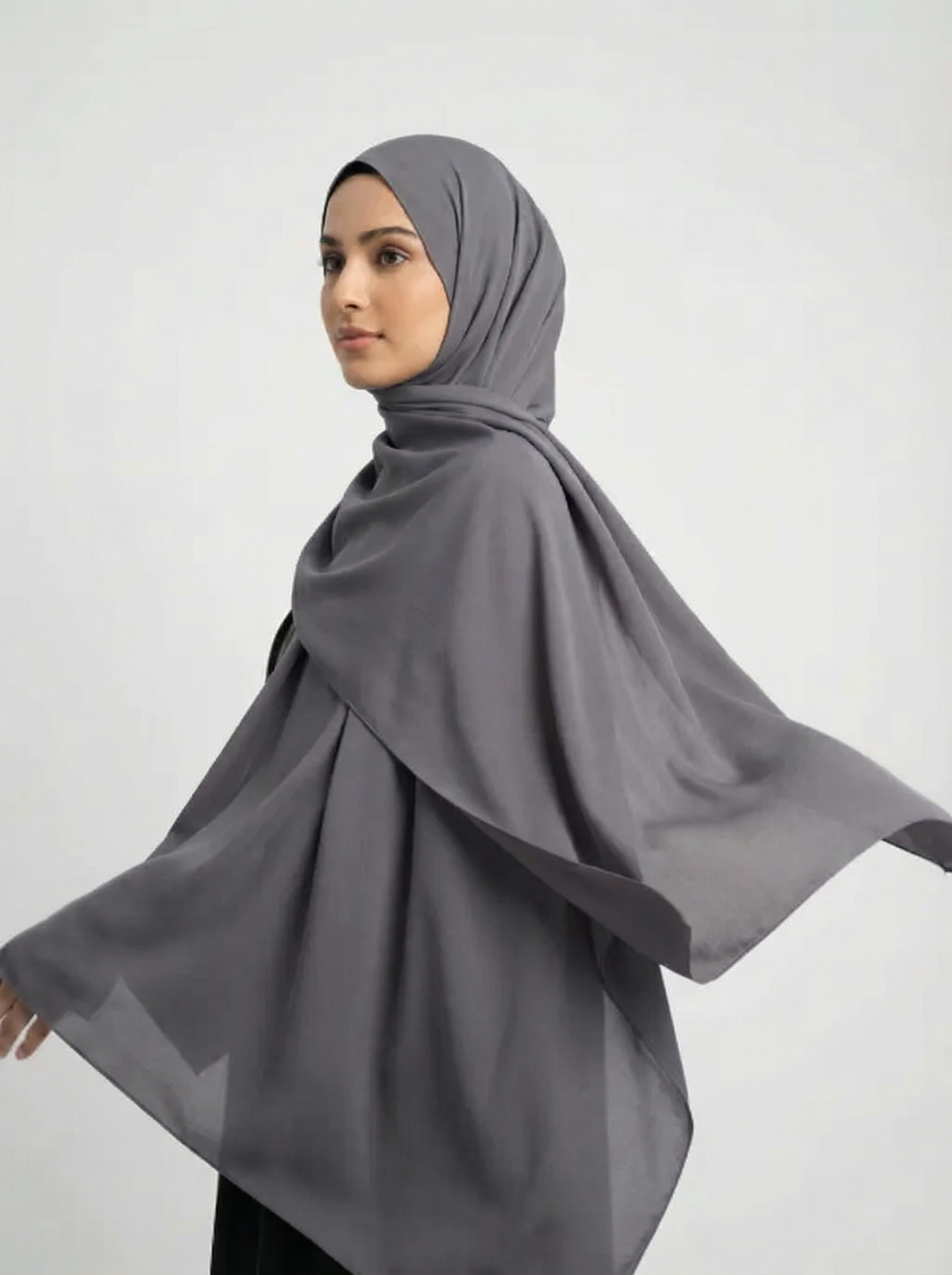
The sustainability credentials of bamboo modal hijabs enable Muslim women to align their fashion choices with environmental and ethical values without sacrificing style, quality, or comfort. Bamboo cultivation represents one of the most environmentally responsible agricultural practices available, as bamboo plants grow at extraordinary rates without requiring irrigation systems, pesticides, herbicides, or fertilizers that conventional crops demand. A bamboo forest regenerates naturally from its root system after harvesting, eliminating the need for replanting and preserving soil integrity that industrial farming typically depletes. This renewable resource reaches maturity in just three to five years compared to decades required for hardwood trees, making bamboo an exceptionally efficient raw material for textile production. The closed-loop manufacturing process used to create modal fibers from bamboo cellulose recovers and reuses processing solvents, minimizing waste and preventing chemical pollution that characterizes conventional textile production. By choosing bamboo modal hijabs, women actively participate in reducing the fashion industry's environmental footprint, an industry notorious for water pollution, excessive water consumption, and chemical contamination. The durability and longevity of bamboo modal hijabs amplify their sustainability advantages, as these hijabs maintain their quality through hundreds of wearing and washing cycles, reducing the frequency of replacement purchases that contribute to textile waste. Fast fashion has created a culture of disposable clothing that generates massive environmental costs, but bamboo modal hijabs represent the opposite philosophy, offering lasting quality that reduces consumption. The biodegradability of bamboo modal fabric means that at the end of its useful life, the material decomposes naturally without releasing toxic substances into soil or water systems, unlike synthetic fabrics that persist in landfills for centuries. For families raising children with environmental consciousness, bamboo modal hijabs provide tangible examples of making purchasing decisions that reflect values of stewardship and responsibility. The transparent supply chain associated with quality bamboo modal hijabs often includes fair labor practices and ethical manufacturing conditions, addressing social sustainability alongside environmental concerns. Women concerned about the broader impact of their consumer choices find that bamboo modal hijabs satisfy multiple ethical criteria simultaneously. The investment value of bamboo modal hijabs becomes evident when calculating cost per wear, as the higher initial price point distributes across extended use periods, ultimately providing better value than repeatedly replacing cheaper, lower-quality alternatives. This economic sustainability complements environmental benefits, demonstrating that responsible choices often prove financially prudent over time.
 ×
×

 EN
EN