Practical Durability for Long-Term Value
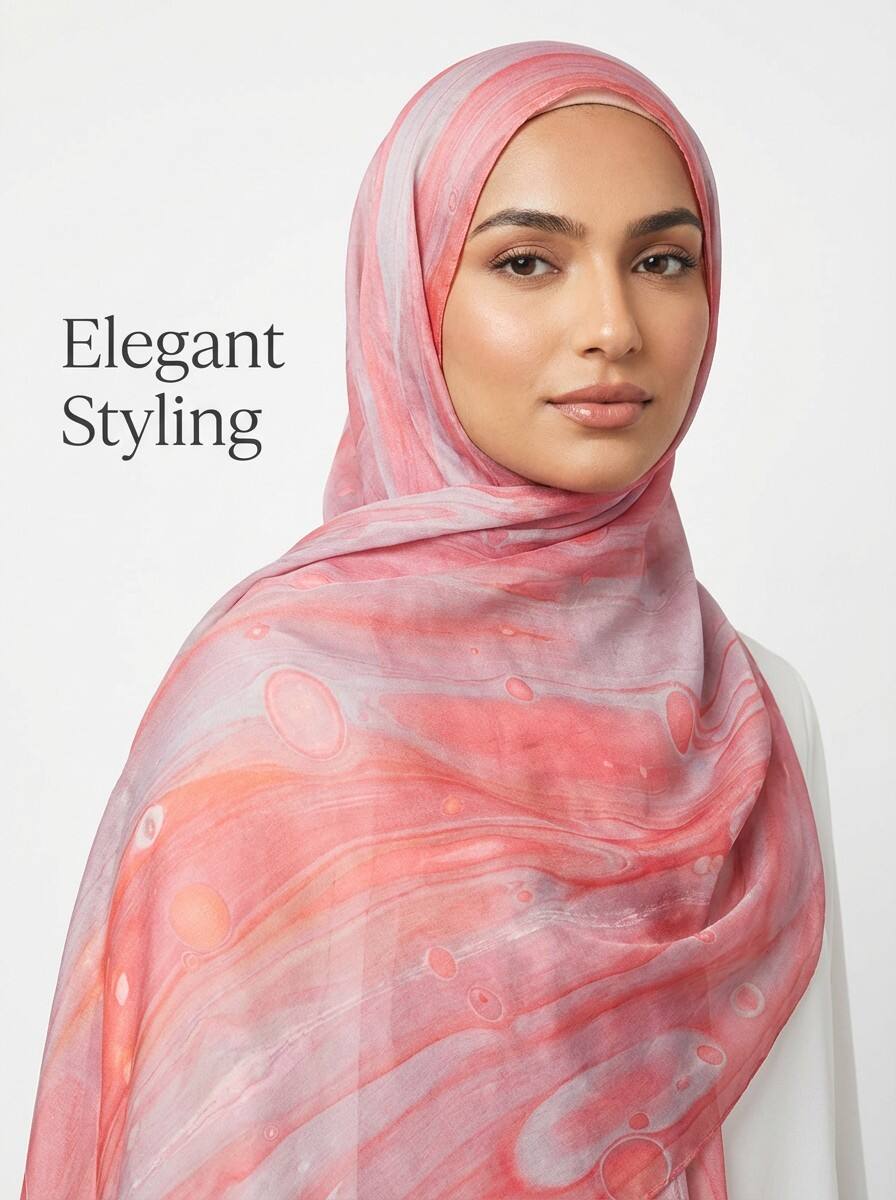
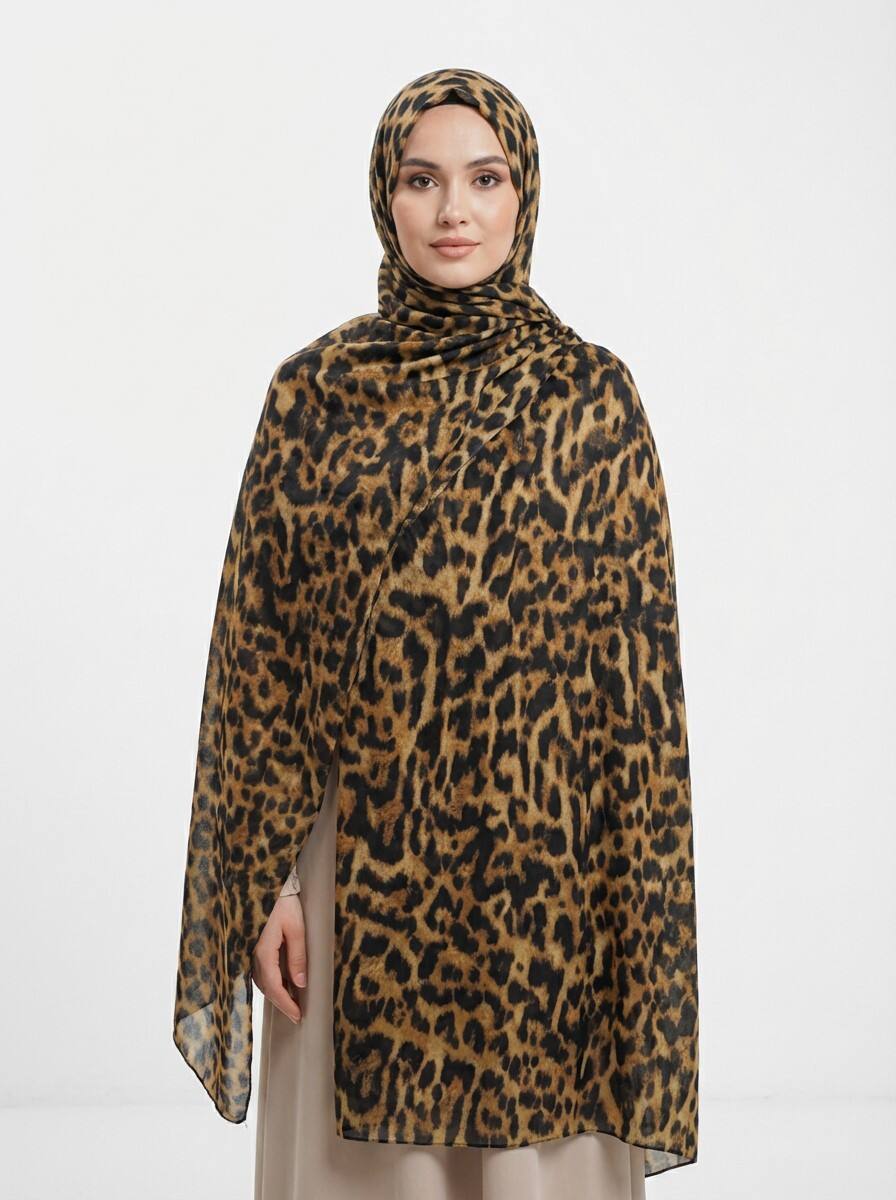
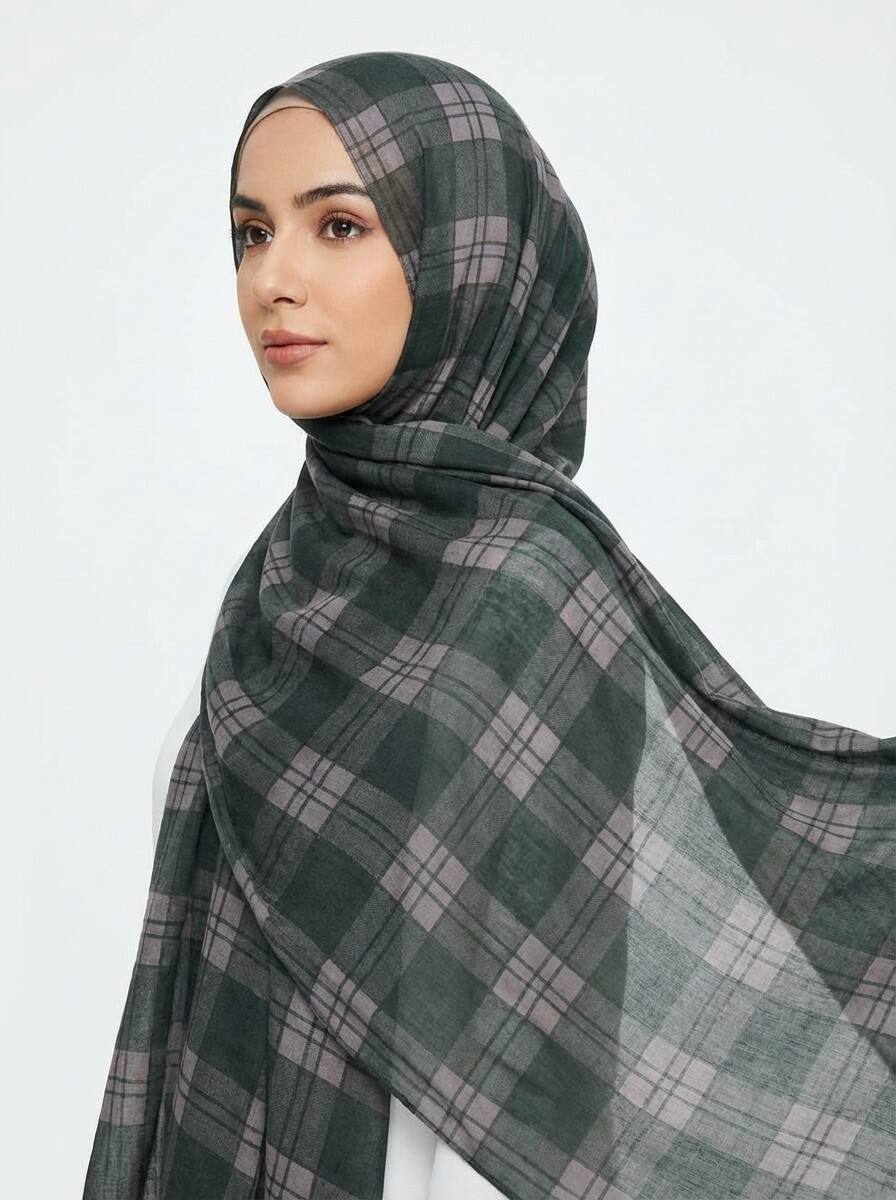
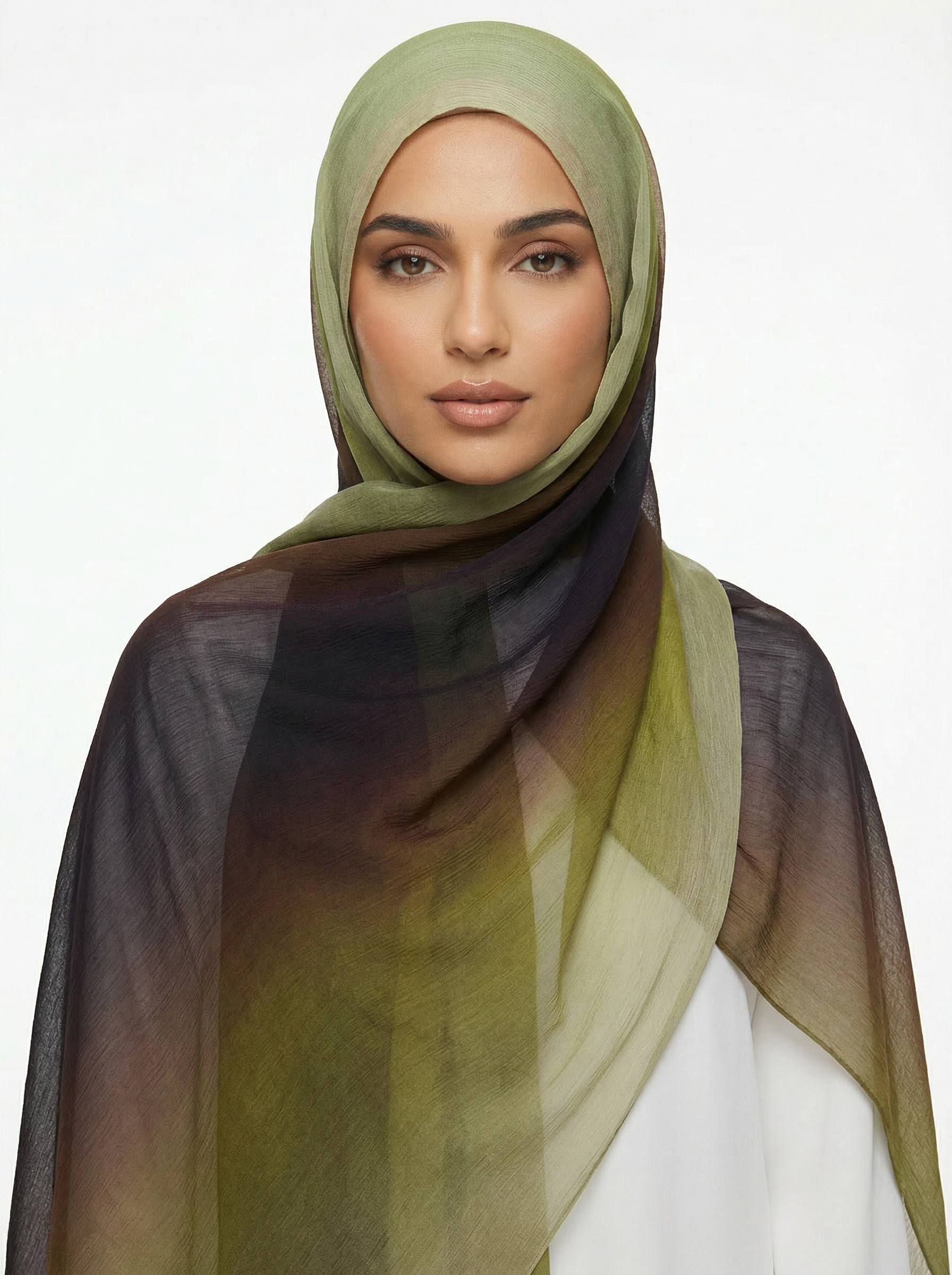
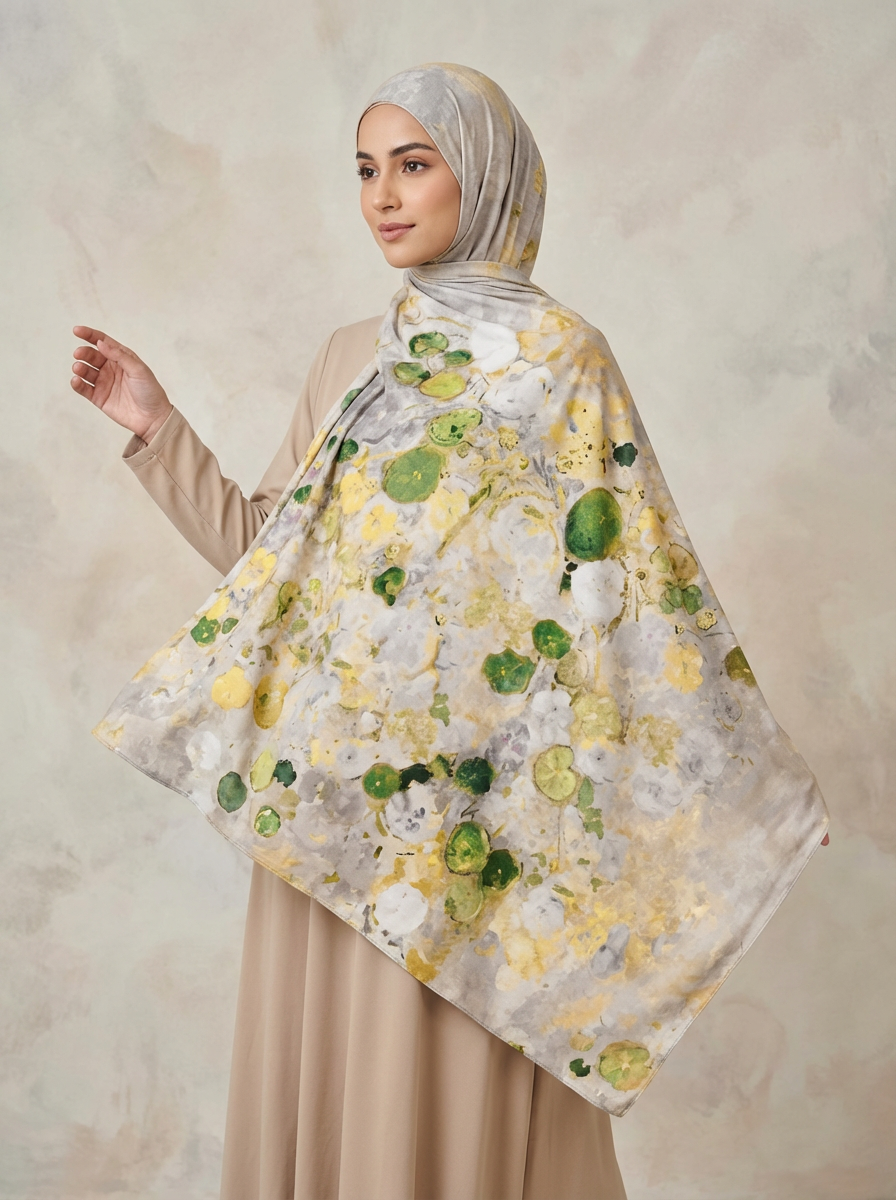
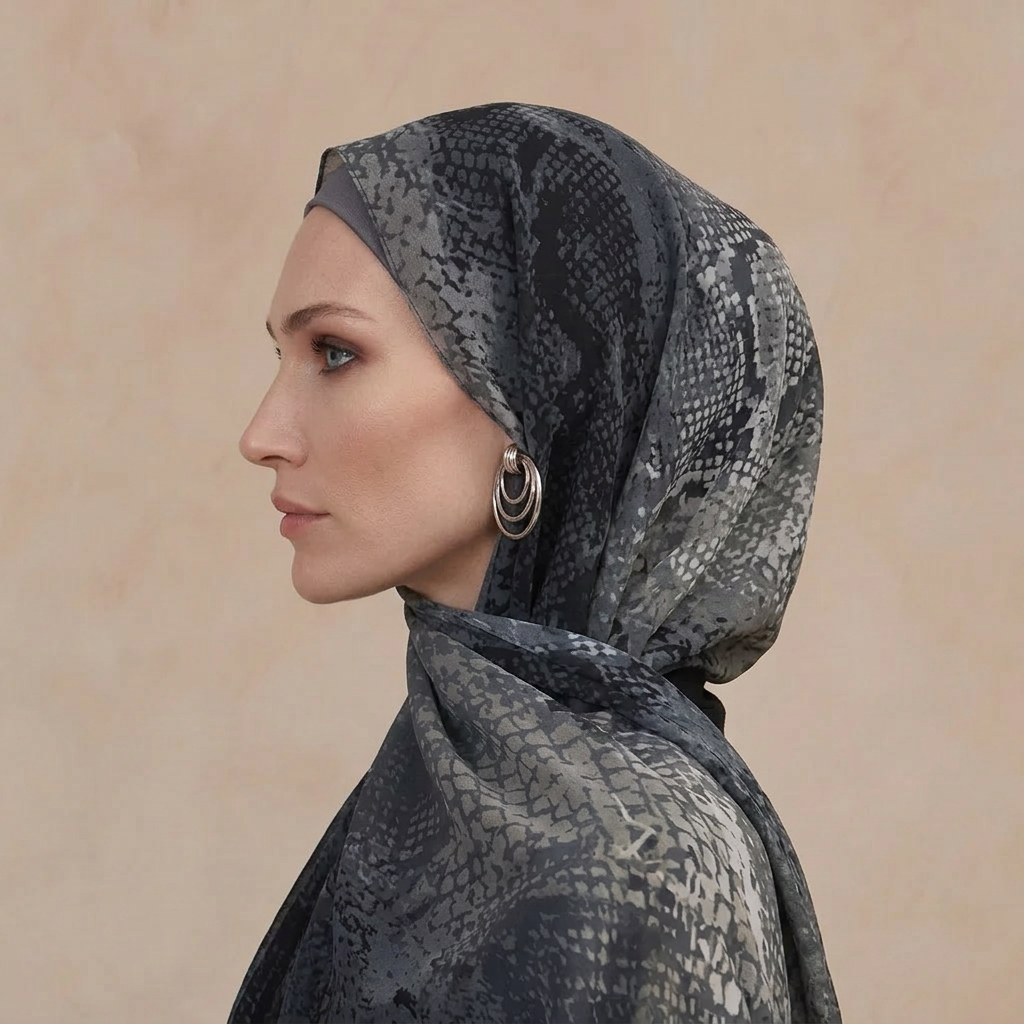
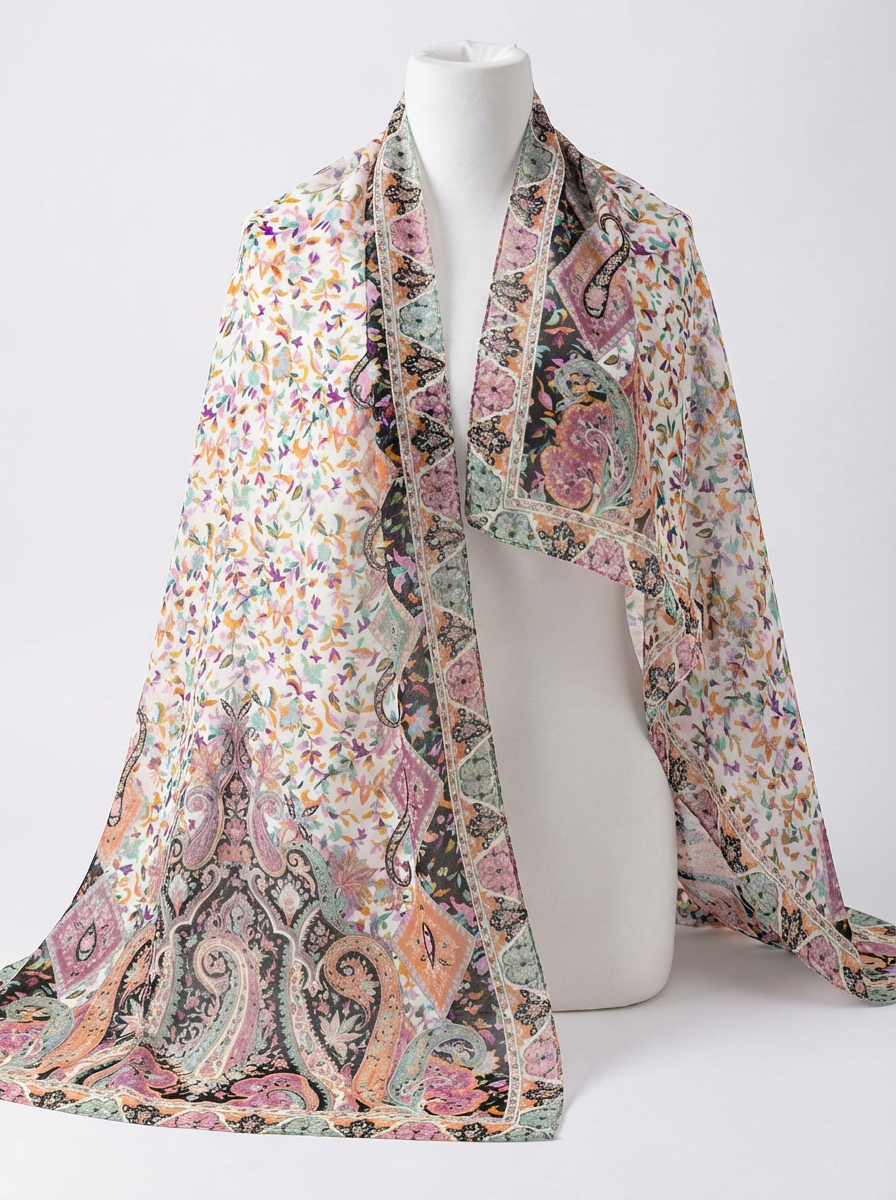
The textured jersey hijab delivers exceptional durability that translates directly into long-term economic value and reduced environmental impact through extended product lifecycles. Quality textured jersey construction employs robust fiber blends engineered specifically to withstand the unique stresses hijabs endure, including frequent handling, repeated washing, exposure to various weather conditions, and constant folding. The jersey knit structure itself contributes to durability through its interlocking loop construction, which distributes tension forces across multiple connection points rather than stressing individual threads. This architectural strength prevents the catastrophic unraveling that can occur with woven fabrics when single threads break. The textured pattern reinforces this durability by creating additional structural complexity that resists wear at friction points. Areas that contact pins, rub against shoulders, or experience repeated folding maintain their integrity significantly longer than smooth jersey or delicate specialty fabrics. The fiber composition typically incorporates synthetic components like polyester or modal blended with natural fibers, combining the best properties of each material type. Synthetic fibers contribute color fastness, shape retention, and resistance to shrinkage, while natural components provide breathability and comfort. This scientific blending results in hijabs that maintain their original dimensions, colors, and textural properties through hundreds of wear and wash cycles. Color retention proves particularly important for maintaining professional appearances, as faded hijabs signal neglect regardless of their actual structural condition. Quality textured jersey hijabs employ colorfast dyes that penetrate fiber cores rather than merely coating surfaces, ensuring vibrant colors survive sun exposure and repeated laundering. The textured surface actually helps disguise the minor color variations that eventually affect all dyed textiles, extending the period during which the hijab appears essentially new. Shape retention represents another critical durability aspect. Inferior fabrics stretch permanently, creating saggy, unflattering drapes that force premature retirement of otherwise intact hijabs. Textured jersey incorporates elastane or spandex fibers in precise percentages that provide stretch functionality while maintaining elastic memory. After stretching during wear, quality textured jersey hijabs return to their original dimensions during rest periods between uses. This recovery characteristic ensures consistent fit and appearance over years of regular use. The practical implications of this durability extend beyond individual convenience to environmental responsibility. Fast fashion culture encourages frequent replacement of inexpensive items, creating textile waste and resource consumption cycles. Investing in durable textured jersey hijabs that serve reliably for years reduces this environmental burden while actually decreasing long-term costs compared to repeatedly purchasing cheaper alternatives. The maintenance simplicity further enhances durability benefits, as textured jersey hijabs require no special care beyond standard machine washing. They emerge from dryers ready to wear without ironing, steaming, or professional cleaning expenses. This ease of care ensures wearers actually maintain their hijabs properly rather than neglecting maintenance due to inconvenience, directly contributing to extended functional lifespans.
 ×
×

 EN
EN