Superior Moisture Management and Temperature Regulation
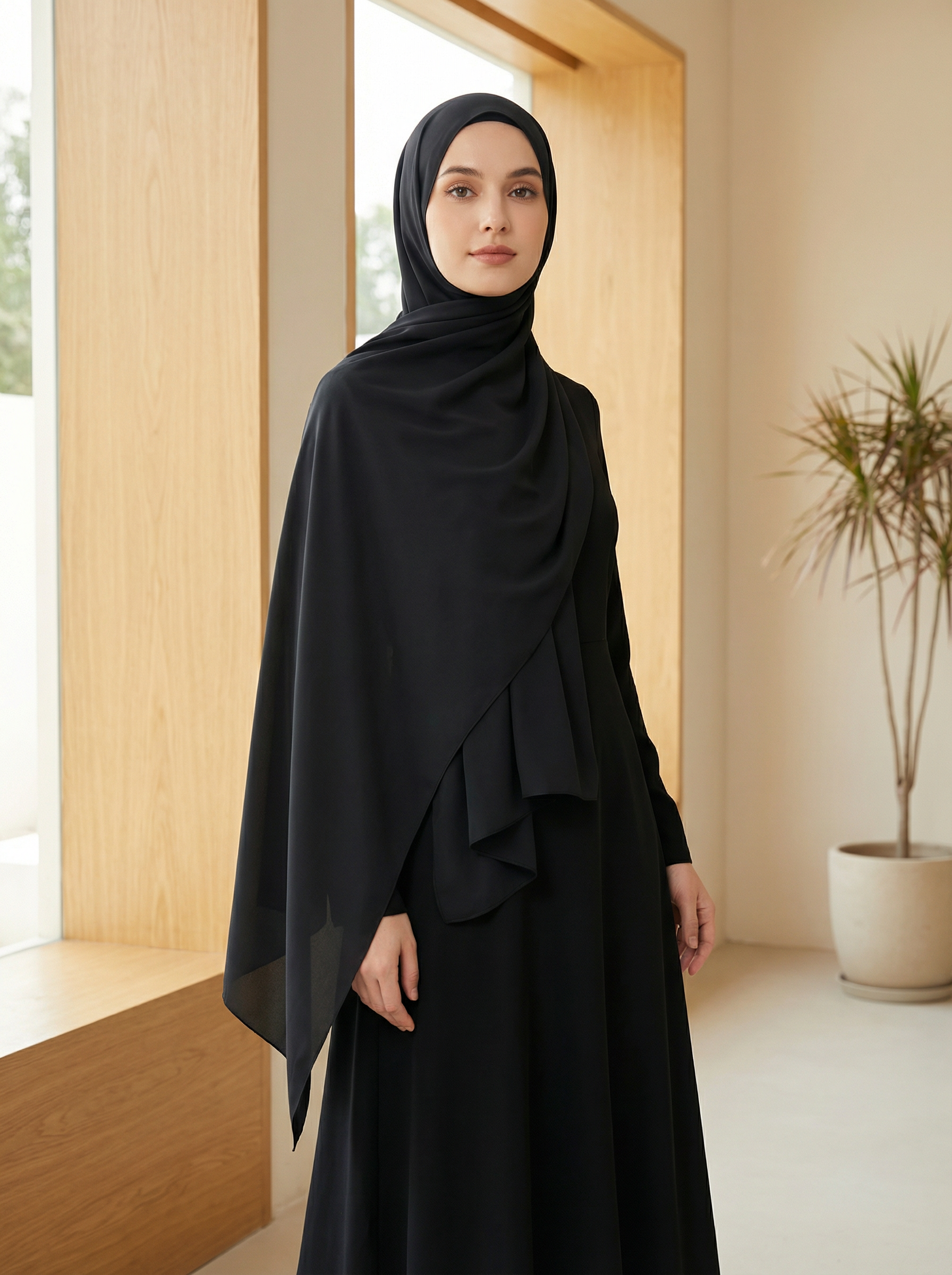
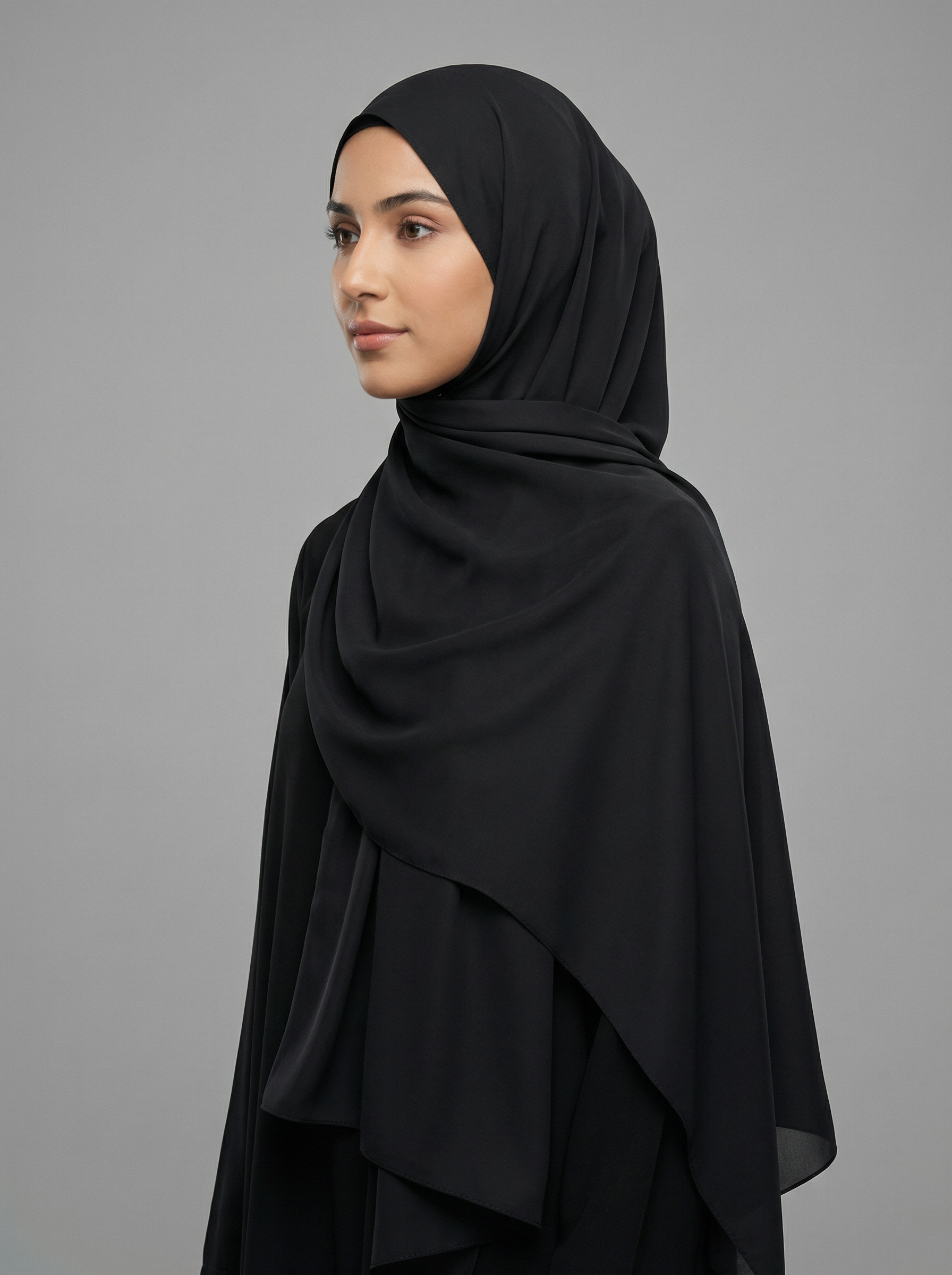
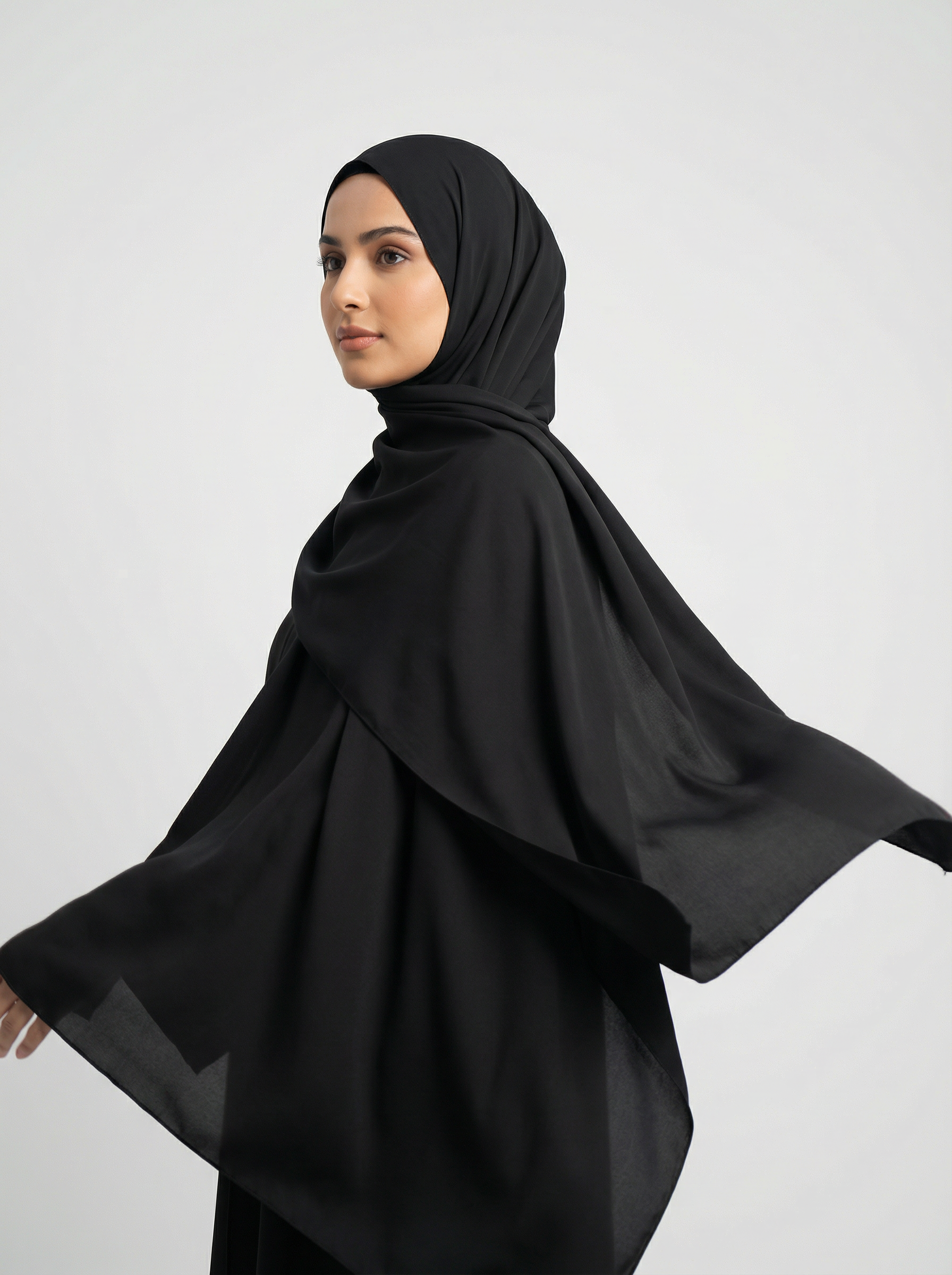
One of the most compelling features that sets the modal hijab apart from traditional head covering options is its exceptional moisture management system and temperature regulation capabilities. The science behind this advantage lies in the unique structure of modal fibers, which are composed of microscopic channels that actively transport moisture away from the skin's surface to the outer layer of the fabric where it can evaporate quickly. This process, known as wicking, occurs at a rate that is approximately 50 percent faster than standard cotton fibers, ensuring that perspiration never accumulates against the skin. For hijab wearers, this translates to a consistently dry and comfortable experience, even during physically demanding activities, warm weather, or stressful situations that might trigger perspiration. The importance of this feature cannot be overstated, particularly for women living in hot and humid climates where traditional hijab materials can become uncomfortably damp and heavy. The modal hijab's ability to maintain a cool microclimate around the head and neck area prevents the overheating that often discourages physical activity or outdoor participation. This encourages a more active lifestyle and removes barriers to full engagement in professional, social, and recreational activities. Furthermore, the temperature-regulating properties work bidirectionally, meaning that in cooler environments, the modal fabric helps retain body heat while still allowing excess moisture to escape, preventing the clammy feeling that occurs when sweat is trapped against the skin. The value this brings to potential customers extends beyond mere comfort; it represents freedom from the constant awareness and adjustment that inferior hijab materials demand. Women can focus on their tasks, conversations, and experiences rather than being distracted by physical discomfort. The practical implications are particularly significant for professionals who spend long hours in meetings, students attending classes, athletes training or competing, and mothers managing active children, all scenarios where reliable comfort and presentability are essential for confidence and performance.
 ×
×

 EN
EN