Superior Quality and Long-Lasting Durability
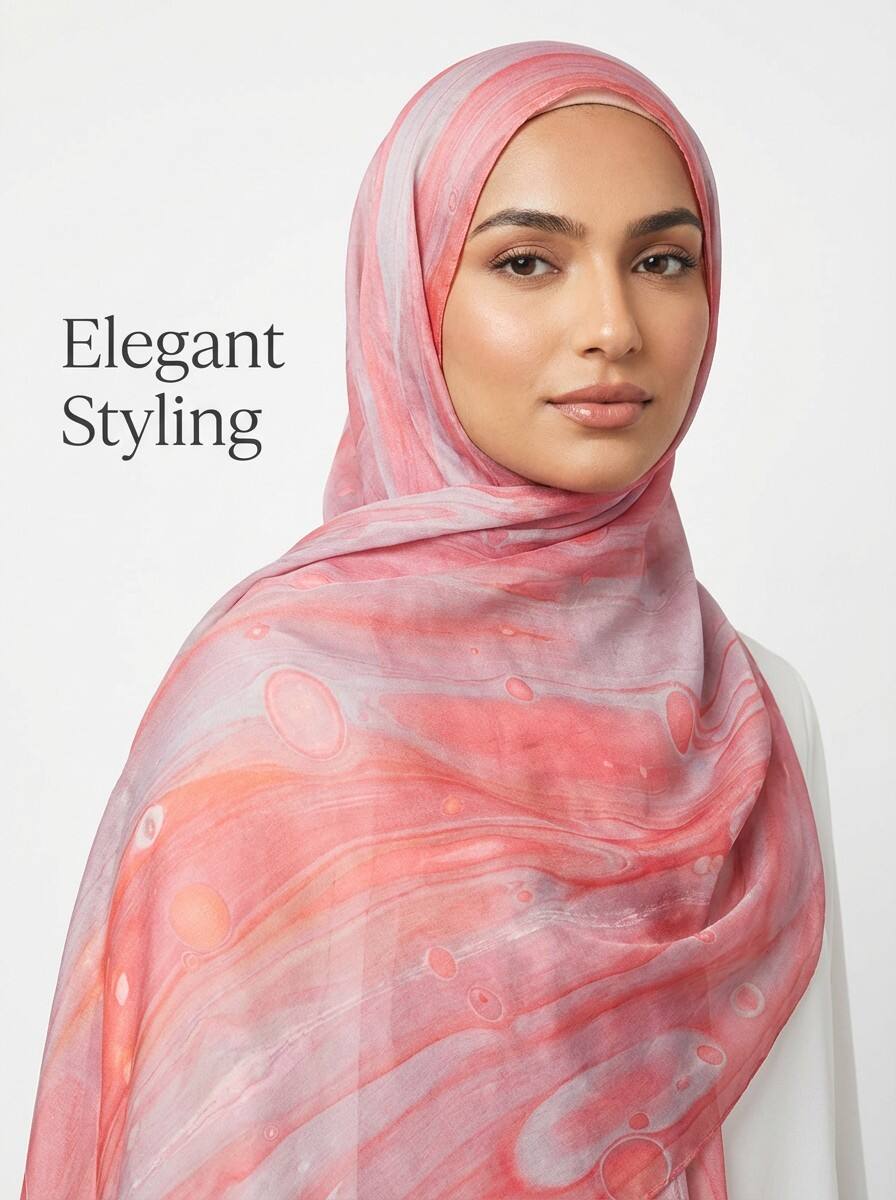
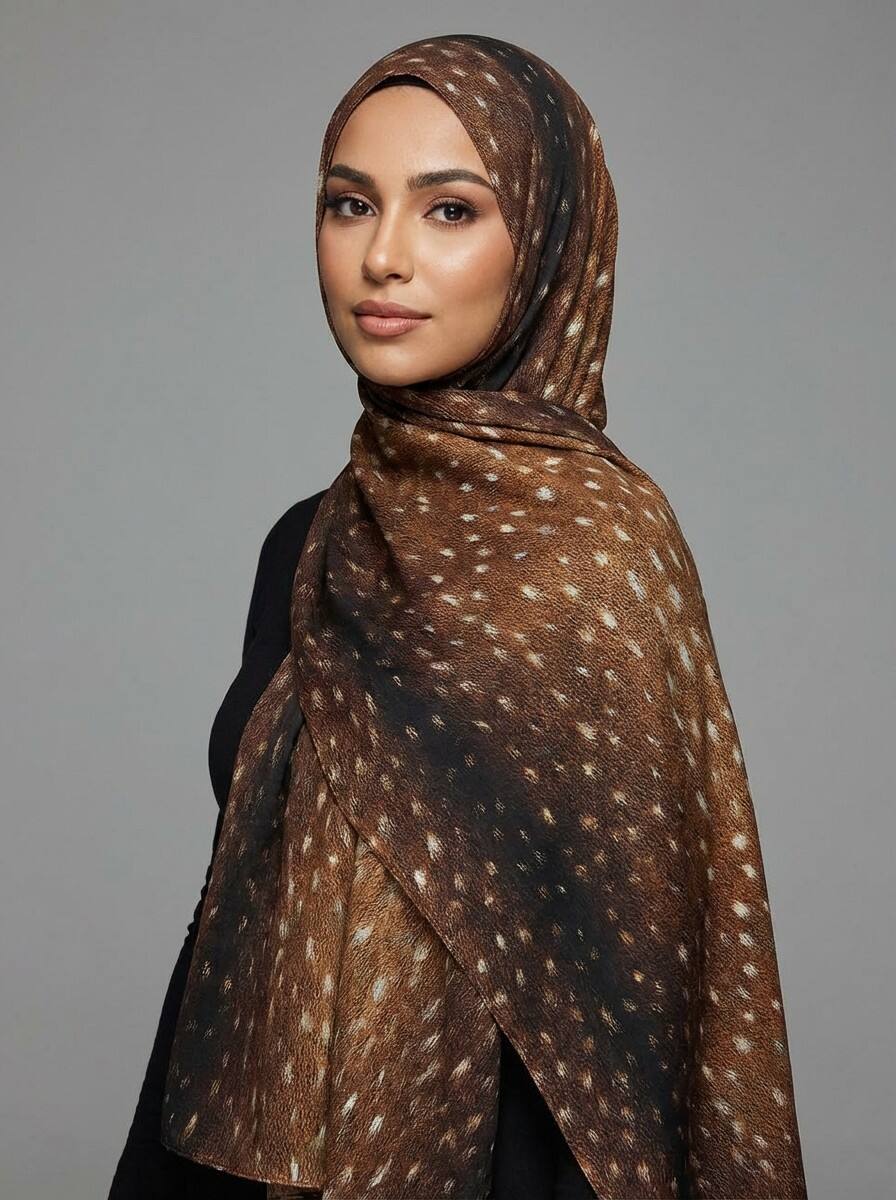
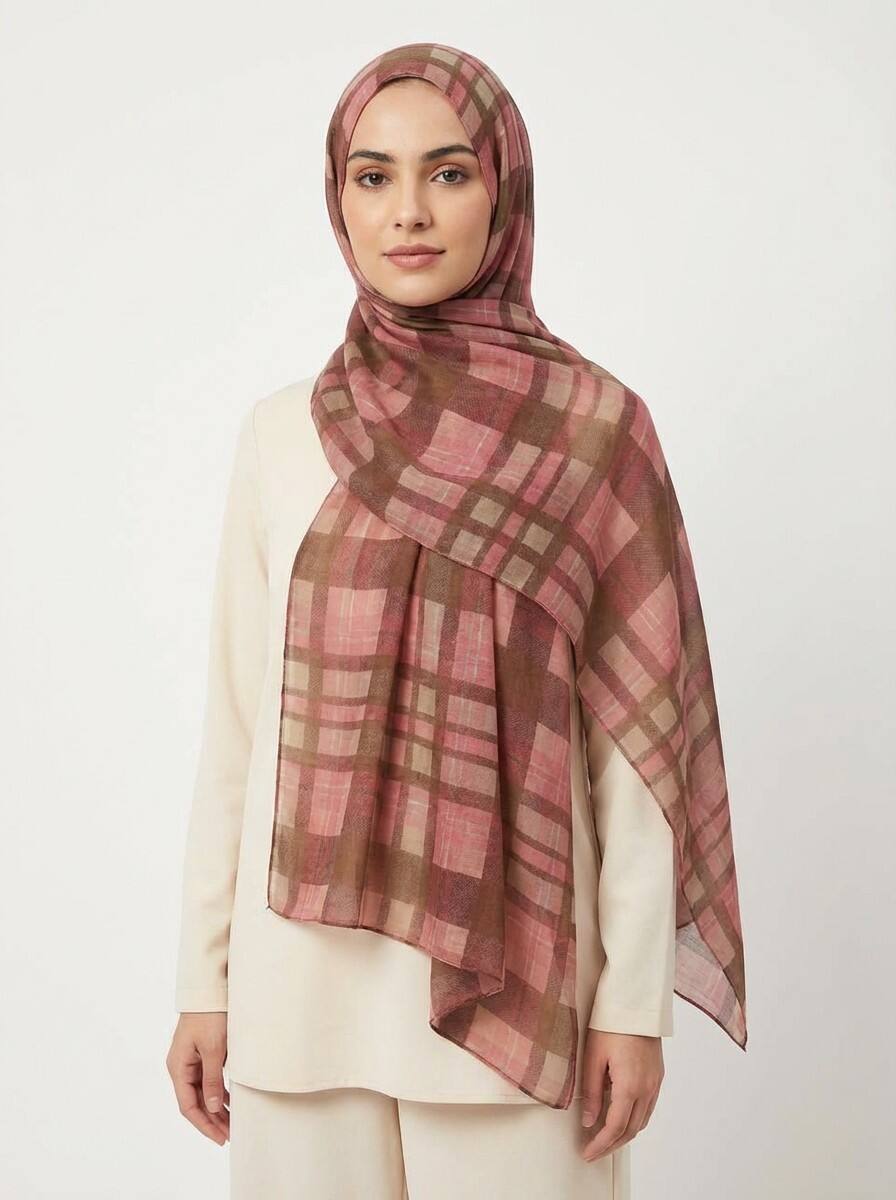
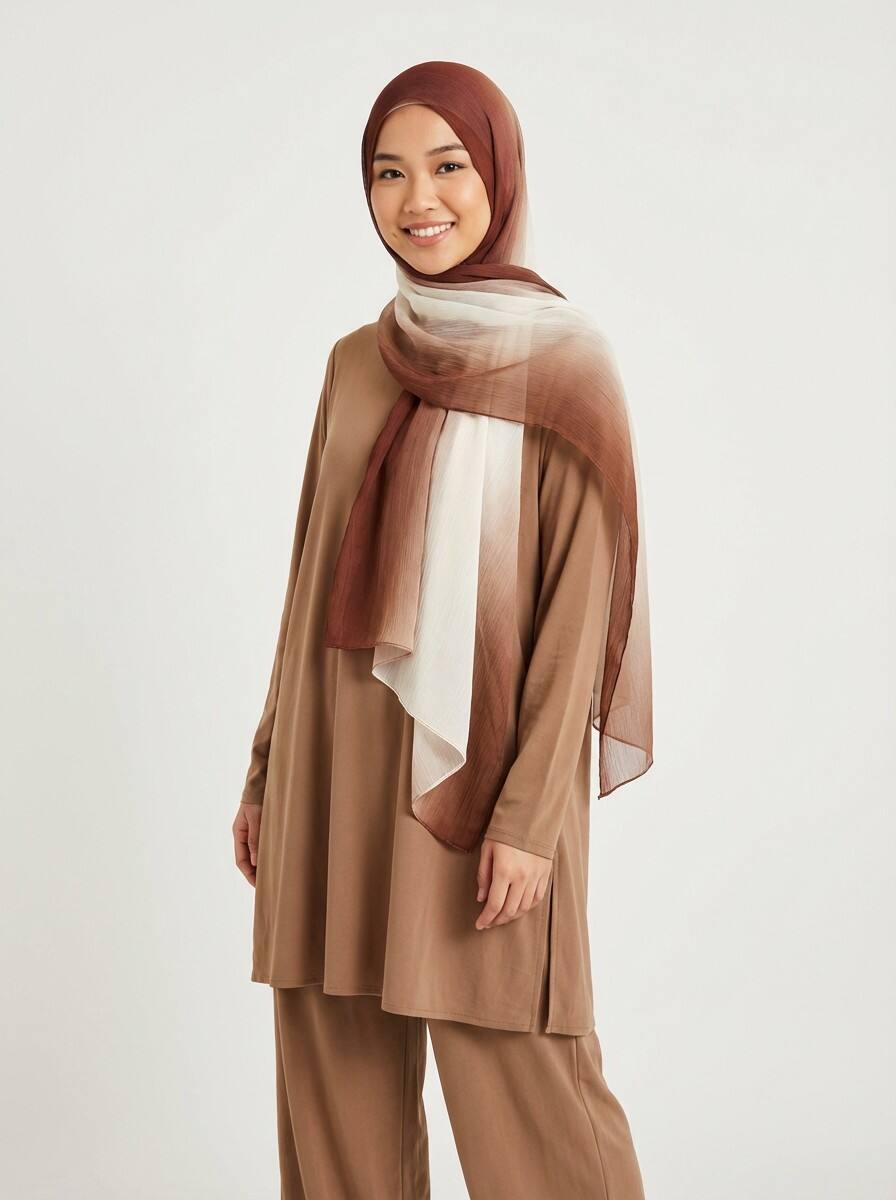
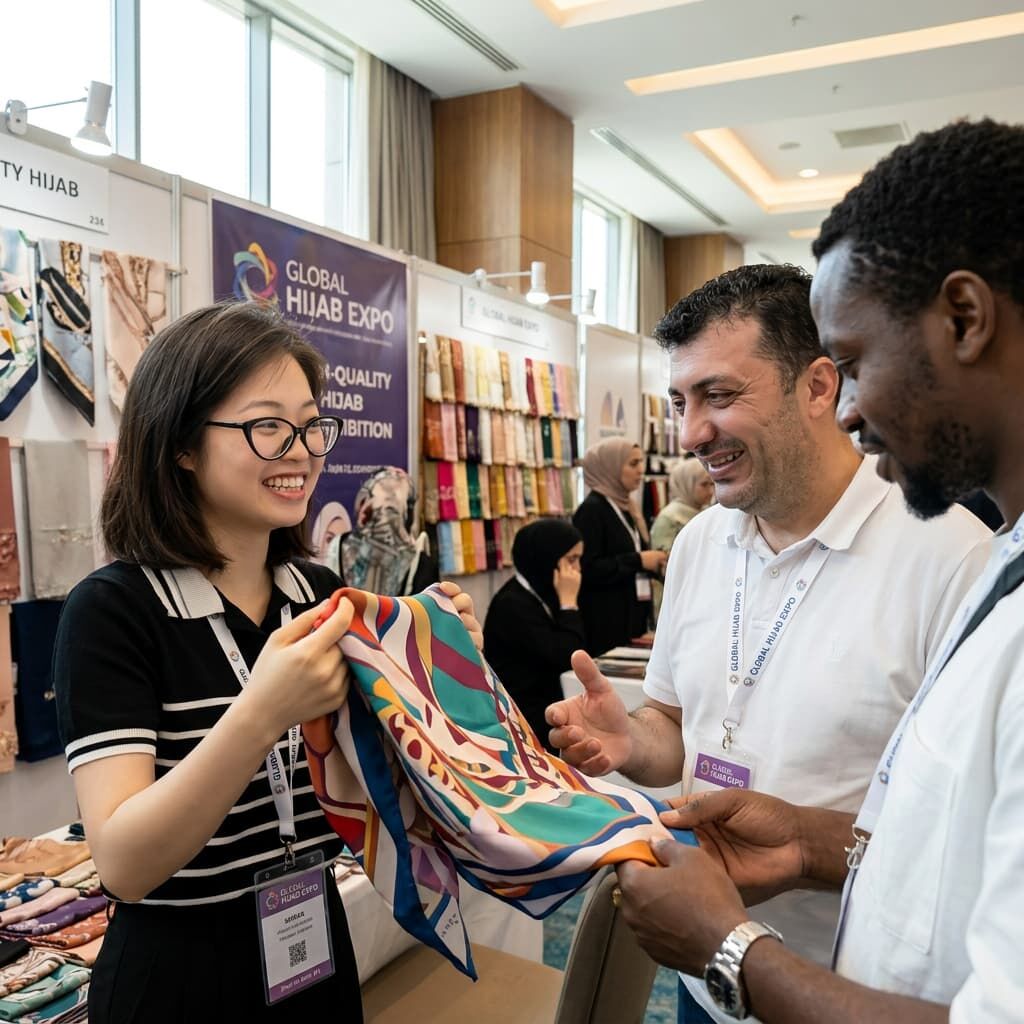
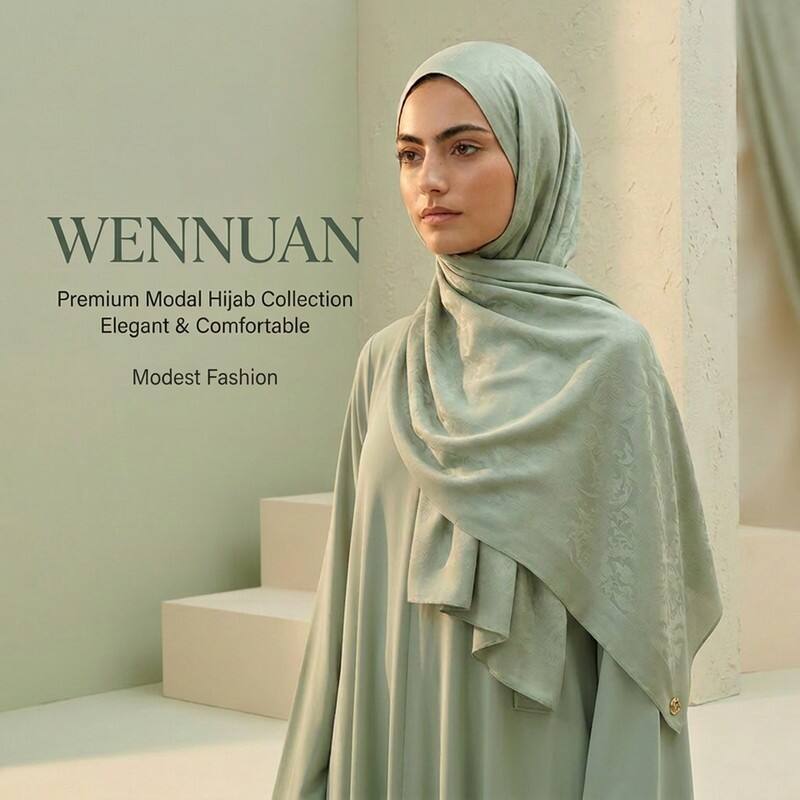
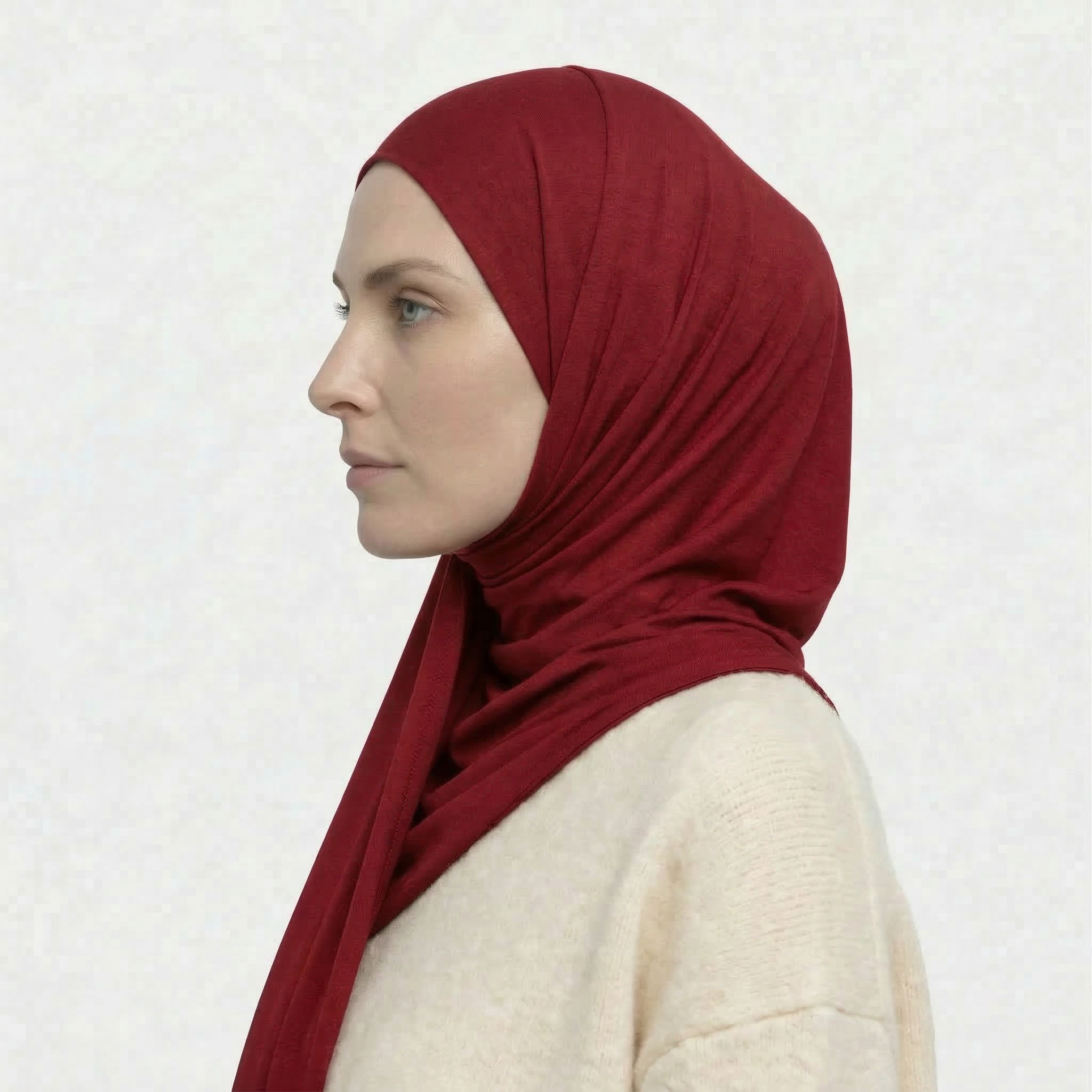
Superior quality and exceptional durability distinguish custom hijabs from mass-produced alternatives, offering tangible value that extends far beyond initial purchase. The quality advantage begins with material selection, as custom hijab producers typically source premium fabrics from reputable suppliers who maintain strict quality control standards. These high-grade materials resist common problems like pilling, fading, and thinning that plague lower-quality hijabs, ensuring the appearance remains fresh and attractive even after repeated wear and washing. The construction process for custom hijabs involves meticulous attention to detail that mass production cannot match, with skilled artisans or specialized technicians overseeing each production stage. Seams receive reinforcement to prevent unraveling, edges undergo proper finishing to maintain shape, and all components integrate seamlessly to create cohesive, well-constructed pieces. This careful craftsmanship translates directly into longevity, as properly constructed custom hijabs withstand daily use without developing the tears, loose threads, or structural weaknesses common in cheaper alternatives. The durability factor proves especially important for women who wear hijabs daily, as investing in quality pieces reduces the frequency of replacement purchases and ultimately provides better economic value. Custom hijabs often incorporate colorfast dyes and printing methods that resist fading from sun exposure, washing, and environmental factors, maintaining vibrant appearances throughout their lifespan. The fabric treatments applied during production may include stain resistance, wrinkle reduction, or UV protection, adding functional benefits that enhance both durability and user experience. Quality control measures implemented during custom hijab production identify and correct any imperfections before items reach customers, ensuring each piece meets established standards for excellence. This quality assurance process contrasts sharply with mass production, where defective items often slip through and reach consumers. The durability of custom hijabs also relates to their personalized fit, as properly sized hijabs experience less stress from stretching, pulling, or constant readjustment, reducing wear and extending usable life. Environmental considerations increasingly influence quality perceptions, and many custom hijab producers prioritize sustainable, ethically sourced materials that offer both environmental responsibility and superior performance characteristics. The investment in quality custom hijabs reflects a shift toward conscious consumption, where purchasing fewer, better-made items replaces the cycle of buying and discarding lower-quality products. Long-term satisfaction with custom hijabs stems from their ability to maintain appearance, comfort, and functionality over extended periods, creating positive associations with modest fashion and reinforcing the value of personalized, quality-focused purchasing decisions.
 ×
×

 EN
EN