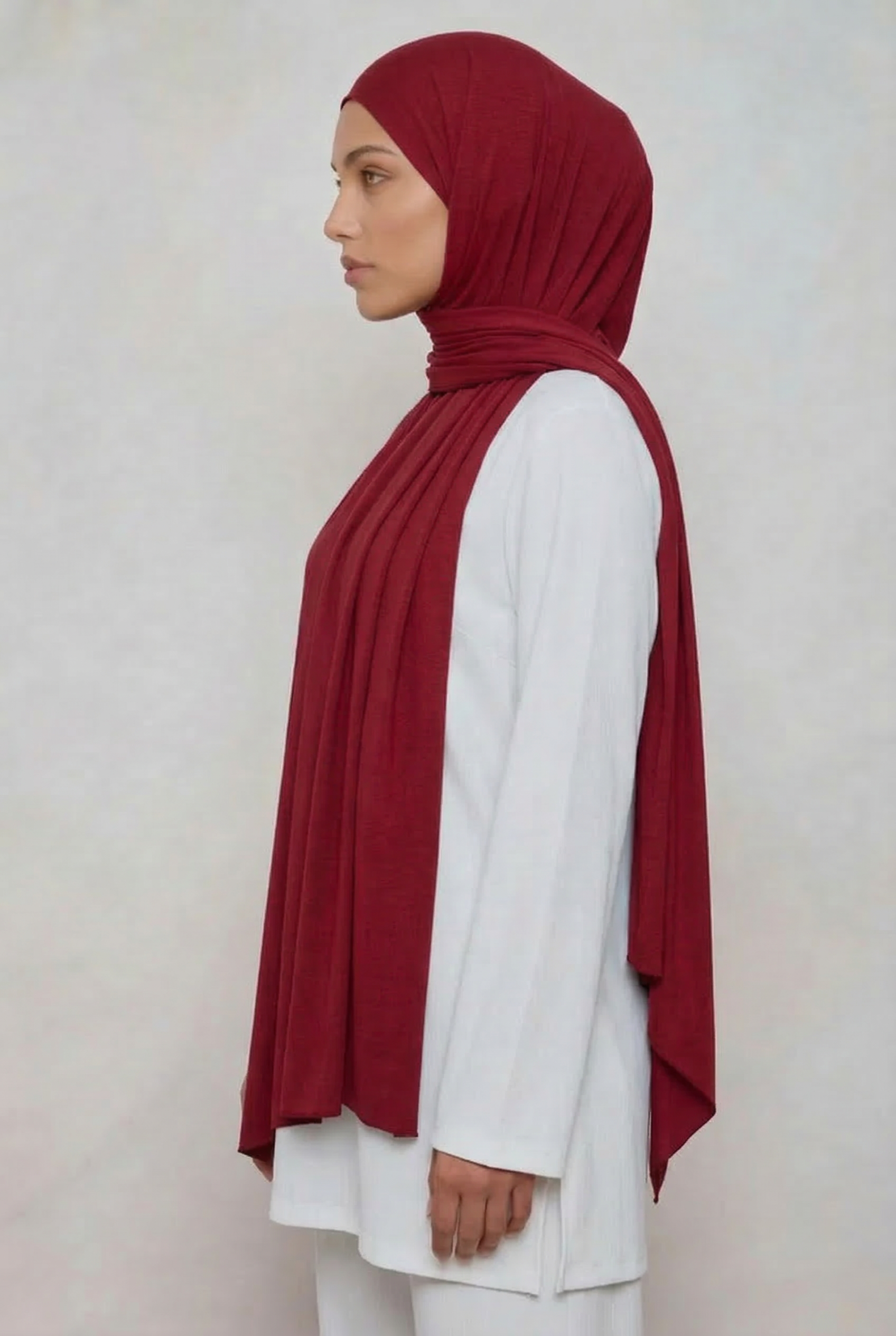
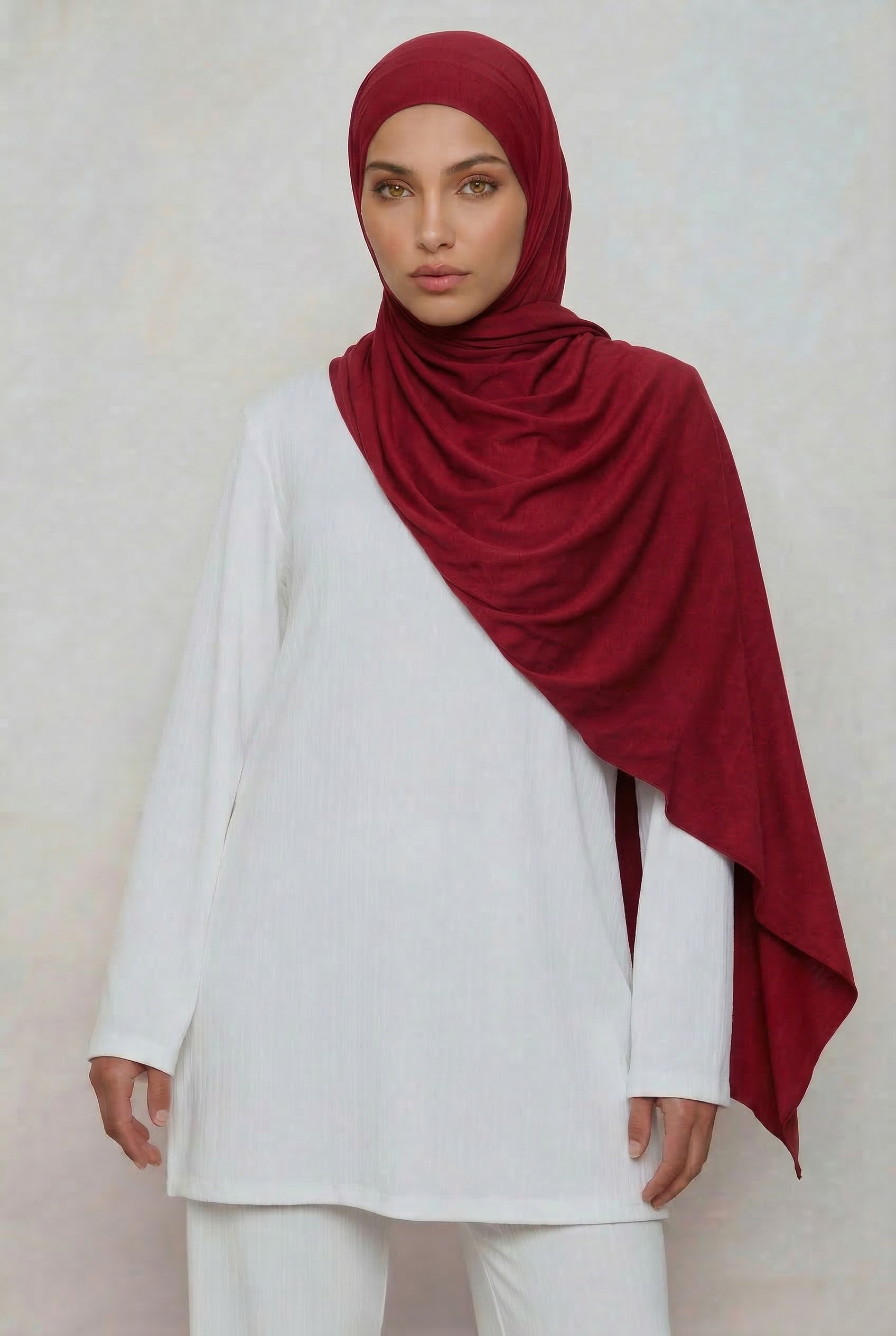
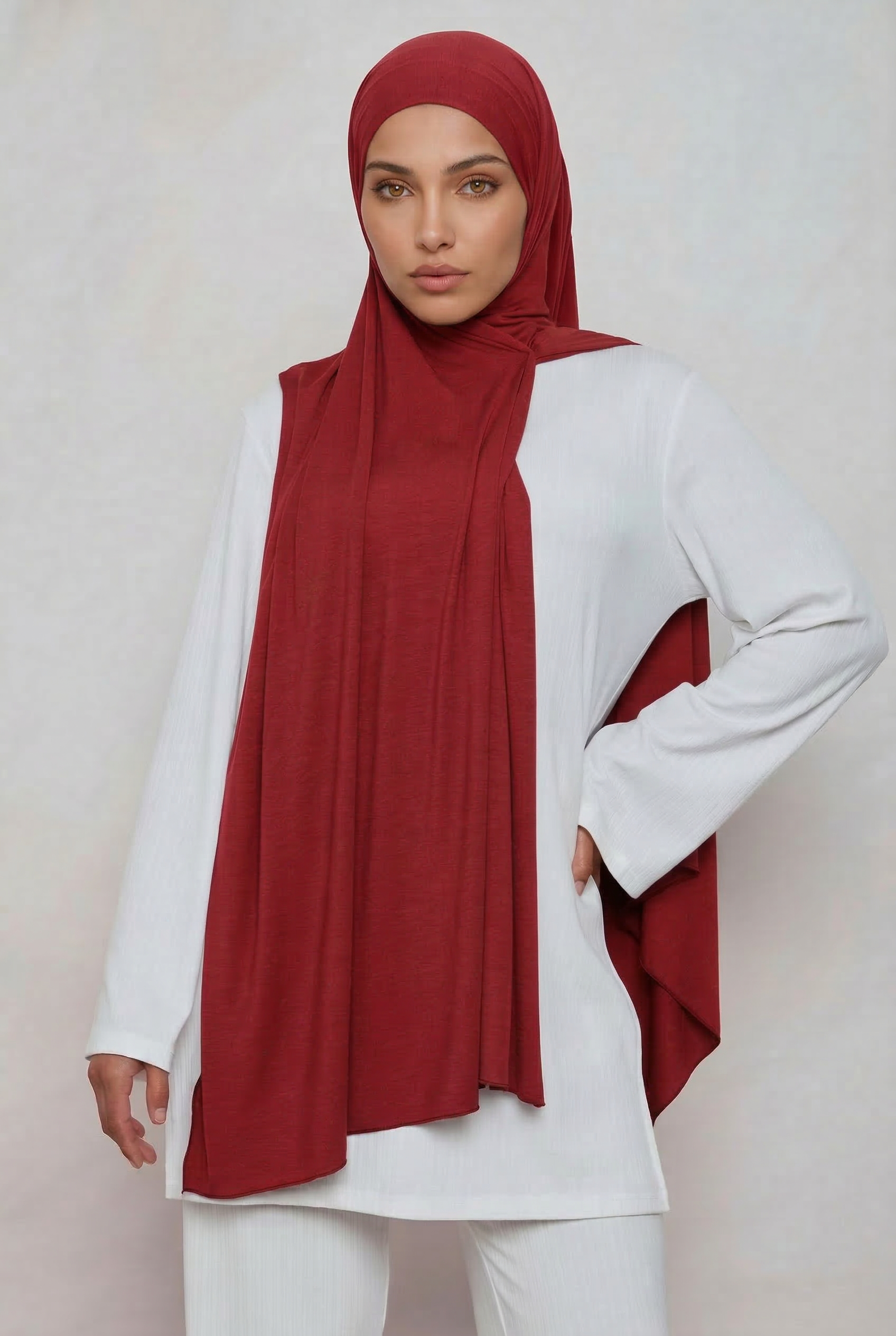
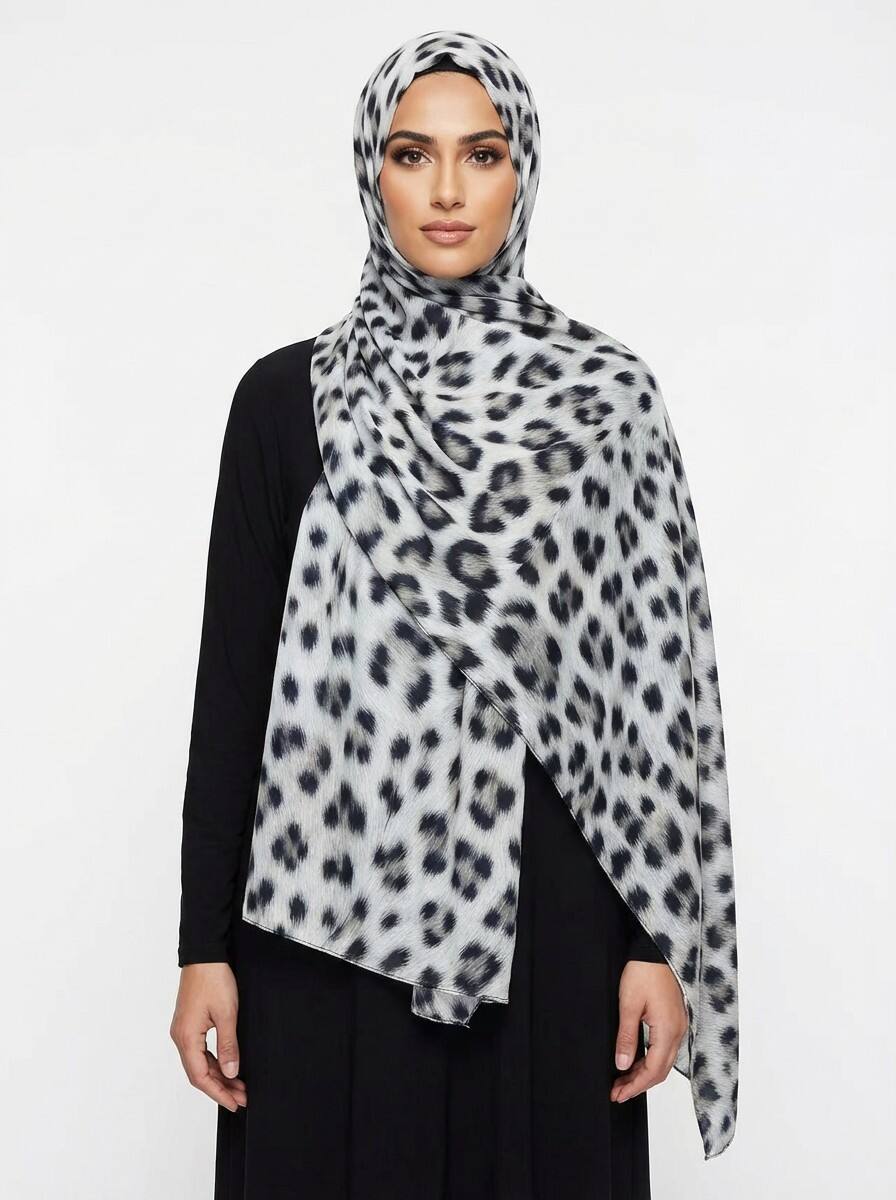
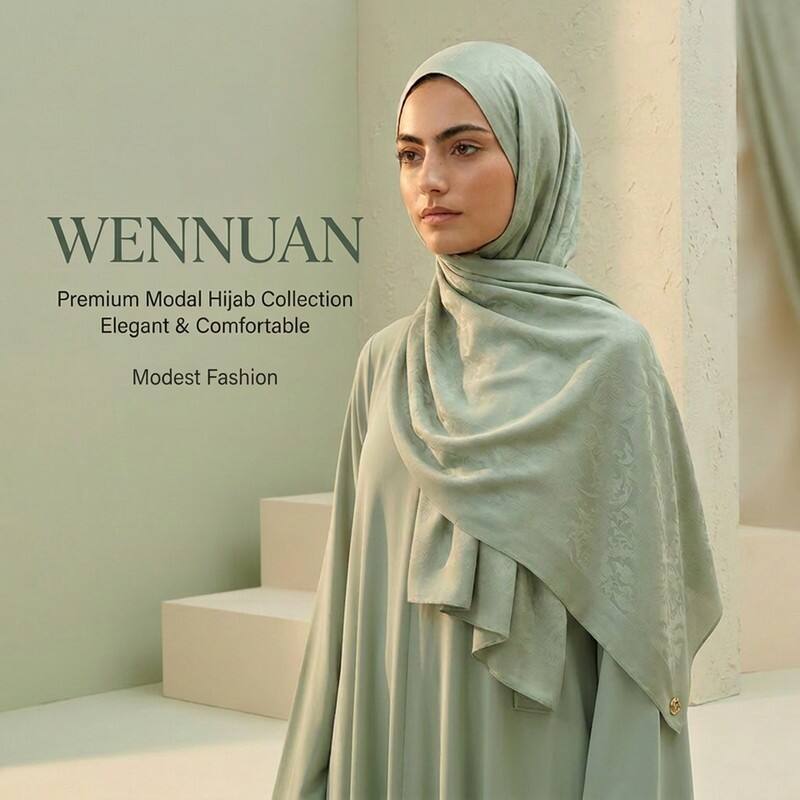
Bamboo Hijab - Eco-Friendly, Breathable & Hypoallergenic Modest Wear

Get a Free Quote

Our representative will contact you soon.
Email
Name
Company Name
Message
0/1000

bamboo hijab

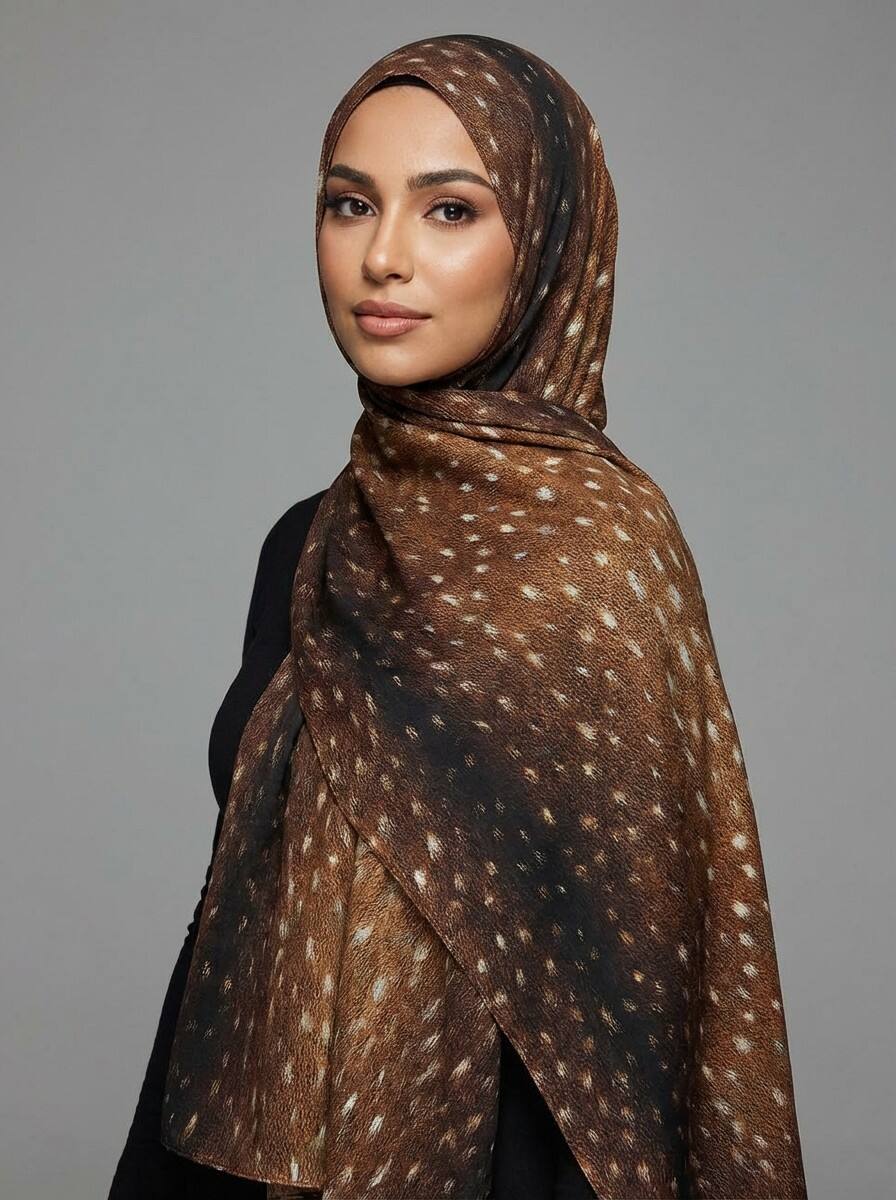
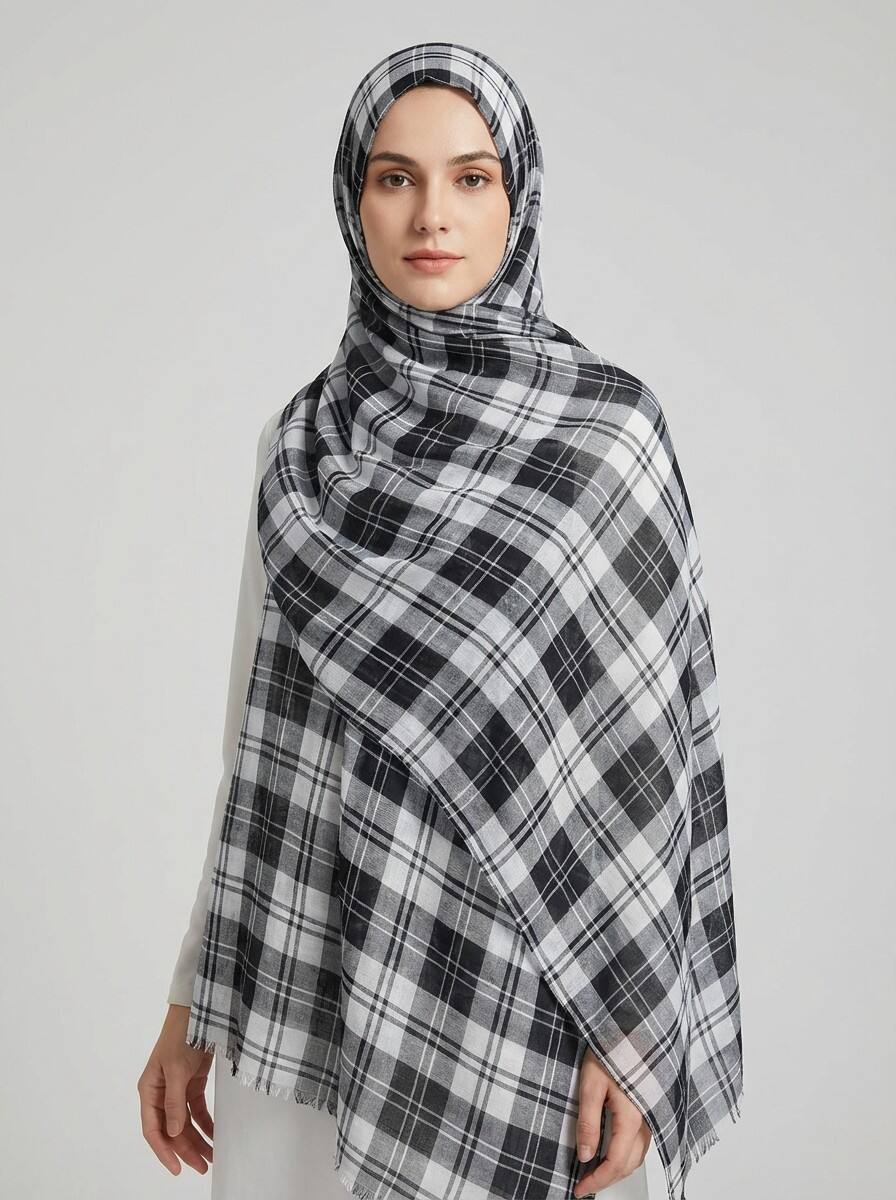
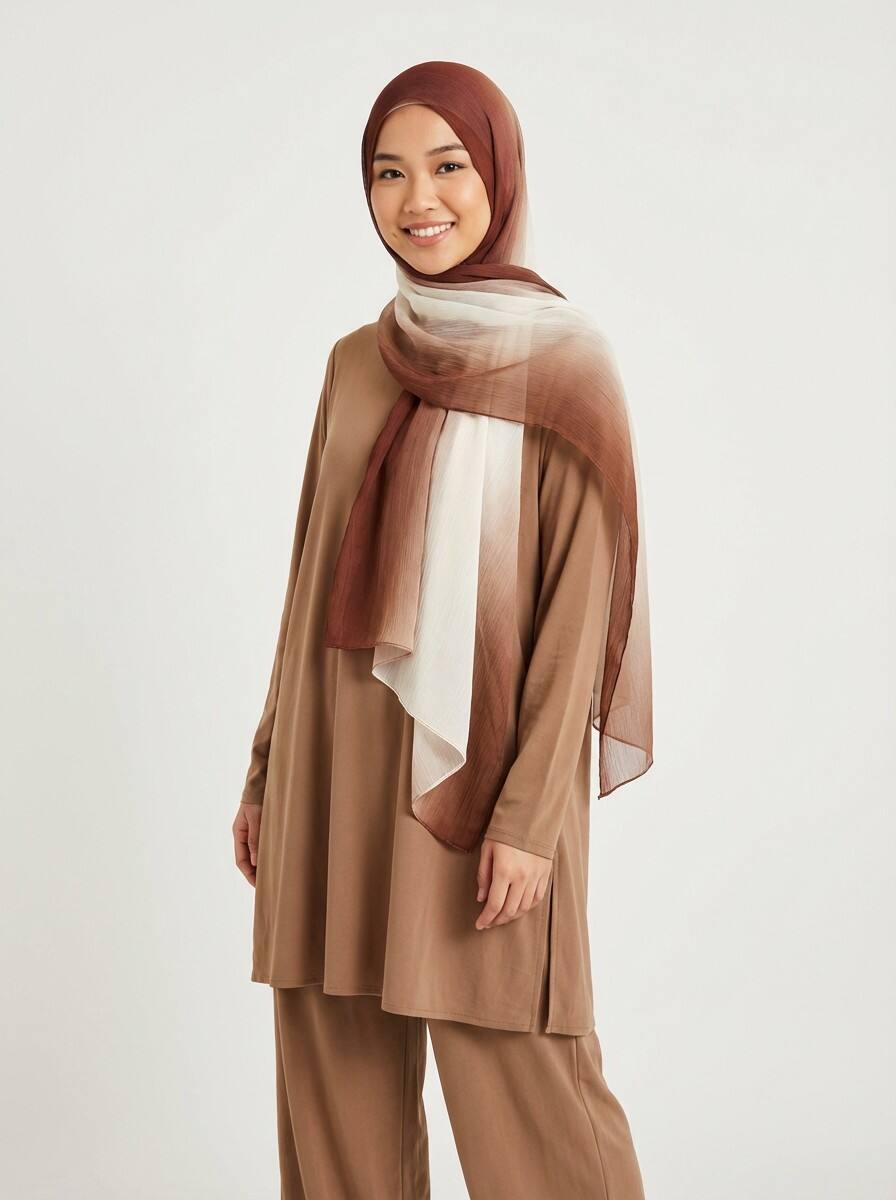
The bamboo hijab represents an innovative fusion of sustainable fashion and traditional modest wear, offering women a contemporary solution that honors both environmental consciousness and cultural values. This revolutionary garment is crafted from bamboo fiber, a naturally renewable resource that has transformed the textile industry with its exceptional properties. The bamboo hijab serves multiple functions as a versatile head covering that provides breathable comfort throughout the day while maintaining the elegance and modesty required in Islamic dress codes. Its technological features stem from the unique cellular structure of bamboo fibers, which are processed through eco-friendly methods to create a soft, luxurious fabric that drapes beautifully around the face and shoulders. The material exhibits natural moisture-wicking capabilities, drawing perspiration away from the skin to keep wearers fresh and comfortable even in warm climates or during physical activities. Applications for the bamboo hijab extend across various settings, from everyday wear to professional environments, formal occasions, and athletic pursuits. The fabric's natural sheen gives it an sophisticated appearance suitable for office settings and special events, while its practical performance characteristics make it ideal for active lifestyles. Women who wear the bamboo hijab appreciate its ability to regulate temperature naturally, keeping them cool in summer and providing gentle warmth during cooler months. The fiber's inherent antibacterial and hypoallergenic properties make this hijab particularly beneficial for individuals with sensitive skin or allergies to synthetic materials. Unlike conventional hijabs made from polyester or other synthetic fabrics, the bamboo hijab offers superior breathability and comfort without compromising on style or durability. Its production process involves minimal chemical treatments, making it a cleaner choice for both consumers and the environment, aligning perfectly with the growing demand for sustainable fashion alternatives in the modest wear market.

New Product Releases

Choosing a bamboo hijab delivers numerous practical benefits that enhance your daily wearing experience while supporting environmental sustainability. The extraordinary softness of bamboo fabric creates a gentle touch against your skin that feels luxurious throughout extended wear, eliminating the irritation and discomfort often associated with rougher synthetic materials. This natural softness becomes particularly important when the hijab contacts sensitive facial skin for hours at a time. The exceptional breathability of bamboo hijab fabric allows air to circulate freely, preventing the stuffy, overheated feeling that many women experience with conventional head coverings. This ventilation feature proves invaluable during summer months, physical exercise, or in crowded indoor spaces where temperature control matters most. Your bamboo hijab actively works to regulate your body temperature by adapting to environmental conditions, keeping you comfortable regardless of weather fluctuations. The moisture management properties of bamboo fiber mean that this hijab absorbs perspiration quickly and allows it to evaporate efficiently, preventing dampness and maintaining freshness even during demanding activities or hot weather. Women who wear bamboo hijabs notice they stay drier and more comfortable compared to synthetic alternatives that trap moisture against the skin. The natural antibacterial qualities of bamboo fiber inhibit odor-causing bacteria growth, keeping your hijab fresher between washes and reducing the frequency of laundering required. This antimicrobial protection occurs naturally within the fiber structure without requiring chemical treatments that might irritate sensitive skin or degrade over time. For individuals with allergies or skin sensitivities, the hypoallergenic nature of bamboo hijabs provides relief from reactions triggered by synthetic dyes, chemical finishes, or harsh fabric textures. The durability of properly cared for bamboo hijabs means your investment lasts longer than cheaper synthetic options that pill, fade, or lose their shape after repeated washing. Bamboo fabric maintains its smooth texture and elegant drape through numerous wearing and washing cycles, retaining its beautiful appearance and comfortable feel. Environmental benefits extend beyond personal comfort, as choosing bamboo hijabs supports sustainable agriculture and reduces reliance on petroleum-based synthetic fibers. Bamboo grows rapidly without requiring pesticides, excessive water, or chemical fertilizers, making it one of the most eco-friendly fiber sources available. The biodegradable nature of bamboo fabric means your hijab will not contribute to landfill pollution when it eventually reaches the end of its useful life, unlike synthetic alternatives that persist in the environment for decades.

Latest News

Elevate Your Modest Style: Our Premium Printed Modal Hijab Collection

09

Mar

Elevate Your Modest Style: Our Premium Printed Modal Hijab Collection

View More
Brand Story: Weaving Elegance, Comfort and Trust Into Every Hijab

06

Mar

Brand Story: Weaving Elegance, Comfort and Trust Into Every Hijab

View More
A Warm Win-Win Cooperation Story: Beryl and Our Indonesian Client

06

Mar

A Warm Win-Win Cooperation Story: Beryl and Our Indonesian Client

View More

Get a Free Quote

Our representative will contact you soon.
Email
Name
Company Name
Message
0/1000

bamboo hijab

Superior Comfort Through Natural Temperature Regulation and Breathability

Superior Comfort Through Natural Temperature Regulation and Breathability

The bamboo hijab excels in providing unmatched comfort through its remarkable ability to regulate temperature naturally and maintain optimal breathability throughout diverse conditions. This feature stems from the unique micro-gap structure within bamboo fibers, which creates countless tiny spaces that facilitate air circulation while simultaneously managing moisture levels. When you wear a bamboo hijab, these microscopic channels work continuously to ensure fresh air reaches your scalp and skin, preventing the suffocating sensation that synthetic fabrics often create. During warm weather or physical activity, the bamboo hijab actively wicks moisture away from your skin, absorbing perspiration and allowing it to evaporate quickly through the fabric's breathable structure. This moisture management system keeps you feeling dry and fresh even when temperatures rise or you engage in active pursuits. The temperature regulating properties work bidirectionally, meaning the bamboo hijab helps maintain warmth during cooler conditions by trapping a thin layer of insulating air close to your head while still allowing excess heat and moisture to escape. This intelligent thermal adaptation eliminates the need to switch between different seasonal hijabs, as one quality bamboo hijab performs excellently year-round. Women who transition to bamboo hijabs frequently report dramatic improvements in comfort levels, particularly those who previously struggled with overheating, excessive sweating, or skin irritation from non-breathable synthetic materials. The fabric's natural softness enhances this comfort further, as bamboo fibers are naturally smooth and round without the sharp spurs found in some plant fibers or the harsh texture of many synthetics. This inherent softness means the bamboo hijab feels gentle against your face, neck, and ears throughout extended wearing periods without causing chafing, redness, or pressure points. The draping quality of bamboo fabric contributes to comfort by conforming naturally to your head shape and staying securely in place without requiring excessive tightening or constant adjustment. The combination of breathability, moisture management, temperature regulation, and luxurious softness makes the bamboo hijab an ideal choice for women seeking maximum comfort without sacrificing modesty, style, or practicality in their daily dress.
Hypoallergenic and Antibacterial Properties for Enhanced Skin Health

Hypoallergenic and Antibacterial Properties for Enhanced Skin Health

The bamboo hijab offers exceptional benefits for skin health through its natural hypoallergenic and antibacterial characteristics, making it the superior choice for women with sensitive skin, allergies, or dermatological concerns. These protective properties originate from a naturally occurring antimicrobial agent called bamboo kun, which is inherently present within bamboo fiber and remains active even after processing into textile form. This biological defense mechanism evolved in living bamboo plants to resist bacteria and pest infestations, and it continues to provide protection when the fiber is worn against your skin. Scientific testing has demonstrated that bamboo fabric maintains its antibacterial effectiveness through numerous washing cycles, unlike chemically treated antimicrobial fabrics where the protective finish gradually washes away with repeated laundering. For hijab wearers, this antibacterial action delivers multiple practical advantages, beginning with odor prevention as bacteria responsible for unpleasant smells cannot thrive on bamboo fabric surfaces. You can wear your bamboo hijab for extended periods without developing the stale odor that synthetic hijabs often acquire after just a few hours. This freshness extends the time between necessary washings, reducing wear on the fabric while saving you time and effort in garment care. The hypoallergenic nature of bamboo hijabs proves particularly valuable for individuals who experience skin reactions to conventional textiles, whether from synthetic fibers themselves, chemical dyes, fabric finishes, or residual processing chemicals. Bamboo fiber production can utilize eco-friendly methods that minimize harsh chemical exposure, resulting in a final product that remains gentle even for the most sensitive skin types. Women suffering from conditions like eczema, psoriasis, rosacea, or contact dermatitis often find significant relief when switching to bamboo hijabs, as the smooth, natural fiber does not aggravate existing skin issues or trigger new inflammatory responses. The moisture-wicking properties of bamboo fabric further support skin health by preventing the damp conditions where bacteria, fungi, and irritation typically develop. By keeping your skin dry and allowing it to breathe freely, the bamboo hijab creates an environment that promotes healthy skin rather than compromising it through trapped moisture and poor ventilation.

Sustainable Fashion Choice Supporting Environmental Conservation

Sustainable Fashion Choice Supporting Environmental Conservation

Selecting a bamboo hijab represents a meaningful commitment to environmental stewardship and sustainable fashion practices, offering conscientious consumers an opportunity to align their modest wear choices with ecological values. The environmental advantages of bamboo hijabs begin with the remarkable sustainability of bamboo as a raw material resource, as this fast-growing plant reaches harvest maturity in just three to five years compared to decades required for hardwood trees. Bamboo cultivation requires no pesticides or chemical fertilizers to thrive, growing prolifically through natural processes that actually improve soil quality and prevent erosion in areas where it is planted. The water requirements for bamboo growth are minimal compared to cotton and other traditional textile crops, which demand intensive irrigation that strains water resources in many agricultural regions. Bamboo plants also contribute positively to atmospheric conditions by absorbing substantially more carbon dioxide and releasing more oxygen than equivalent stands of trees, making bamboo cultivation a carbon-negative activity that helps combat climate change. When bamboo is harvested for fiber production, the root system remains intact and immediately begins regenerating new growth, eliminating the need for replanting and preserving the soil ecosystem without disruption. Processing bamboo into textile fiber can be accomplished through mechanical methods that avoid harsh chemicals, or through closed-loop chemical processes where solvents are captured and recycled rather than released into the environment. The biodegradability of bamboo fabric means that when your hijab eventually wears out, it will decompose naturally without releasing toxic substances or persisting as pollution for generations. This contrasts sharply with synthetic hijabs made from polyester or other petroleum-based materials, which shed microplastic particles during washing that contaminate waterways and accumulate in marine ecosystems. By choosing bamboo hijabs over synthetic alternatives, you reduce demand for fossil fuel extraction and the energy-intensive manufacturing processes required to produce plastic-based textiles. The durability and longevity of quality bamboo hijabs further enhance their environmental credentials, as garments that last longer require less frequent replacement, reducing overall consumption and waste generation. Supporting brands that produce bamboo hijabs encourages the modest fashion industry to embrace sustainable practices and invest in eco-friendly materials, creating market pressure that can drive broader positive change across the sector.

Get a Free Quote

Our representative will contact you soon.
Email
Name
Company Name
Message
0/1000